
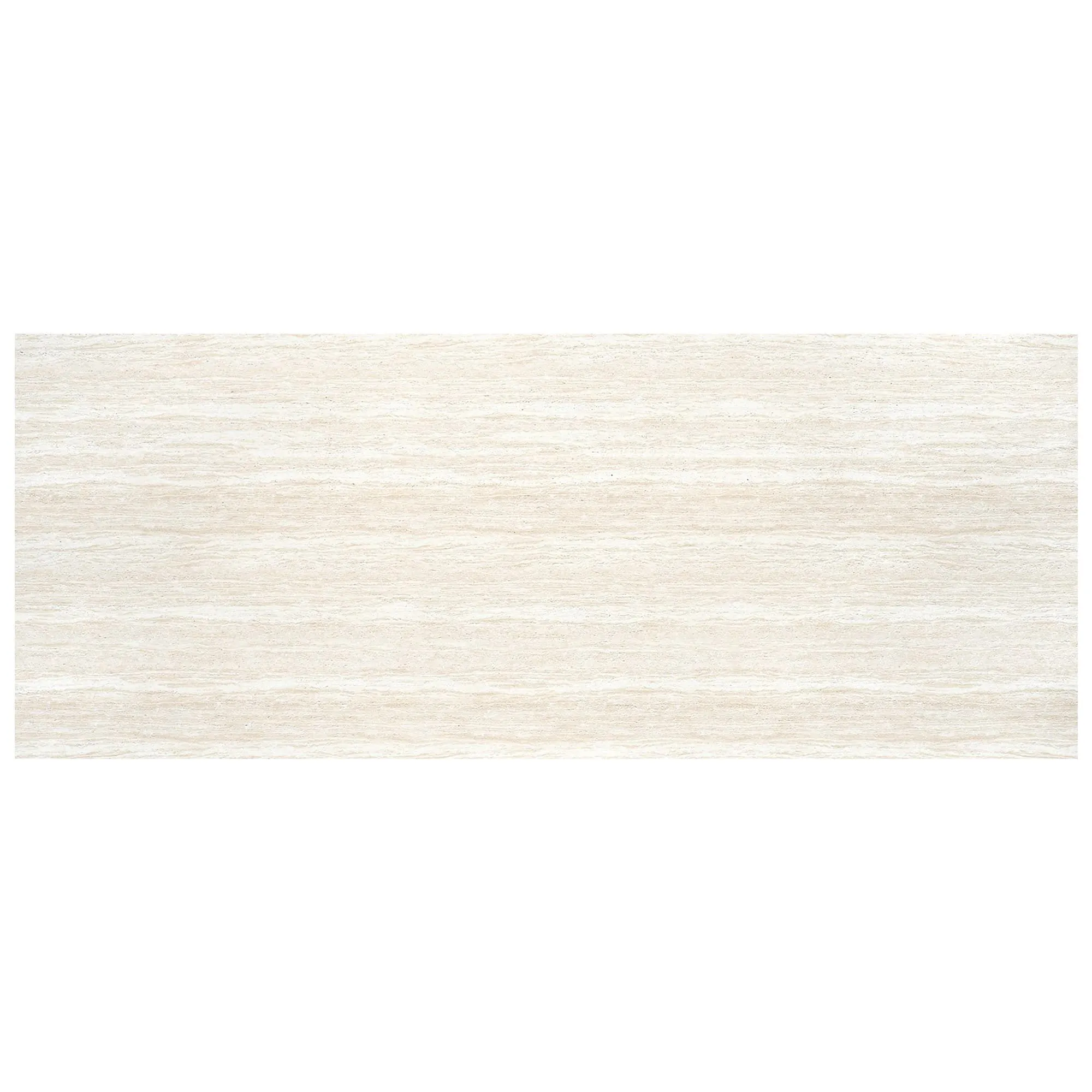
Walk into any home or café with wooden floors, and you'll likely feel it—the quiet warmth, the subtle texture underfoot, the way light dances off the grain. Wood has always been more than a building material; it's a storyteller, carrying the echoes of forests, seasons, and growth. But here's the hard truth: that beauty often comes at a cost. Every year, millions of acres of forests are cleared to meet the demand for hardwood, leaving behind scarred landscapes, displaced wildlife, and a heavier carbon footprint. For designers, homeowners, and architects who love wood's aesthetic but hate its environmental toll, the search for alternatives has long felt like chasing a ghost—until now.
Enter MCM Wood Line , a collection of building materials that reimagines what it means to bring nature indoors. Part of the broader MCM (Modified Composite Material) family, this line doesn't just mimic wood—it honors it, offering the same warmth and texture without a single tree being cut down. From wood grain board that replicates the look of oak or maple to bamboo mat board that channels the serenity of Asian-inspired design, MCM Wood Line proves that sustainability and beauty don't have to be rivals. Let's dive into how these materials are rewriting the rulebook for eco-friendly design.
At its core, MCM is a feat of engineering with a heart. Unlike traditional wood products, which start with logging live trees, MCM Wood Line is crafted from a blend of recycled materials—think agricultural fibers, mineral powders, and eco-resins—all bound together using low-energy manufacturing processes. The result? A material that's not just kind to the planet, but also surprisingly tough. It resists warping, rotting, and pests, outlasting many hardwoods in high-moisture areas like bathrooms or kitchens. And because it's made from recycled or sustainably sourced inputs, it slashes the carbon footprint by up to 70% compared to traditional hardwood production.
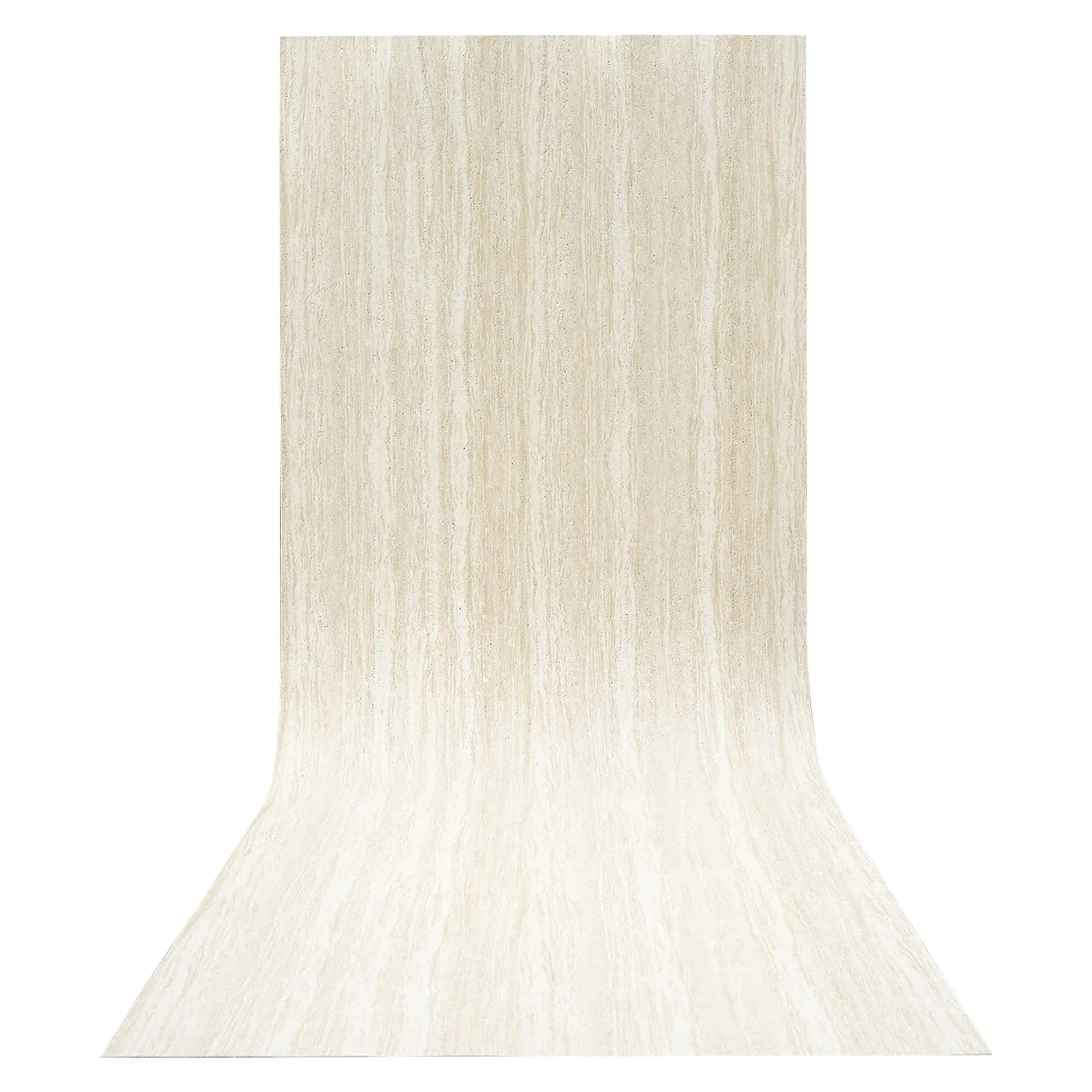
But MCM Wood Line isn't just about being "green"—it's about being human. Designers often lament that eco-friendly materials feel cold or synthetic, lacking the soul of natural wood. MCM flips that script. Run your hand over a wood grain board , and you'll feel the slight ridges and valleys of the replicated grain, just like you would with real wood. Step onto bamboo mat board , and the pattern evokes the soft crunch of bamboo leaves underfoot. These details aren't accidents; they're intentional, designed to trigger the same emotional responses as natural wood—comfort, nostalgia, calm—without the guilt.
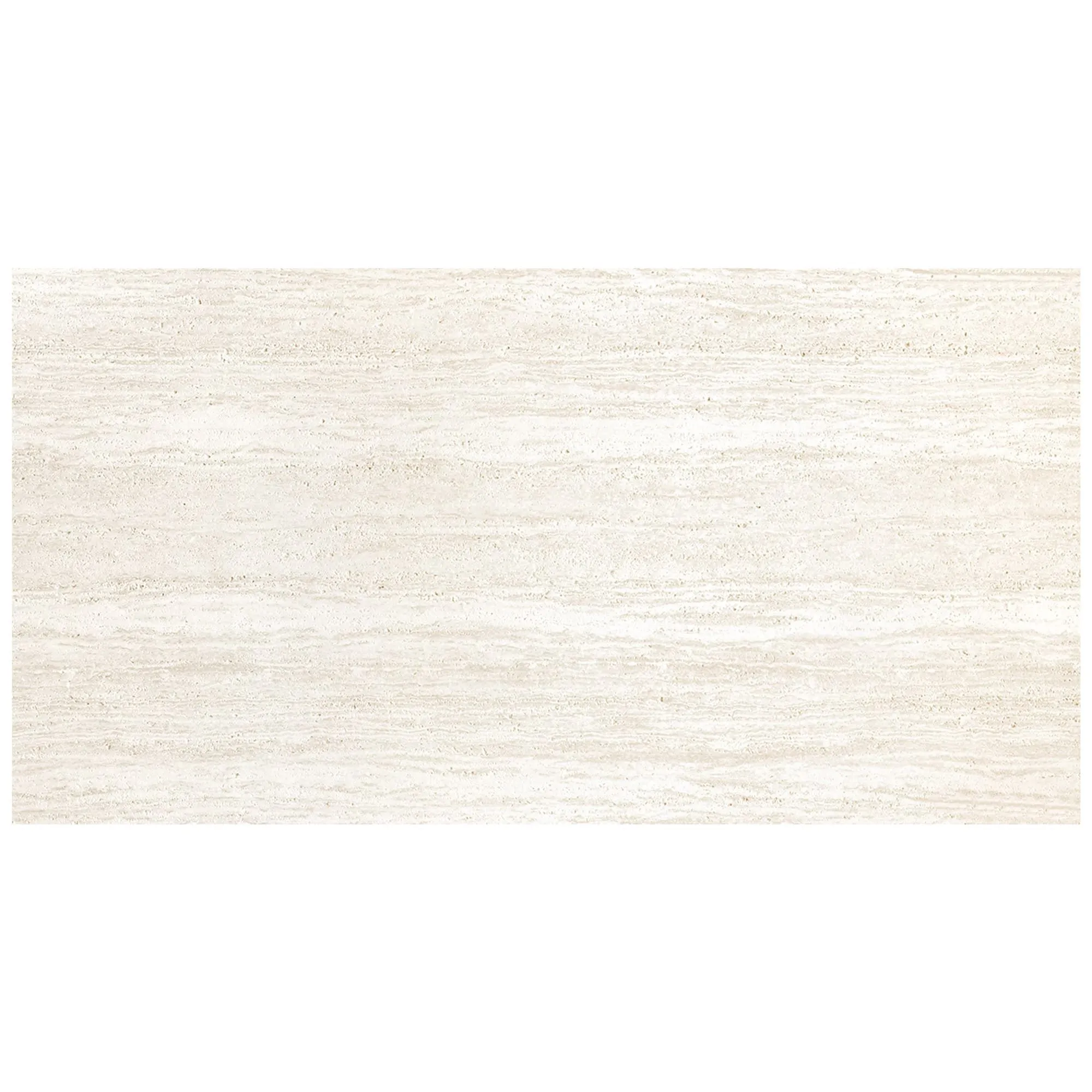
While MCM Wood Line is the star of the show, it's part of a larger ecosystem of sustainable materials that cater to every design vision. Let's meet a few of its siblings, each bringing unique flair while staying true to the "no deforestation" promise:
Fair-Faced Concrete : Concrete gets a bad rap for being industrial and stark, but MCM's fair-faced concrete is a revelation. With its smooth, matte finish and subtle color variations, it adds a modern, earthy vibe to spaces—think minimalist lofts or outdoor patios. Best of all, it uses recycled aggregates in its mix, reducing the need for virgin stone mining. It's the perfect choice for designers who want "raw" beauty without the environmental raw deal.
Bamboo Mat Board : Bamboo is often touted as a sustainable alternative to wood because it grows quickly, but even bamboo farming can lead to monocultures that harm local ecosystems. MCM's bamboo mat board skips the farm altogether, using recycled bamboo fibers and plant-based resins to create a material that looks and feels like woven bamboo. It's light, flexible, and ideal for wall panels, room dividers, or even furniture, bringing a touch of Zen to any space.
Wood Grain Board : If you've ever fallen for the rich, swirling patterns of walnut or the straight lines of pine, this one's for you. MCM's wood grain board uses advanced 3D printing technology (part of the MCM 3D printing series ) to replicate the unique grain patterns of different woods with stunning accuracy. Whether you're going for a rustic cabin feel or a sleek modern look, there's a wood grain option that fits—no two boards are exactly alike, just like real wood.
You might be thinking, "But what about FSC-certified wood? Isn't that sustainable?" While FSC (Forest Stewardship Council) certification helps, it's not a silver bullet. Certifications can be hard to verify, and even responsibly logged wood still requires cutting down trees, which take decades to regrow. MCM Wood Line, by contrast, starts with waste—agricultural byproducts like rice husks or coconut fibers that would otherwise end up in landfills. By upcycling these materials, it turns "trash" into treasure, reducing both waste and the need for new resource extraction.
To put it in perspective, let's compare MCM Wood Line to traditional hardwood and even some "eco-friendly" alternatives:
| Feature | MCM Wood Line (e.g., Wood Grain Board) | Traditional Hardwood (Oak/Walnut) | Eco-Friendly Edge |
|---|---|---|---|
| Raw Material Source | Recycled agricultural fibers, mineral powders, eco-resins | Live trees (often from old-growth forests) | MCM uses waste; hardwood requires deforestation |
| Production Energy Use | Low-energy manufacturing (30% less than hardwood) | High energy for logging, transportation, and processing | Reduced carbon emissions during production |
| Durability | Resists warping, rot, and pests (lasts 25+ years) | Prone to water damage, termites, and wear (15–20 years with care) | MCM outlasts hardwood, reducing replacement needs |
| Maintenance | No sealing, staining, or refinishing required | Needs annual sealing/staining; sanding every 5–7 years | Less time, money, and chemicals spent on upkeep |
| Carbon Footprint | 70% lower than hardwood (due to recycled inputs and low energy use) | High (logging releases stored carbon; transportation adds emissions) | Actively reduces greenhouse gas emissions |
The numbers speak for themselves: MCM Wood Line isn't just "less bad" than traditional wood—it's actively good, turning waste into a resource and proving that sustainability can be durable, beautiful, and even low-maintenance.
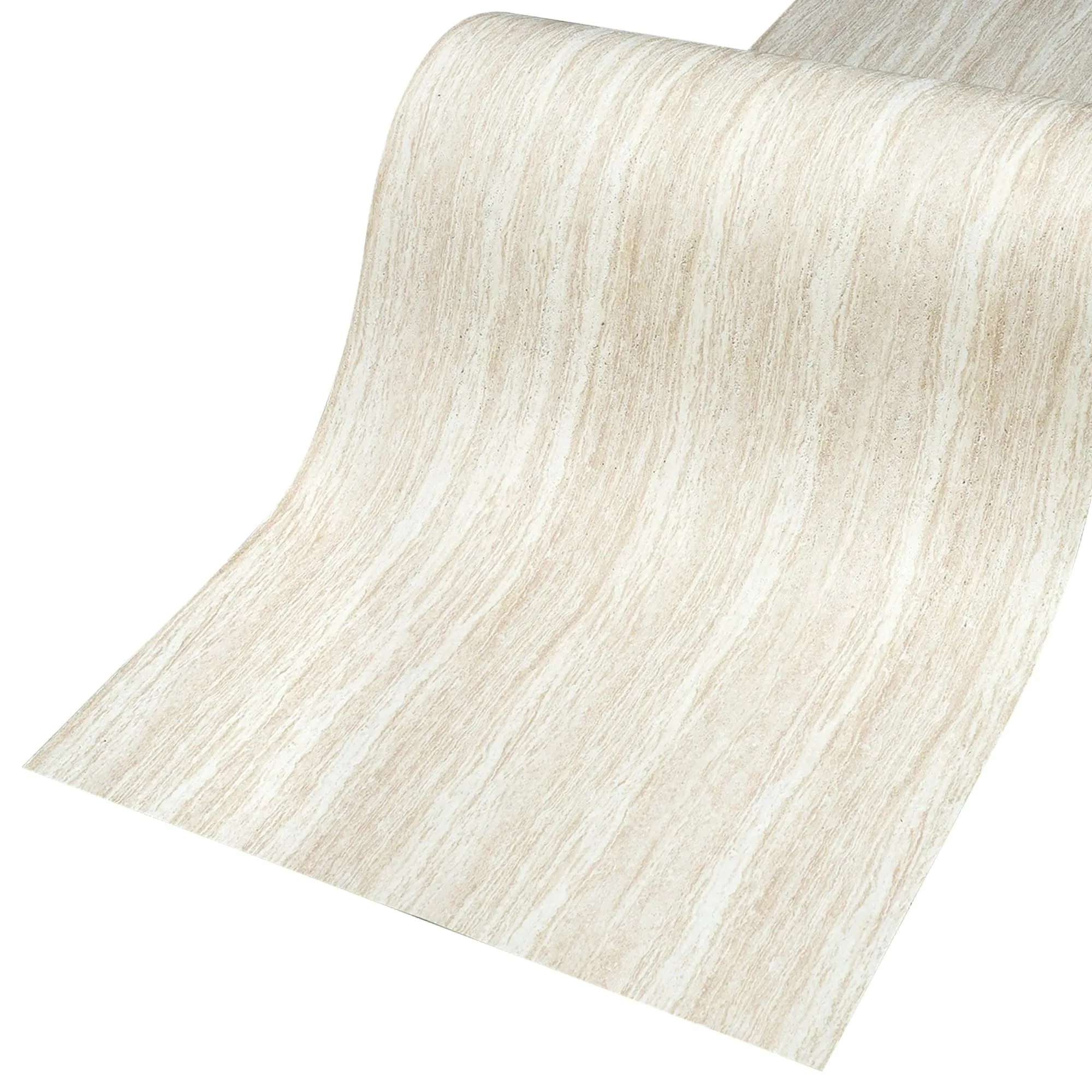
Design is about more than aesthetics; it's about how spaces make us feel. Think about the last time you walked into a room with fake wood paneling from the 70s—it probably felt cold, cheap, and inauthentic. MCM Wood Line, by contrast, doesn't just look real; it feels real. That's because the designers behind it didn't just focus on visual replication—they prioritized texture, weight, and even sound. Tap a wood grain board , and it makes a warm, muted thud, not the hollow clatter of plastic. Run your fingers over bamboo mat board , and you'll feel the gentle weave, just like a real bamboo mat.
This attention to detail matters because it bridges the gap between sustainability and comfort. For homeowners, it means not having to sacrifice the cozy, "lived-in" feel of wood for a "green" choice. For businesses, it means creating spaces that customers love—like a café with wood grain board walls that feels like a mountain cabin, or a boutique with bamboo mat board shelves that exudes calm—without alienating eco-conscious patrons.
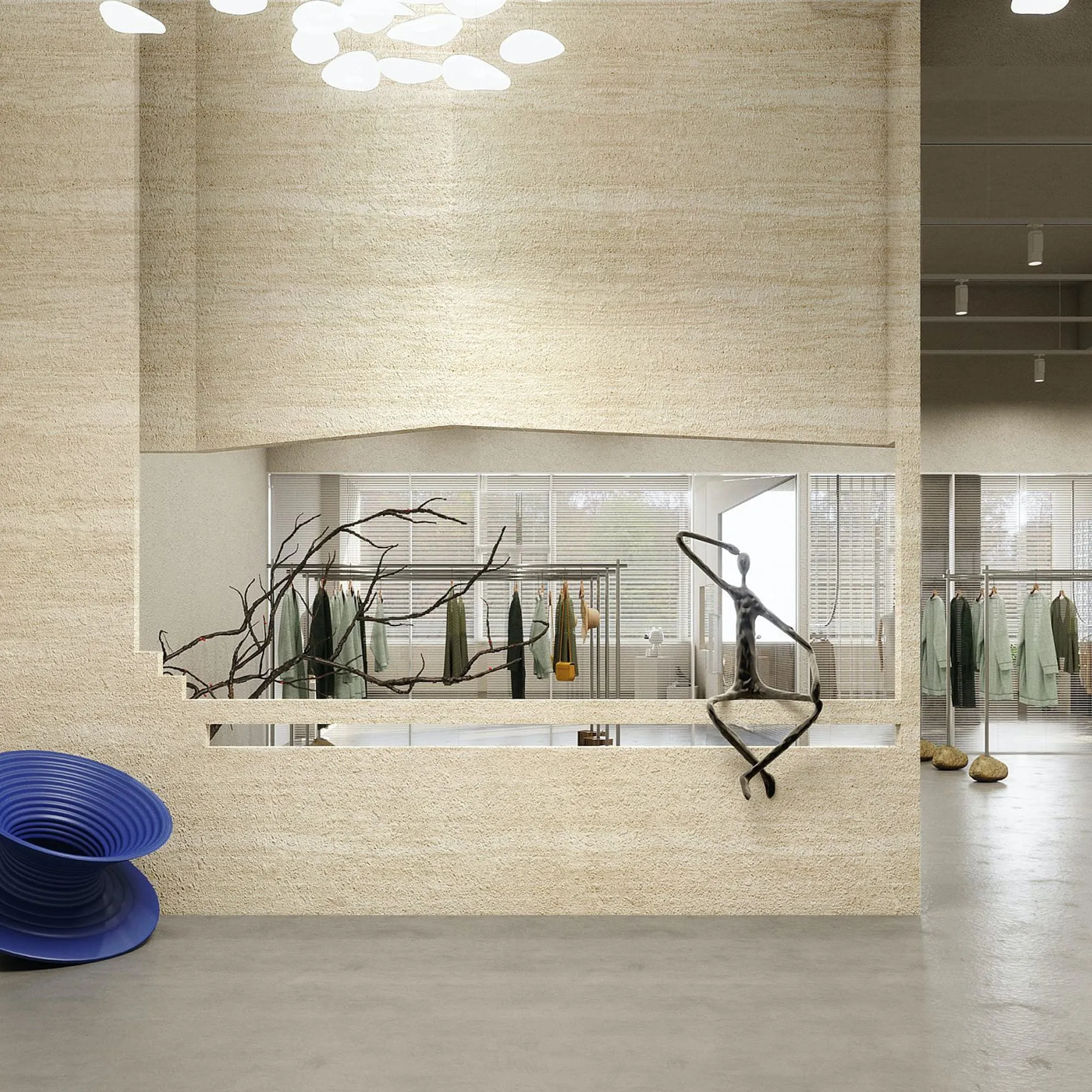
MCM Wood Line isn't just for residential spaces—it's making waves in commercial and public design too. Here are a few examples of how it's being used to transform spaces:
Residential Design : Imagine a family in Seattle wanting a cabin-inspired home but refusing to use cedar (a local favorite that's often overharvested). With MCM's wood grain board, they can panel their walls and ceilings to look like rough-hewn cedar, complete with knots and grain variations, without contributing to deforestation. Add bamboo mat board accents in the bathroom, and suddenly the space feels warm, natural, and guilt-free.
Commercial Spaces : A coffee shop in Brooklyn wanted to create a "rustic chic" vibe but was constrained by a tight budget and eco-friendly mission. They opted for wood grain board on the walls and fair-faced concrete countertops (another MCM standout) for a look that's equal parts trendy and timeless. Customers rave about the "cozy" atmosphere, and the owners love that they're saving money on maintenance—no need to seal the wood grain board every year, even with daily foot traffic.
Public Spaces : Parks, libraries, and community centers are also embracing MCM Wood Line. A public library in Austin recently renovated its children's section using wood grain board for the bookshelves, creating a space that feels like a treehouse—perfect for sparking kids' imaginations. Since MCM is durable and easy to clean, it's holding up to sticky fingers and frequent use, proving that eco-friendly materials can be tough too.
While MCM Wood Line is a standout, the MCM family has other eco-friendly stars worth mentioning. Fair-faced concrete , for example, is a sleek, minimalist option that uses recycled aggregates and requires less water to produce than traditional concrete. It's perfect for modern spaces that want an industrial edge without the environmental impact of steel or regular concrete.
Then there's foamed aluminium alloy board (vintage silver) , which adds a touch of metallic elegance to facades or accent walls. Made from recycled aluminum, it's lightweight, corrosion-resistant, and 100% recyclable at the end of its life. And for those who love the look of stone, MCM flexible stone offers the beauty of marble or granite in thin, lightweight panels that are easier to install and transport—reducing fuel use and labor costs.
As the world grapples with climate change, the demand for sustainable building materials will only grow. MCM Wood Line isn't just a product; it's a sign of what's possible when innovation meets empathy. By reimagining waste as a resource, prioritizing durability, and focusing on the emotional needs of users, it's setting a new standard for the industry.
But the real power of MCM Wood Line lies in its accessibility. It's not a niche product for luxury homes or high-end boutiques; it's priced competitively with mid-range hardwoods, making it an option for everyday homeowners and small businesses. That means its impact can scale—every café, home, or school that chooses MCM over traditional wood is a step toward healthier forests, cleaner air, and a planet that can keep telling its stories for generations to come.
Wood has always been a symbol of life, growth, and resilience. With MCM Wood Line, we can keep that symbolism alive—without sacrificing the forests that make it meaningful. Whether you're a designer, a homeowner, or just someone who cares about the planet, this line offers something radical: the chance to have your wood and save the forest too. So the next time you're planning a renovation or a new build, ask yourself: What if beauty didn't have to cost the Earth? With MCM Wood Line, it doesn't.
Recommend Products












