
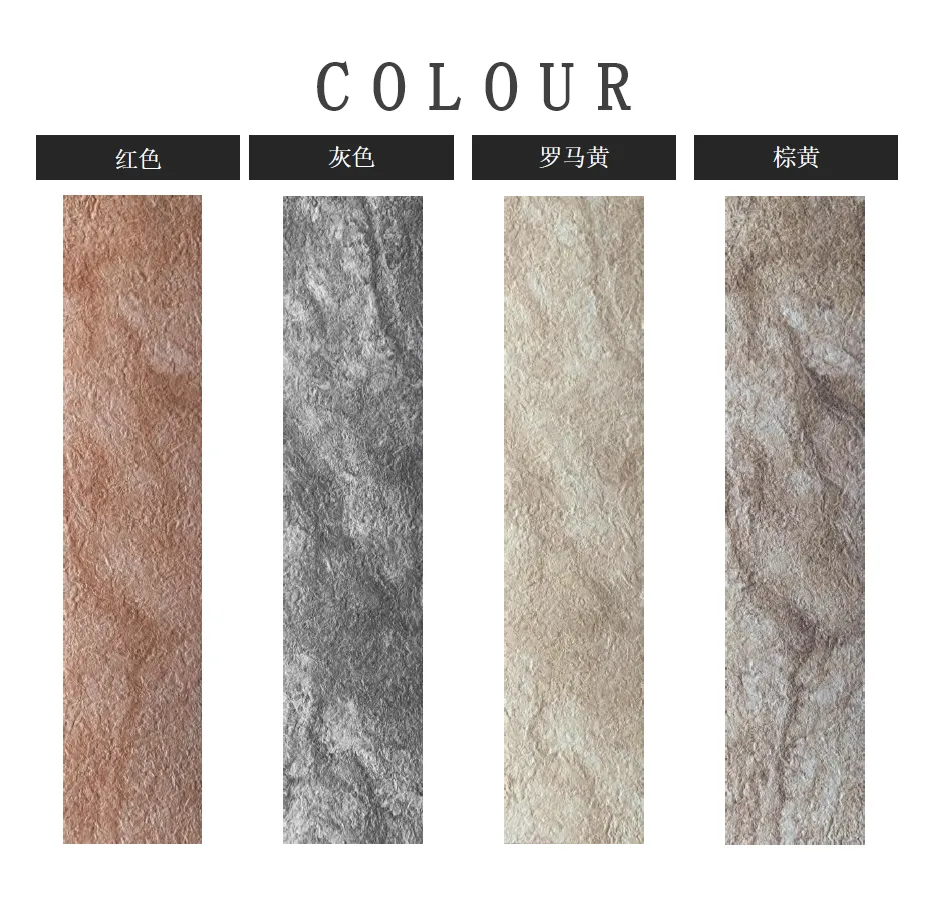
Let's talk about stone—specifically, the kind that shapes our buildings, lines our streets, and defines the character of our cities. For centuries, natural stone like rock cut dolomitic stone has been a go-to for architects and builders. It's durable, it's beautiful, and it feels timeless. But here's the thing: extracting and using that stone comes with a hidden cost—one that's been quietly adding up for decades, and it's time we started paying attention.
Rock cut dolomitic stone, with its rich, earthy tones and rugged texture, is a staple in construction. Quarries dig deep into the earth to extract massive blocks, which are then cut, shaped, and transported to job sites. Sounds straightforward, right? But let's peel back the layers. First, there's the land itself. Quarrying tears up ecosystems, displacing wildlife and disrupting soil stability. In some cases, it even contributes to deforestation, as trees are cleared to make way for heavy machinery.
Then there's the energy use. Cutting and processing natural stone requires enormous amounts of electricity—think industrial saws, crushers, and polishers running around the clock. And let's not forget transportation. A single slab of dolomitic stone can weigh hundreds of pounds, meaning trucks guzzle fuel to move it from quarry to factory to construction site. The result? A carbon footprint that's surprisingly large for a material we often think of as "natural."
Waste is another issue. For every usable slab of stone, there's a pile of discarded rock and dust left behind in quarries. These waste heaps don't just look unsightly—they can leach chemicals into soil and water, harming local communities and wildlife. And once the stone is installed, if it cracks or needs replacing, it's rarely recycled. Most often, it ends up in landfills, where it sits for decades, taking up space that could be used for organic waste or renewable materials.
The truth is, as our planet faces the urgent challenges of climate change and resource depletion, clinging to traditional stone extraction feels less like a choice and more like a habit—one we can't afford to keep. So what's the alternative? Enter MCM: Modified Composite Material. It's not just a new type of building material; it's a rethink of how we approach construction, blending sustainability with the beauty and functionality we love about natural stone.
Let's start with the basics. MCM stands for Modified Composite Material, and if you haven't heard of it yet, you will soon. At its core, MCM is a blend of recycled minerals, polymers, and natural fibers, engineered to mimic the look and feel of traditional stone—without the environmental baggage. Think of it as stone's smarter, lighter, more eco-friendly cousin.
Here's how it works: instead of mining new rock, MCM manufacturers use recycled materials like crushed stone dust, glass, and even post-consumer plastics. These materials are mixed with a lightweight polymer binder, then pressed into thin, flexible sheets or large slabs. The result? A material that's up to 80% lighter than natural stone, but just as durable. It can be cut, shaped, and installed like traditional stone, but with a fraction of the environmental impact.
But MCM isn't just about sustainability—it's about versatility. Want the rustic charm of rock cut dolomitic stone? There's an MCM panel for that. Craving the sleek look of marble or the industrial edge of concrete? MCM can do that too. And because it's a composite, manufacturers can tweak colors, textures, and finishes to create almost any aesthetic, from vintage silver foamed aluminium to the metallic sheen of Lunar Peak Silvery. It's like having a paintbox of building materials, minus the guilt.
Let's get into the nitty-gritty of why MCM is a game-changer for sustainability. It's not just marketing hype—there are tangible, measurable benefits that set it apart from traditional stone. Let's break them down.
Traditional stone extraction is a resource-hungry process, relying on finite reserves of dolomite, granite, and marble. MCM flips that script by using recycled materials as its base. By repurposing stone dust from quarries (which would otherwise go to waste) and adding recycled polymers, MCM reduces the need for new mining. In fact, some MCM products contain up to 60% recycled content, turning waste into something useful instead of letting it pile up in landfills.
And because MCM is manufactured in controlled facilities, there's no need to dig massive quarries or disrupt natural habitats. That means forests stay standing, rivers stay clean, and wildlife keeps their homes. It's a small shift, but multiplied across thousands of construction projects, it adds up to a big win for biodiversity.
Remember how heavy traditional stone is? That weight doesn't just make installation harder—it drives up energy use at every stage. MCM, being 80% lighter, changes the game. Let's do a quick thought experiment: a typical 10-story building using traditional stone cladding might require hundreds of truckloads of material. With MCM, that number drops dramatically. Fewer trucks mean less fuel burned, and fewer carbon emissions released into the atmosphere.
Manufacturing MCM is also more energy-efficient than processing natural stone. Since the composite materials are already in a fine, workable form, they require less heat and pressure to mold into panels. Some manufacturers even power their facilities with renewable energy, further slashing the carbon footprint. The result? Studies suggest MCM can reduce the total energy use of a construction project by up to 30% compared to traditional stone.
Sustainability isn't just about what a material is made of—it's about how long it lasts. A product that needs constant replacement is never truly green, no matter how eco-friendly its production. MCM scores big here: it's designed to withstand the elements, from extreme temperatures to heavy rain and UV radiation. Unlike natural stone, which can crack or fade over time, MCM panels are resistant to chipping, warping, and discoloration.
What does that mean in real terms? A building clad in MCM could go decades without needing repairs or replacement, reducing the demand for new materials and the waste that comes with them. It's a "buy once, use forever" approach that aligns with the circular economy—something we all need to strive for in a world of finite resources.
Quarries generate tons of waste every year—rock dust, broken slabs, and offcuts that can't be used. MCM turns that waste into a resource, but it also minimizes waste during production. Because MCM panels are precision-engineered in factories, there's little to no material left over during manufacturing. Compare that to traditional stone cutting, where up to 30% of a quarry block can end up as waste before it even leaves the factory.
Installation waste is another area where MCM shines. Its lightweight, flexible nature makes it easier to handle, reducing the risk of breakage during transport and installation. And if a panel does get damaged? It can often be repaired on-site, or replaced with minimal fuss—no need to haul away heavy debris or order a whole new slab.
Enough about the "why"—let's talk about the "what." MCM isn't a one-size-fits-all material; it comes in a dizzying array of styles, textures, and colors, each designed to replace a traditional stone or metal while upping the sustainability ante. Here are a few standout products that are making waves in the construction world:
If you love the look of natural stone but hate the weight and waste, MCM Flexible Stone is your answer. These thin, bendable panels mimic the texture of everything from rough granite to smooth travertine, but at a fraction of the thickness—usually just 3-5mm. That flexibility makes them perfect for curved surfaces, accent walls, or tight spaces where traditional stone would be too bulky. Imagine wrapping a column in the warm, earthy tones of dolomitic travertine (claybank) without worrying about the structural load—MCM Flexible Stone makes it possible.
And because it's so lightweight, installation is a breeze. No need for heavy machinery or reinforced framing; just glue or screw the panels into place. It's a time-saver for contractors and a budget-saver for project managers, all while cutting carbon emissions from transportation and installation.
For large-scale projects—think shopping malls, office buildings, or airport terminals—the MCM Big Slab Board Series is a game-changer. These extra-large panels (some up to 12 feet long) cover more surface area with fewer seams, creating a sleek, modern look that's hard to achieve with traditional stone. And because they're made from MCM, they're light enough to install on high-rise exteriors without adding excessive weight to the building's structure.
Take, for example, the Lunar Peak Silvery variant. With its metallic, moon-like sheen, it mimics the look of polished silver stone, but without the environmental cost of mining and refining metal. It's a statement material that says "luxury" without shouting "unsustainable."
Industrial and vintage aesthetics are trending in design, and the Foamed Aluminium Alloy Board (Vintage Silver) leans into that vibe—responsibly. This MCM product mimics the look of aged aluminium, with a weathered, slightly tarnished finish that adds character to any space. But unlike real aluminium, which requires energy-intensive mining and smelting, this board is made with recycled aluminium and a lightweight foam core, cutting its carbon footprint by up to 50%.
It's perfect for accent walls in restaurants, cafes, or retail spaces, where the vintage silver finish adds warmth and nostalgia. And because it's fire-resistant and moisture-proof, it's as practical as it is pretty—no need to sacrifice durability for style.
If you want to add a touch of drama to a project, look no further than Lunar Peak Silvery. This MCM panel has a metallic, almost iridescent finish that shimmers like moonlight on water, making it a favorite for feature walls and facades. But here's the kicker: that "metallic" look comes from recycled glass particles mixed into the composite, not newly mined metals. It's a reminder that sustainability doesn't mean boring—you can have bold, eye-catching design and still do right by the planet.
Still on the fence? Let's put MCM and traditional rock cut dolomitic stone head-to-head in a table. The numbers speak for themselves:
| Factor | Traditional Rock Cut Dolomitic Stone | MCM Flexible Stone |
|---|---|---|
| Carbon Footprint (per sq. ft.) | High (mining, transport, processing) | Up to 70% lower (recycled materials, lightweight) |
| Weight (per sq. ft.) | 30-50 lbs. | 5-8 lbs. |
| Raw Material Use | 100% virgin stone | Up to 60% recycled content |
| Waste During Production | 20-30% of extracted stone | Less than 5% waste |
| Durability | High, but prone to cracking | High, with better impact resistance |
| Installation Energy Use | High (requires heavy machinery) | Low (lightweight, easy to handle) |
Talk is cheap—let's look at some real projects where MCM has made a difference. Take the GreenWave Office Tower in downtown Portland, Oregon. Designed to be LEED Platinum certified, the building's exterior is clad in MCM Big Slab Board Series panels in Lunar Peak Silvery. The architects wanted a modern, metallic look without the weight of real metal panels, and MCM delivered. The result? A building that uses 40% less energy than a traditional stone-clad tower, thanks to MCM's insulating properties and reduced transportation emissions.
Closer to home, the Rustic Roots Café in Boulder, Colorado, opted for MCM Flexible Stone in dolomitic travertine (dark grey) for its interior walls. The owner wanted the cozy, cabin-like feel of natural stone, but was committed to sustainability. MCM panels gave them the texture and color they wanted, with the added bonus of quick installation—meaning the café opened two weeks earlier than planned, and with a carbon footprint 50% lower than if they'd used real stone.
These projects prove that MCM isn't just a theoretical solution—it's a practical, scalable one. It works for large commercial buildings and small local businesses alike, proving that sustainability doesn't have to be a luxury reserved for big budgets.
As we look ahead, it's clear that the construction industry is at a crossroads. The demand for new buildings is growing, but so is the urgency to reduce our environmental impact. MCM isn't the only solution, but it's a critical piece of the puzzle—a material that shows we don't have to choose between beauty and sustainability.
What's next for MCM? Manufacturers are already experimenting with even higher recycled content, including incorporating agricultural waste like rice husks and hemp fibers. There's also a push to make MCM fully recyclable at the end of its lifespan, closing the loop and creating a truly circular material. Imagine a world where your building's cladding can be ground up and turned into new panels, over and over again—no waste, no mining, just endless reuse.
Policy is also playing a role. Governments around the world are starting to offer incentives for green construction, from tax breaks to faster permitting for projects that use sustainable materials like MCM. And consumers are demanding change too—homeowners and businesses alike are asking for eco-friendly options, and architects are listening. It's a shift that's gaining momentum, and MCM is right at the forefront.
At the end of the day, choosing MCM over traditional rock cut dolomitic stone isn't just about picking a building material. It's about voting with your dollars for a more sustainable future. It's about recognizing that every choice we make—from the panels on our walls to the floors under our feet—has an impact, and that impact ripples out to our communities, our planet, and future generations.
Rock cut dolomitic stone has served us well, but it's time to evolve. MCM offers us a way to honor the beauty of natural materials while respecting the limits of our planet. It's a reminder that sustainability and style can coexist—that we don't have to sacrifice one for the other.
So the next time you walk past a building with stunning stone cladding, take a second look. Maybe it's MCM. Maybe it's a sign that the construction industry is finally growing up, one panel at a time. And maybe, just maybe, it's a glimpse of a future where our buildings are as kind to the Earth as they are beautiful to look at.
Recommend Products












