
There's something almost magical about wood. It's the way sunlight filters through a wooden lattice, casting dappled shadows on a kitchen floor. It's the creak of an old wooden staircase that feels like a whispered story from the past. For centuries, we've turned to wood to build our homes, our offices, our sanctuaries—drawn to its warmth, its character, its ability to make even the coldest spaces feel like home. But here's the hard truth: our love affair with wood has a cost. Deforestation, habitat loss, and the slow growth of ancient timber mean that every tree we cut down is a piece of our planet's history we might never get back. What if there was a way to keep that "wooden soul" in our spaces without sacrificing the forests we need to protect? Enter MCM—the game-changer that's redefining sustainable design, one innovative material at a time.
MCM, or Modified Composite Material, isn't just another building product. It's a response to a crisis we all feel: the desire to create beautiful, meaningful spaces while being kind to the Earth. Think of it as design with a conscience—materials engineered to mimic the textures, colors, and even the "feel" of wood (and other natural elements) but made from recycled, renewable, or low-impact resources. What makes MCM special? It doesn't just look like the real thing; it performs better. Resistant to moisture, fire, and wear, it lasts longer than traditional wood, meaning fewer replacements and less waste over time. And best of all? It lets us hold onto that emotional connection we have with natural materials—without the guilt.
Let's dive into some of MCM's most captivating offerings—materials that prove going green doesn't mean compromising on style. Each one has a unique personality, designed to fit the way we live, work, and dream about our spaces.
MCM Flexible Stone : Imagine running your hand over a wall and feeling the rough, tactile texture of stone that bends like fabric. That's MCM Flexible Stone. Made from recycled stone particles and a eco-friendly resin, it's lightweight, flexible, and stunningly realistic. Whether you're going for the look of weathered barn wood or smooth, polished teak, this material adapts—curving around corners, clinging to curved surfaces, and bringing depth to any room. It's perfect for accent walls in a living room or a statement backsplash in a kitchen, adding that "wow" factor without a single tree cut down.
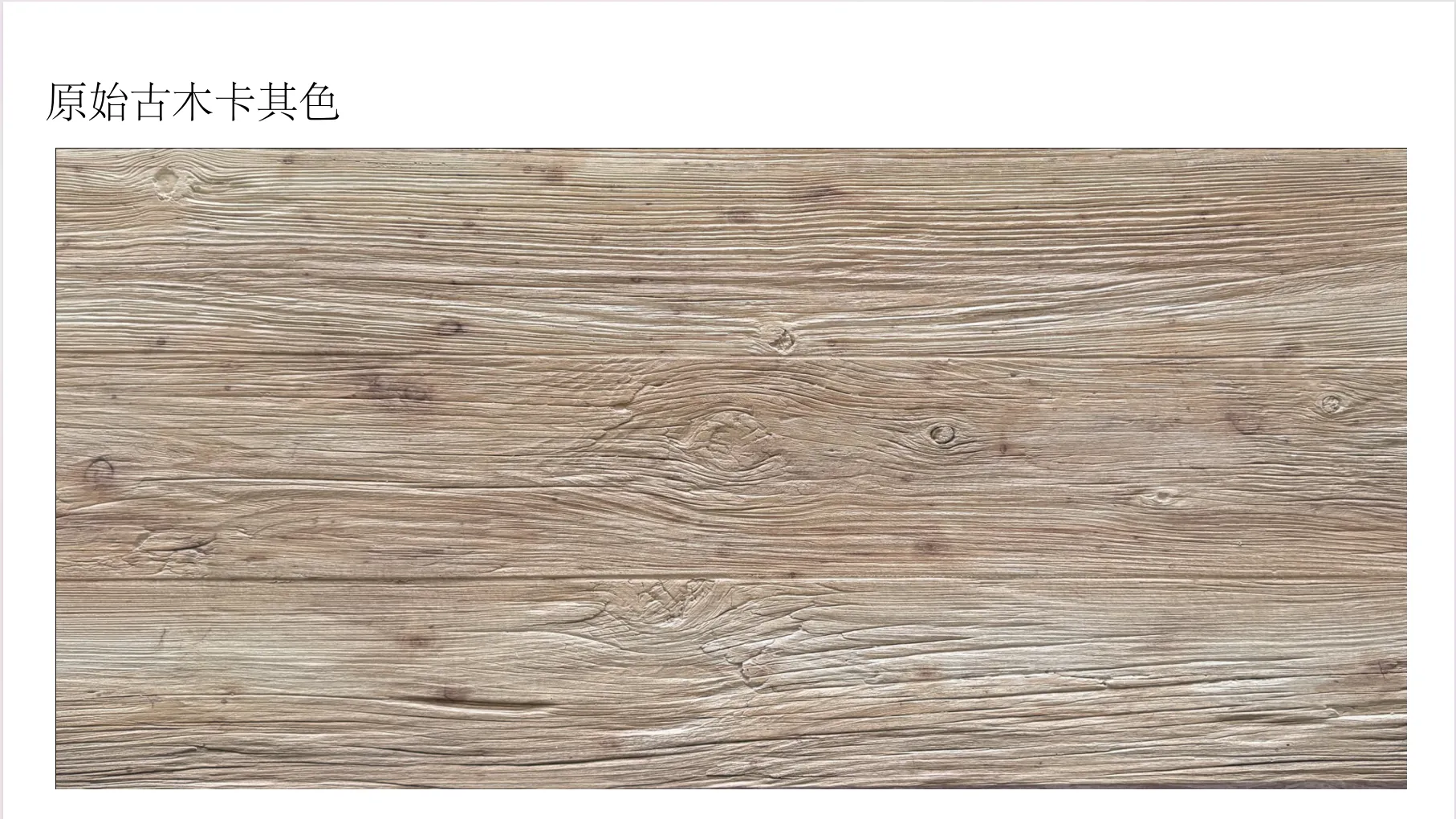
Wood Concrete Board : Ever wished you could have the charm of reclaimed wood in a bathroom or outdoor patio without worrying about rot or warping? Wood Concrete Board is your answer. Blending wood fibers with high-strength concrete, it looks just like aged wood—complete with knots, grains, and that soft, weathered hue— but it's tough enough to stand up to rain, humidity, and even the occasional spill. I recently visited a café that used this for their outdoor seating area, and you'd never guess it wasn't real wood. Kids were climbing on the benches, rain was pouring down, and the boards still looked as warm and inviting as the day they were installed. It's the best of both worlds: the soul of wood, the resilience of concrete.
Bamboo Mat Board : Bamboo has long been hailed as a sustainable superstar, and for good reason—it grows back in just 3-5 years, compared to decades for hardwood trees. MCM's Bamboo Mat Board takes that sustainability and turns it into something truly beautiful. The mat-like texture adds a layer of depth, like a handwoven tapestry for your walls or furniture. Picture a bedroom with bamboo mat board headboard: the soft, golden tones evoke a tropical retreat, but you can rest easy knowing no old-growth forests were touched. It's nature's fastest-growing gift, wrapped up in a design that feels both timeless and fresh.
Foamed Aluminium Alloy Board (Vintage Silver) : For spaces that crave a modern, industrial vibe, this one's a showstopper. Foamed aluminium alloy is lightweight, 100% recyclable, and has a unique, airy structure that makes it perfect for walls, ceilings, or even furniture. The vintage silver finish? It mimics the patina of aged metal that's been loved for years, with a hint of warmth that softens the industrial edge. I saw this used in a co-working space last month, paired with warm lighting, and it felt like stepping into a space that respected the past while leaning into the future. No rust, no maintenance, no harm to the planet—just sleek, sustainable style.
Fair-Faced Concrete : Concrete might not sound "cozy," but hear me out. Fair-faced concrete is concrete in its most natural form—unpainted, unpolished, with all its raw, earthy texture on display. It looks like stone that's been carved by time, with subtle variations in color and grain that echo the organic patterns of wood. What's eco about it? It requires minimal processing, uses locally sourced materials, and has a low carbon footprint compared to traditional concrete mixes. I visited a home where the living room walls were clad in fair-faced concrete, and paired with wooden (MCM wooden!) furniture, it felt like a cabin in the woods—minus the felled trees. It's proof that "sustainable" can also mean "serenely beautiful."
Choosing MCM isn't just about checking a "sustainable" box on a design list. It's about building spaces that last—for us, for our kids, for the generations after. Here's why these materials are a win for everyone:
Don't just take my word for it—MCM is already transforming spaces around the world. Take the small café in Portland, Oregon, that used wood concrete board for their countertops and bamboo mat board for their accent walls. Customers rave about the "rustic charm," never realizing the materials are eco-friendly. Then there's the family in Vermont who replaced their rotting wooden siding with MCM flexible stone in a warm, oak-like finish. Now their home withstands harsh winters, and they sleep better knowing they didn't contribute to deforestation. And in Tokyo, a trendy boutique used foamed aluminium alloy board (vintage silver) for their façade, turning heads with its modern look while keeping their carbon footprint tiny.
These aren't just buildings—they're testaments to a new way of thinking: that design can be both beautiful and responsible. That we can have spaces that feel "lived in," "cozy," or "grand" without taking more than we give back.
At the end of the day, MCM is about more than materials. It's about hope. Hope that we can keep creating spaces that nurture us, inspire us, and tell our stories—without costing the Earth. It's about remembering that the "warmth" of a room isn't just in the wood; it's in the love we put into designing it, the care we take to protect our planet, and the joy we feel when we walk through the door. So the next time you're planning a renovation, a new build, or just daydreaming about your ideal space, think about MCM. Think about the forests we can save, the resources we can preserve, and the beauty we can still create. After all, the best designs aren't just built for today—they're built for the future.
Recommend Products












