
Blending Aesthetics, Durability, and Eco-Conscious Design for the Buildings of Tomorrow
In recent years, the architecture world has undergone a quiet revolution. No longer is "sustainability" just a buzzword tossed around in design meetings—it's become the backbone of how we build, live, and interact with our environment. Today's architects and builders aren't just creating structures; they're crafting spaces that respect the planet, reduce carbon footprints, and enhance the well-being of those who inhabit them. At the heart of this movement lies a critical question: How do we balance beauty with responsibility? How do we create buildings that turn heads *and* earn green certifications?
Enter Modified Composite Material (MCM) —a category of building materials that's redefining what's possible in sustainable design. Lightweight, durable, and infinitely customizable, MCM has quickly become a favorite among eco-conscious designers. And within this family, one material stands out for its ability to marry timeless elegance with cutting-edge sustainability: Slate Veil White MCM . Let's dive into how this material, alongside complementary options like fair-faced concrete and foamed aluminium alloy, is shaping the future of green building—one LEED-certified project at a time.
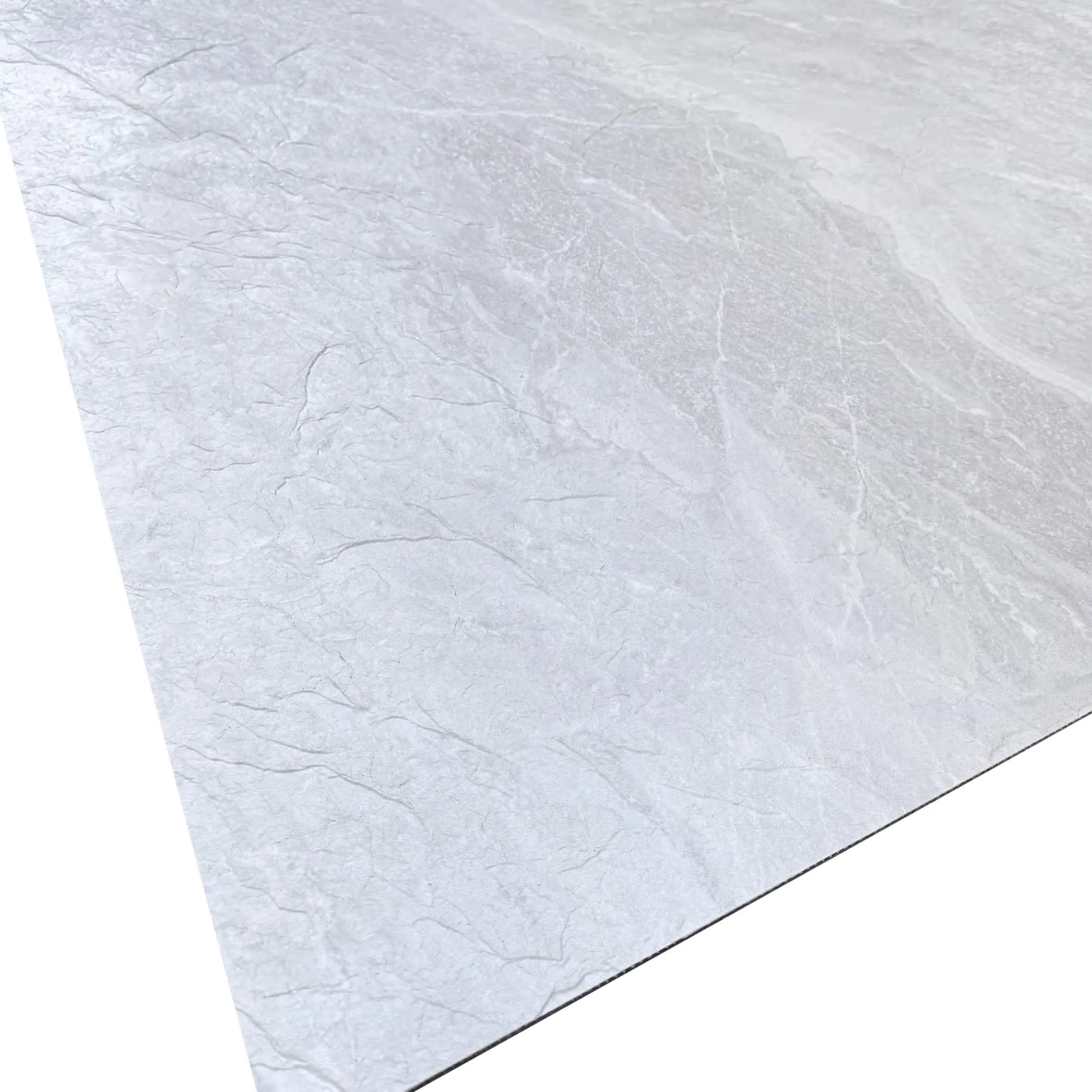
Before we zoom in on Slate Veil White, let's get clear on what MCM is—and why it matters. Short for Modified Composite Material, MCM is a hybrid material engineered to mimic the look and texture of natural stone, wood, or metal, but with far less environmental impact. Unlike traditional materials, which often require intensive mining, quarrying, or processing, MCM is typically made by bonding a thin layer of natural or recycled materials to a lightweight substrate (like aluminum or fiberglass). The result? A product that's 70-80% lighter than solid stone, highly resistant to weathering, and designed to last for decades with minimal maintenance.
But MCM's sustainability credentials go beyond weight. Many MCM products, including Slate Veil White, incorporate recycled content—think reclaimed stone dust, post-industrial plastics, or repurposed metals—reducing the need for virgin resources. They're also often manufactured locally, cutting down on transportation emissions, and designed for easy installation, which slashes on-site waste. For architects chasing LEED certification—the most widely recognized green building rating system globally—these features aren't just perks; they're pathway to earning critical points.
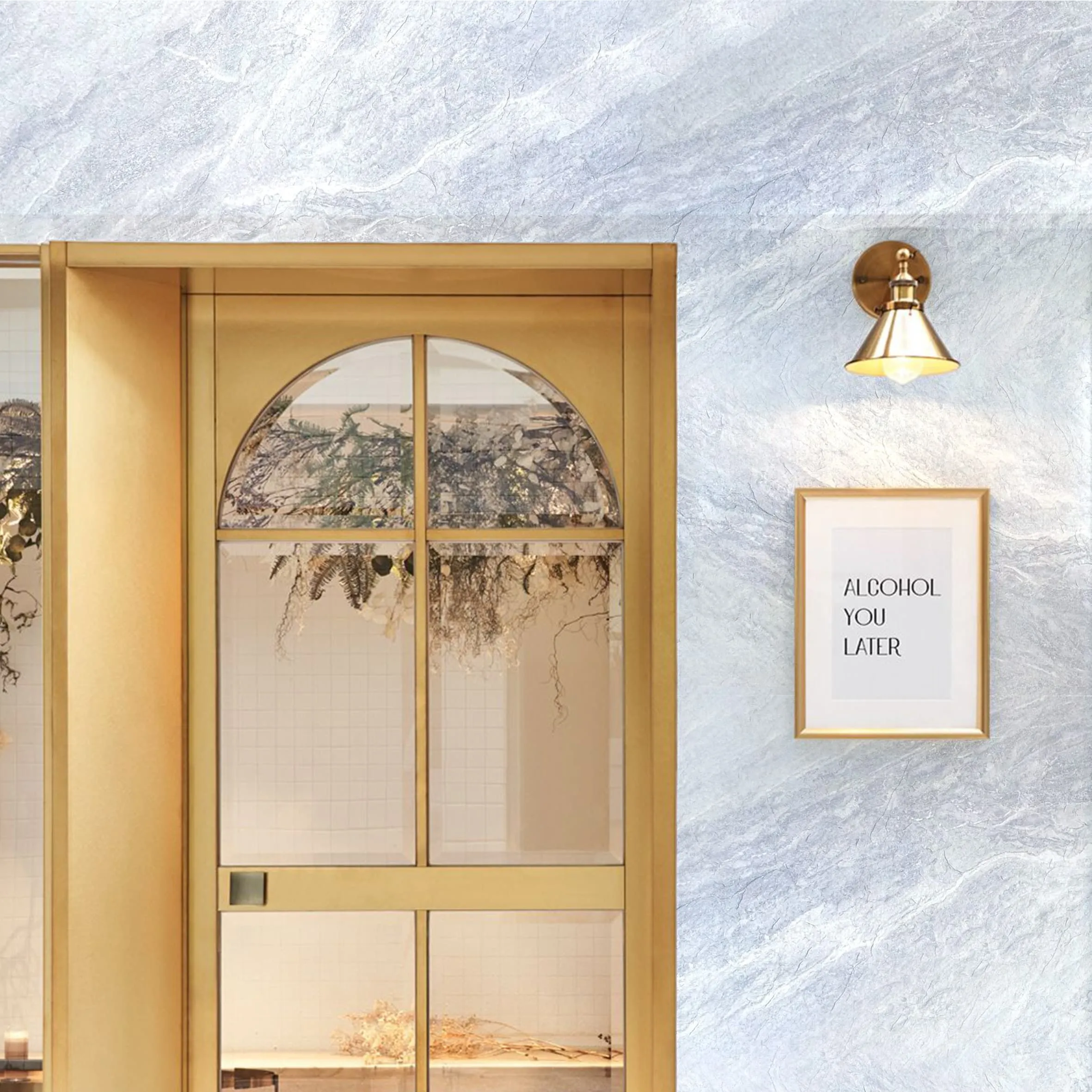
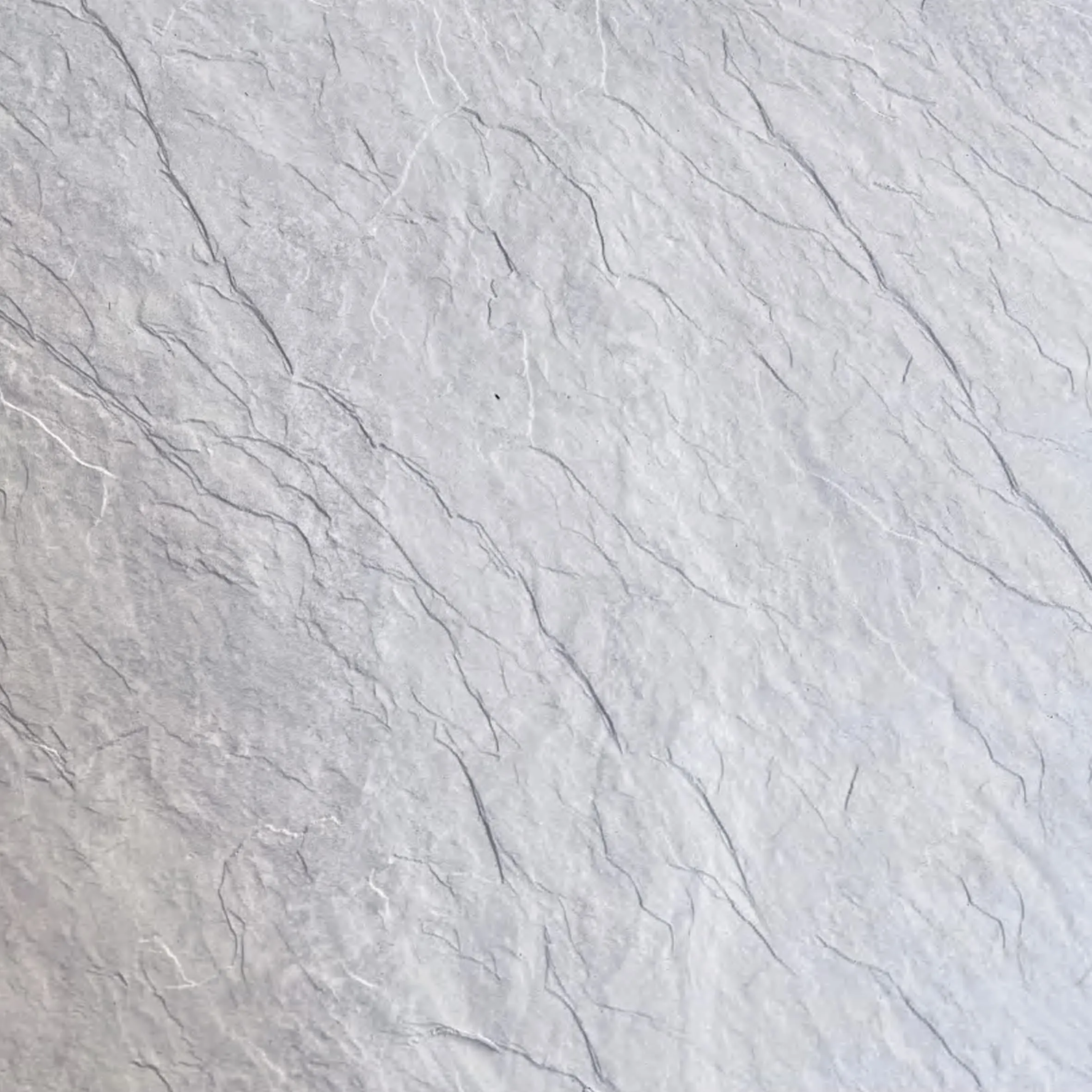
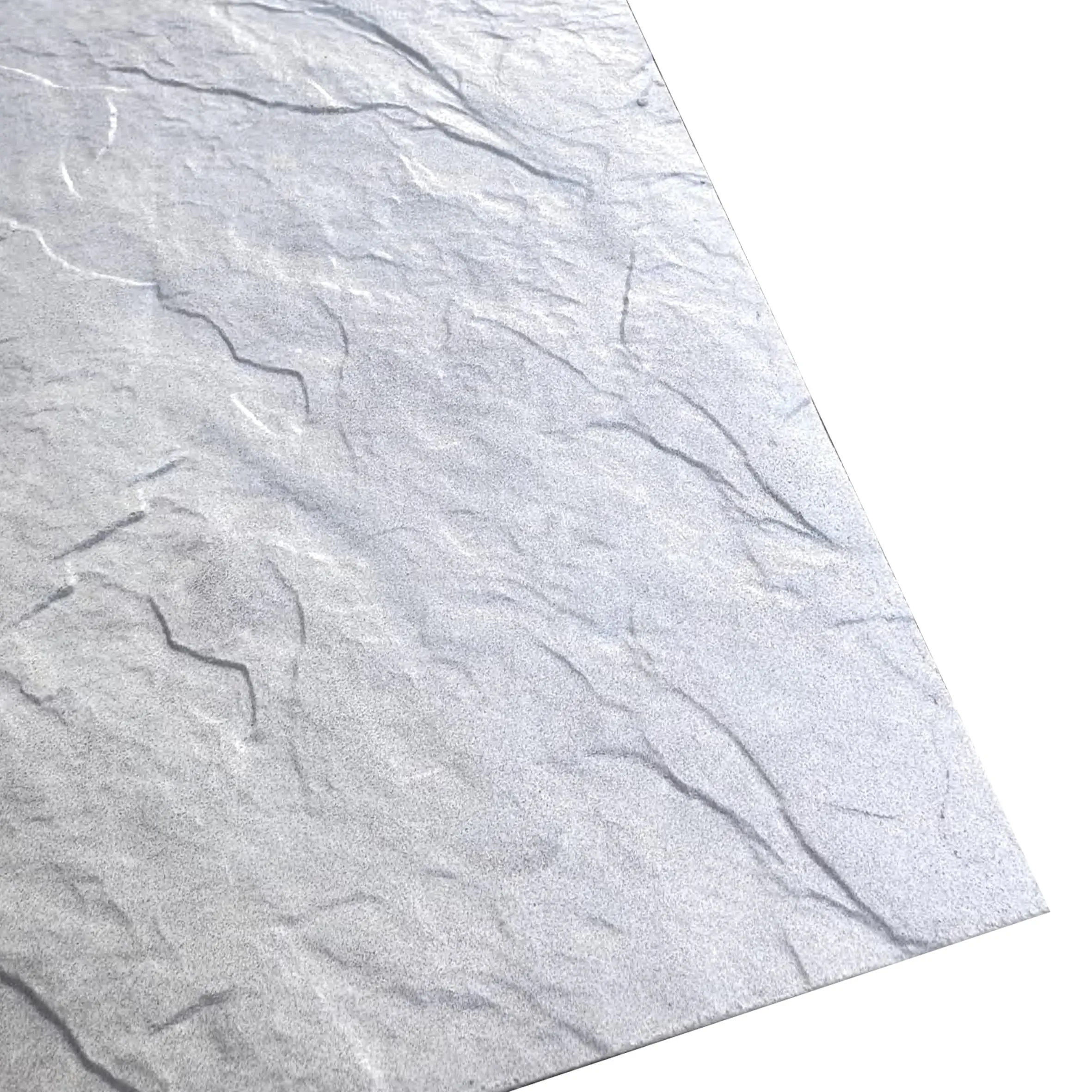
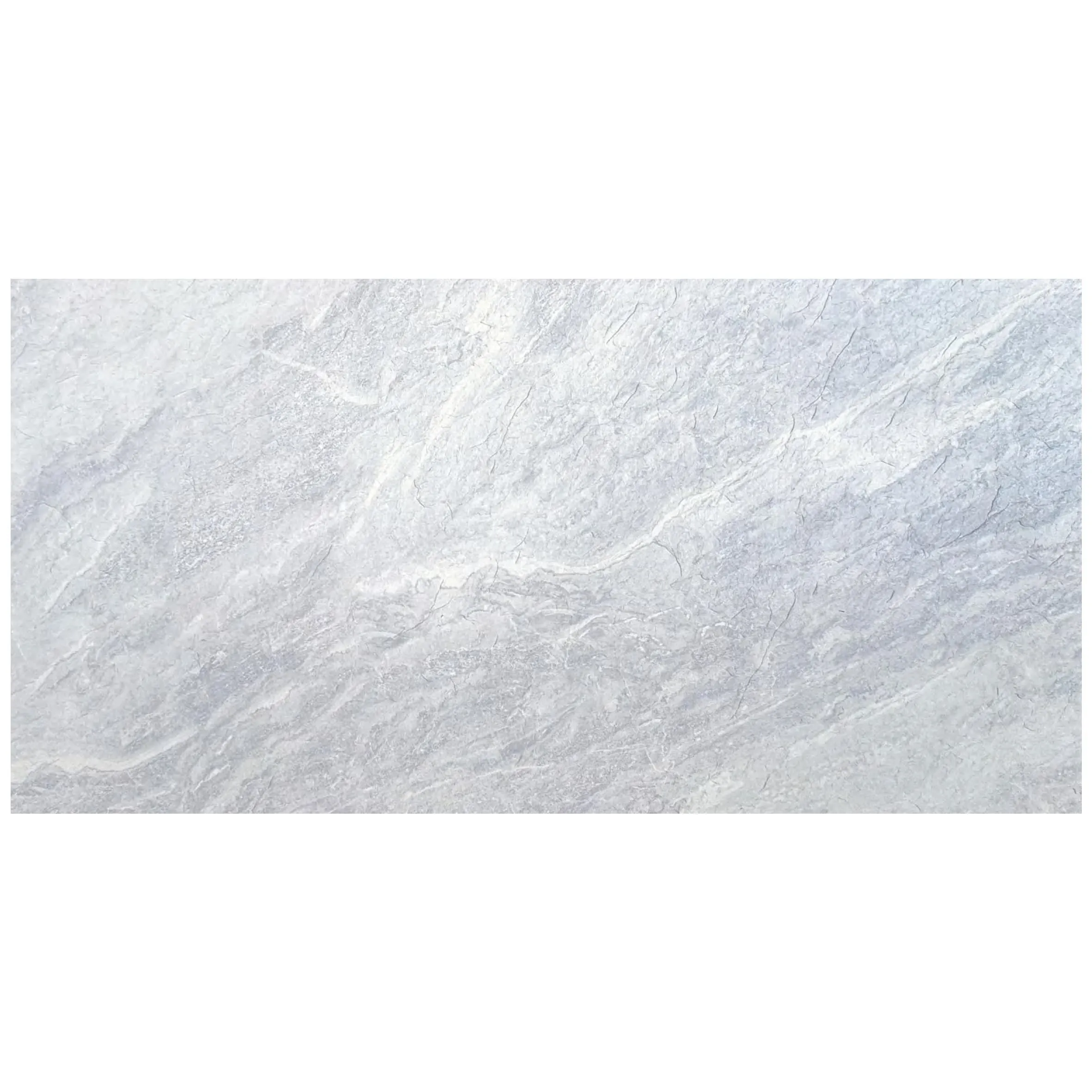
If sustainable design had a "neutral hero," it might well be Slate Veil White MCM. At first glance, it's easy to mistake it for natural slate: a soft, muted white base swirled with delicate gray veining, like moonlight filtering through a thin layer of clouds. Run your hand over it, and you'll feel the subtle texture—a gentle roughness that echoes the organic, weathered look of stone quarried from ancient cliffs. But unlike natural slate, which is heavy, brittle, and prone to cracking, Slate Veil White MCM is flexible, lightweight, and built to withstand the harshest of climates—from freezing winters to scorching summers.
What makes Slate Veil White so versatile is its ability to adapt to almost any design language. In modern homes, it adds a clean, minimalist edge when used as cladding or countertops, pairing beautifully with warm woods or black metal accents. In commercial spaces—think boutique hotels or corporate lobbies—it exudes understated luxury, elevating interiors without overwhelming them. Even in heritage restoration projects, its subtle veining and matte finish can mimic aged stone, blending seamlessly with historical architecture.
Designers love it for another reason, too: light reflection. Its pale hue bounces natural light deeper into spaces, reducing the need for artificial lighting during the day—a small detail that adds up to big energy savings over time. And unlike some white materials that yellow or fade under UV exposure, Slate Veil White is treated with a UV-resistant coating, ensuring its brightness stays true for decades.
Sustainability isn't just about the environment—it's about longevity. A material that needs frequent replacement is rarely truly green, as manufacturing and disposal cycles create their own emissions. Slate Veil White MCM checks this box, too. Its composite structure resists scratches, stains, and impact, making it ideal for high-traffic areas like hallways, kitchen backsplashes, or exterior facades. It's also moisture-resistant, so it won't warp or mold in humid climates, and fire-retardant, adding an extra layer of safety to buildings.
Installation is another win. Because it's lightweight (typically 4-6 kg per square meter, compared to 20-30 kg for natural slate), it requires less structural support, reducing the need for heavy steel framing. It also comes in large, flexible panels that cut down on installation time and on-site waste—no more piles of stone dust or broken tiles ending up in landfills. For contractors, this means faster project timelines; for building owners, lower labor and maintenance costs over the material's 50+ year lifespan.
LEED certification, administered by the U.S. Green Building Council (USGBC), awards points based on five key categories: Sustainable Sites, Water Efficiency, Energy and Atmosphere, Materials and Resources, and Indoor Environmental Quality. Slate Veil White MCM contributes to points in multiple categories, making it a strategic choice for projects aiming for Silver, Gold, or Platinum LEED status. Let's break down the specifics.
One of LEED's biggest focus areas is reducing the environmental impact of building materials. Slate Veil White MCM shines here. Many manufacturers use up to 35% recycled content in their panels—including crushed stone from demolition sites, reclaimed glass, or post-consumer plastic. This not only diverts waste from landfills but also reduces the energy needed to extract and process virgin materials. For projects pursuing LEED Credit MR 2 (Construction Waste Management) or MR 4 (Recycled Content), this can translate to 1-2 valuable points.
Local sourcing is another bonus. Most MCM producers have regional manufacturing facilities, meaning Slate Veil White panels often travel less than 500 miles from factory to job site. This cuts transportation-related carbon emissions, supporting LEED Credit MR 5 (Regional Materials). In one recent project in Portland, Oregon, using locally made Slate Veil White helped the team earn an additional point for sourcing over 20% of materials from within a 500-mile radius.
LEED's Energy and Atmosphere category rewards buildings that reduce energy consumption, and here again, Slate Veil White delivers. Its composite structure acts as a natural insulator, with a thermal conductivity rating (λ) of 0.15 W/(m·K)—significantly lower than natural stone (0.8-1.2 W/(m·K)) or concrete (1.4 W/(m·K)). When used as exterior cladding, this means less heat transfer between the outside and inside, reducing the load on HVAC systems. In hot climates, it reflects solar radiation (thanks to its light color), keeping interiors cooler; in cold climates, it traps warmth, lowering heating costs.
A study by the Green Building Research Institute found that buildings using MCM cladding (including Slate Veil White) reduced annual energy use by 12-15% compared to those with traditional stone facades. For LEED projects, this can contribute to points under EA 1 (Optimize Energy Performance), a category worth up to 10 points—often the difference between Gold and Platinum certification.
Sustainability isn't just about the planet—it's about people, too. LEED's Indoor Environmental Quality (IEQ) category focuses on creating healthy spaces, and Slate Veil White MCM plays a role here by emitting virtually no volatile organic compounds (VOCs). Unlike some paints, sealants, or laminates that off-gas harmful chemicals like formaldehyde, MCM panels are manufactured with low-VOC adhesives and coatings, meeting strict standards like GREENGUARD Gold certification.
This is a game-changer for spaces like schools, hospitals, or offices, where indoor air quality directly impacts health and productivity. A 2023 study by the World Green Building Council linked low-VOC materials to a 15% improvement in employee focus and a 20% reduction in allergy symptoms. For LEED projects, this supports credits like IEQ 4.1 (Low-Emitting Materials), which requires interior products to meet low-VOC limits.
| Sustainability Metric | Natural Slate | Slate Veil White MCM | Fair-Faced Concrete | Foamed Aluminium Alloy Board (Vintage Silver) |
|---|---|---|---|---|
| Recycled Content | 0-5% | 30-35% | 15-20% (with recycled aggregates) | 40-45% (recycled aluminum) |
| Weight (kg/m²) | 25-30 | 4-6 | 20-25 | 3-5 |
| Thermal Conductivity (W/(m·K)) | 0.9-1.2 | 0.15-0.2 | 1.4-1.6 | 0.18-0.22 |
| VOC Emissions | Low (natural), but sealants may emit VOCs | Ultra-low (GREENGUARD Gold certified) | Low (no coatings needed) | Ultra-low (powder-coated finish) |
| Expected Lifespan | 20-30 years (prone to cracking) | 50+ years | 50+ years | 60+ years (corrosion-resistant) |
| LEED Points Contribution | 1-2 points (limited) | 3-5 points (multiple categories) | 2-3 points (materials, durability) | 3-4 points (recycled content, energy efficiency) |
Slate Veil White MCM is a star, but even the best stars shine brighter with a supporting cast. When designing for sustainability, combining complementary materials can amplify LEED points while creating richer, more dynamic spaces. Two materials that pair particularly well with Slate Veil White are fair-faced concrete and foamed aluminium alloy board (vintage silver) .
Fair-faced concrete—also called "architectural concrete"—is concrete left in its natural state, without paint, stucco, or other finishes. Its rough, tactile surface and earthy gray tone create a striking contrast with Slate Veil White's softness, adding depth to interiors and exteriors alike. But its beauty is more than skin-deep: fair-faced concrete is inherently sustainable, as it requires no additional coatings (reducing VOCs) and can incorporate recycled aggregates like crushed concrete or slag, cutting down on virgin material use.
Like Slate Veil White MCM, it's also durable and low-maintenance, with a lifespan of 50+ years. When used alongside Slate Veil White in a project—say, concrete walls with MCM accents—it can help earn LEED points for both Materials and Resources (recycled content) and Indoor Environmental Quality (low emissions). A recent community center in Seattle, for example, paired the two materials to achieve LEED Gold, with the concrete providing structural strength and the MCM adding visual interest to the facade.
For projects aiming for a more modern, industrial vibe, foamed aluminium alloy board (vintage silver) is a standout choice. Made by injecting air into molten aluminum, it's incredibly lightweight (3-5 kg/m²) yet surprisingly strong, with excellent sound and thermal insulation properties. Its vintage silver finish—warm, with subtle metallic undertones—complements Slate Veil White's coolness, creating a balanced, sophisticated palette.
Sustainability-wise, it's a heavyweight: 40-45% of its composition is recycled aluminum, and it's 100% recyclable at the end of its life. Its corrosion resistance also means it's ideal for coastal or humid climates, where other metals might rust. When used as a ceiling panel or accent wall alongside Slate Veil White cladding, it adds another layer of energy efficiency, reflecting heat and reducing HVAC demand—all while contributing to LEED points for recycled content and regional sourcing.
As the demand for LEED-certified buildings grows—driven by stricter regulations, consumer demand, and corporate sustainability goals—materials like Slate Veil White MCM are no longer "nice-to-haves" but "must-haves." They prove that sustainability and beauty don't have to be trade-offs; in fact, they can enhance each other. A building clad in Slate Veil White doesn't just *look* good—it *does* good, reducing carbon footprints, improving indoor air quality, and standing the test of time.
And it's not just about individual materials. The future of green building lies in systems thinking—combining MCM with fair-faced concrete, foamed aluminium, and other eco-friendly options to create holistic, low-impact spaces. Imagine a school where Slate Veil White cladding reflects sunlight to keep classrooms cool, fair-faced concrete walls absorb sound for quieter learning, and foamed aluminium ceilings reduce energy use. Or a hotel where these materials blend to create a serene, healthy environment that guests love and the planet appreciates.
At the end of the day, sustainable architecture is about more than certifications. It's about building a world where our structures nurture both people and the planet. With materials like Slate Veil White MCM leading the way, that future is already taking shape—one LEED point, one project, one building at a time.
Recommend Products












