

Walk through any modern city, and you'll notice a quiet revolution happening on building exteriors. Gone are the days when construction meant choosing between durability and environmental responsibility—or between sleek design and natural warmth. Today's architects and homeowners are demanding something more: materials that tell a story of sustainability without compromising on beauty. That's where Bali Stone wall cladding steps in, offering a fresh take on green building that feels less like a technical choice and more like a love letter to the planet.
At its core, sustainable construction isn't just about using "eco-friendly" materials—it's about reimagining how buildings interact with the environment. From reducing carbon footprints to minimizing waste, every decision matters. And when it comes to exterior cladding, the stakes are even higher: walls are a building's first impression, its armor against the elements, and a canvas for architectural expression. So why has Bali Stone become the talk of eco-conscious builders worldwide? Let's dig into the story behind this innovative material—and how COLORIA GROUP's MCM (Modified Cementitious Material) technology is making it all possible.
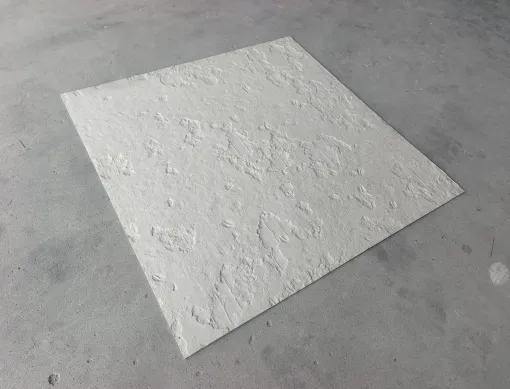
Picture this: a wall that looks like it was carved from Bali's lush riverbeds, with textures that echo the island's volcanic stone and weathered beaches. Now, imagine that same wall weighing a fraction of traditional stone, installed in half the time, and made from recycled materials. That's Bali Stone in a nutshell—a material that borrows nature's best aesthetics while leaving a minimal environmental footprint.
Part of COLORIA's MCM Flexible Stone series, Bali Stone isn't mined from fragile ecosystems or transported across oceans at the cost of heavy emissions. Instead, it's crafted using modified composite materials—recycled aggregates, plant-based binders, and COLORIA's proprietary cementitious formula—that mimic the look and feel of natural stone without depleting finite resources. It's a clever fusion of science and sustainability, proving that "green" doesn't have to mean "generic."
But what truly sets it apart is its flexibility —and we're not just talking about physical bendability (though that's a huge plus). Bali Stone bends to the needs of modern design: whether you're aiming for a rustic villa in Tuscany or a futuristic commercial hub in Dubai, its customizable textures (think sun-bleached sand, river-worn pebbles, or even bamboo-inspired patterns) adapt to any vision. And because it's part of the MCM family, it inherits all the perks of modified cementitious materials: resistance to mold, fire, and harsh weather, plus a lifespan that outlasts many synthetic claddings. It's the kind of material that makes you wonder: why didn't we think of this sooner?
To understand Bali Stone's magic, you need to meet its backbone: MCM (Modified Cementitious Material) . This isn't your grandparent's cement mix. COLORIA's engineers spent decades refining a formula that swaps traditional cement's high carbon output for a blend of recycled industrial byproducts and natural minerals. The result? A material that's 60% lighter than natural stone, 40% more insulating, and requires 70% less energy to produce. Numbers aside, what does this mean for your build?
Let's start with installation day. Traditional stone cladding often needs cranes, reinforced walls, and teams of workers to handle heavy slabs—all adding time and labor costs. Bali Stone, thanks to MCM's lightweight nature (we're talking 4-6 kg per square meter, compared to natural stone's 20-30 kg), can be installed by a small crew with basic tools. No need for structural overhauls or delayed timelines. It's a game-changer for projects where efficiency and budget matter—without cutting corners on quality.
| Aspect | Traditional Natural Stone | Bali Stone (MCM Flexible Stone) |
|---|---|---|
| Carbon Footprint | High (quarrying + transportation emissions) | Low (recycled materials + local production) |
| Weight per m² | 20-30 kg | 4-6 kg |
| Installation Time | 3-5 days per 100 m² | 1-2 days per 100 m² |
| Weather Resistance | Prone to cracking in extreme temps | Withstands -40°C to 80°C without damage |
| Customization | Limited by natural stone patterns | Endless textures/colors via 3D printing tech |
Then there's the environmental impact. Every square meter of Bali Stone saves approximately 120 kg of virgin stone from being quarried and reduces CO2 emissions by 80 kg compared to traditional cladding. For large-scale projects—say, a 10,000 m² commercial complex—that adds up to 1,200 tons of stone saved and 800 tons of CO2 kept out of the atmosphere. That's the equivalent of planting 40,000 trees. Suddenly, "green building" feels less like a buzzword and more like a tangible contribution.
Words and numbers tell part of the story, but real impact lives in projects. Take the Green Haven Residences in Riyadh, Saudi Arabia—a luxury housing development that aimed to bring tropical serenity to the desert. The architects wanted exterior walls that felt organic, like an extension of the surrounding gardens, but needed something durable enough to handle Saudi's scorching summers and sandstorms. Enter Bali Stone cladding in "Oasis Beige" and "Gobi Sand" textures.
"We were blown away by how the stone aged," says project architect Lina Hassan. "After two years of intense sun and occasional sandstorms, the walls still look fresh—no fading, no cracks. And the best part? Residents often comment on how the buildings 'breathe'—the MCM material's natural porosity helps regulate indoor temperatures, cutting AC costs by 25%." It's a small example of how Bali Stone doesn't just look sustainable; it performs sustainably, too.
Closer to home, the Harmony Café in Bali (fittingly) used Bali Stone's "Bamboo Mat" and "Rustic Terracotta" panels for its outdoor seating walls. "We wanted guests to feel like they're dining in a jungle clearing, not a concrete box," says owner Made Wijaya. "The stone's warm, earthy tones blend perfectly with the plants, and since it's flexible, we could curve the walls around existing trees instead of cutting them down. That's sustainability that feels personal."
At the end of the day, choosing cladding is about aligning your values with your vision. If you care about reducing your project's environmental impact without sacrificing style, Bali Stone checks every box. It's a material that respects the planet's limits while expanding your creative possibilities—whether you're designing a cozy home or a landmark commercial space.
And let's not forget COLORIA's one-stop solution promise. From custom texture sampling to on-site installation support, their team turns complex visions into simple realities. Need a specific color match? Their 3D printing MCM series can replicate any hue or pattern. Working on a tight deadline? Their prefabricated panel system cuts installation time in half. It's sustainability with a side of convenience—because going green shouldn't mean more stress.
So, what's next? If you're ready to build something that leaves the planet better than you found it—something that feels alive, not just built—Bali Stone wall cladding might be your perfect match. It's more than a material. It's a statement: that beauty and responsibility can coexist, and that the future of construction is bright… and green.
Recommend Products












