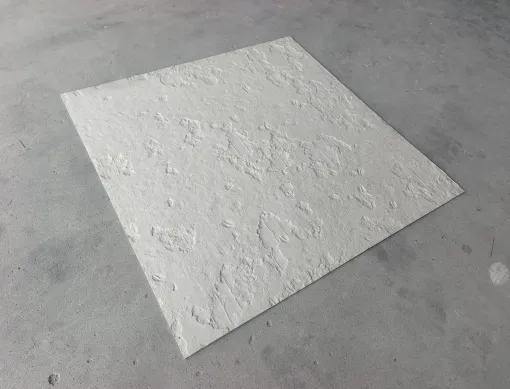
Bali stone, with its warm, earthy textures and organic patterns, has long been beloved for bringing a touch of tropical serenity to spaces. But traditional stone extraction and processing? Let's just say it's not always kind to the landscapes it comes from. Quarrying raw stone often means disrupting ecosystems, churning up carbon emissions, and generating massive waste from cutting and shaping. That's where COLORIA GROUP's MCM (Modified Cementitious Material) technology flips the script—turning Bali stone into a sustainable star through smart engineering and eco-conscious design.
At its core, MCM Bali stone is a blend of natural minerals, recycled aggregates, and a modified cement base that's been reimagined for minimal environmental impact. Unlike traditional stone slabs, which can weigh up to 150kg per square meter, MCM Bali stone clocks in at a featherlight 12-18kg/m². That might not sound like a big deal, but when you scale it up to a 10-story building, that weight difference translates to fewer trucks on the road, less fuel burned during transport, and a reduced need for heavy-duty structural support—all of which shrink the carbon footprint before the panels even reach the construction site.
But the sustainability story doesn't stop at weight. Let's talk about production. Traditional stone processing involves high-temperature kilns and water-intensive cutting, guzzling energy and leaving behind a trail of wastewater. MCM Bali stone, on the other hand, is crafted using a low-temperature curing process that slashes energy use by up to 60% compared to conventional methods. And here's a kicker: COLORIA GROUP sources up to 30% of the raw materials from industrial by-products, like recycled concrete and mineral waste, giving new life to materials that would otherwise end up in landfills. It's circular economy in action—turning "waste" into "wonder."