
Exploring the stories, textures, and impact of MCM's most innovative sustainable solutions
I recently found myself standing in the lobby of a new community center downtown, and something about the walls caught my eye. They had the warm, organic texture of wood, the sturdiness of concrete, and a subtle sheen that felt modern—yet there was none of the heaviness I'd expect from traditional building materials. When I asked the architect later, she smiled and said, "That's MCM. Modified Composite Material. It's changing how we build, and honestly? It's about time."
Sustainability in construction isn't just a buzzword anymore. It's a necessity. We're all waking up to the fact that the buildings we live, work, and play in leave a footprint—and that footprint needs to shrink. But here's the good news: innovation is stepping up. Enter MCM, a category of building materials designed to be kind to the planet without sacrificing style, durability, or functionality. And at the heart of this revolution? Wood-Cement Board, a material that feels like a love letter to both nature and engineering.
In this article, we're diving into the world of MCM, exploring why Wood-Cement Board has become a favorite among eco-conscious builders, and taking a closer look at some of the most stunning materials in the MCM lineup—from the starry glow of Travertine (Starry Green) to the sleek vintage silver of Foamed Aluminium Alloy Boards. Let's start by understanding why sustainable building materials matter now more than ever.
Think about traditional building materials for a second. Natural stone is beautiful, but quarrying it is resource-intensive and leaves scars on landscapes. Solid wood looks warm, but deforestation is a real concern. Concrete? It's durable, but its production releases a staggering amount of CO2—around 8% of global emissions, by some estimates. And let's not forget weight: traditional materials are heavy, making transportation costly and construction more labor-intensive.
Builders and architects have long grappled with this dilemma: how to create spaces that are safe, beautiful, and kind to the planet. Enter modified composite materials, or MCM. These aren't your average composites. MCM boards are engineered by blending recycled or sustainably sourced materials—like wood fibers, stone particles, and polymers—into a lightweight, high-performance panel. The result? Materials that mimic the look and feel of natural stone, wood, or metal, but with a fraction of the environmental impact.
MCM isn't just eco-friendly by accident. It's designed that way. Many MCM boards use post-industrial waste (think: leftover wood from furniture production, stone dust from quarries) that would otherwise end up in landfills. They're also lightweight, which means less fuel is used to transport them, and less structural support is needed during construction—cutting down on overall project costs and carbon footprint.
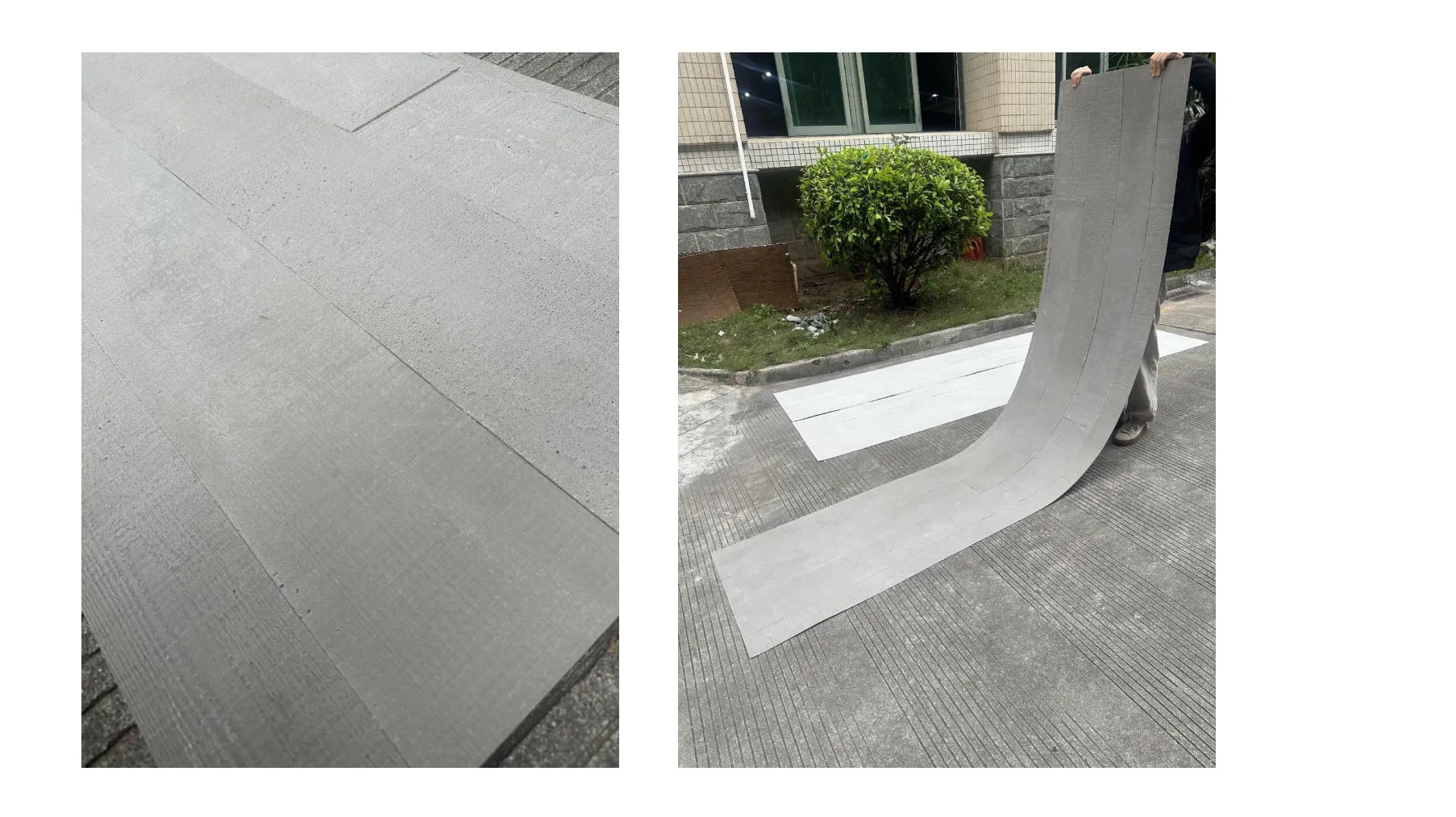
But sustainability isn't the only win. MCM boards are tough. They resist moisture, fire, and pests—problems that plague traditional wood. They're flexible, too, making them easy to install on curved surfaces or complex designs. And with a wide range of textures and colors, they let architects get creative without compromising on their green goals.
If MCM is the sustainable building revolution, then Wood-Cement Board is its beating heart. Let's break it down: Wood-Cement Board is made by combining recycled wood fibers (often from sawdust or wood scraps) with cement, water, and a small amount of additives to bind everything together. The mixture is pressed into panels, cured, and finished—resulting in a material that looks and feels like wood but has the strength of concrete.
What makes it so eco-friendly? For starters, it uses waste. Instead of cutting down new trees for lumber, it repurposes wood that would otherwise be discarded. The cement component is also optimized: manufacturers use lower-carbon cement blends or add recycled materials like fly ash (a byproduct of coal power plants) to reduce the environmental impact of production.
But don't just take my word for it. Let's compare Wood-Cement Board to two common alternatives: traditional solid wood and standard concrete. The table below highlights why Wood-Cement Board is emerging as the smarter, greener choice:
| Feature | Wood-Cement Board | Traditional Solid Wood | Standard Concrete |
|---|---|---|---|
| Sustainability | Uses recycled wood fibers; low embodied carbon | Requires logging of new trees; high deforestation risk | High CO2 emissions during production |
| Durability | Resistant to rot, pests, and moisture; lifespan of 50+ years | Prone to rot, termites, and warping; lifespan of 15–30 years | Durable but prone to cracking; heavy weight causes stress |
| Weight | Lightweight (6–8 kg/m²); easy to transport/install | Moderate weight (depends on species); can be heavy for large panels | Very heavy (2400 kg/m³); requires strong structural support |
| Aesthetic Flexibility | Available in wood grain, smooth, or textured finishes | Natural grain varies; limited customization | Plain gray; requires additional finishes for color |
The numbers speak for themselves. Wood-Cement Board isn't just a sustainable alternative—it's a better one. Take, for example, a recent project in Portland, Oregon: a 4-story apartment building where the exterior cladding was entirely Wood-Cement Board. The builder reported cutting transportation costs by 30% compared to using solid wood siding, and residents love the warm, natural look. Inside, the same material was used for accent walls in the lobby, paired with energy-efficient lighting to create a cozy, earthy vibe.
Another standout application? Retail spaces. A boutique in Chicago used Wood-Cement Board for its facade, choosing a textured finish that mimics reclaimed barn wood. The result? A storefront that feels rustic and modern, without the environmental guilt of using actual reclaimed wood (which is often overharvested and expensive). Plus, the material's resistance to moisture means it holds up well in Chicago's harsh winters and humid summers—no peeling paint or rotting boards to worry about.
Wood-Cement Board is a star player, but MCM's lineup is full of all-stars. One of the most exciting things about MCM is its versatility—whether you're designing a sleek corporate office, a cozy café, or a luxury hotel, there's an MCM material that fits the vibe. Let's explore a few standout options that are turning heads in the industry.
If you've ever walked through a historic European villa, you might recognize travertine—the porous, earthy stone often used for floors and walls. MCM Flexible Stone takes that classic look and gives it a modern, eco-friendly twist. Travertine (Starry Green) is a perfect example: it mimics the natural veining and texture of travertine but is made from recycled stone particles and a flexible polymer backing. The "starry" part comes from tiny, iridescent flecks embedded in the surface that catch the light, giving walls a subtle, magical glow—like looking up at a starry sky on a clear night.
I visited a boutique hotel in Bali last year that used Starry Green Travertine for its lobby feature wall. The wall curved gently from floor to ceiling, and in the soft morning light, those starry flecks sparkled like scattered emeralds. What blew me away? The installer mentioned that because the stone is flexible, they could bend it to follow the curve without cracking—something you'd never pull off with natural travertine, which is brittle and heavy. Plus, since it's MCM, the hotel saved on structural costs: no need for reinforced walls to support the weight of solid stone.
For a look that's equal parts modern and timeless, Foamed Aluminium Alloy Boards deliver. These panels are made by injecting air into molten aluminium, creating a lightweight, rigid material with a metallic finish. The Vintage Silver variant has a brushed texture and a soft, muted sheen—think: the patina of an old silver bracelet that's been loved for years. It's sleek without being cold, industrial without feeling harsh.
A tech company in San Francisco used Vintage Silver Foamed Aluminium for its office exterior, and the result is striking. The panels reflect the city's foggy skies during the day, turning the building into a shimmering beacon, and at night, they glow softly under LED lights. What's more, aluminium is 100% recyclable, so even at the end of the building's life, these panels can be melted down and reused—no waste. And because they're foamed, they're surprisingly lightweight: the installation team told me they could carry two panels at a time, which cut the construction timeline by weeks.
Concrete has a reputation for being cold and utilitarian, but Fair-Faced Concrete—an MCM take on the material—proves that's just a stereotype. "Fair-faced" means the concrete is left in its natural state, with visible aggregates and subtle variations in color, giving it a raw, organic texture. MCM Fair-Faced Concrete panels use recycled aggregates (like crushed concrete from demolition sites) and a low-carbon cement mix, making them far greener than traditional poured concrete.
I recently toured a community library in Seattle that used Fair-Faced Concrete for its reading room walls. The space felt calm and grounded, with the concrete's neutral tones complementing the wooden bookshelves and large windows. A librarian mentioned that the material absorbs sound well, making the room quieter than if they'd used drywall—a happy bonus for a library! And because the panels are precast in a factory, there was no messy on-site concrete pouring, which kept construction clean and efficient.
Rounding out our tour is Lunar Peak Silvery, a material that looks like it was chiseled from the moon's surface. Its texture is rough and craggy, with deep grooves and light-catching ridges that mimic the moon's craters and peaks. The silvery-gray color shifts with the light, from cool steel to warm pewter, making it a dynamic choice for feature walls or exterior facades.
A science museum in Boston used Lunar Peak Silvery for its "Space Exploration" exhibit hall, and it's brilliant. The walls feel like they're transporting visitors to the moon, enhancing the immersive experience. And because it's MCM, the museum didn't have to worry about the material deteriorating under the exhibit's bright lights or heavy foot traffic—unlike real lunar rock (which, let's be honest, is in short supply).
While we can't include actual photos here, let's paint a picture with words—because the best way to understand MCM's impact is to see it in action. These are the kinds of scenes you'd find in a portfolio of MCM projects, each telling a story of sustainability, creativity, and innovation.
Photo 1: The Urban Café with a Rustic Heart – Imagine walking into a cozy café in Brooklyn. The walls are clad in Wood-Cement Board with a rough-sawn texture, stained a warm honey color. Sunlight streams through large windows, casting shadows that highlight the wood grain patterns. The counter is topped with polished concrete (another MCM staple), and above it hangs a sign made from Foamed Aluminium Alloy Board (Vintage Gold)—its warm glow complementing the wood. The owner, a former carpenter, tells you he chose MCM because he wanted the space to feel "lived-in and loving," without depleting forests for real wood. "Plus," he grins, "I don't have to worry about water damage from all the coffee spills."
Photo 2: The Corporate Office with a Green Soul – Now picture a sleek office lobby in Singapore. The exterior is a mix of Fair-Faced Concrete panels and Travertine (Starry Blue) accents. The concrete gives the building a modern, industrial edge, while the starry blue travertine adds a pop of color that mirrors the city's skyline. Inside, the reception desk is wrapped in Lunar Peak Black—its dark, cratered texture a bold contrast to the light-filled space. The facilities manager explains that MCM was a no-brainer for their LEED Platinum certification goal: "We cut our carbon footprint by 40% compared to using traditional stone and concrete, and the panels installed in half the time. Our employees love how the space feels—modern but not sterile."
Photo 3: The Beach House with Coastal Charm – Finally, visualize a beach house in Costa Rica. Its exterior is covered in Bali Stone, an MCM flexible stone that looks like weathered coral, with soft pink and beige tones. The roof overhangs are clad in Foamed Aluminium Alloy Board (Vintage Silver), which reflects the sun's rays to keep the house cool. Inside, the walls are lined with Bamboo Mat Board—lightweight, moisture-resistant, and with a natural weave pattern that feels tropical. The homeowner, an environmental scientist, says, "MCM let us build a house that blends with the landscape without harming it. The Bali Stone looks like it belongs here, and the aluminium panels stand up to the salt air better than wood ever could."
As we wrap up, it's clear that MCM isn't just a passing trend—it's the future of sustainable construction. Here's why:
I'll leave you with a quote from an architect I spoke to recently, who summed it up perfectly: "Ten years ago, we had to choose between sustainability and beauty. Now, with MCM, we don't have to. It's proof that when we innovate with the planet in mind, we create spaces that are better for the Earth—and better for the people who use them."
So the next time you walk into a building and find yourself admiring the walls—whether they're warm and wood-like, sleek and metallic, or rough and stone-textured—take a closer look. Chances are, you're looking at MCM. And in that moment, you're seeing the future of construction: sustainable, beautiful, and built to last.
Recommend Products












