
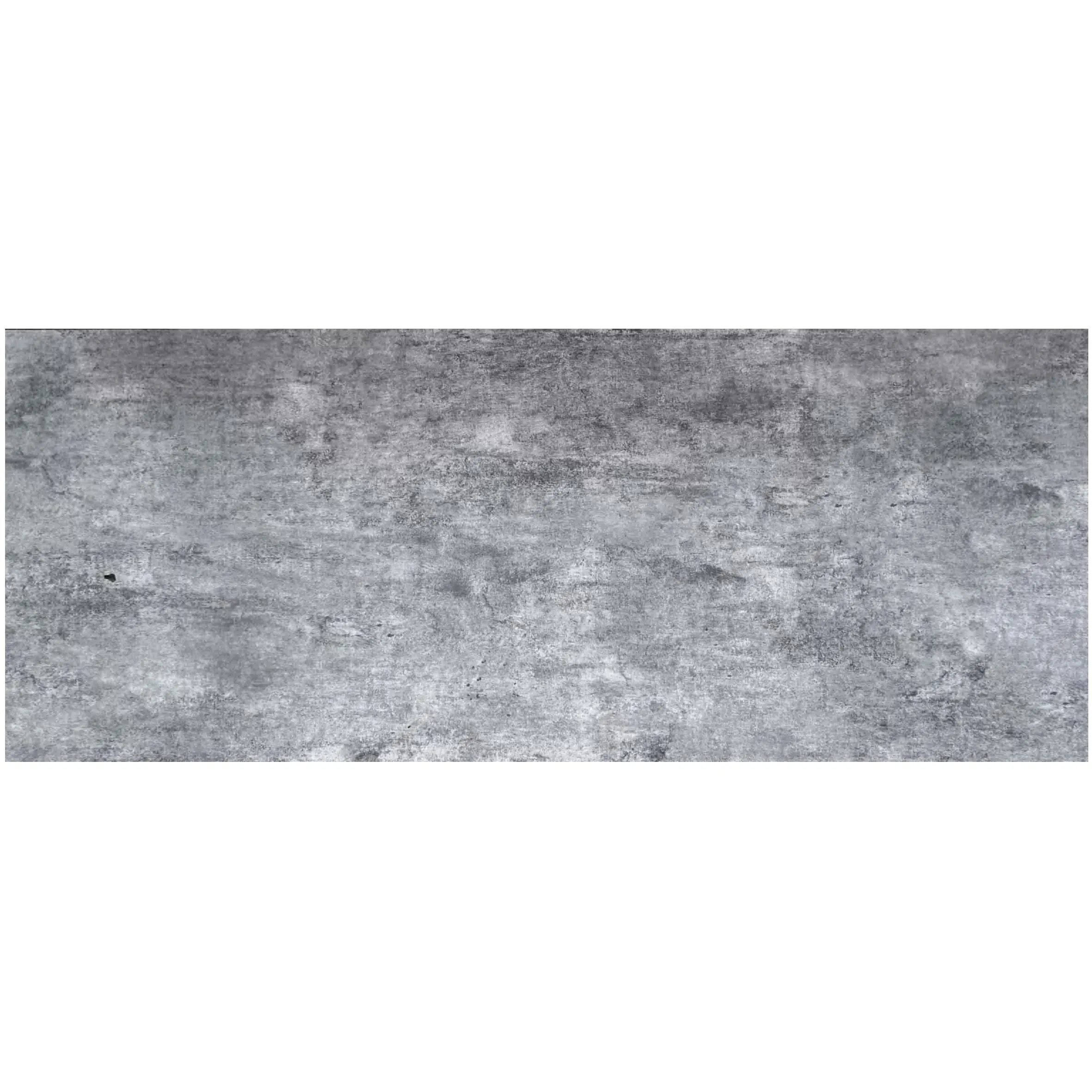
Walk into any modern home or commercial space today, and you'll likely notice something different about the walls, floors, or facades. They're not just structures—they're stories. Stories of how we're choosing to build a world that's kinder to the planet, without sacrificing beauty or functionality. This shift toward sustainable building isn't just a trend; it's a quiet revolution, and at the heart of it lies innovation. Companies like COLORIA MCM are leading the charge, reimagining construction materials to blend eco-consciousness with timeless design. Today, let's dive into how materials like polish concrete, mcm flexible stone, and fair-faced concrete are reshaping the way we build—and why that matters for everyone who calls these spaces "home."
Sustainability in construction used to feel like a trade-off. You could have an eco-friendly building, or you could have one that looked sleek and modern—rarely both. But times have changed. Today's homeowners and architects aren't just asking, "Is this material green?" They're asking, "Does it make me feel connected to the space? Will it last long enough to tell my grandchildren's stories? Does it reduce my carbon footprint without making me compromise on style?"
COLORIA MCM gets this. For them, sustainable building isn't about checking boxes on an environmental list; it's about creating materials that honor the planet and the people who use them. It's about understanding that a wall isn't just a barrier—it's a backdrop for family dinners, a canvas for creativity, a silent guardian against the elements. And when that wall is made with intention, it becomes something more: a testament to responsible living.
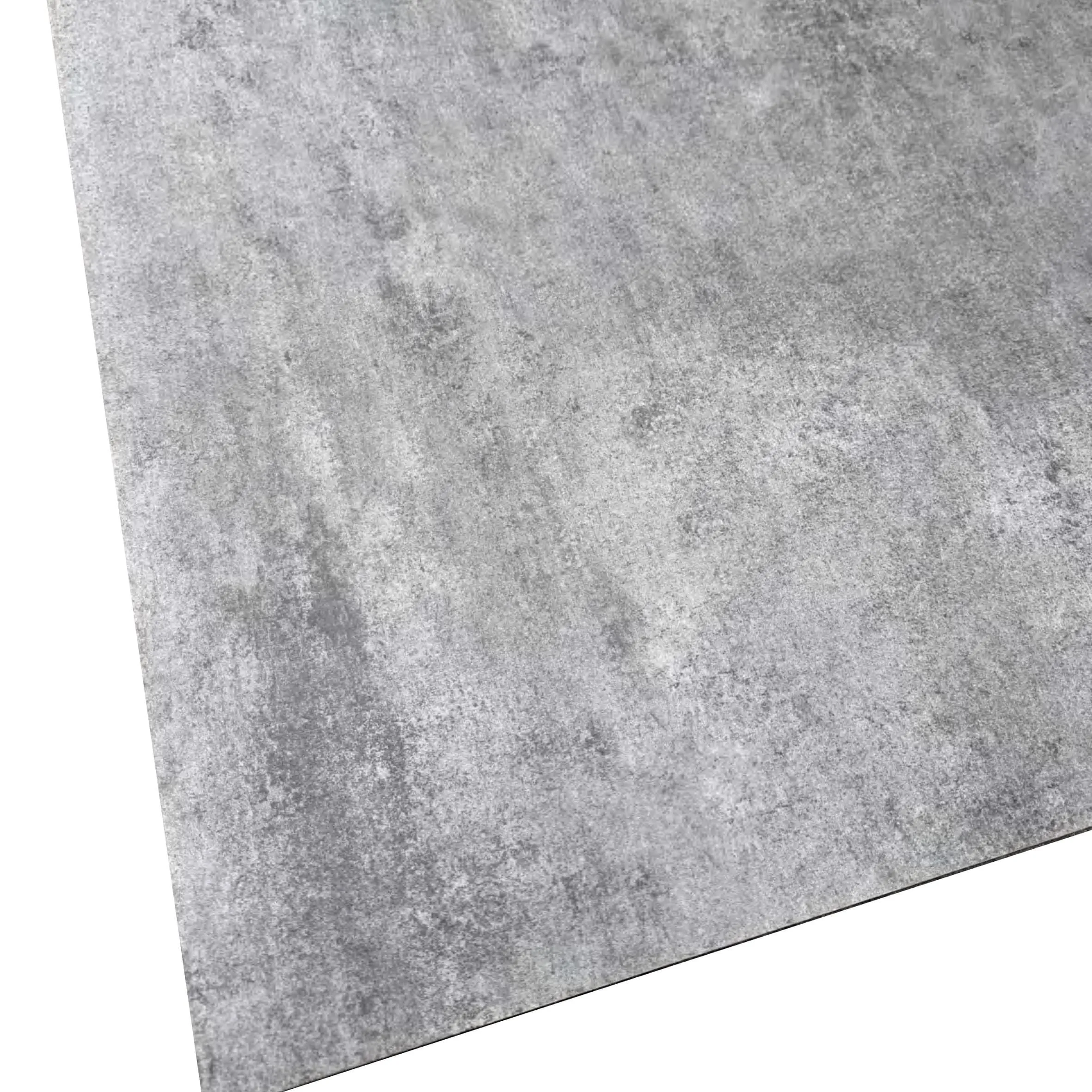
Let's start with polish concrete—a material that's been around for decades but has recently found its stride in the green building world. At first glance, it might seem utilitarian, but anyone who's walked on a polished concrete floor knows better. There's a quiet elegance to it: the way light dances on its smooth surface, the subtle variations in color that echo natural stone, the warmth it retains on cold mornings. But what makes polish concrete a star in sustainable building?
For starters, it's inherently low-waste. Unlike traditional flooring materials that require layers of adhesives, underlays, and finishes, polish concrete often uses the existing concrete slab, reducing the need for extra materials. COLORIA MCM takes it a step further by incorporating recycled aggregates into their polish concrete mixes, giving new life to materials that would otherwise end up in landfills. And because it's so durable—resistant to scratches, stains, and wear—it lasts for decades, meaning fewer replacements and less waste over time.
Take the example of a small café in Portland, Oregon, that recently renovated with COLORIA MCM's polish concrete. The owner, Maria, wanted a space that felt "grounded" and welcoming. "I didn't want something that would need to be replaced in five years," she says. "Polish concrete checked that box, but what surprised me was how warm it feels. Customers often comment on how cozy the space is, even though the floors are concrete. It's like bringing a piece of the earth indoors, without harming it."
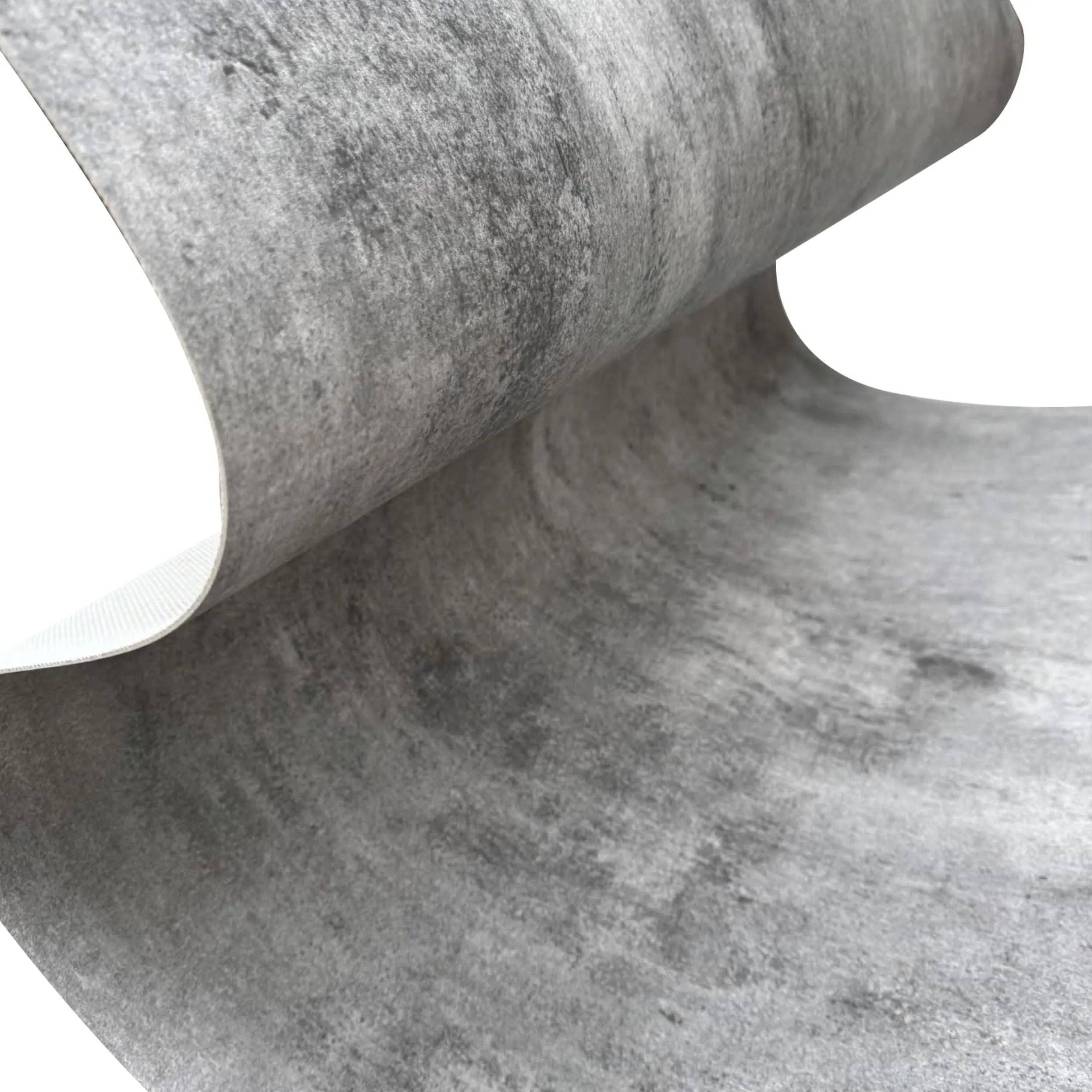
If polish concrete is the workhorse of sustainable flooring, mcm flexible stone is the chameleon of wall and facade design. Imagine a material that looks and feels like natural stone—with all its texture and character—but weighs a fraction of the real thing, installs in hours instead of days, and is made from 80% recycled content. That's mcm flexible stone, and it's a game-changer for architects and homeowners alike.
Traditional stone cladding is beautiful, but it's heavy. Transporting it requires fuel-guzzling trucks, installing it needs specialized labor, and cutting it generates tons of waste. MCM flexible stone solves all these problems. It's thin—often less than 5mm thick—and flexible enough to wrap around curves, cover uneven surfaces, or even be used as a backsplash in a kitchen. COLORIA MCM's version is made from recycled stone dust and polymers, so it reduces the demand for quarrying new stone, a process that can disrupt ecosystems and deplete natural resources.
Architect Raj Patel used mcm flexible stone in a recent residential project in Colorado, where the homeowner wanted a rustic exterior that blended with the mountain landscape. "We originally considered real stone, but the logistics were a nightmare," Raj recalls. "The house is on a steep slope, and hauling heavy stone up there would have been expensive and environmentally costly. MCM flexible stone was the answer. It looks identical to the local sandstone, but we installed it in three days instead of two weeks, and the carbon footprint was a fraction of the original plan. The homeowner cried when she saw it—said it felt like the mountain itself was (hugging) the house."
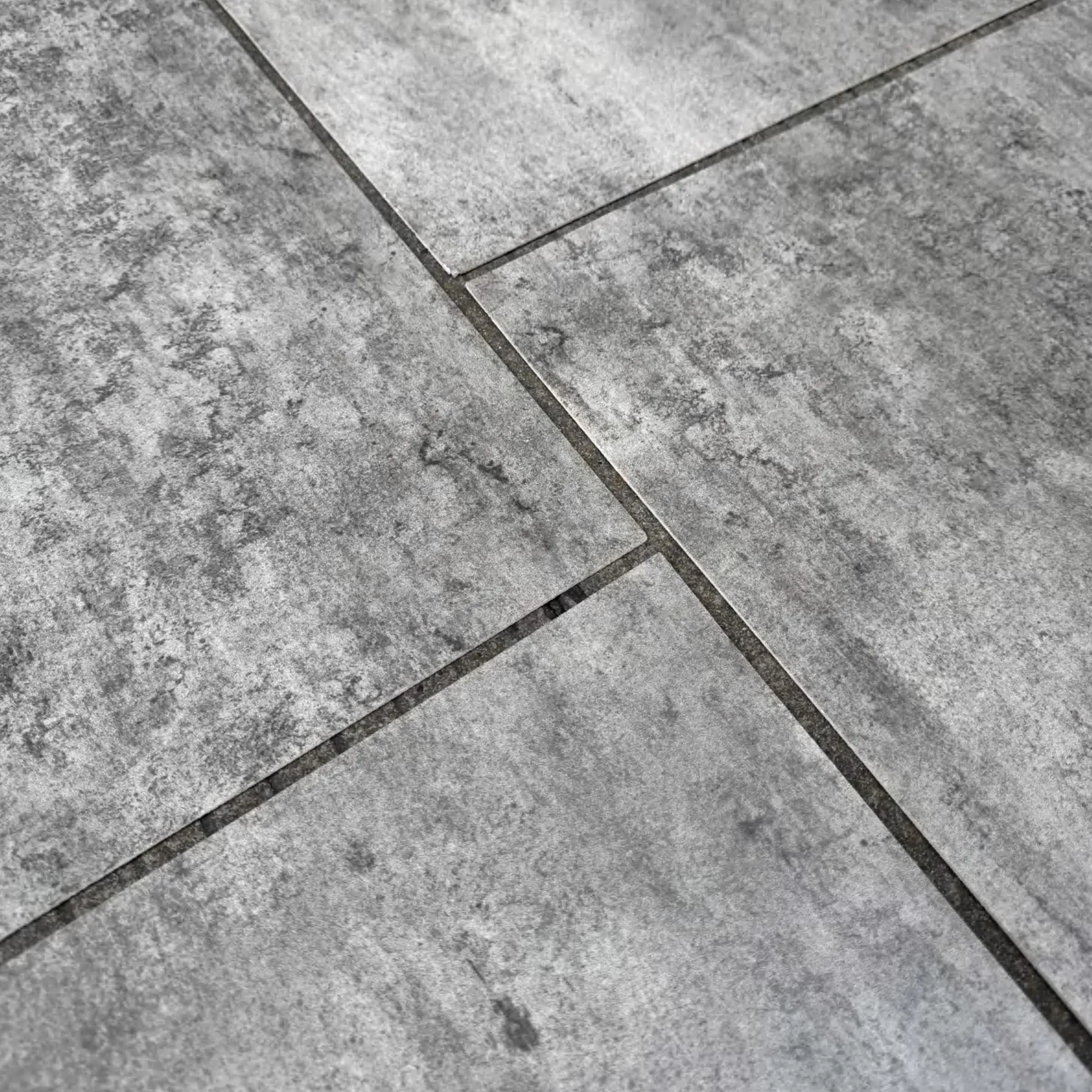
There's a trend in design these days toward "honest" materials—materials that don't hide their origins. Enter fair-faced concrete: concrete left in its natural state, with visible aggregates, subtle color variations, and the marks of the formwork that shaped it. It's raw, it's real, and it's surprisingly elegant. But beyond its aesthetic appeal, fair-faced concrete is a sustainability powerhouse.
Unlike concrete that's painted, tiled, or covered in other finishes, fair-faced concrete requires no additional treatments. That means fewer chemicals, less energy spent on processing, and a lower carbon footprint from production to installation. COLORIA MCM's fair-faced concrete is also formulated with low-carbon cement, which reduces greenhouse gas emissions by up to 30% compared to traditional mixes. And because it's left exposed, it ages gracefully—developing a patina over time that adds character, rather than requiring replacement.
Consider the community center in Austin, Texas, built with COLORIA MCM's fair-faced concrete. The design team wanted a space that felt "open and inclusive," and the concrete walls deliver that in spades. "There's something about the texture of fair-faced concrete that makes people want to touch it," says the center's director, Elena. "Kids run their hands along the walls; seniors sit and trace the patterns left by the formwork. It's not just a building material—it's a conversation starter. And knowing that it was made with low-carbon cement? That makes us proud to call this space a community hub."
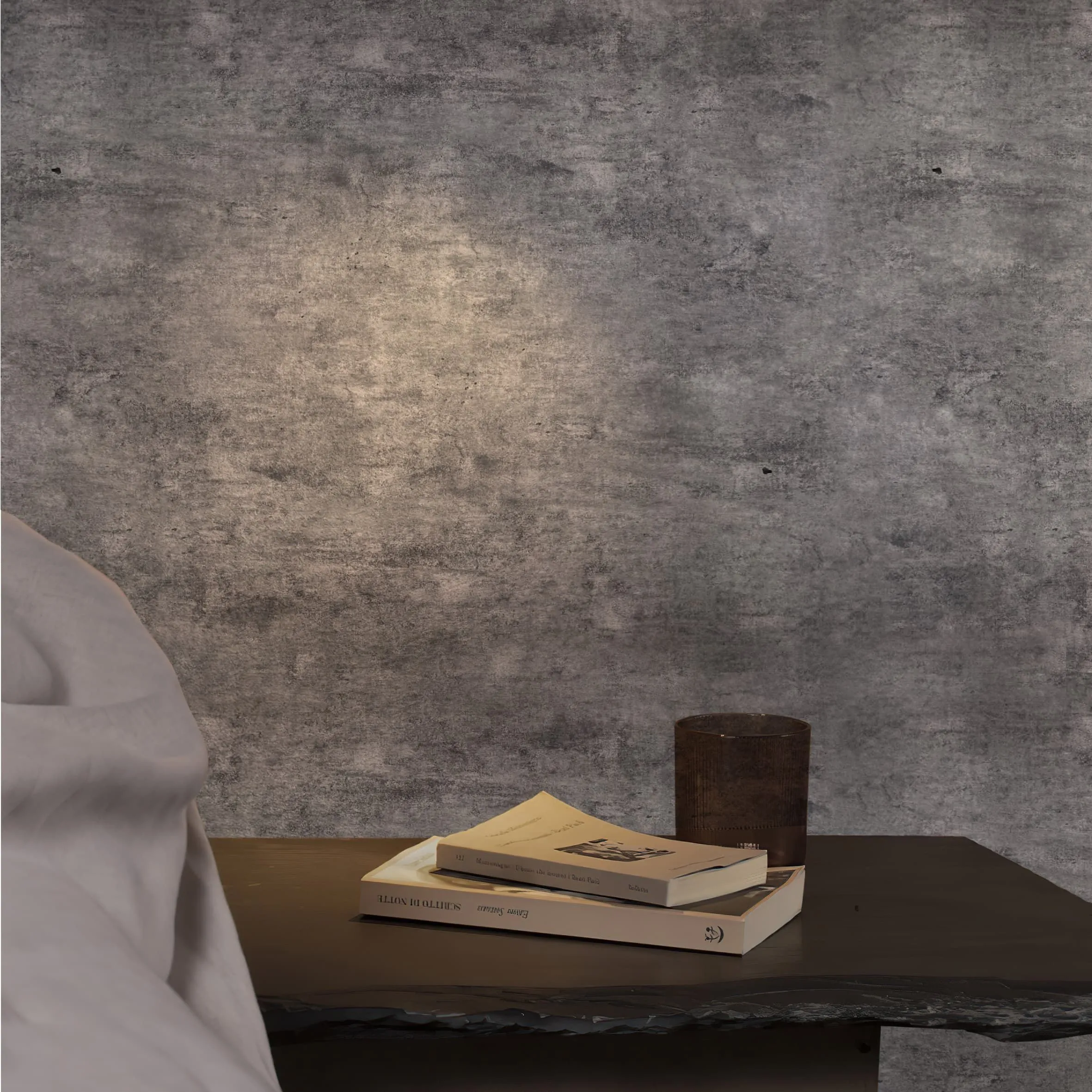
While polish concrete, mcm flexible stone, and fair-faced concrete are staples in COLORIA MCM's lineup, the brand doesn't stop there. Take their foamed aluminium alloy board (vintage silver), for example. Lightweight, corrosion-resistant, and 100% recyclable, this material is perfect for facades, ceilings, and even furniture. Its vintage silver finish adds a touch of industrial chic, but what really sets it apart is its sustainability: aluminium is one of the most recyclable materials on the planet, and COLORIA MCM's foamed version uses 70% recycled aluminium, cutting energy use during production by half.
Then there's travertine (beige)—a natural stone that COLORIA MCM sources responsibly from quarries that prioritize reforestation and water conservation. Travertine has been used in buildings for centuries (think ancient Roman baths), and for good reason: it's porous, allowing it to regulate humidity, and its warm beige tones bring a sense of calm to any space. By partnering with ethical quarries, COLORIA MCM ensures that every slab of travertine (beige) tells a story of respect—for the earth and for the craftspeople who extract it.
| Material | Sustainability Features | Key Applications | Why It Stands Out |
|---|---|---|---|
| Polish Concrete | Recycled aggregates, low-waste installation, long lifespan | Floors, countertops, outdoor patios | Warm, light-reflective surface; reduces need for frequent replacements |
| MCM Flexible Stone | 80% recycled content, lightweight (reduces transport emissions), minimal installation waste | Wall cladding, facades, backsplashes | Mimics natural stone without quarrying; flexible for creative designs |
| Fair-Faced Concrete | Low-carbon cement, no additional finishes, natural aging | Walls, columns, community spaces | Raw, authentic aesthetic; regulates temperature naturally |
| Foamed Aluminium Alloy Board (Vintage Silver) | 70% recycled aluminium, 100% recyclable, energy-efficient production | Facades, ceilings, furniture accents | Lightweight yet durable; industrial-chic finish with minimal environmental impact |
| Travertine (Beige) | Responsibly sourced, natural humidity regulation, long-lasting | Fireplaces, accent walls, outdoor walkways | Timeless beauty; connects spaces to natural landscapes |
At the end of the day, sustainable building is about legacy. It's about creating spaces that don't just serve us now, but that our children and grandchildren will be proud to inherit. COLORIA MCM's materials are designed with this in mind. Take their lunar peak silvery or lunar peak golden series—materials that blend the durability of stone with the iridescence of natural minerals, creating surfaces that change subtly with light. They're not just beautiful; they're built to withstand decades of sun, rain, and foot traffic, so they don't need to be replaced every decade.
But legacy isn't just about durability. It's about accessibility. COLORIA MCM works hard to keep their green materials affordable, because sustainability shouldn't be a luxury. "We want every homeowner, every small business owner, to feel like they can choose materials that align with their values," says a company spokesperson. "Whether you're building a tiny home or a commercial complex, you deserve options that make you feel good about the space you're creating."
As we look ahead, the green building movement will only grow stronger. Climate concerns, coupled with a desire for more meaningful, intentional spaces, will drive innovation in materials and design. And companies like COLORIA MCM will be there, leading the way with materials that don't just build structures—they build communities.
So the next time you walk into a space with polish concrete floors or mcm flexible stone walls, take a moment to appreciate it. Behind that surface is a story of innovation, responsibility, and care—for the planet, for the people who built it, and for you. Because in the end, sustainable building isn't just about materials. It's about building a world where every space feels like it was made for people, not just with materials.
And isn't that the kind of world we all want to live in?
Recommend Products












