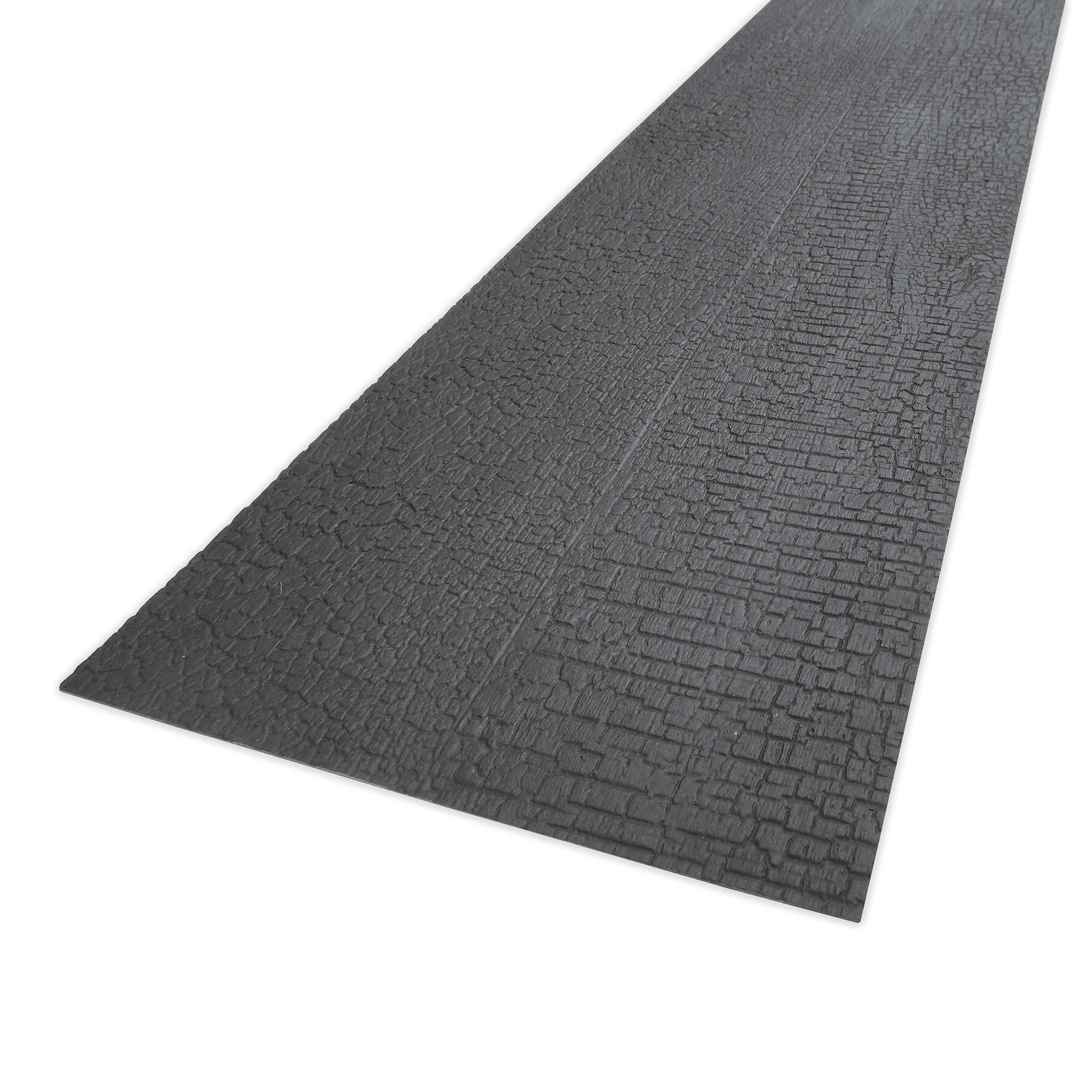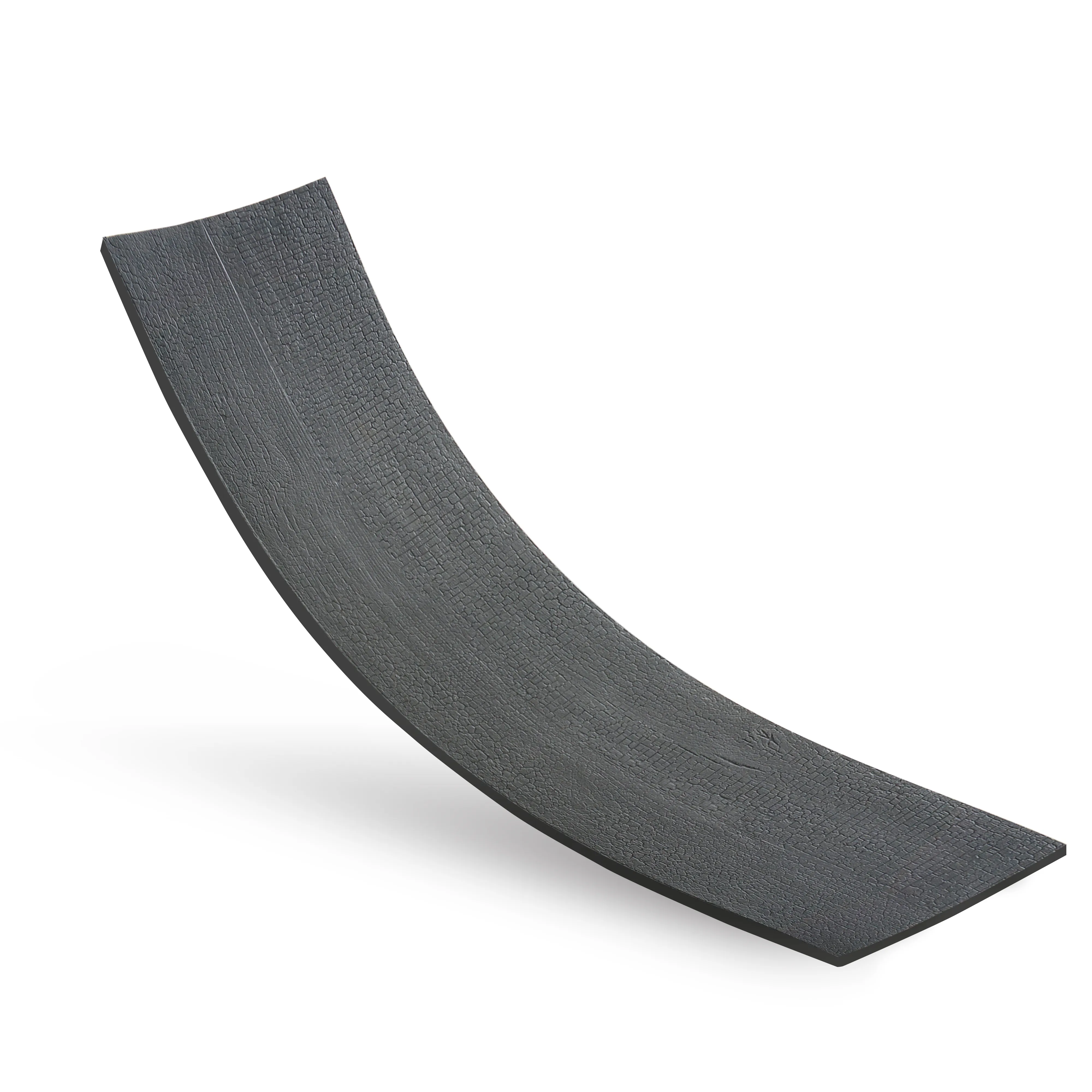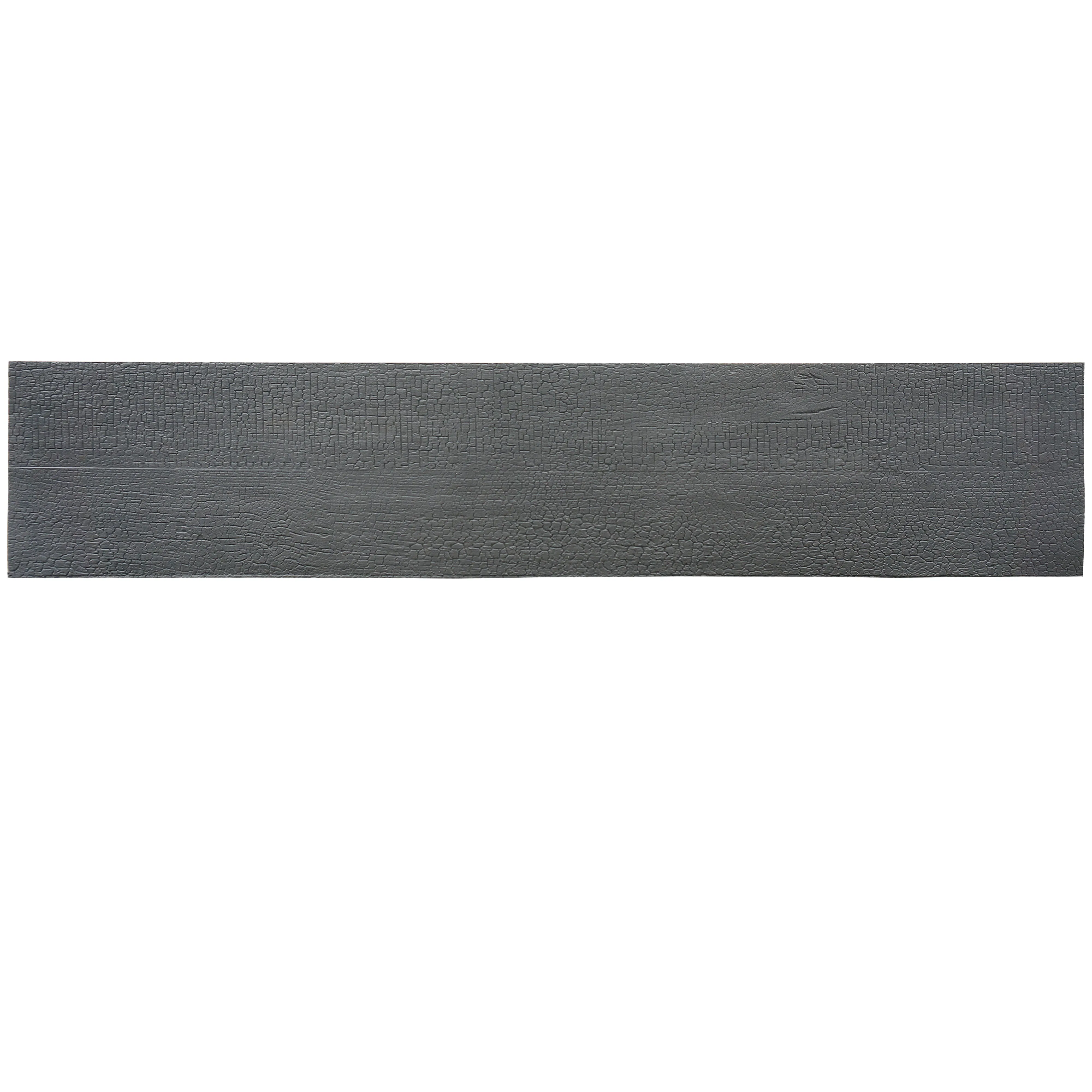
To understand the significance of charcoal burnt wood board, we first need to grasp the context of the green building movement. For most of the 20th century, construction relied heavily on materials like concrete, steel, and treated lumber—all of which come with steep environmental costs. Concrete production alone accounts for 8% of global CO2 emissions, while traditional wood treatments often involve toxic chemicals that leach into soil and water. By the early 2000s, as climate change warnings grew louder, the industry began to pivot. "Sustainable" stopped being a marketing term and became a promise: materials that minimize resource depletion, reduce waste, and support healthy indoor environments.
Today, green building materials span a spectrum, from recycled steel to bamboo flooring, but not all "eco-friendly" options are created equal. Some claim sustainability based on one metric—like low VOC emissions—while ignoring others, such as long-term impact on soil or water systems. This is where pH enters the picture. pH, a measure of acidity or alkalinity, might seem like a concept reserved for chemistry class, but in building materials, it's a silent indicator of how a product interacts with its environment. A material with an unbalanced pH can disrupt soil chemistry, corrode nearby metals, or even affect indoor air quality over time. For truly sustainable materials, pH isn't just a number—it's a promise of harmony with the planet.
Enter charcoal burnt wood board. Born from ancient Japanese techniques like shou sugi ban (a method of preserving wood by charring its surface), this material marries tradition with modern sustainability. Unlike pressure-treated lumber, which uses chemicals to resist rot, charcoal burnt wood relies on controlled burning to create a protective layer of carbon. The result? A material that's naturally resistant to pests, moisture, and decay—no toxic additives required. But how does pH factor into this? Let's start by unpacking what charcoal burnt wood board is, and why its pH level is more than just a scientific curiosity.