
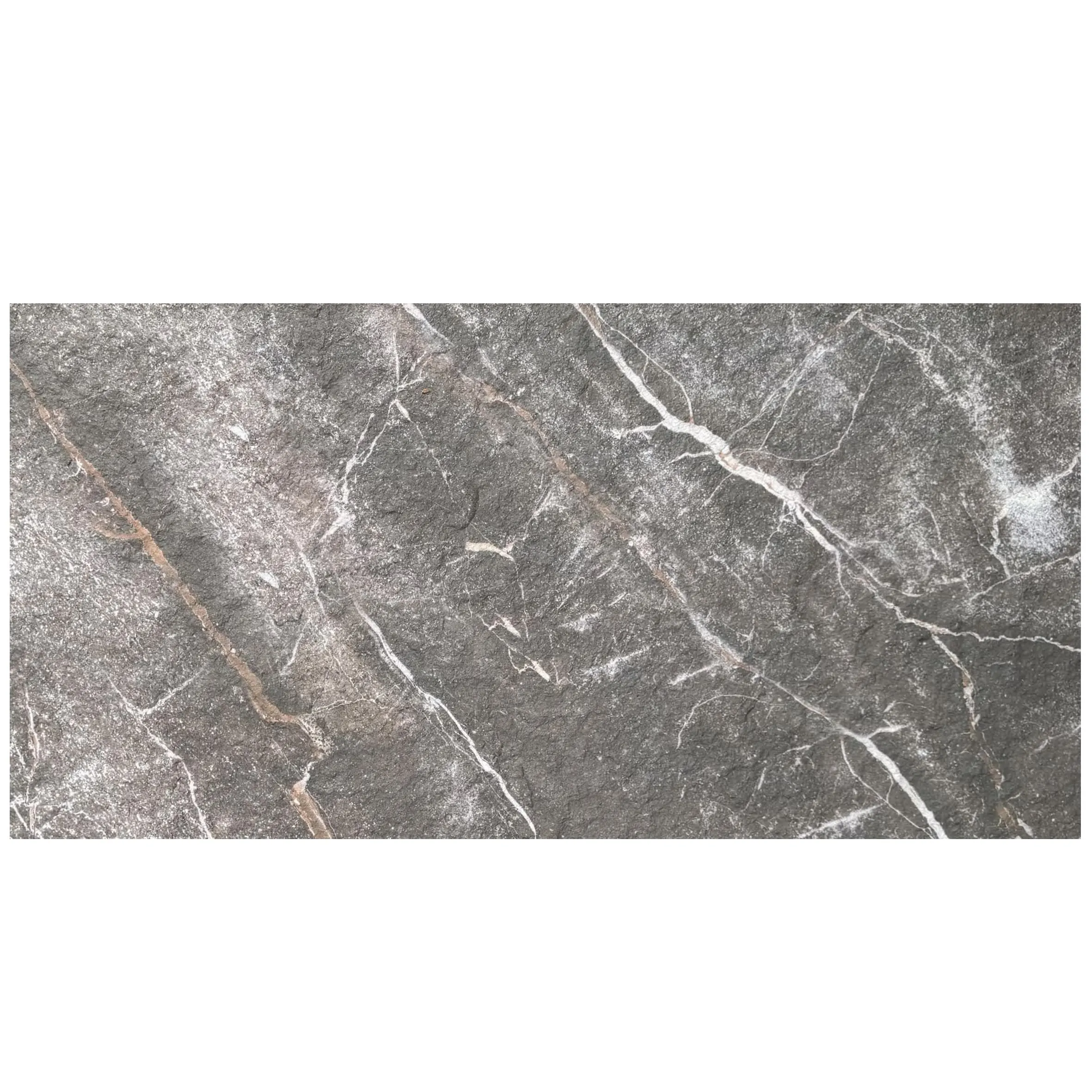
Exploring how Modified Composite Materials (MCM) are revolutionizing the construction industry, offering eco-friendly alternatives to overused natural stones while preserving aesthetic excellence.
Walk into any high-end hotel lobby, luxury retail store, or upscale residential building today, and there's a strong likelihood you'll encounter the unmistakable presence of Granite Portoro. Its deep, velvety black base, interlaced with bold golden veins, has earned it a reputation as the "black gold" of natural stones. For decades, architects and designers have turned to it to infuse spaces with a sense of timeless luxury—think the lobby of a five-star hotel in Dubai, the reception area of a boutique office in New York, or the exterior façade of a celebrity mansion in Los Angeles. Its durability, resistance to wear, and ability to age gracefully only add to its appeal; a Granite Portoro wall can look as striking after 50 years as it did on day one.
But what many don't see is the journey that piece of Granite Portoro takes to reach that wall. Quarried primarily in Italy, near the town of Portoro, the stone is extracted from massive rock formations deep within the earth. The process begins with dynamite blasting to loosen the rock, followed by heavy machinery to cut large blocks from the quarry face. From there, these blocks—each weighing several tons—are transported via trucks to processing facilities, often hundreds of miles away, where they're sliced into slabs, polished, and treated to enhance their natural veining. Finally, the finished slabs are loaded onto container ships, crossing oceans to reach construction sites worldwide.
This journey, while necessary to bring Granite Portoro's beauty to global markets, comes with a steep environmental cost. To understand why, let's break down the impact step by step.
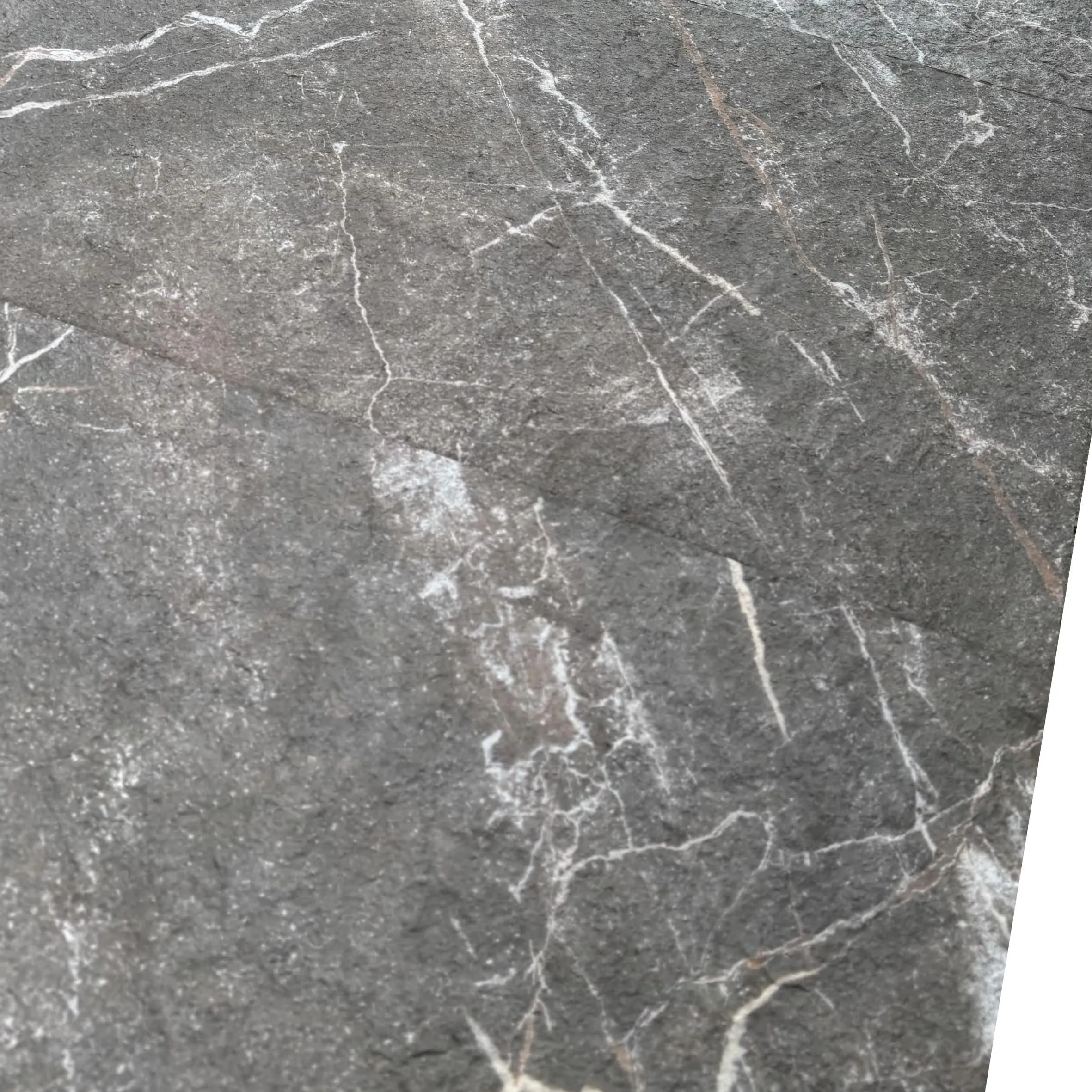
Quarrying for natural stone like Granite Portoro is not a gentle process. To access the stone, vast areas of land must be cleared—forests are cut down, soil is stripped away, and habitats are destroyed. In the Portoro region, once-lush hillsides have been transformed into barren landscapes, their ecosystems fragmented by open-pit mines. Local wildlife, from birds to small mammals, lose their homes, and soil erosion becomes a persistent issue, as the exposed earth is washed away by rain, polluting nearby rivers and streams with sediment.
Then there's the waste. According to the Natural Stone Institute, as much as 70% of the stone extracted from a quarry never makes it to market. Large blocks crack during blasting; others are deemed too flawed for high-end use. This waste is either dumped back into the quarry, filling in the very holes created by extraction, or hauled to landfills, where it occupies valuable space and leaches minerals into the soil over time.
Granite Portoro's global popularity means its carbon footprint is equally global. A single slab of Granite Portoro can travel over 5,000 miles from the Italian quarry to a construction site in Singapore or Australia. Each ton of stone transported by truck emits approximately 0.16 tons of CO2 per 100 miles; by ship, that number drops to around 0.01 tons per 100 miles, but the sheer distance—say, from Italy to China—still adds up. A 20-foot container carrying 20 tons of stone emits roughly 1.5 tons of CO2 on a transatlantic voyage alone. Multiply that by the millions of slabs shipped annually, and the carbon impact becomes staggering.
Once the stone reaches a processing facility, the environmental costs continue to mount. Cutting a single slab of Granite Portoro requires diamond-tipped saws that consume massive amounts of electricity. Polishing, which gives the stone its signature shine, involves grinding the surface with abrasive pads, a process that uses up to 1,000 liters of water per square meter—water that often becomes contaminated with stone dust and chemicals, requiring treatment before it can be reused or released.
Perhaps most concerning is the energy used in processing. A study by the European Stone Association found that producing one square meter of polished natural stone generates an average of 120 kg of CO2, compared to just 30 kg for some engineered alternatives. For context, that's the equivalent of driving a car 300 miles for a single slab of stone.
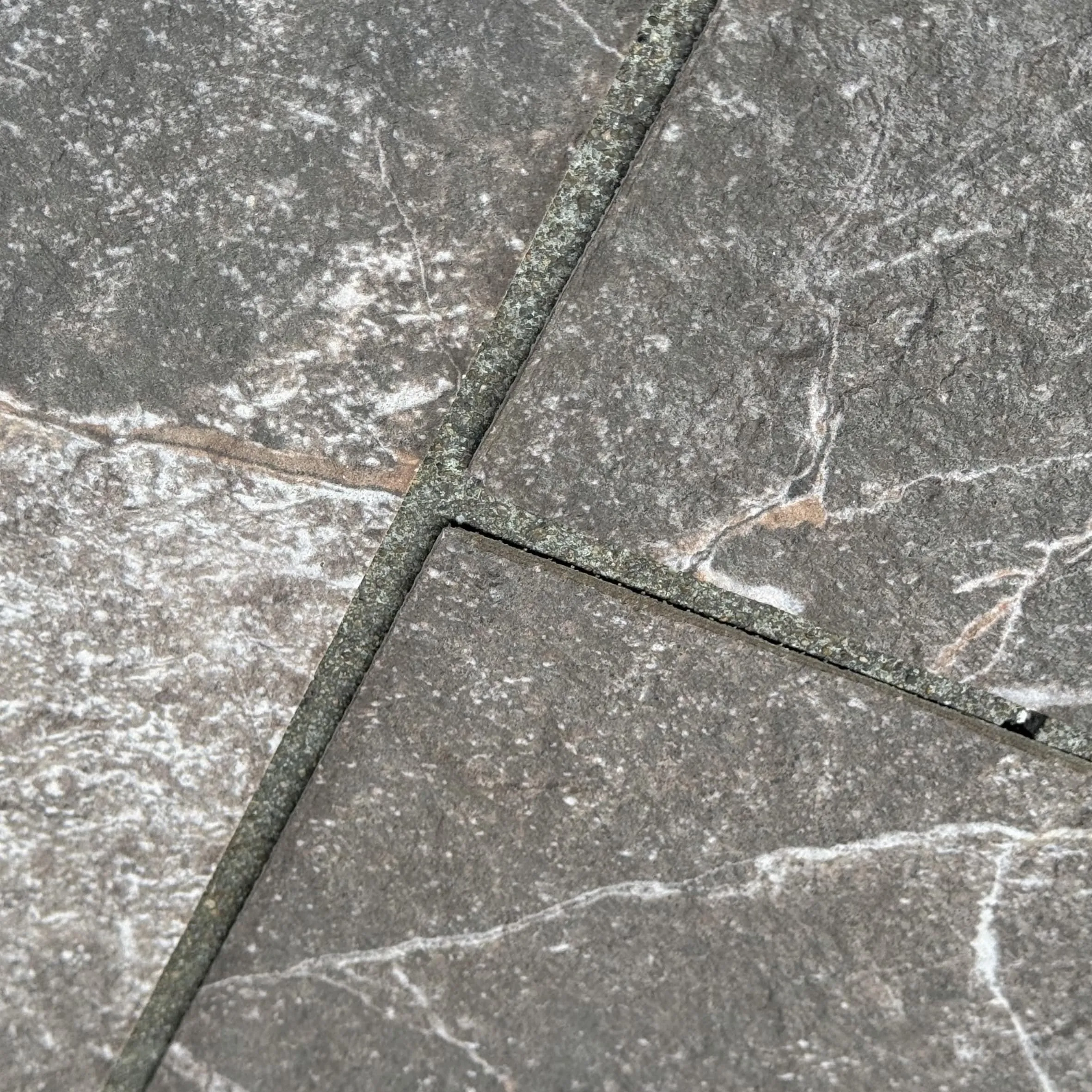
As the construction industry grapples with the need to reduce its environmental impact, a new player has emerged: Modified Composite Material, or MCM. Unlike natural stone, which is mined from the earth, MCM is an engineered material designed to replicate the look and feel of natural stone—from Granite Portoro's golden veins to the rough texture of travertine—while drastically cutting the environmental cost. At its core, MCM is a blend of natural minerals (like stone powder and clay), recycled materials (such as glass fibers and reclaimed polymers), and eco-friendly binders, all compressed into thin, durable panels that can be customized to mimic virtually any natural texture.
The result? A material that offers the best of both worlds: the aesthetic appeal of natural stone and the sustainability of modern engineering. Let's dive into two of MCM's most innovative offerings—MCM flexible stone and the MCM big slab board series—and explore how they're helping architects and builders move beyond Granite Portoro.
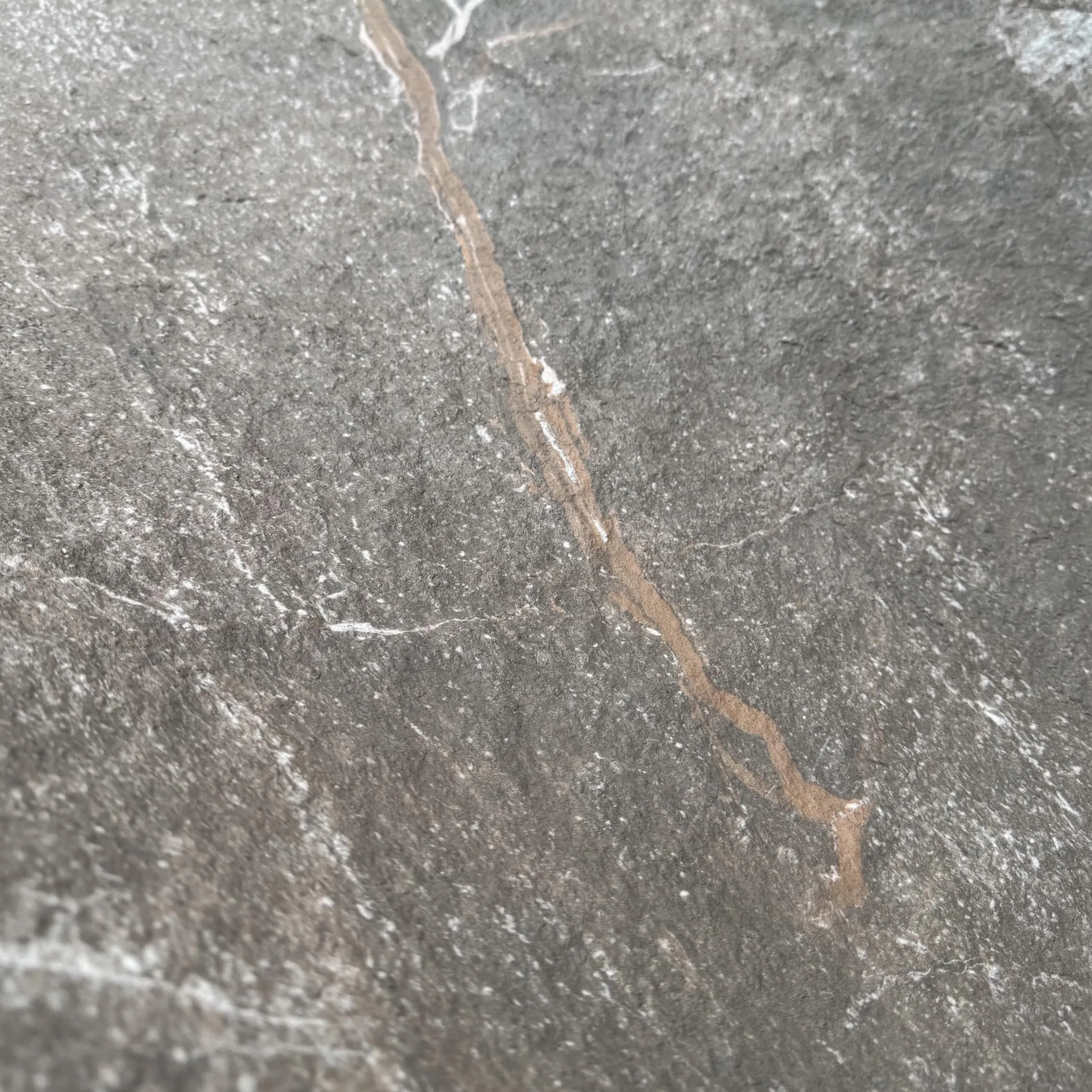
MCM flexible stone is exactly what its name suggests: a thin, bendable material that looks and feels like natural stone but can conform to curved surfaces, wrap around columns, or be installed in tight spaces where rigid natural stone would crack or require complex cutting. Typically measuring just 3-5mm thick and weighing 4-6 kg per square meter (compared to 20-30 kg for natural stone slabs), it's a lightweight alternative that transforms installation and transportation.
How is it made? The process starts with grinding natural stone waste—pieces that would otherwise end up in landfills—into a fine powder. This powder is then mixed with recycled fiberglass mesh (for strength), a water-based polymer binder (to hold it all together), and natural pigments (to achieve the desired color). The mixture is pressed into thin sheets under high pressure and heat, creating a material that's not only flexible but also surprisingly strong, with a tensile strength of up to 20 MPa—strong enough to withstand the rigors of exterior use.
The sustainability benefits of MCM flexible stone are hard to overstate. First, it repurposes stone waste that would otherwise contribute to landfill overflow. In Italy alone, natural stone quarries generate over 10 million tons of waste annually; MCM manufacturers are now partnering with these quarries to redirect that waste into their production lines, turning a liability into a resource.
Second, its lightweight nature slashes transportation emissions. A truck that can carry 100 square meters of natural stone slabs can carry 500 square meters of MCM flexible stone—reducing the number of trips needed by 80%. For a project in Sydney using MCM instead of imported Granite Portoro, that translates to cutting transportation-related CO2 emissions by over 70%.
Third, installation is far less wasteful. Natural stone slabs often crack during cutting or installation, leading to 10-15% material waste on-site. MCM flexible stone, by contrast, is easy to cut with standard tools, bends without breaking, and requires minimal trimming, reducing on-site waste to less than 2%. "We installed MCM flexible stone on a curved facade last year," recalls Juan Martinez, a construction manager in Barcelona. "With natural stone, we would have needed custom-cut pieces, each costing thousands and taking weeks to arrive. With MCM, we just rolled out the sheets, trimmed them on-site, and adhered them directly. Zero cracks, zero delays, and the waste fit into a single dumpster instead of a truckload."
Of course, sustainability alone isn't enough to replace a material as beloved as Granite Portoro. MCM flexible stone also delivers on aesthetics, with a range of finishes that mimic natural stone's depth and texture. Want the bold veins of Granite Portoro? MCM can replicate that with precision, using digital printing technology to recreate even the subtlest variations in color and pattern. Prefer a more rustic look? There are options with the rough, pitted surface of travertine or the weathered texture of sandstone.
And because it's engineered, MCM offers consistency that natural stone can't match. Natural Granite Portoro slabs vary widely in veining and color—one slab might have thick golden streaks, the next thin, faint lines—forcing architects to spend hours selecting matching pieces. MCM flexible stone, by contrast, is produced in batches with uniform color and pattern, ensuring a seamless look across entire walls or facades.
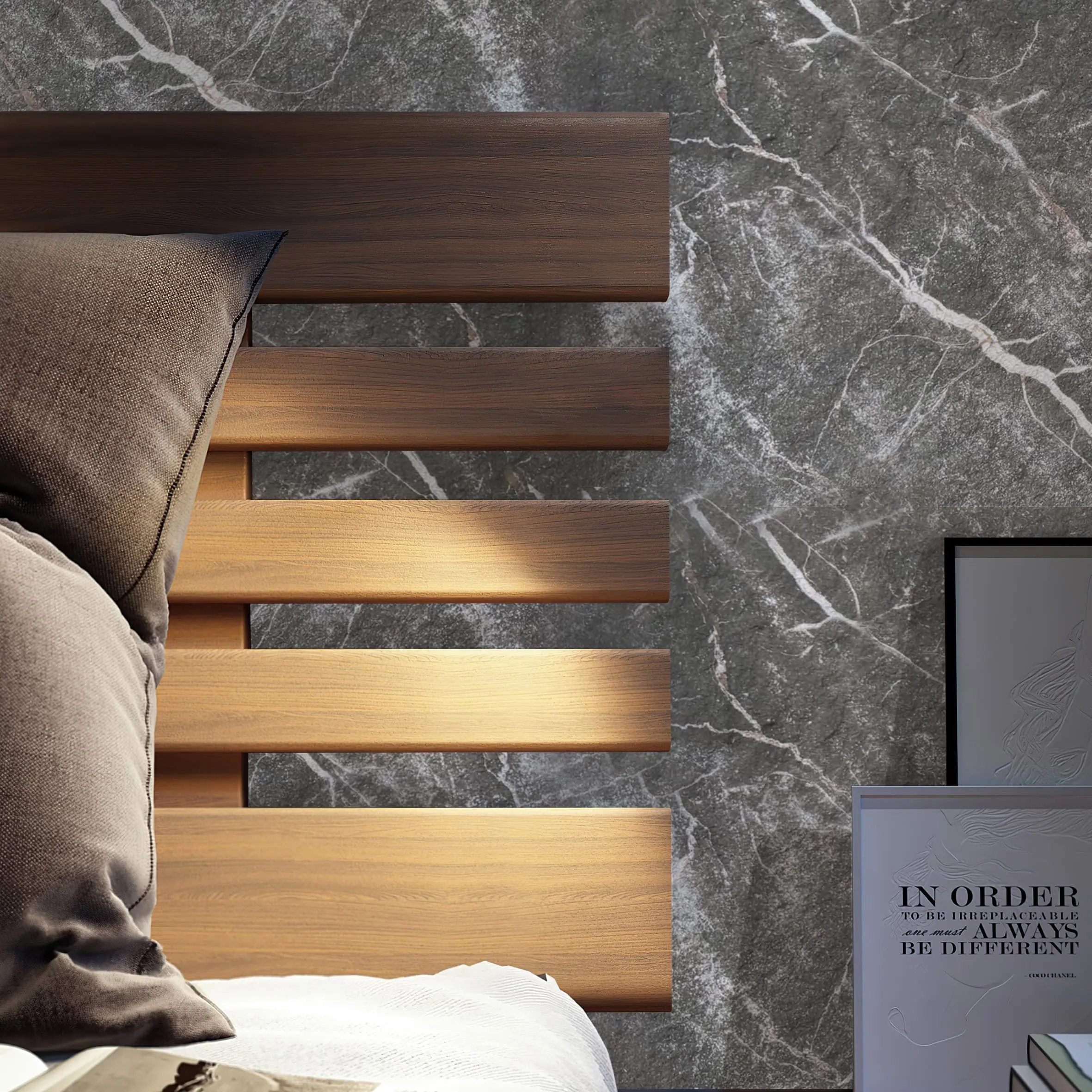
For projects requiring large, uninterrupted surfaces—think airport terminals, convention centers, or skyscraper facades—the MCM big slab board series is a game-changer. These slabs, available in sizes up to 1200x2400mm (nearly 4x8 feet), reduce the number of seams in a installation, creating a sleek, modern look that's difficult to achieve with natural stone, which is often limited to smaller slab sizes due to quarrying constraints.
Like MCM flexible stone, the big slab series is lightweight (around 8-10 kg per square meter) and easy to install, but its larger size offers additional benefits. Fewer seams mean less grout, less maintenance, and a cleaner aesthetic. For architects aiming for a minimalist design, this is invaluable. "We used MCM big slabs for the exterior of a tech campus in San Francisco," says James Chen, lead architect at a Bay Area firm. "The client wanted a monolithic look, like the building was carved from a single block of stone. With natural stone, we would have had hundreds of seams, each a potential weak point for water intrusion. With MCM big slabs, we covered 5,000 square meters with just 200 slabs—seams were almost invisible, and the installation took half the time."
Don't let their size fool you—MCM big slabs are tough. Engineered to withstand extreme weather conditions, from freezing temperatures to scorching heat, they're resistant to fading, cracking, and water damage. Unlike natural stone, which can absorb moisture and develop stains, MCM big slabs have a non-porous surface that repels water and resists mold and mildew. This durability translates to lower maintenance costs over time, a key consideration for commercial projects.
From a sustainability standpoint, the big slab series shares the same eco-friendly credentials as MCM flexible stone: recycled materials, low-energy production, and minimal waste. But its larger format adds another layer of efficiency: fewer slabs mean fewer packaging materials, fewer truck deliveries, and less labor during installation—all of which reduce the project's overall carbon footprint.
| Feature | Granite Portoro | MCM Flexible Stone | MCM Big Slab Board |
|---|---|---|---|
| Weight (kg/m²) | 25-30 | 4-6 | 8-10 |
| Carbon Footprint (kg CO2/m²) | 120 | 30 | 35 |
| Installation Waste | 10-15% | <2% | <3% |
| Seam Count (per 100m²) | 50-60 | 30-40 (flexible sheets) | 10-15 (large slabs) |
| Weather Resistance | High (porous, may stain) | High (non-porous, stain-resistant) | High (non-porous, stain-resistant) |
While MCM takes center stage in the sustainable cladding revolution, it's not the only player. Fair-faced concrete—also known as "architectural concrete"—has emerged as another eco-friendly alternative, prized for its raw, industrial aesthetic and low environmental impact. Unlike polished concrete, which requires extensive grinding and sealing, fair-faced concrete is left in its natural state, with visible formwork marks and a matte finish that highlights the material's inherent texture.
What makes fair-faced concrete sustainable? For starters, it uses less cement than traditional concrete. By optimizing the mix design—using fly ash (a byproduct of coal combustion) or slag (from steel production) as partial replacements for cement—it reduces the carbon footprint of the material. Cement production is responsible for approximately 8% of global CO2 emissions, so even a 20% reduction in cement content can make a significant difference.
Fair-faced concrete also minimizes waste. Because it's poured into formwork on-site, there's no need for cutting or trimming, and excess concrete can be reused in other parts of the project. Its durability is legendary, with some fair-faced concrete structures, like Le Corbusier's Villa Savoye, still standing strong after nearly a century. And aesthetically, it offers a versatile palette: from warm, earthy tones to cool grays, it can complement MCM cladding or stand alone as a statement material.
"We paired fair-faced concrete with MCM flexible stone on a community center project in Berlin," explains Lukas Weber, a sustainable design consultant. "The concrete provided a neutral backdrop, while the MCM added pops of texture and color inspired by local stone. The result was a building that felt rooted in its environment but with a carbon footprint 60% lower than if we'd used natural stone alone."
While sustainability is MCM's biggest selling point, it offers a host of other advantages that make it appealing to architects, builders, and clients alike. Let's break them down:
Natural stone like Granite Portoro is expensive—prices start at $200 per square meter and can exceed $500 for rare or high-quality slabs. MCM, by contrast, typically costs $50-$150 per square meter, depending on the finish and size. When you factor in lower transportation costs (due to its lightweight nature), reduced installation labor (faster and easier to install), and minimal waste (less material lost to cutting or cracking), the total cost savings can be as high as 40%.
"For a recent hotel renovation in Miami, we estimated the cost of cladding the lobby in Granite Portoro at $250,000," says Sarah Lopez, a project manager at a hospitality construction firm. "Switching to MCM big slabs brought that down to $120,000—savings we passed on to the client, who was thrilled to reduce costs without sacrificing the luxury look they wanted."
Installing natural stone requires skilled labor, specialized tools, and careful planning. Each slab must be lifted into place with cranes, leveled, and secured with mortar—a process that can take days for a single wall. MCM, on the other hand, is lightweight enough to be carried by two workers and can be installed using simple adhesives or mechanical fasteners. A team can clad an entire wall in a day, reducing construction timelines and minimizing disruption to other trades.
MCM isn't limited to interior walls. Its durability and weather resistance make it suitable for exterior facades, roofing, flooring, and even furniture. MCM flexible stone can be used to clad curved surfaces like columns or arches, while MCM big slabs work beautifully for large exterior panels. It's also compatible with a range of substrates, including concrete, metal, and wood, making it easy to integrate into existing structures during renovations.
MCM is designed to last. Its resistance to scratches, stains, and UV radiation means it won't fade or degrade over time, even in harsh climates. Unlike natural stone, which can develop cracks or chips from thermal expansion, MCM's flexibility allows it to expand and contract with temperature changes without damage. And because it's non-porous, it's easy to clean—no need for harsh chemicals or specialized sealants. "We installed MCM on the exterior of a coastal restaurant in Cape Town five years ago," says David Kim, a building maintenance supervisor. "The salt air would have eaten away at natural stone, but the MCM still looks brand new. We just hose it down once a month, and that's it."
To see MCM in action, look no further than the Green Tower, a 30-story mixed-use building in Seoul, South Korea. Designed by award-winning firm EcoArch, the tower was built with sustainability as its core mission, aiming to achieve LEED Platinum certification. One of the key strategies? Replacing traditional natural stone cladding with MCM.
The original design called for Granite Portoro and other natural stones for the lobby, elevator shafts, and exterior facade. But after conducting a carbon footprint analysis, the team realized that the stone cladding alone would account for 35% of the building's total embodied carbon. "We needed a way to maintain the luxury aesthetic without compromising our sustainability goals," says Min-Jun Park, lead architect at EcoArch. "That's when we discovered MCM flexible stone and big slabs."
The team opted for MCM big slabs in a Granite Portoro-inspired finish for the lobby walls, paired with MCM flexible stone in a travertine texture for the exterior facade. The results were impressive:
Today, the Green Tower stands as a testament to MCM's potential. "It's not just about replacing natural stone," Park reflects. "It's about reimagining what sustainable luxury can look like. MCM allowed us to create a building that's both beautiful and responsible—and that's the future of architecture."
As the construction industry continues to prioritize sustainability, MCM is poised to play an even larger role. Manufacturers are constantly innovating, developing new textures, colors, and formulations that push the boundaries of what engineered materials can do. One exciting development is the integration of 3D printing technology, which allows for custom MCM panels with intricate, organic shapes that would be impossible to achieve with natural stone or traditional manufacturing methods.
Another area of growth is the use of MCM in heritage restoration. Many historic buildings are clad in natural stone that's deteriorating due to age and pollution. MCM offers a way to replicate the original stone's appearance while providing better durability and easier installation, preserving these landmarks for future generations without further damaging the environment.
And as demand for MCM grows, so too does the potential for circularity. Some manufacturers are already exploring closed-loop systems, where old MCM panels are recycled into new ones, further reducing waste and carbon emissions. "The goal is to create a cradle-to-cradle material," says Elena Rodriguez, a materials scientist at a leading MCM producer. "We're not just replacing natural stone—we're building a sustainable ecosystem around cladding."
Granite Portoro will always hold a special place in the history of architecture. Its beauty is undeniable, and its legacy as a symbol of luxury is secure. But in a world where sustainability is no longer optional, we need alternatives that honor that legacy while embracing a more responsible future. MCM—with its combination of eco-friendliness, durability, versatility, and affordability—offers just that.
Whether it's the flexibility of MCM flexible stone, the grand scale of MCM big slabs, or the raw beauty of fair-faced concrete, these materials are proving that we don't have to choose between aesthetics and the planet. They're allowing architects to create spaces that inspire, builders to construct more efficiently, and clients to invest in projects that align with their values.
As Maria Gonzalez, the architect we heard from earlier, puts it: "The future of cladding isn't about sacrificing beauty for sustainability. It's about realizing they can coexist—and even enhance each other. MCM isn't just a material; it's a mindset shift. And that's the most exciting part."
So the next time you walk into a building and admire its stunning cladding, take a closer look. It might just be MCM—and that's a sign that the construction industry is finally building a future where luxury and sustainability go hand in hand.
Recommend Products












