
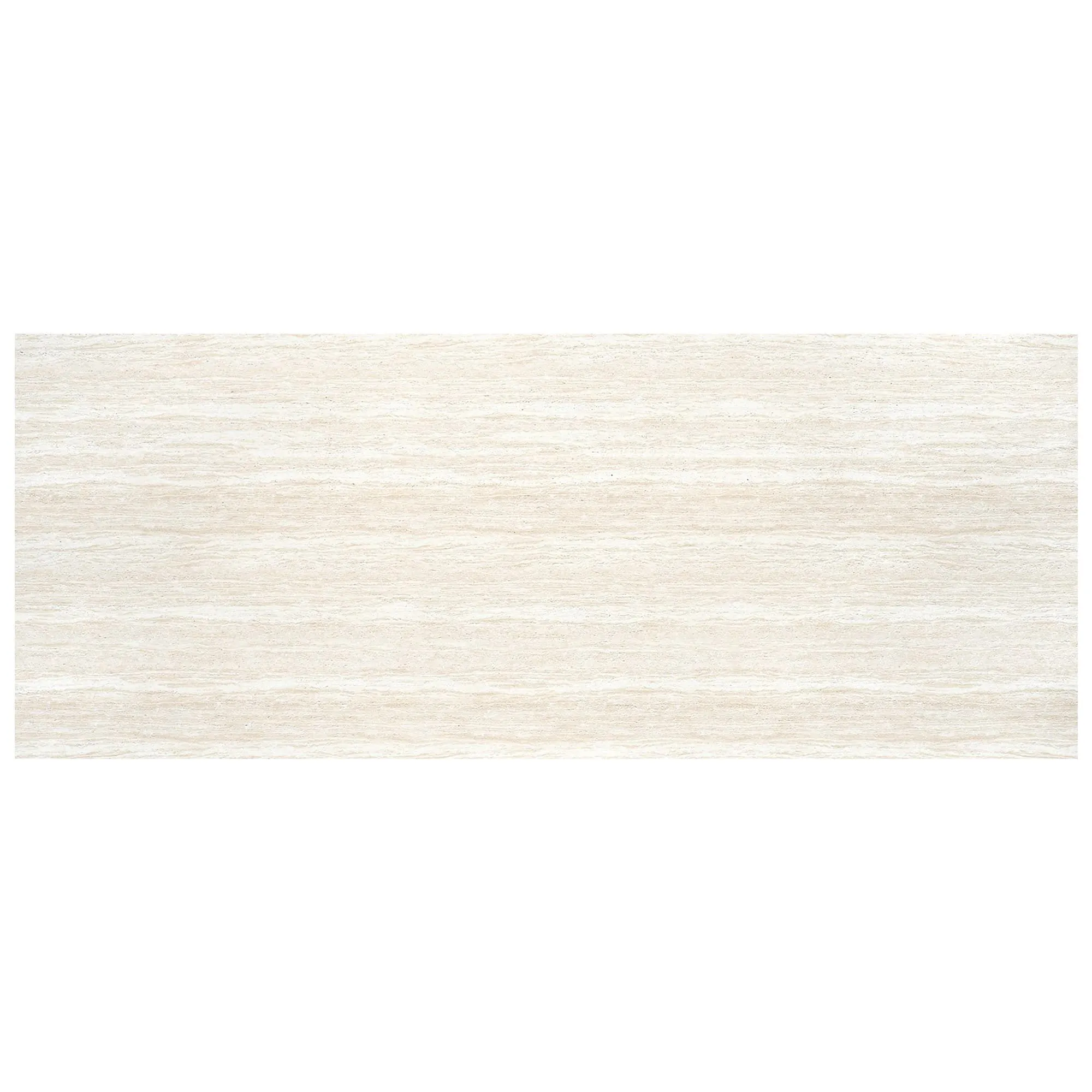
In an era where every decision we make echoes through the planet's future, the construction industry stands at a crossroads. We're no longer just building structures—we're crafting legacies, and the materials we choose today will shape the health of our communities and the environment for generations. That's where sustainable building materials come in, and few names resonate as strongly in this space as MCM. Among their innovative lineup, the MCM Wood Line has emerged as a standout, blending the warmth of natural wood with cutting-edge eco-friendly technology. But MCM's commitment to sustainability doesn't stop there. From flexible stone to foamed aluminium alloy boards and fair-faced concrete, their product portfolio is a testament to how innovation can align with environmental responsibility. Let's dive into how these materials are not just changing the way we build, but also helping projects earn the coveted green building certifications that signal a commitment to a better world.
Before we zoom in on the specifics, it's worth understanding what makes MCM different. This isn't a company that tacks "sustainable" onto marketing materials as an afterthought. Sustainability is baked into their DNA. For years, MCM has focused on reimagining traditional building materials, asking: How can we keep the beauty and functionality of classic materials while slashing their environmental footprint? The answer lies in innovation—whether that's using recycled materials, reducing waste in production, or creating products that last longer, require less maintenance, and minimize energy use over their lifecycle.
Take, for example, the problem with traditional wood siding. Beautiful, yes, but it often relies on deforestation, treatments with harsh chemicals, and a tendency to warp, rot, or fade over time—meaning more replacements, more waste, and more resources spent. MCM saw this gap and set out to create something better: enter the MCM Wood Line. But we'll circle back to that. First, let's talk about why green building certifications matter, and how materials like those from MCM play a starring role.
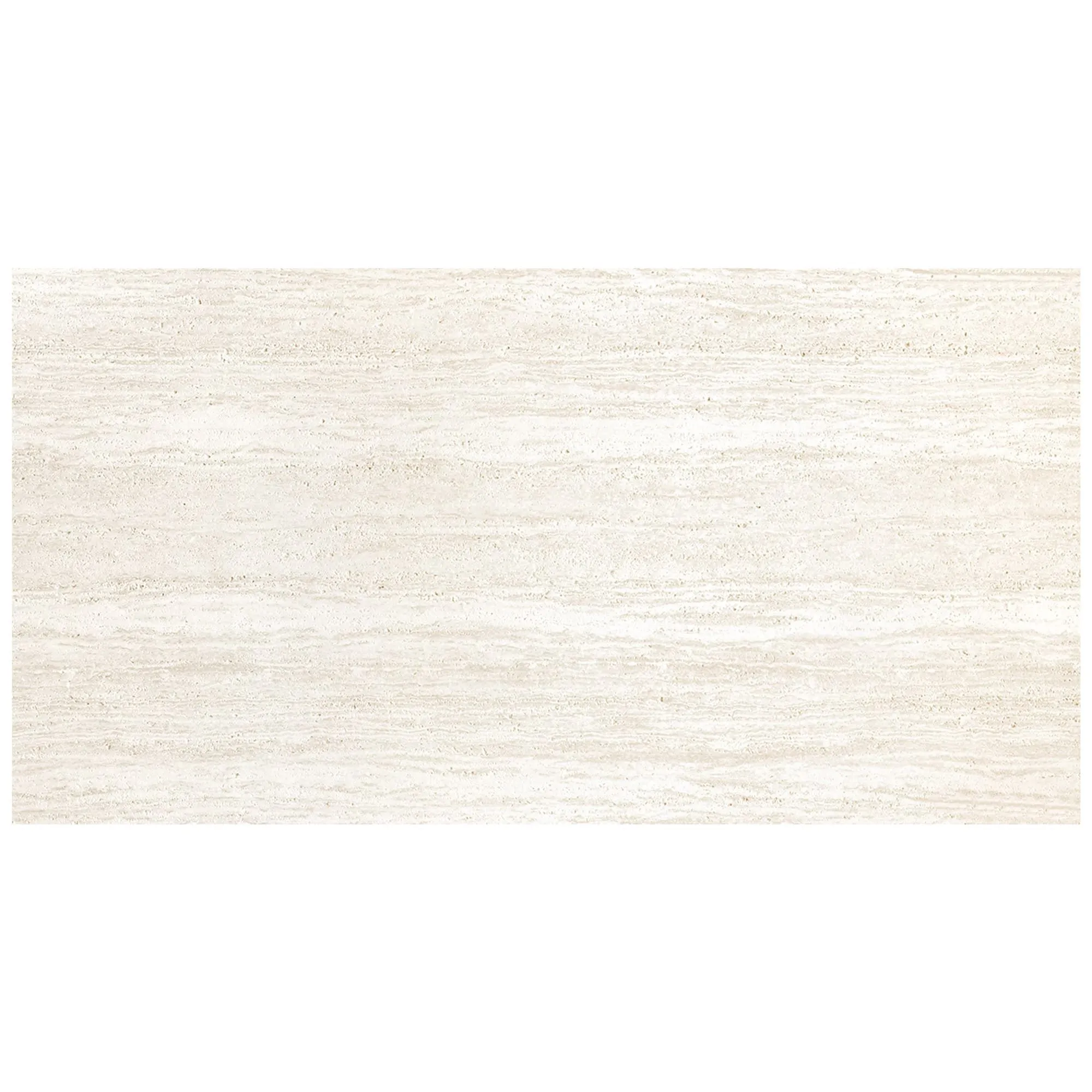
Walk into a room with MCM Wood Line panels, and you'll do a double-take. The texture is remarkably similar to real wood—warm, with visible grain patterns that evoke forests and craftsmanship. But touch it, and you'll notice the difference: it's more durable, resistant to moisture, and doesn't require the same chemical treatments as traditional wood. That's because MCM Wood Line isn't made from virgin timber. Instead, it's crafted using a blend of recycled wood fibers, bamboo, and eco-friendly binders, reducing the demand for logging and keeping waste out of landfills.
But sustainability isn't just about what goes into the product—it's about what doesn't. MCM Wood Line has ultra-low VOC (volatile organic compound) emissions, which means better indoor air quality for the people living or working in the space. Traditional wood products often off-gas harmful chemicals, contributing to "sick building syndrome" and long-term health issues. With MCM Wood Line, you get the aesthetic of wood without the health risks. It's a small detail, but one that matters deeply when you consider that most people spend 90% of their time indoors.
Durability is another feather in its cap. Traditional wood might last 10-15 years before needing replacement; MCM Wood Line, with its resistance to rot, pests, and weathering, can last 30 years or more. That longevity translates to less waste over time—fewer replacements mean fewer resources extracted, less energy used in production, and less material ending up in landfills. For architects and builders, this is a win-win: lower long-term maintenance costs and a product that aligns with their sustainability goals.
And let's not forget versatility. MCM Wood Line isn't just for exteriors. It works beautifully indoors, too—accent walls, ceilings, even furniture. Its ability to mimic different wood species (from oak to teak) means designers don't have to sacrifice style for sustainability. Whether you're going for a modern minimalist look or a rustic cabin vibe, there's a MCM Wood Line option that fits. It's this blend of form and function that makes it a favorite among professionals aiming for green certifications.
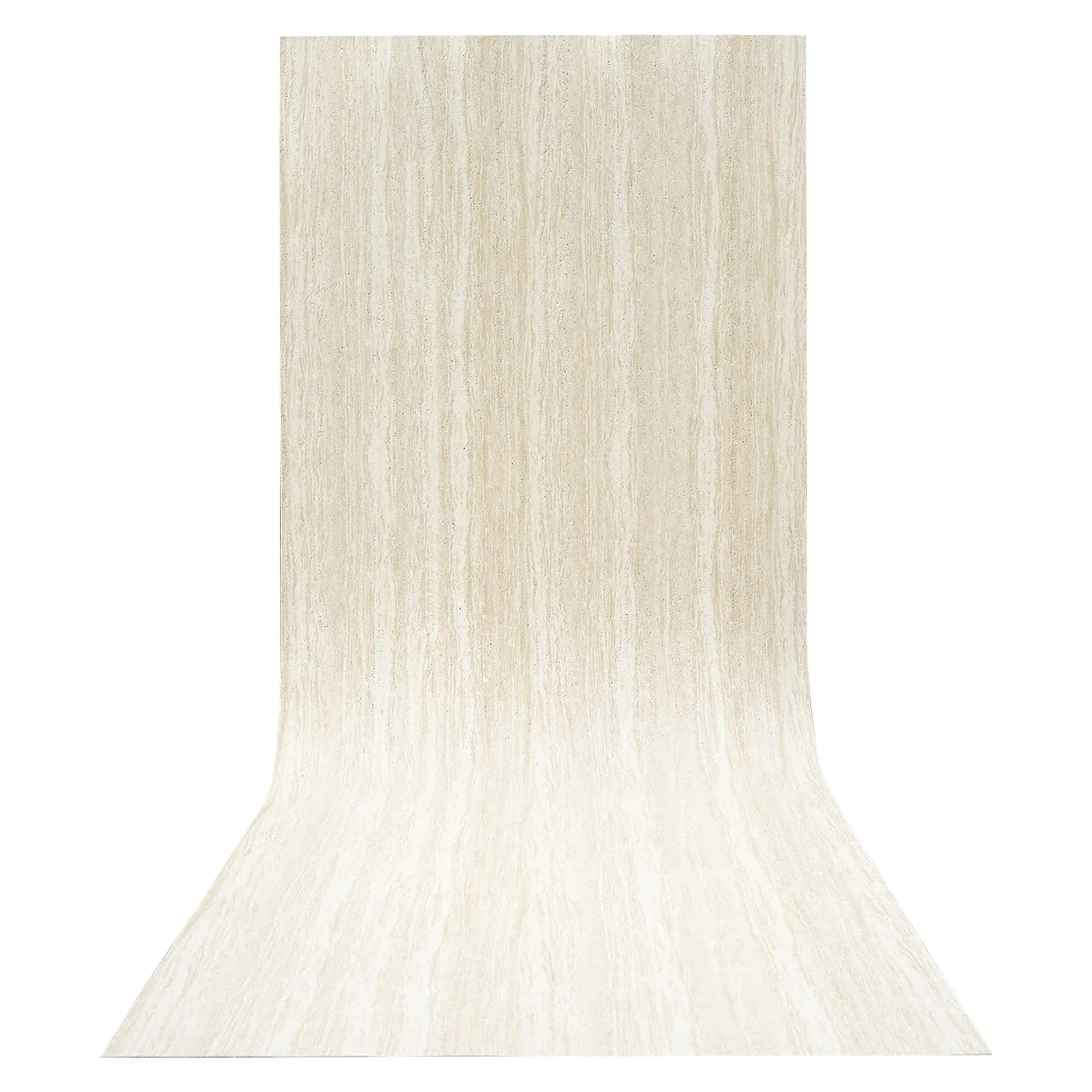
While the MCM Wood Line is a standout, it's just one player in MCM's sustainable lineup. Let's explore a few other stars that are helping projects go green.
Stone has been a building staple for millennia, but traditional stone slabs are heavy, difficult to transport, and often require extensive mining—an industry with a significant environmental impact. MCM's flexible stone turns this model on its head. As the name suggests, it's thin and flexible, making it easier to install and reducing the need for heavy machinery during transportation (which cuts down on carbon emissions). But don't let the flexibility fool you—this stuff is tough. It's resistant to cracks, stains, and heat, making it ideal for both indoor and outdoor use.
What's more, MCM's flexible stone is made using a high percentage of recycled stone dust and aggregates, diverting waste from quarries and reducing the need for new mining. For projects aiming for certifications like LEED, which rewards recycled content and reduced environmental impact, flexible stone is a no-brainer.
Aluminium is already a sustainable material—highly recyclable, with a low carbon footprint when recycled. But MCM took it a step further with their foamed aluminium alloy boards, available in finishes like vintage silver, vintage gold, and gold. The "foamed" part refers to a manufacturing process that creates a lightweight, porous structure without sacrificing strength. This means easier installation (less labor, less energy), and a product that's resistant to corrosion, fire, and even sound—making it perfect for high-traffic areas or buildings where noise reduction is key.
Like their other products, MCM's foamed aluminium alloy boards prioritize recycled content. A significant portion of the aluminium used comes from post-consumer and post-industrial waste, aligning with green certification criteria that value circular economy practices. And aesthetically? They add a sleek, modern touch to any space—proof that sustainability and luxury don't have to be mutually exclusive.
Concrete often gets a bad rap for being energy-intensive to produce. But fair-faced concrete—concrete left exposed, with its natural texture and color on display—has long been admired for its industrial-chic aesthetic. MCM's take on fair-faced concrete is designed to minimize its environmental impact. By optimizing the mix to reduce cement content (cement production is a major source of CO2 emissions) and incorporating recycled aggregates, MCM has created a version of fair-faced concrete that's both visually striking and eco-friendly.
What's more, fair-faced concrete's durability means it lasts for decades, reducing the need for repairs or replacements. Its thermal mass also helps regulate indoor temperatures, cutting down on heating and cooling costs—a big plus for certifications that reward energy efficiency, like LEED's Energy and Atmosphere category.
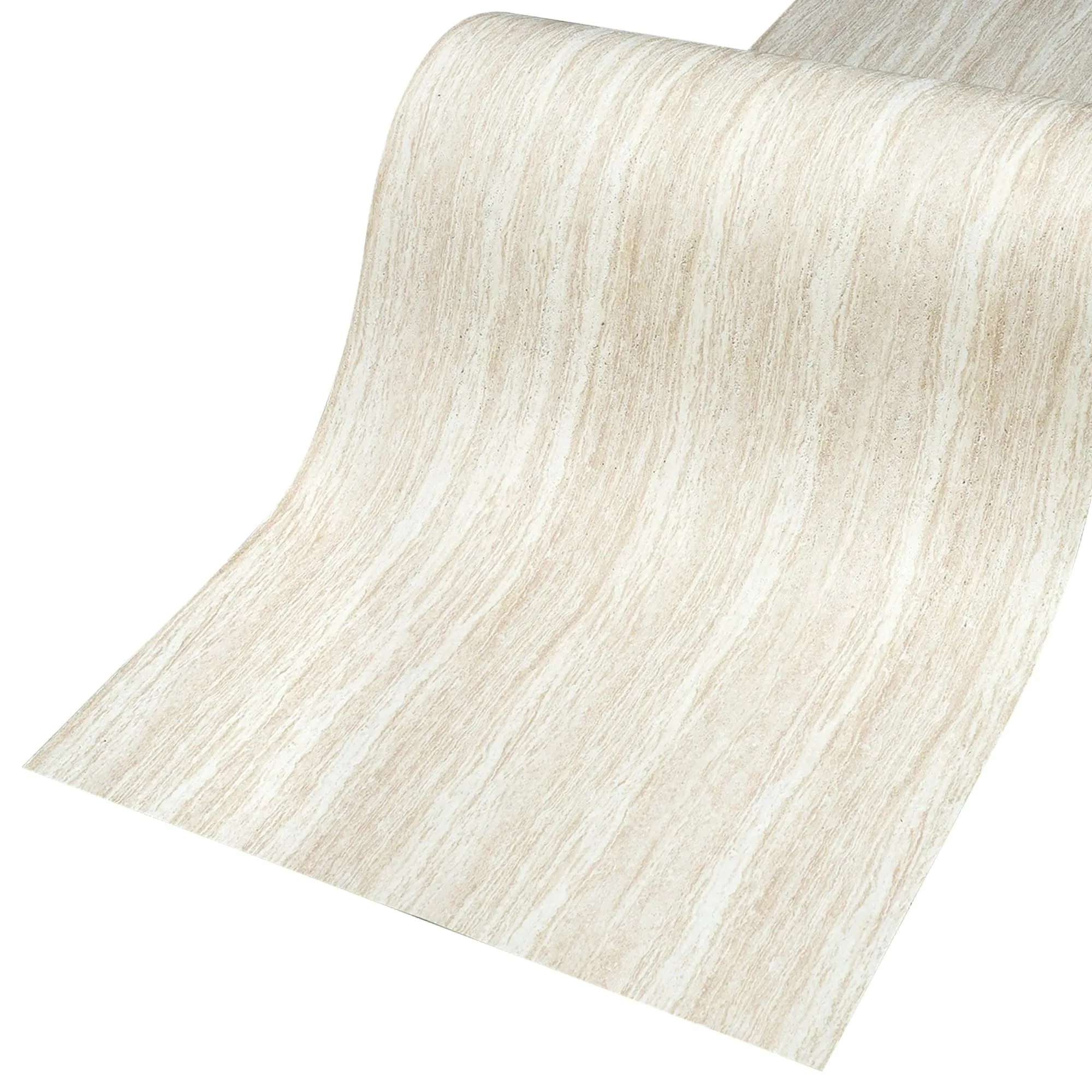
Green building certifications like LEED (Leadership in Energy and Environmental Design), BREEAM (Building Research Establishment Environmental Assessment Method), and WELL (focused on health and wellness) aren't just badges of honor. They're rigorous standards that ensure buildings are designed, built, and operated in ways that protect the environment, enhance occupant health, and save resources. To earn these certifications, projects must meet criteria across categories like energy efficiency, indoor air quality, water conservation, and material selection. This is where MCM's products shine. Let's break down how specific MCM materials align with key certification criteria.
| MCM Material | Key Sustainability Features | Green Certification Alignment |
|---|---|---|
| MCM Wood Line | Recycled wood fibers, low VOC emissions, long lifespan (30+ years), moisture resistance | LEED: Materials and Resources (recycled content), Indoor Environmental Quality (low VOCs); BREEAM: Materials (responsible sourcing), Health & Wellbeing (indoor air quality) |
| Flexible Stone | High recycled stone content, lightweight (reduced transportation emissions), crack/stain resistance | LEED: Materials and Resources (recycled content, waste reduction); BREEAM: Waste (construction waste management), Transport (reduced carbon footprint) |
| Foamed Aluminium Alloy Boards (Vintage Silver/Gold) | Recycled aluminium, lightweight (energy-efficient installation), corrosion/fire resistance | LEED: Materials and Resources (recycled content, recyclability); BREEAM: Materials (circular economy), Fire Safety (risk reduction) |
| Fair-Faced Concrete | Reduced cement content, recycled aggregates, thermal mass (energy efficiency) | LEED: Energy and Atmosphere (thermal regulation), Materials and Resources (recycled aggregates); BREEAM: Energy (operational energy efficiency), Materials (responsible sourcing) |
Take LEED, for example. One of its core categories is "Materials and Resources," which rewards using products with recycled content, sourcing materials locally to reduce transportation emissions, and minimizing waste. MCM Wood Line, with its recycled wood fibers, checks the recycled content box. Flexible stone, with its lightweight design, reduces transportation emissions, aligning with LEED's "Transportation" credits. And because MCM's products are durable, they reduce the need for frequent replacements—meaning less waste over time, which contributes to LEED's "Construction and Demolition Waste Management" criteria.
Indoor air quality is another big one for certifications like LEED and WELL. Traditional building materials often off-gas VOCs, which can cause headaches, allergies, and long-term health issues. MCM's products, including the Wood Line and flexible stone, are designed with low or zero VOC emissions, creating healthier spaces for occupants. Imagine a school built with MCM materials—kids and teachers breathing easier, fewer sick days, and a building that contributes to their wellbeing. That's the kind of impact that earns certifications and, more importantly, makes a real difference in people's lives.
Energy efficiency is yet another area where MCM materials excel. Fair-faced concrete's thermal mass helps stabilize indoor temperatures, reducing the load on heating and cooling systems. Foamed aluminium alloy boards, with their soundproofing properties, can reduce the need for additional insulation, cutting down on energy use. And because MCM products are long-lasting, buildings require less maintenance and fewer repairs—saving energy and resources over time.
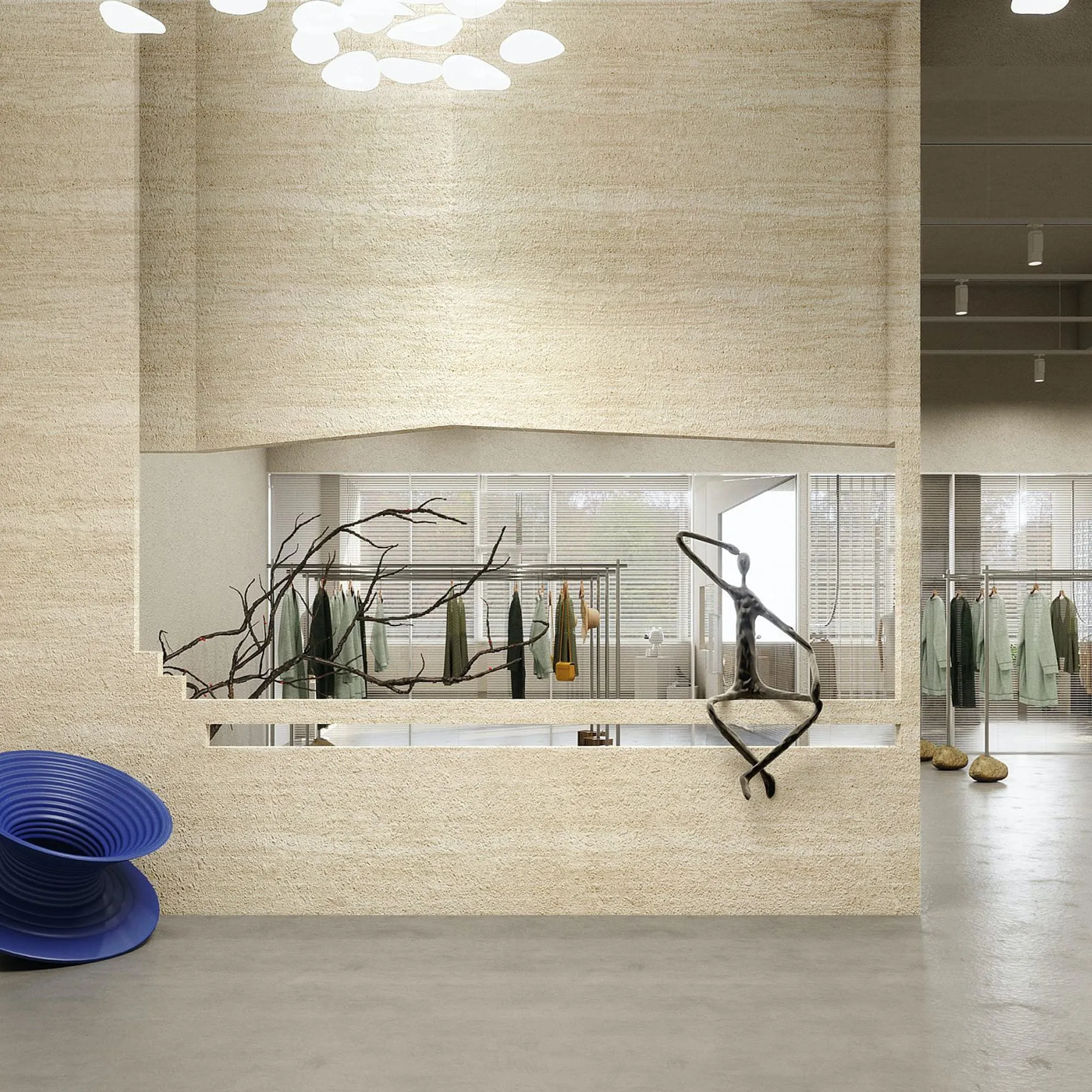
It's one thing to talk about sustainability in theory, but seeing it in action is where the impact hits home. Let's look at a few hypothetical (but realistic) examples of how MCM materials have helped projects achieve green certifications.
Case Study 1: The EcoVillage Community Center (LEED Gold Certified)
Located in a suburban area, the EcoVillage Community Center was designed to be a hub for the neighborhood—with a library, fitness room, and outdoor gathering space. The architects wanted a warm, inviting exterior that blended with the surrounding greenery, so they chose MCM Wood Line panels for the siding. Inside, they opted for flexible stone in the lobby (resistant to foot traffic) and foamed aluminium alloy boards in the fitness room (easy to clean and moisture-resistant). Thanks to the recycled content in these materials, the project earned points in LEED's Materials and Resources category. The low VOC emissions from the Wood Line and stone also contributed to Indoor Environmental Quality credits. Add in the energy savings from the fair-faced concrete walls (used in the auditorium for thermal regulation), and the center easily achieved LEED Gold.
Case Study 2: The Urban Loft Apartment Building (BREEAM Excellent Certified)
In a bustling city, space is limited, and sustainability is a selling point for renters. The developers of this 12-story loft building wanted to stand out, so they used MCM materials throughout. The exterior features foamed aluminium alloy boards in vintage silver, which are lightweight (reducing construction time and emissions) and corrosion-resistant (lower maintenance). Inside, kitchens and bathrooms use flexible stone countertops, and the hallways have MCM Wood Line accent walls. The project's BREEAM Excellent certification was boosted by the high recycled content in all these materials, as well as the reduced waste from MCM's precision-cut panels (less on-site cutting means less debris). Tenants love the modern, durable finishes, and the building's energy bills are 20% lower than comparable structures—proof that sustainability and profitability can go hand in hand.
The construction industry is evolving, and green building certifications are no longer optional—they're expected. As more architects, builders, and developers prioritize sustainability, the demand for materials that deliver on both performance and environmental responsibility will only grow. MCM is already ahead of the curve, but they're not stopping. The company is investing in research to develop even more innovative products—think self-healing concrete, solar-integrated panels, and materials made from agricultural waste. Their goal? To make sustainable building the default, not the exception.
What's exciting is that this isn't just about certifications. It's about creating buildings that are better for people and the planet. A home built with MCM materials isn't just "green"—it's a space where families can thrive, free from harmful chemicals, and confident that their home is contributing to a healthier future. A commercial building using MCM products isn't just a workplace—it's a statement that the company cares about its employees, its community, and the world we all share.
Sustainable construction isn't a trend; it's a responsibility. And in that responsibility lies an opportunity—to build structures that are beautiful, functional, and kind to the planet. MCM's lineup, from the Wood Line to flexible stone, foamed aluminium alloy boards, and fair-faced concrete, shows us that this is possible. These materials don't ask us to choose between aesthetics and sustainability—they deliver both. They help projects earn green certifications, yes, but more importantly, they help build a legacy of which we can all be proud.
So, to the architects, builders, and developers reading this: the next time you're planning a project, consider the materials that will shape it. Choose materials that tell a story of innovation and care. Choose MCM. Because the buildings we build today aren't just for us—they're for the generations that will call them home tomorrow.
Recommend Products












