
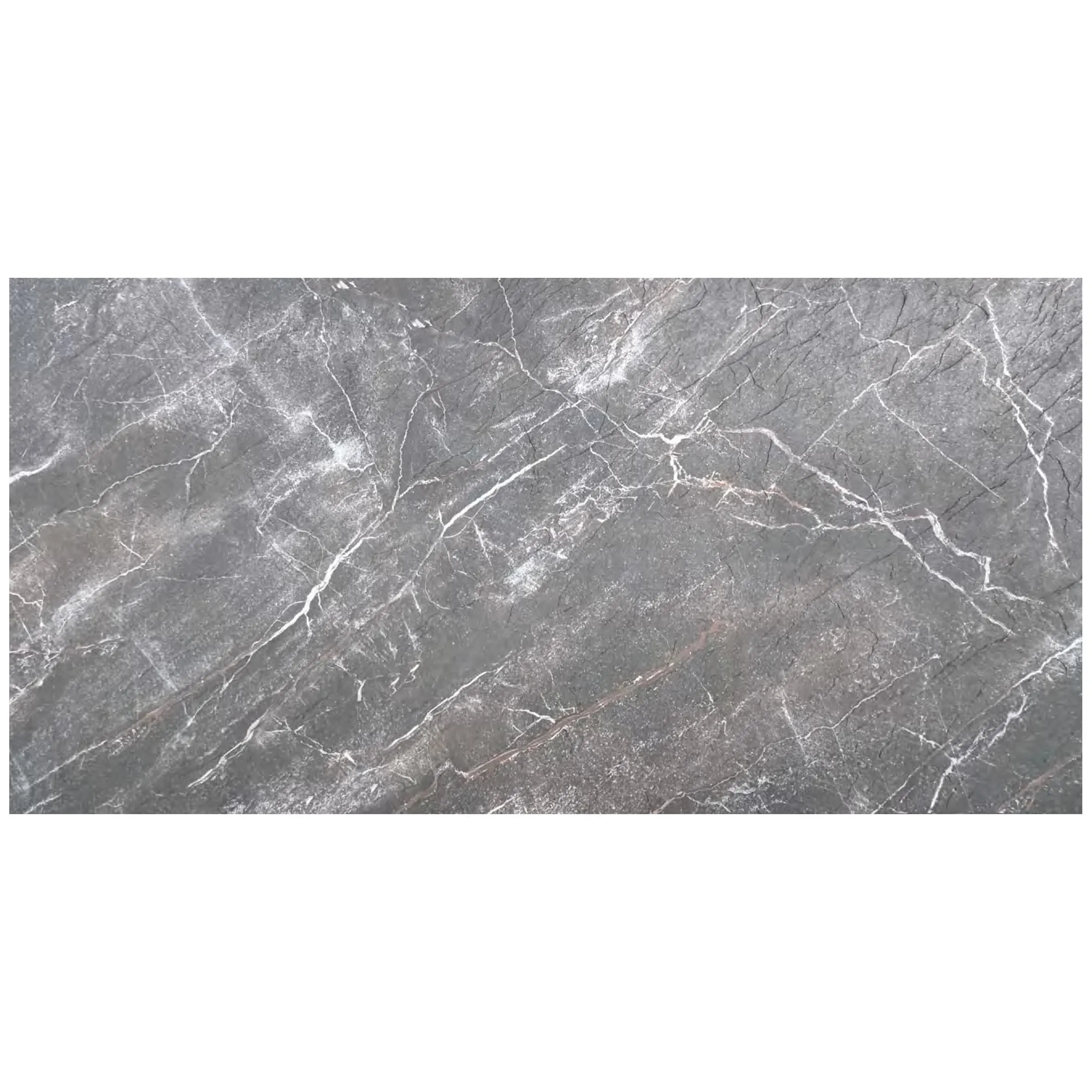
In a world where every decision echoes through the planet's ecosystems, the construction industry stands at a crossroads. We build to create shelter, inspire communities, and shape the skyline—but for too long, this progress has come with a hidden cost: carbon emissions, resource depletion, and landscapes scarred by extraction. Traditional materials like Slate Portoro, beloved for its deep, veiny elegance, have long been a go-to for architects aiming to make a statement. Yet behind that beauty lies a heavy footprint: quarries that disrupt local ecosystems, transportation networks that guzzle fuel, and manufacturing processes that pump carbon into the air. Today, though, the tide is turning. Enter MCM (Modified Composite Material), a brand redefining what sustainable construction can look like—without sacrificing an ounce of style. Let's dive into how MCM is offering fresh, low-carbon alternatives to Slate Portoro, proving that green building can be just as stunning as it is responsible.
Slate Portoro, with its dramatic black base and gold veins, has adorned luxury hotels, corporate lobbies, and high-end residences for decades. Its allure is undeniable—it feels opulent, timeless, and robust. But let's pull back the curtain. Extracting natural stone like Slate Portoro involves heavy machinery, which burns fossil fuels; transporting massive slabs across continents adds to the carbon tally; and cutting and finishing the stone generates waste that often ends up in landfills. A single square meter of traditional stone cladding can emit up to 45kg of CO2, according to industry estimates—before even factoring in the energy used to heat, cool, or maintain the buildings it adorns.
Worse, many stone quarries operate in ecologically sensitive areas, disrupting habitats and depleting water sources. For architects and builders committed to sustainability, this presents a paradox: how do you create spaces that feel luxurious and enduring while honoring the planet? The answer, it turns out, lies not in abandoning beauty, but in reimagining it through materials that work with the Earth, not against it. That's where MCM steps in.
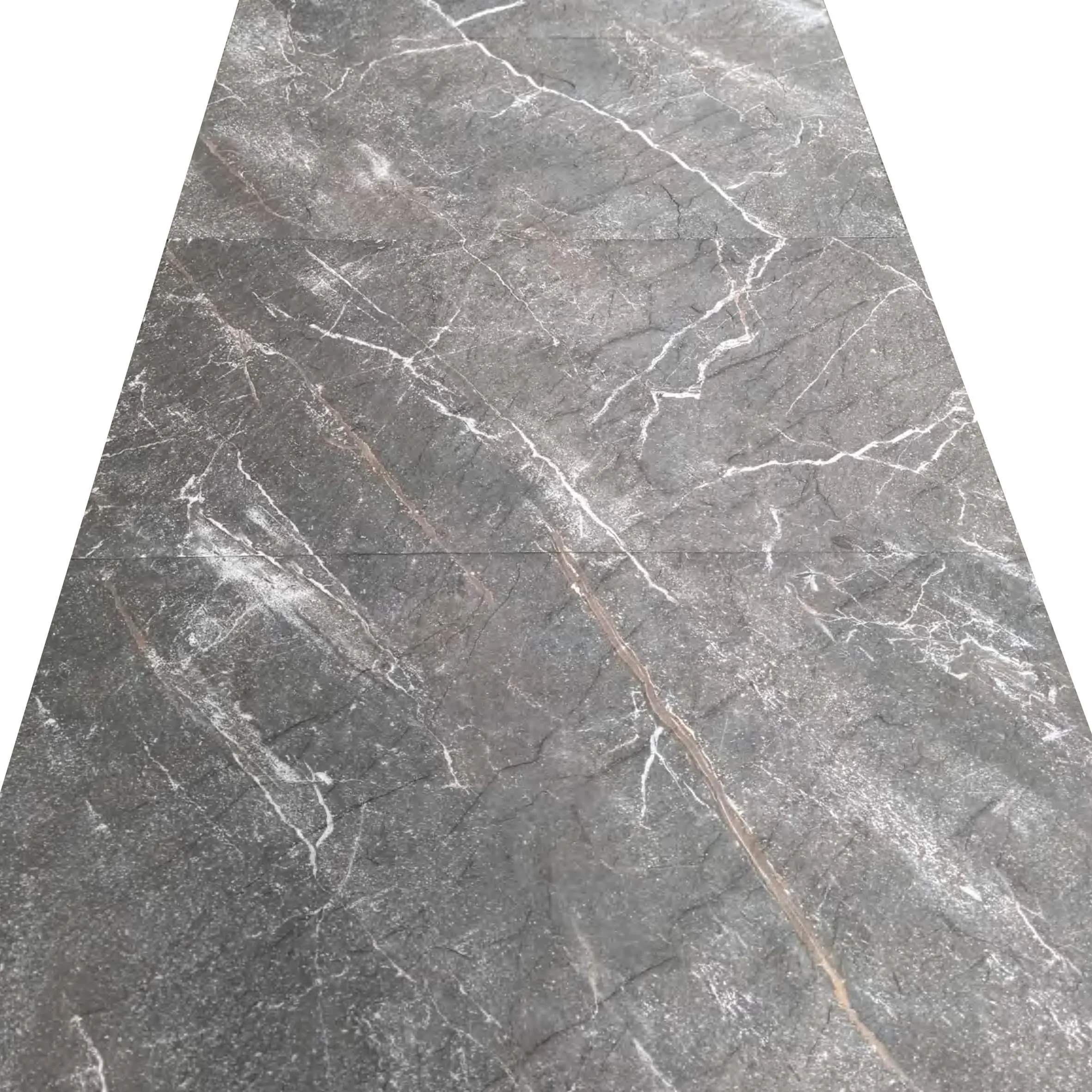
MCM isn't just a material—it's a philosophy. Founded on the idea that construction should leave the planet better than it found it, the brand has spent years innovating materials that mimic the look and feel of traditional options but with a fraction of the environmental impact. Their secret? A focus on low-carbon manufacturing, recycled inputs, and designs that prioritize durability (so buildings need fewer replacements over time). From flexible stone panels to 3D-printed textures, MCM's lineup reads like a love letter to both design and the planet. Let's explore five standout alternatives to Slate Portoro that are changing the game.
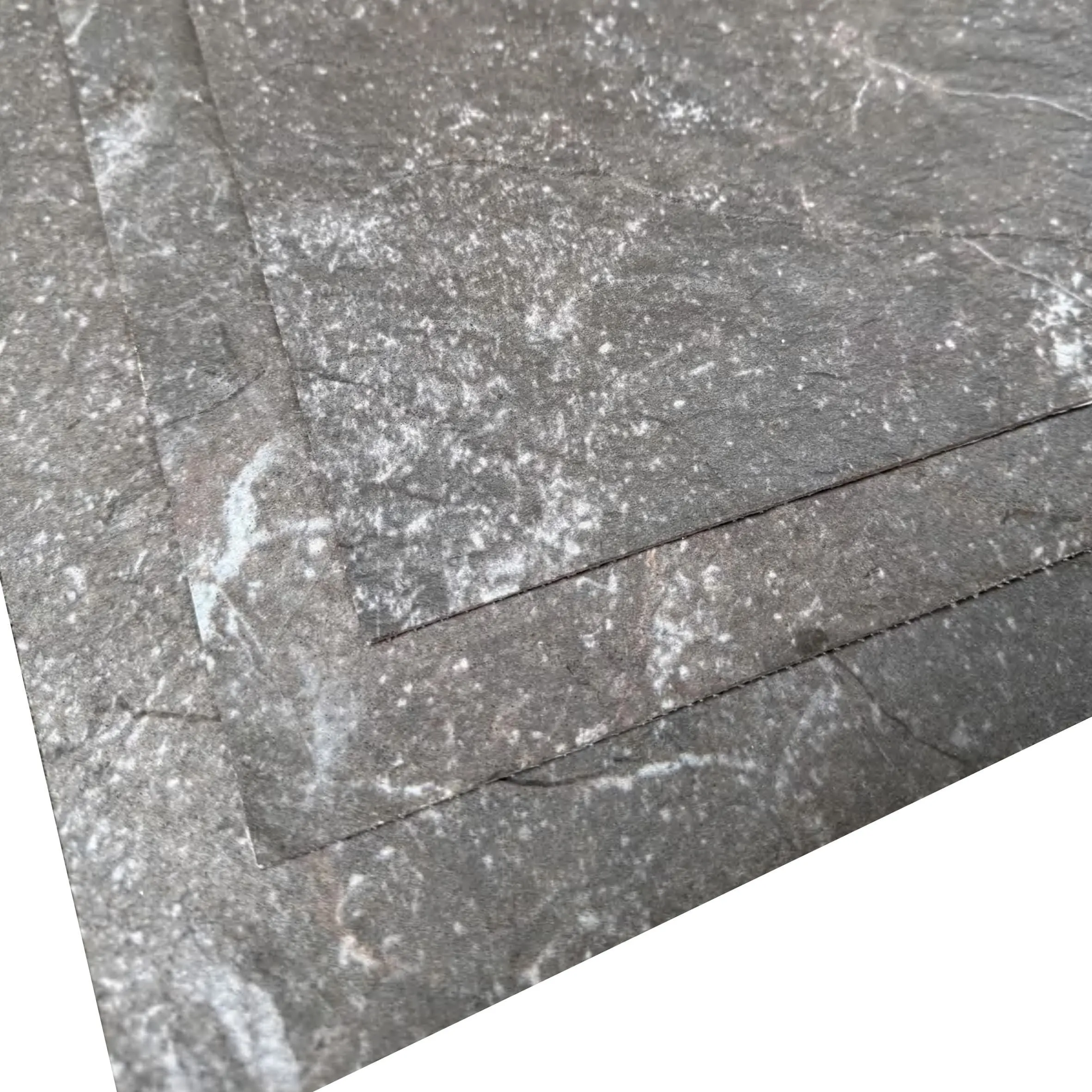
Imagine a material that looks like quarried stone but weighs 70% less, installs in half the time, and emits 60% less CO2 during production. That's MCM Flexible Stone. Made from a blend of recycled minerals and a low-carbon binder, this material bends and adapts to curved surfaces—think undulating building facades or organic-shaped interiors—without cracking. Unlike Slate Portoro, which requires heavy machinery to extract and transport, MCM Flexible Stone comes in lightweight panels that reduce fuel use during shipping and cut down on installation labor.
But the real magic is in the details. MCM's artisans mimic the texture of natural stone so closely that you'd swear you're running your hand over quarried rock. Take their travertine (starry blue) variant: tiny, iridescent flecks embedded in a soft blue base evoke a night sky reflected on water. It's the kind of material that turns a commercial lobby into a conversation starter—without the guilt. Architects in Copenhagen recently used it to clad a 12-story apartment building, slashing the project's carbon footprint by 35% compared to traditional stone.
Concrete has a reputation for being cold and industrial, but MCM's Fair-Faced Concrete flips that script. This isn't your average gray slab—it's a material with personality. Textured to look like hand-troweled concrete from a historic villa, it comes in warm tones (think soft beige, charcoal, or even terracotta) that add depth to any space. What makes it sustainable? MCM replaces 30% of the cement in its mix with fly ash (a byproduct of coal plants that would otherwise end up in landfills), cutting CO2 emissions by 25% per panel. Plus, its durability means buildings clad in Fair-Faced Concrete can last 50+ years with minimal maintenance.
Designers love it for its versatility. A boutique hotel in Lisbon used it for both exterior walls and interior accent pieces, pairing it with wood accents to create a rustic-modern vibe. "It feels grounded, like it's been part of the landscape forever," says the hotel's architect. "But knowing it's made with recycled materials? That makes it even more special."
For projects craving the warmth of wood without the deforestation, MCM's Wood Grain Board is a revelation. Crafted from recycled bamboo fibers and a plant-based resin, this material mimics the look of oak, teak, or walnut so faithfully that you can see the growth rings and knots. Unlike solid wood, which requires felling mature trees, MCM Wood Grain Board uses fast-growing bamboo (a sustainable crop that absorbs 5x more CO2 than trees) and generates zero waste during production—scraps are ground up and reused in new panels.
Its applications are endless: exterior cladding for a mountain retreat, accent walls in a café, or even furniture. A recent project in Vancouver used it to clad a community center, and locals still stop to run their hands over the "wood," shocked to learn it's eco-friendly. "It feels alive," one resident noted. "Like the building is breathing with the forest around it."
Travertine has long been a favorite for its porous, organic texture, but traditional travertine mining often dries up natural springs and disrupts river ecosystems. MCM's travertine (starry blue) reimagines this classic material with a cosmic twist—and a clean conscience. Made using a closed-loop water system (so no freshwater is wasted) and 40% recycled stone dust, this variant features a deep blue base dotted with iridescent particles that catch the light like stars. It's bold, playful, and perfect for making a statement without harming the planet.
A restaurant in Barcelona used it for their bar front, and patrons can't get enough. "It's like drinking under the night sky," one regular. "I never thought a wall could make me feel so calm." And because it's resistant to stains and weathering, the bar won't need refinishing for decades—another win for sustainability.
For projects that lean into modern, industrial design, MCM's Foamed Aluminium Alloy Board (Vintage Silver) is a showstopper. Lightweight, corrosion-resistant, and 100% recyclable, this material has the sleek, metallic look of aged aluminum but with a production process that uses 80% less energy than mining raw aluminum. The "vintage" finish comes from a chemical-free aging process, giving it a lived-in charm that pairs beautifully with wood or concrete.
A tech startup in Berlin chose it for their office exterior, and it's become a local landmark. "We wanted something that felt forward-thinking but not cold," said the company's CEO. "This aluminum board checks both boxes—and we love that it's 100% recyclable. When we eventually expand, we can melt it down and turn it into something new."
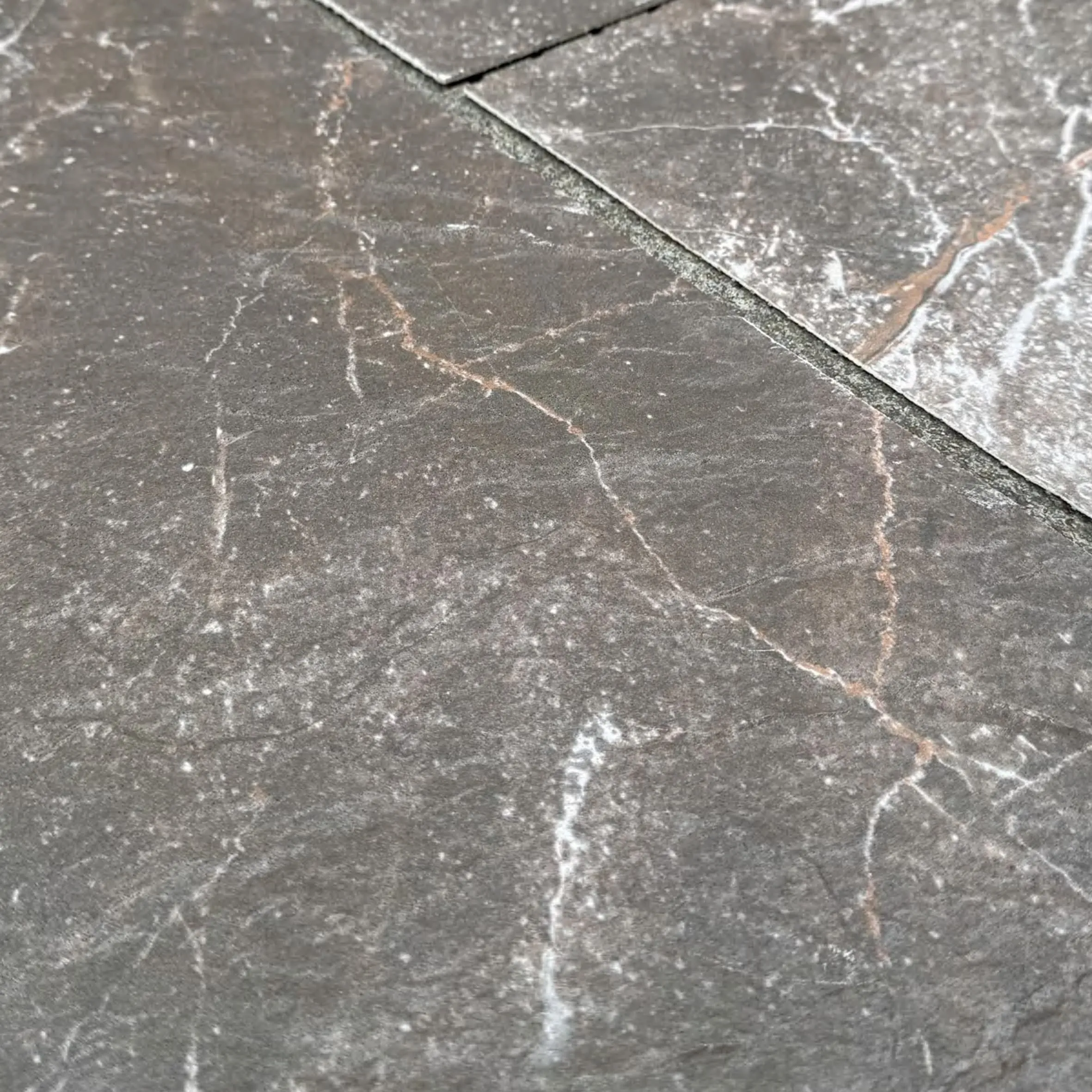
| Material | Carbon Footprint (kg CO2/m²) | Durability (Years) | Design Flexibility | Ideal Applications |
|---|---|---|---|---|
| MCM Flexible Stone | 8–10 | 50+ | High (bends, curves, custom textures) | Facades, accent walls, hotels |
| Fair-Faced Concrete | 12–15 | 60+ | Medium (smooth or textured finishes) | Offices, community centers, museums |
| Wood Grain Board | 5–7 | 40+ | High (mimics 20+ wood types) | Cafés, homes, retail spaces |
| Travertine (Starry Blue) | 9–11 | 55+ | Medium (custom colors, star patterns) | Restaurants, bars, statement walls |
| Foamed Aluminium Alloy (Vintage Silver) | 7–9 | 70+ | Medium (metallic finishes, industrial textures) | Offices, tech hubs, modern exteriors |
| Traditional Slate Portoro | 35–40 | 60+ | Low (limited to natural veining) | Luxury lobbies, historic renovations |
*Carbon footprint estimates based on MCM's 2024 sustainability report and industry averages for traditional stone.
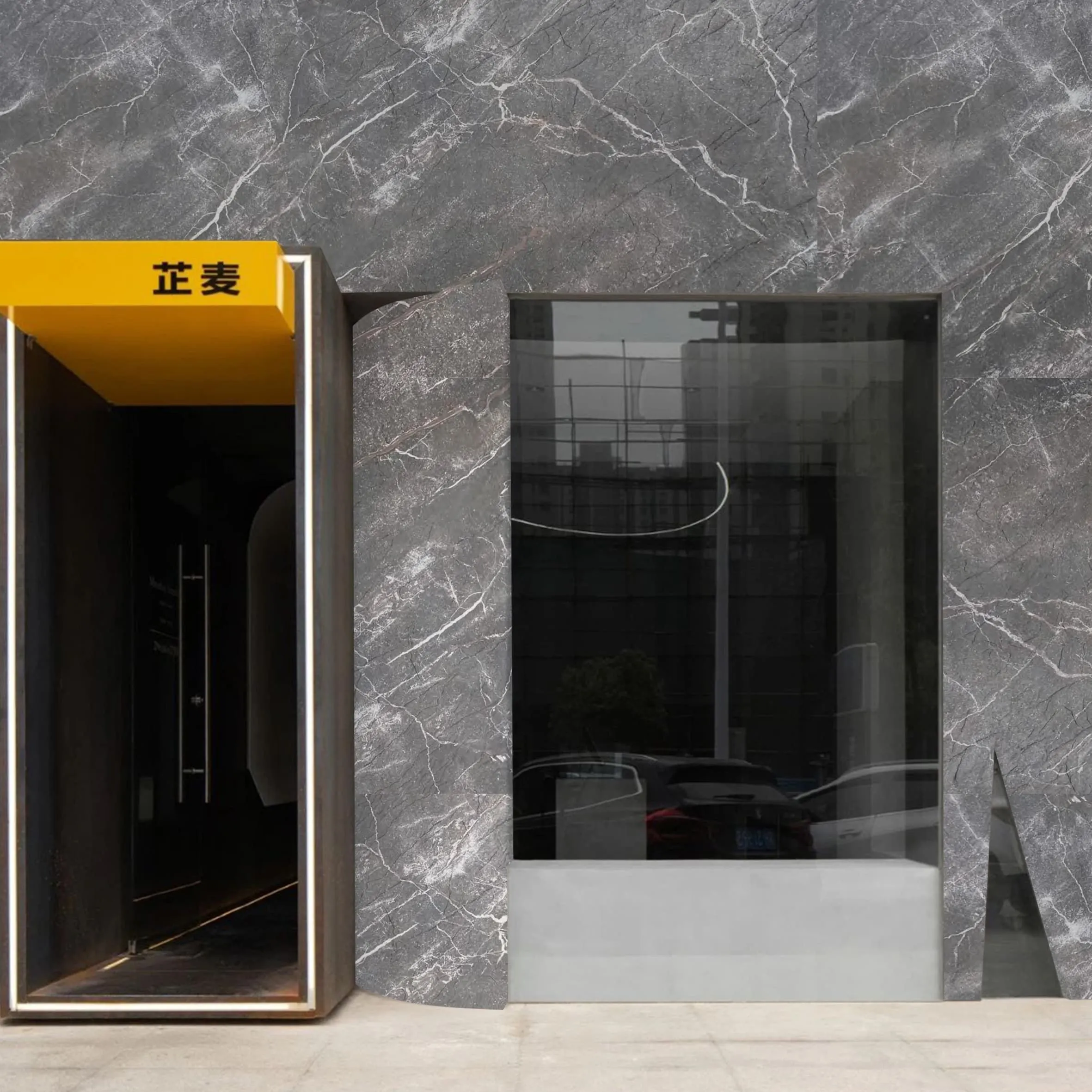
What makes these materials so eco-friendly? It starts with how they're made. MCM's factories run on 100% renewable energy (solar, wind, and hydro), and their supply chain prioritizes local suppliers to cut transportation emissions. They've also invested heavily in 3D printing technology —part of their MCM 3D Printing Series—which allows them to create complex textures with minimal waste. Traditional stone cutting can waste up to 30% of raw material; with 3D printing, that number drops to 5%. It's precision meets sustainability, and it's changing the game for architects who want both creativity and conscience.
Take their wood grain board, for example. Instead of cutting down trees, MCM grinds up recycled bamboo scraps (leftover from furniture manufacturing) into a fine powder, mixes it with a plant-based resin, and 3D prints it into panels with the exact texture of oak or walnut. The result? A material that looks and feels like wood but uses 90% less water and 80% less energy to produce than solid timber.
Numbers tell part of the story, but real-world projects bring it to life. Take the GreenHaven Apartments in Portland, Oregon. Built using MCM Flexible Stone, Wood Grain Board, and Fair-Faced Concrete, the 50-unit complex has a carbon footprint 45% lower than similar buildings using traditional materials. Tenants rave about the natural light (thanks to the flexible stone's thin profile, which allows for larger windows) and the warmth of the wood grain accents. "I moved here because I wanted to live more sustainably," said tenant Maria. "But I stayed because it feels like home. The materials are so beautiful—I forget they're eco-friendly."
Or consider the Horizon Office Park in Singapore, which used Foamed Aluminium Alloy Boards and Travertine (Starry Blue) for its facade. The park's carbon emissions during construction were cut by 30%, and its reflective aluminum panels reduce heat absorption, lowering cooling costs by 20% annually. "Sustainability doesn't have to mean sacrificing style," said lead architect Tan Wei. "MCM proves that you can have both—and your bottom line benefits too."
Sustainable construction isn't a trend—it's a responsibility. As we face the challenges of climate change, every decision we make about the buildings we create matters. Slate Portoro has long been a symbol of luxury, but luxury shouldn't come at the planet's expense. MCM's alternatives offer a new kind of luxury: one that feels good to look at, good to live in, and good for the Earth.
Whether you're designing a home, a office, or a community center, these materials prove that sustainability and beauty aren't opposites—they're partners. So the next time you're choosing a cladding or surface material, ask yourself: Does this leave the planet better than it found it? With MCM, the answer is a resounding yes. After all, the most beautiful buildings are the ones that stand the test of time—for both their design and their care for the world around them.
Recommend Products












