
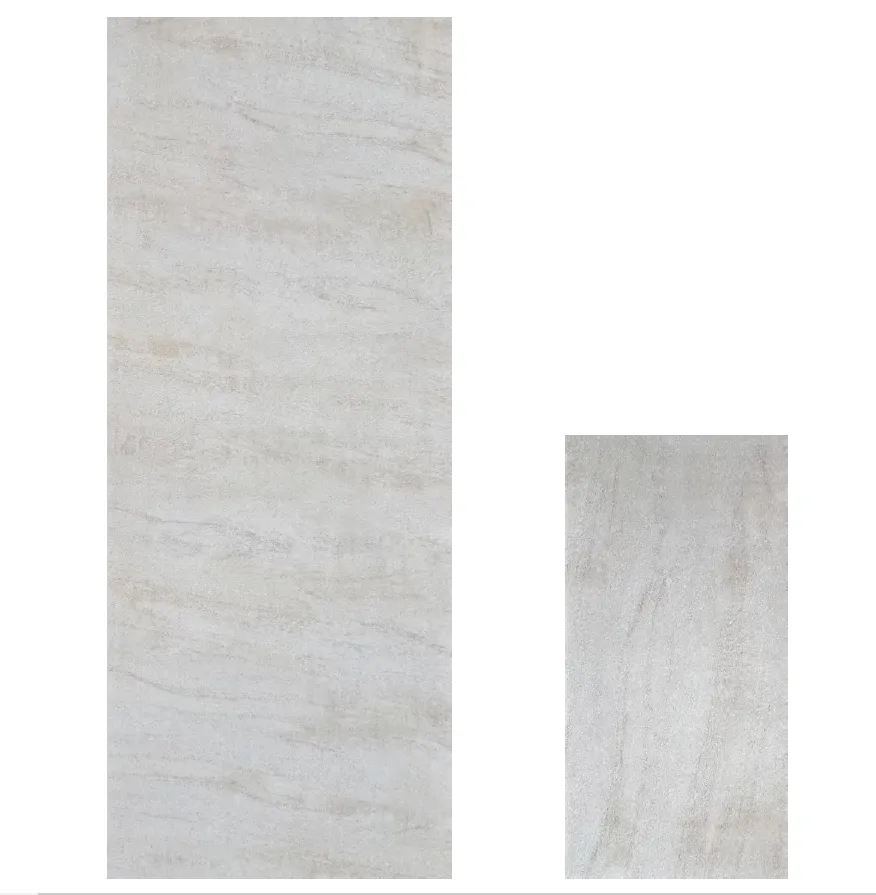
In an era where every building decision carries the weight of environmental impact, architects and builders are no longer just choosing materials for aesthetics—they're choosing them for purpose. Sustainability has shifted from a buzzword to a core requirement, and at the heart of this shift lies the materials we use to shape our spaces. Enter Marble Stream Stone : a material that doesn't just redefine what's possible in design, but also sets a new standard for eco-conscious construction. Let's explore how this innovative stone is helping projects earn LEED points, one sustainable choice at a time.
First, let's get to know the star of the show. Marble Stream Stone isn't your average building material. Imagine the timeless elegance of marble, reimagined with flexibility and sustainability in mind—that's the essence of this product. Part of the broader flexible stone cladding panels family, it's engineered to mimic the natural veining and texture of traditional marble but with a lightweight, adaptable design that reduces waste and eases installation.
But its appeal goes beyond looks. Unlike heavy, rigid stone slabs that often crack during transport or require excessive cutting (and thus waste) on-site, Marble Stream Stone's flexibility allows it to be shaped, curved, and applied with minimal material loss. This isn't just a win for installers—it's a win for the planet, too. Less waste means fewer resources consumed, and fewer emissions from manufacturing and disposal.
Sustainability isn't an afterthought for Marble Stream Stone; it's baked into its DNA. Let's break down why it's become a go-to for green building projects:
Low Embodied Carbon: Traditional stone extraction and processing are energy-intensive, contributing significantly to a building's "embodied carbon"—the total emissions released during a material's lifecycle. Marble Stream Stone, however, uses a streamlined manufacturing process that cuts energy use by up to 30% compared to conventional marble production. This reduction isn't just a number; it's a direct step toward lowering a project's carbon footprint.
Recycled Content: Up to 25% of the stone's composition comes from post-industrial recycled materials, such as leftover stone dust and aggregates from other manufacturing processes. By repurposing these byproducts, Marble Stream Stone keeps waste out of landfills and reduces the need for virgin resource extraction.
Durability That Lasts: Sustainability isn't just about what's in a material—it's about how long it lasts. Marble Stream Stone is designed to withstand the test of time, with resistance to scratches, moisture, and fading. A longer lifespan means fewer replacements over a building's lifetime, reducing the cycle of resource extraction and waste generation.
Now, let's connect the dots to LEED (Leadership in Energy and Environmental Design), the most widely used green building rating system globally. LEED points are earned by meeting criteria across categories like Materials and Resources, Indoor Environmental Quality, and Innovation in Design. Here's how Marble Stream Stone helps projects rack up those points:
LEED's Materials and Resources category focuses on reducing waste, promoting recycling, and using sustainable resources—areas where Marble Stream Stone shines:
LEED doesn't just care about the planet—it cares about the people inside the buildings, too. Marble Stream Stone supports healthier indoor environments in two key ways:
EQ Credit 1: Low-Emitting Materials – Unlike some synthetic cladding materials that off-gas volatile organic compounds (VOCs), Marble Stream Stone is inert and emits zero harmful chemicals. This helps maintain good indoor air quality, earning projects 1-2 points depending on compliance with strict emissions standards.
EQ Credit 7: Daylight Optimization – Its light-reflective surface can bounce natural light deeper into interior spaces, reducing reliance on artificial lighting. While this is more of a design strategy, pairing Marble Stream Stone with strategic window placement can contribute to daylighting credits, supporting both energy efficiency and occupant well-being.
For projects pushing the envelope, LEED rewards innovation—and Marble Stream Stone delivers here, too. Its flexibility opens up new design possibilities, like curved walls, intricate facades, or custom patterns that would be impossible (or cost-prohibitive) with traditional stone. This adaptability can qualify for ID Credit 1: Innovation in Design , earning an extra point for creative, sustainable solutions.
Still wondering how Marble Stream Stone stacks up against old-school materials? Let's take a look at the numbers:
| Feature | Traditional Marble Slabs | Marble Stream Stone | Potential LEED Points |
|---|---|---|---|
| Embodied Carbon (kg CO₂/m²) | 80-100 | 55-65 | MR Credit 3 (1-2 points) |
| Recycled Content | 0-5% | 20-25% | MR Credit 4 (1-2 points) |
| Installation Waste | 15-20% | 3-5% | MR Credit 2 (1 point) |
| Indoor VOC Emissions | Low, but varies by sealant | Zero (no sealant required) | EQ Credit 1 (1-2 points) |
| Design Flexibility | Limited (rigid slabs) | High (curved, custom shapes) | ID Credit 1 (1 point) |
Don't just take our word for it—Marble Stream Stone is already making waves in LEED-certified projects. Take the Greenview Corporate Tower in Portland, Oregon, a 12-story office building that achieved LEED Gold certification in 2024. The design team chose Marble Stream Stone for the lobby and exterior cladding, citing its recycled content and low waste as key factors in earning MR and EQ credits. "We were able to reduce our embodied carbon by 18% just by switching to this stone," said lead architect Mia Chen. "Plus, the tenants love the natural light reflection—it makes the space feel brighter and more open."
Another example: the Willow Creek Community Center in Austin, Texas, which used Marble Stream Stone for its interior accent walls. By combining regional sourcing (manufactured in Texas) with the stone's durability, the project earned points for both MR Credit 5 (Regional Materials) and MR Credit 6 (Durable Materials), contributing to its LEED Silver certification.
At the end of the day, LEED points aren't just a badge—they're a signal to clients, occupants, and the community that a project prioritizes sustainability. For architects, Marble Stream Stone offers a way to balance aesthetics with responsibility, creating spaces that are both beautiful and kind to the planet. For builders, it streamlines installation, reduces waste costs, and opens doors to higher-value, LEED-certified projects.
And for the rest of us? It's a reminder that progress in construction doesn't have to mean sacrificing the environment. With materials like Marble Stream Stone, we're building a future where every wall, floor, and facade tells a story of sustainability—one LEED point at a time.
So, whether you're designing a commercial high-rise or a boutique residential project, consider this: the choices we make today shape the buildings (and the planet) of tomorrow. Marble Stream Stone isn't just a material—it's a step toward that better, greener future.
Recommend Products












