
In a world where every design choice carries weight—both for the planet and the people who inhabit our spaces—sustainability has shifted from a buzzword to a core value. Today's designers, architects, and homeowners aren't just chasing aesthetics; they're seeking materials that tell a story of responsibility, durability, and harmony with nature. Two trends leading this charge are the rise of charcoal burnt wood board and the emergence of "real pH innovations" in building materials—advancements that marry eco-consciousness with functionality and beauty. Let's dive into how these trends are reshaping the future of design, one thoughtful material choice at a time.
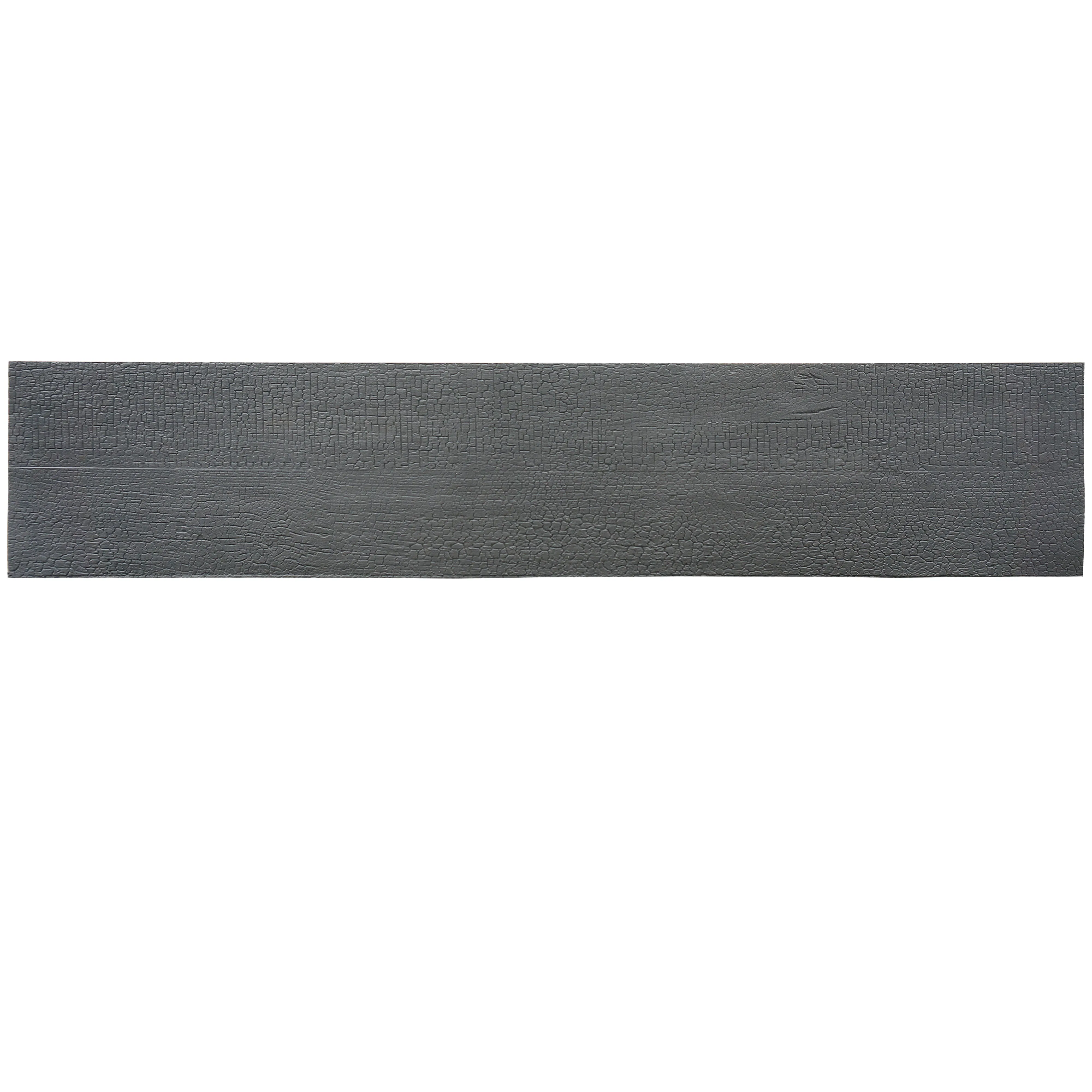
Walk into a contemporary café, a boutique hotel lobby, or even a minimalist home, and there's a good chance you'll spot walls, countertops, or furniture with a rich, smoky texture that feels both rugged and refined. That's likely charcoal burnt wood board —a material that's capturing the hearts of designers for its striking looks and surprisingly green credentials.
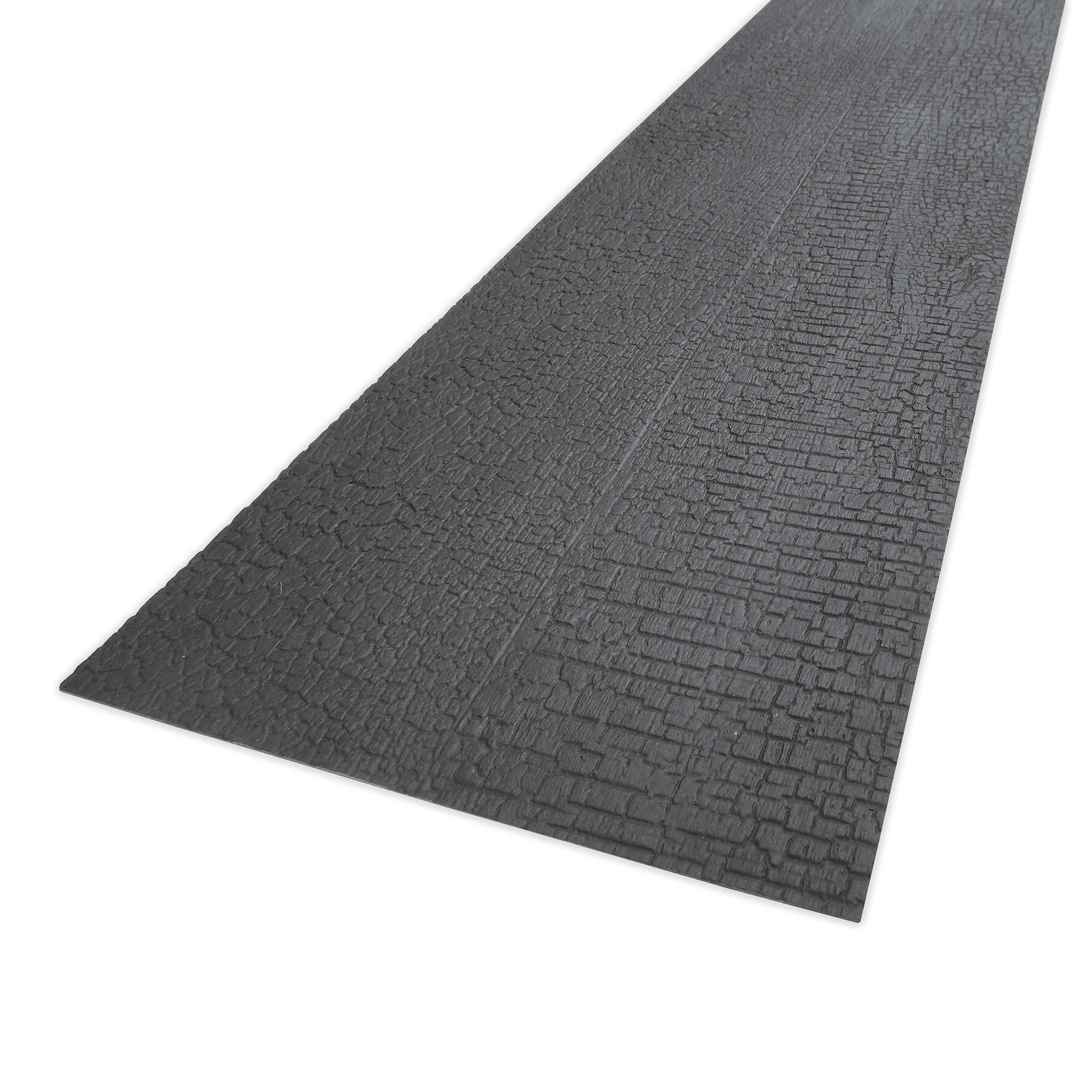
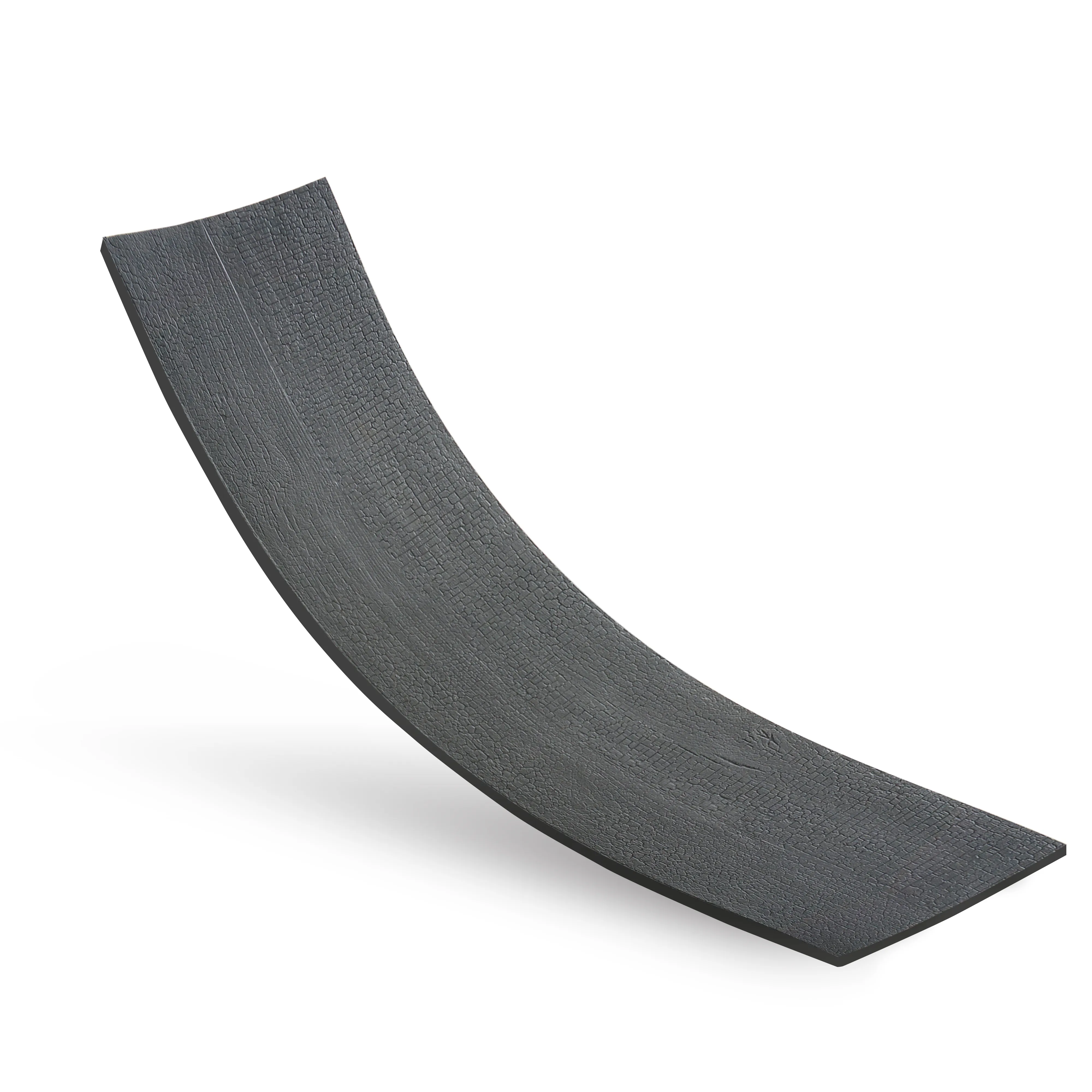
At its core, charcoal burnt wood board is a nod to ancient craftsmanship. The process, often inspired by traditional Japanese shou sugi ban (a technique where wood is charred to resist rot and pests), involves carefully burning the surface of wood planks to create a protective layer of carbon. But modern iterations have refined this method for scalability and consistency. Instead of open flames, controlled kilns or torches are used to char the wood's surface evenly, then the excess ash is brushed away, leaving behind a textured, almost metallic black finish that highlights the wood's natural grain.
What makes this process sustainable? For starters, it eliminates the need for toxic chemical treatments. Traditional wood preservation often relies on pesticides or sealants that off-gas harmful VOCs (volatile organic compounds) over time. Charcoal burnt wood, by contrast, uses fire—a natural resource—to create a barrier that repels moisture, insects, and decay. This means fewer chemicals leaching into the environment during production and less maintenance over the material's lifetime.
Beyond sustainability, charcoal burnt wood board is a design chameleon. Its deep, charred surface ranges from matte black to hints of amber, depending on the wood species and burn intensity. When paired with light-colored accents—think white walls, brass fixtures, or even travertine (starry green) tiles—it creates a dramatic contrast that feels both modern and timeless. In a residential setting, it might line a fireplace surround, adding depth to a cozy living room. In a commercial space, like a wine bar, it could clad the bar top, where its heat-resistant surface stands up to spills and daily use.
Designers also love its versatility. Unlike some sustainable materials that lock you into a single look, charcoal burnt wood adapts. Want a rustic vibe? Leave the edges rough and pair with reclaimed wood beams. Going for industrial chic? Sand the surface slightly for a smoother finish and combine with metal accents. It's a material that doesn't just fit into trends—it defines them.
Sustainability isn't just about production—it's about longevity. A material that needs frequent replacement is rarely eco-friendly, no matter how green its manufacturing process. Charcoal burnt wood board shines here, too. The carbon layer formed during burning acts as a shield, making the wood resistant to warping, mold, and even fire. In fact, some studies suggest that properly burnt wood can last twice as long as untreated wood in outdoor settings, like decking or siding. This durability means fewer resources spent on replacements and less waste ending up in landfills.
| Material | Sustainability Features | Key Aesthetic Traits | Ideal Applications |
|---|---|---|---|
| Charcoal Burnt Wood Board | Chemical-free preservation, long lifespan, repurposes sustainably sourced wood | Smoky black finish, visible wood grain, versatile texture (rough to smooth) | Wall cladding, furniture, countertops, outdoor decking |
| Foamed Aluminium Alloy Board (Vintage Silver) | Recyclable, lightweight (reduces transport emissions), corrosion-resistant | Metallic sheen, matte vintage finish, sleek modern look | Facade cladding, ceiling panels, accent walls |
| MCM Flexible Stone | Low embodied carbon, made from recycled stone particles, lightweight (less structural support needed) | Natural stone appearance, flexible for curved surfaces, wide color range | Interior/exterior cladding, backsplashes, furniture panels |
| Fair-Faced Concrete | Minimal processing, uses local aggregates, energy-efficient production | Raw, industrial texture, neutral gray tone, ages gracefully | Walls, floors, countertops, structural elements |
While charcoal burnt wood board leans into traditional techniques with a modern twist, another exciting frontier in sustainable design is "real pH innovations"—materials engineered to interact with their environment in ways that boost durability, health, and even ecological balance. At its simplest, pH (potential of hydrogen) measures how acidic or alkaline a substance is, and when materials are designed to regulate or respond to pH levels, the results can be game-changing.
Think of real pH materials as the "smart" side of sustainability. Instead of just being inert, they actively work to maintain balance. For example, some building materials can neutralize harmful acids in rainwater, preventing corrosion and extending a structure's life. Others might adjust the pH of indoor air, reducing allergens or volatile organic compounds (VOCs) by creating a more alkaline environment where mold and bacteria struggle to thrive. It's sustainability with a proactive edge.
Take foamed aluminium alloy board (vintage silver) , for instance. This material isn't just a pretty face with its sleek, metallic finish—it's a masterclass in pH resilience. Aluminium naturally forms a thin oxide layer when exposed to air, which acts as a barrier against corrosion. But foamed aluminium takes it further: the alloy's composition is (tweaked) to maintain a slightly alkaline pH on its surface, preventing acidic rain or pollutants from eating away at the material. This means buildings clad in foamed aluminium require less maintenance over time, reducing the need for chemical coatings or repairs that harm the environment.
And let's not overlook its lightweight nature. Traditional stone or metal cladding can be heavy, requiring reinforced structures and increasing transportation emissions. Foamed aluminium, by contrast, is up to 70% lighter than solid aluminium, making it easier and greener to transport. A recent project in Barcelona used vintage silver foamed aluminium for a museum facade, not only cutting down on construction time but also slashing the building's carbon footprint by 15% compared to traditional stone cladding. It's proof that sustainability and high design can go hand in hand.
Another star in the real pH innovation lineup is MCM flexible stone . Short for Modified Composite Material, MCM flexible stone is made by bonding recycled stone particles with a polymer resin, creating a thin, bendable sheet that mimics the look of natural stone. But what makes it a pH standout is its resistance to acid rain and moisture-related degradation. Unlike natural stone, which can absorb acidic water and develop stains or cracks over time, MCM's composite structure is designed to repel water and maintain a stable pH balance, even in harsh climates.
Imagine a coastal home in Miami, where saltwater and humidity are constant foes. Using MCM flexible stone for exterior cladding means the walls won't degrade from salt spray or acidic rain, and the homeowner won't need to pressure-wash or seal the surface every year. It's a low-lift, high-impact choice that keeps both the building and the environment happy.
So, how do these trends—charcoal burnt wood board and real pH innovations—play out in real-world design? Let's step into a hypothetical project: a 10,000-square-foot community center in Portland, Oregon, designed to be both a gathering space and a sustainability showcase.
The architects start with the exterior. They opt for foamed aluminium alloy board (vintage silver) for the facade, drawn to its lightweight properties and resistance to Oregon's rainy, acidic climate. The vintage silver finish catches the Pacific Northwest light, giving the building a warm glow despite the overcast skies. For the entranceway, they use MCM flexible stone in a travertine (starry green) pattern, creating a welcoming, nature-inspired focal point that's durable enough to withstand foot traffic and rain.
Inside, the main hall features walls clad in charcoal burnt wood board, sourced from sustainably harvested Douglas fir. The charred surface adds warmth, while the wood's natural acoustics soften the space, making it ideal for concerts and lectures. The ceiling is a mix of exposed fair-faced concrete and foamed aluminium panels, balancing industrial edge with organic texture. Even the flooring gets in on the action: polished concrete treated with a real pH sealant that neutralizes indoor air pollutants, improving air quality for visitors with allergies.
The result? A building that uses 30% less energy than code requires, generates minimal waste during construction, and creates a space that feels both modern and rooted in nature. It's a testament to how choosing the right materials—ones that prioritize sustainability, functionality, and beauty—can transform a design from ordinary to extraordinary.
As consumers and designers alike become more conscious of their environmental impact, trends like charcoal burnt wood board and real pH innovations are only going to grow. We're already seeing researchers experiment with even more reactive materials—think self-healing concrete that uses bacteria to repair cracks, or wood treatments that adjust pH based on indoor humidity levels. The goal? To create buildings and spaces that don't just exist sustainably but actively contribute to a healthier planet.
For designers, this means embracing materials with stories. Charcoal burnt wood board isn't just a wall covering—it's a connection to ancient craftsmanship and a commitment to chemical-free living. Foamed aluminium isn't just a facade—it's a choice to reduce emissions and build for the long haul. And MCM flexible stone? It's proof that you don't have to sacrifice natural beauty for durability.
Sustainable design isn't about checking boxes or following fads. It's about designing with purpose—creating spaces that respect the planet, enhance our well-being, and stand the test of time. Charcoal burnt wood board and real pH innovations are more than materials; they're tools that empower designers to do just that. They remind us that beauty and sustainability aren't opposing forces—they're partners, working together to shape a future where every building, every room, every surface tells a story of care: for the earth, for the people who use it, and for the generations to come.
So, the next time you step into a space that feels both inviting and intentional, take a closer look. Chances are, you'll spot the handiwork of these trends—materials that don't just look good, but do good, too. And isn't that the most beautiful design statement of all?
Recommend Products












