
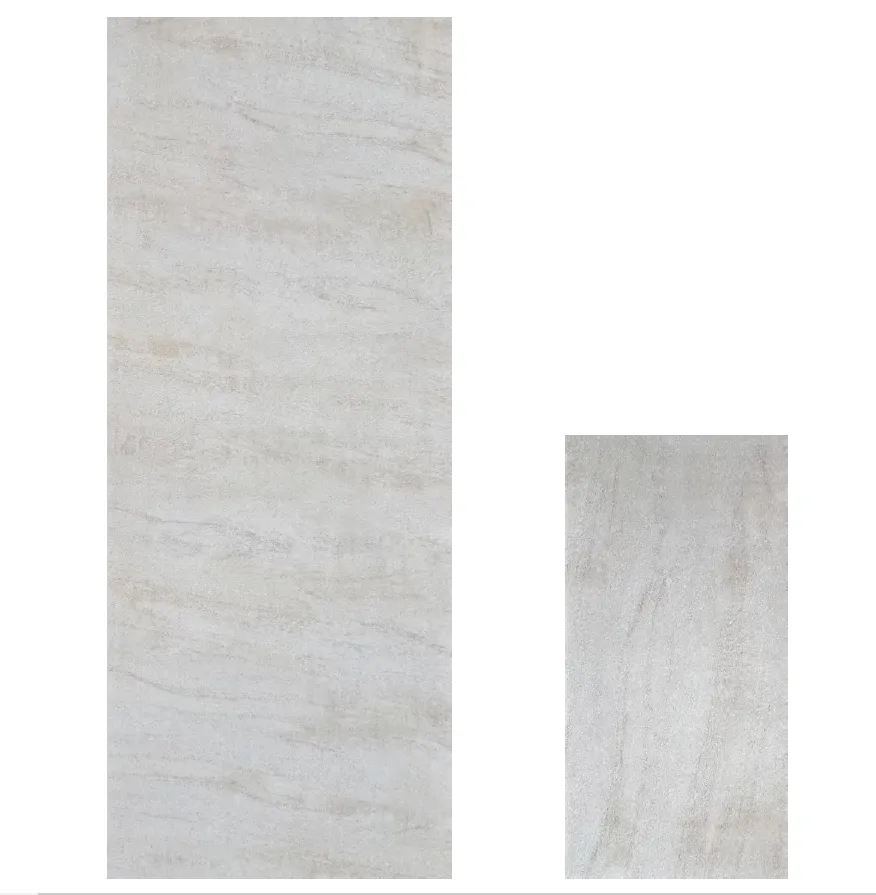
In an era where climate change looms large and resource depletion feels increasingly urgent, the choices we make in construction matter more than ever. Buildings account for nearly 40% of global energy-related carbon emissions, and the materials used in their creation play a significant role in that footprint. For architects, builders, and homeowners alike, the search for materials that marry aesthetics with sustainability has become a top priority. Enter Marble Stream Stone—a material that's quietly revolutionizing the industry by proving that beauty and environmental responsibility don't have to be mutually exclusive.
At first glance, Marble Stream Stone might evoke images of classic marble quarried from mountainsides, with its elegant veining and smooth texture. But look closer, and you'll discover it's a product of innovative engineering: a modified composite material (MCM) designed to capture the timeless allure of natural stone while drastically reducing its environmental impact. Part of the broader family of MCM flexible stone, Marble Stream Stone is crafted by bonding layers of natural stone particles with a high-performance polymer, resulting in a lightweight, durable panel that's easier to install and far more sustainable than traditional stone.
Unlike raw marble, which requires intensive mining, cutting, and transportation—processes that consume massive amounts of energy and generate heaps of waste—Marble Stream Stone leverages advanced manufacturing techniques to minimize resource use. It's part of a new generation of building materials that prioritize circularity, from production to disposal, making it a standout choice for projects aiming to meet rigorous green building standards.
The sustainability story of Marble Stream Stone begins in the factory. Traditional marble extraction is notoriously inefficient: for every ton of usable marble, up to 5 tons of waste rock are discarded, contributing to landfill buildup and habitat destruction. Marble Stream Stone flips this script by utilizing recycled stone particles—leftovers from quarrying and construction sites—that would otherwise go to waste. By repurposing these materials, the manufacturing process reduces reliance on virgin resources and cuts down on waste by up to 80% compared to traditional stone production.
Energy efficiency is another cornerstone of its production. The MCM manufacturing process uses low-temperature curing, which requires significantly less energy than the high-heat kilns used for firing ceramics or processing natural stone. This translates to a lower carbon footprint: studies show that Marble Stream Stone emits up to 60% less CO2 during production than traditional marble slabs. Water usage is also minimized, with closed-loop systems that recycle and reuse water throughout the manufacturing process, reducing freshwater consumption by as much as 70% compared to conventional stone processing.
But sustainability isn't just about what goes into the material—it's about how it performs over time. Marble Stream Stone's durability is a key eco-friendly feature. Its composite structure resists cracking, chipping, and fading, even in harsh weather conditions, meaning buildings clad in this material require less frequent replacement. This longevity reduces the need for constant material production and disposal, a critical factor in lowering the overall lifecycle impact of a structure.
To truly appreciate Marble Stream Stone's sustainability, it helps to see how it measures up against traditional building materials. Take a look at this comparison:
| Criteria | Marble Stream Stone | Traditional Marble | Fair-Faced Concrete |
|---|---|---|---|
| Carbon Footprint (per m²) | ~25 kg CO2 | ~65 kg CO2 | ~45 kg CO2 |
| Water Usage (per m²) | ~15 liters | ~50 liters | ~30 liters |
| Waste Generated (during production) | ~5% of raw materials | ~50% of raw materials | ~15% of raw materials |
| Recyclability | Recyclable at end-of-life | Limited (difficult to repurpose) | Partially recyclable |
| Durability (estimated lifespan) | 50+ years | 30–40 years (with wear) | 40–50 years |
As the table shows, Marble Stream Stone outperforms both traditional marble and even fair-faced concrete in key sustainability metrics. Its lower carbon footprint and water usage, combined with high recyclability and durability, make it a clear choice for eco-conscious projects.
For developers and architects aiming to achieve green building certifications like LEED (Leadership in Energy and Environmental Design) or BREEAM (Building Research Establishment Environmental Assessment Method), material selection is a make-or-break factor. Marble Stream Stone shines here, ticking multiple boxes that contribute to certification points.
Under LEED's "Materials and Resources" category, projects can earn points for using recycled content, regionally sourced materials, and products with low-emitting properties. Marble Stream Stone's high recycled stone content (often 30% or more) directly contributes to recycled content credits. Additionally, since it's lightweight and thin—typically 3–5mm thick compared to 20–30mm for traditional marble slabs—it reduces transportation emissions, especially when sourced from local manufacturers. This regional sourcing can also earn points under LEED's "Regional Materials" credit.
Indoor environmental quality is another area where Marble Stream Stone excels. Unlike some synthetic materials that off-gas volatile organic compounds (VOCs), this stone composite is low-VOC, improving air quality inside buildings. This is a boon for LEED's "Indoor Environmental Quality" category, which rewards materials that promote healthier living and working spaces.
BREEAM, too, recognizes the value of such materials, awarding points for minimizing environmental impact during extraction and production. Marble Stream Stone's reduced waste and energy use align with BREEAM's "Materials" and "Energy" categories, making it a strong candidate for projects aiming for a "Very Good" or "Excellent" rating.
Of course, sustainability alone isn't enough to win over designers. A material must also deliver on aesthetics, and Marble Stream Stone doesn't disappoint. Its versatility allows it to mimic the look of not just marble, but also other natural stones like travertine, slate, and limestone, giving architects a wide range of design options without sacrificing sustainability. Whether used for a sleek modern facade, a rustic interior accent wall, or a classic lobby floor, it adapts to diverse styles, proving that eco-friendly choices don't require compromising on beauty.
Its flexibility is another advantage. As a type of flexible stone cladding panel, Marble Stream Stone can be bent and shaped to fit curved surfaces, intricate designs, and even custom installations that would be difficult or impossible with rigid traditional stone. This flexibility reduces installation time and labor costs, further lowering the overall environmental impact of a project by cutting down on construction energy use.
Across the globe, forward-thinking projects are already reaping the benefits of Marble Stream Stone. Take the GreenPointe Office Tower in Portland, Oregon—a LEED Platinum-certified building that used Marble Stream Stone for its exterior facade. The design team chose the material for its low carbon footprint and ability to withstand the Pacific Northwest's rainy climate. Not only did the stone panels reduce the building's overall weight (lowering foundation costs), but they also contributed to the project earning 12 LEED points in the "Materials and Resources" category alone.
Closer to home, a boutique hotel in Barcelona opted for Marble Stream Stone in its lobby and guest rooms, drawn to its elegant marble-like appearance and sustainability credentials. The hotel, which aimed for BREEAM "Excellent" certification, noted that the material's durability has reduced maintenance costs, while its low-VOC properties have improved guest satisfaction with indoor air quality.
As the demand for sustainable construction grows, materials like Marble Stream Stone are poised to become the norm rather than the exception. Innovations in MCM technology continue to push the boundaries of what's possible, with researchers exploring even more recycled content, bio-based polymers, and carbon-negative production methods. The goal? To create building materials that not only reduce environmental impact but actively contribute to healing the planet.
For architects and builders, this shift represents an exciting opportunity to lead the charge in sustainable design. By choosing materials that prioritize the planet without sacrificing aesthetics or performance, they're not just constructing buildings—they're building a more resilient future.
Marble Stream Stone is more than just a building material; it's a statement. It says that we can honor the past—drawing inspiration from the timeless beauty of natural stone—while embracing the future of sustainable innovation. In a world where every choice counts, this stone composite offers a path forward: one where buildings are not just structures, but stewards of the environment.
Whether you're designing a LEED-certified office tower, a cozy home, or a boutique hotel, the decision to use sustainable materials like Marble Stream Stone is a decision to invest in a healthier planet. And as more projects adopt such materials, we move one step closer to a built environment that works with nature, not against it. After all, the most beautiful buildings are those that stand the test of time—both in style and in their commitment to the Earth.
Recommend Products












