
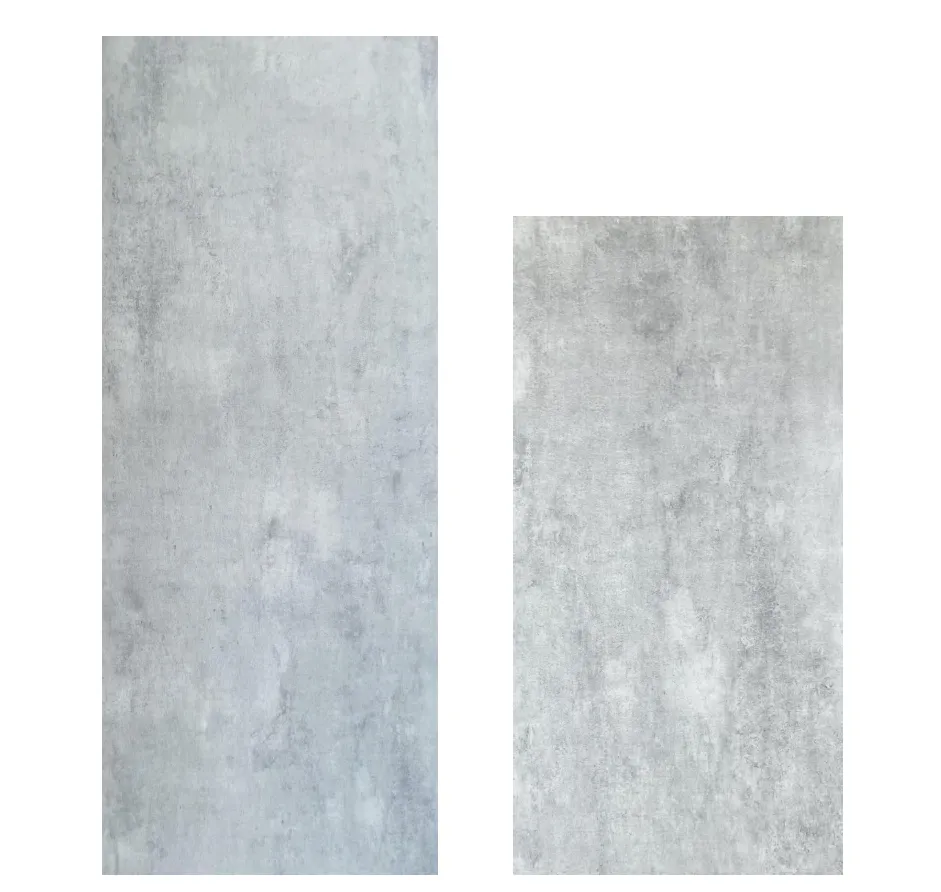
Marble has always been the gold standard of luxury. Its veined patterns, soft glow, and timeless appeal make it a staple in high-end homes, hotels, and commercial spaces. But here's the dirty secret: traditional marble extraction is brutal on the environment. Quarrying rips into landscapes, leaving scars that take decades to heal. Transporting heavy slabs guzzles fuel. And once installed, natural marble is porous, prone to staining, and often needs harsh chemicals to maintain—hardly the poster child for green building.
That's where marble concrete board steps in. Think of it as marble's smarter, more responsible cousin. It starts with marble, yes—but not just any marble. Manufacturers like MCM (a leader in innovative building materials) take leftover marble chips and dust from quarry waste—material that would otherwise end up in landfills—and blend it with high-performance concrete. The result? A material that captures marble's beauty but leaves its environmental baggage behind.
"We're not reinventing marble," says Maria Gonzalez, a sustainable materials engineer with over 15 years in the field. "We're rescuing it. By repurposing waste, we're cutting down on the need for new quarrying. It's a small shift, but when you scale it across a 50,000 sq ft project, the impact is huge."
Let's get specific. Sustainability isn't just a buzzword here—it's baked into every layer of marble concrete board's DNA. Here's how it stacks up:
Recycled Content That Counts: Up to 30% of marble concrete board is made from recycled marble waste. That's not just "greenwashing"—it's tangible. For context, the average commercial building uses about 1,200 sq ft of wall cladding per floor. Using marble concrete board instead of traditional marble for a 10-story building would divert roughly 40 tons of waste from landfills. That's like recycling 800,000 plastic bottles—except this waste is far bulkier and harder to repurpose.
Low-Impact Production: Traditional marble requires massive energy to cut, polish, and transport. Marble concrete board, by contrast, is engineered to be lightweight. Thinner slabs mean less energy to manufacture and ship. Many producers also power their facilities with renewable energy, slashing the carbon footprint even further. And unlike natural marble, which often needs chemical sealants, marble concrete board comes pre-sealed with low-VOC (volatile organic compound) coatings, improving indoor air quality for building occupants.
Durability That Reduces Waste Long-Term: Sustainability isn't just about what's in the material—it's about how long it lasts. Natural marble scratches easily and can etch if exposed to acidic substances (looking at you, spilled coffee). Marble concrete board, though? It's tough. Its concrete base makes it resistant to chips, stains, and wear. In high-traffic areas like hotel lobbies or retail spaces, that means fewer replacements over time. Less replacement equals less waste, fewer deliveries, and lower lifecycle costs—music to any project manager's ears.
For builders chasing LEED certification (the most recognized green building rating system globally), marble concrete board is a secret weapon. LEED points are like gold stars for sustainability, and this material racks them up in key categories:
Materials & Resources (MR) Credits: LEED loves recycled content, and marble concrete board delivers. Using 30% post-industrial recycled marble waste can help projects earn MR Credit 4: Recycled Content. Plus, since it's made locally in many cases (MCM has production facilities across regions), it cuts down on transportation emissions, boosting eligibility for MR Credit 5: Regional Materials.
Indoor Environmental Quality (EQ) Credits: Sick building syndrome is a real concern, and it often traces back to high-VOC materials. Marble concrete board's low-VOC sealants and coatings support EQ Credit 2: Low-Emitting Materials, ensuring the air inside buildings is healthier for occupants. Its non-porous surface also resists mold and mildew, another win for indoor air quality.
Innovation (ID) Credits: Some projects have even earned Innovation credits for using marble concrete board in creative ways—like pairing it with flexible stone cladding panels for dynamic, waste-reducing installations. "We used marble concrete board on a LEED Platinum hotel project last year," recalls James Park, a project manager at GreenSpaces Construction. "The client wanted marble floors, but we couldn't justify the environmental cost. Marble concrete board gave them the look, helped us hit our LEED targets, and came in under budget. It was a no-brainer."
| Feature | Traditional Natural Marble | Marble Concrete Board |
|---|---|---|
| Environmental Impact | High (quarrying, waste, transport) | Low (recycled content, low-energy production) |
| Durability | Prone to scratches, stains, etching | Resistant to wear, stains, and impact |
| Installation | Heavy, requires specialized labor | Lightweight, easier to cut and install |
| Maintenance | Frequent sealing with harsh chemicals | Minimal upkeep, low-VOC sealants only |
| LEED Contribution | Limited (rarely qualifies for credits) | Strong (recycled content, low emissions credits) |
One of the best things about marble concrete board? It's versatile. It doesn't just belong in luxury penthouses—it works everywhere. Imagine a cozy café with marble concrete board countertops that withstand daily spills of lattes and pastries, without losing their warm, inviting look. Or a hospital lobby where the material's durability and mold resistance help maintain strict hygiene standards, while its marble-like finish calms nervous patients.
Architects are getting creative, too. Pair it with fair-faced concrete for an industrial-chic vibe, or use it alongside flexible stone cladding panels to add texture to a modern home's exterior. It's even finding its way into outdoor spaces: pool decks, patios, and garden walls, where its resistance to weathering makes it a smarter choice than natural stone.
"I recently designed a community center in Portland that used marble concrete board for both interior walls and exterior cladding," says Elena Kim, principal architect at Studio EK. "The neighborhood wanted something that felt 'high-end' but reflected their commitment to sustainability. The material checked both boxes. Kids run their hands along the walls, and it still looks brand new a year later. That's the beauty of it—it's not just sustainable; it's livable ."
Marble concrete board isn't an outlier—it's part of a larger movement. The construction industry is finally waking up to the fact that sustainability and beauty don't have to be enemies. Materials like fair-faced concrete (celebrated for its raw, honest aesthetic and low environmental impact) and flexible stone cladding panels (which reduce waste by conforming to complex surfaces) are gaining traction, too. Together, they're proving that "green building materials" isn't just a marketing term—it's a new standard.
What does this mean for the future? More innovation, for starters. As demand grows, manufacturers are experimenting with even higher recycled content, better thermal properties, and new finishes that mimic rare stones without the ecological cost. And for architects? It means more freedom. Freedom to design spaces that make people stop and stare, without the guilt of knowing those spaces came at the planet's expense.
At the end of the day, construction is about more than bricks and mortar. It's about creating spaces that shape how we live, work, and connect. And in 2025, those spaces need to do one more thing: respect the planet. Marble concrete board isn't perfect, but it's a step in the right direction—a material that honors our love for beauty while honoring our duty to protect the earth.
So the next time you walk into a building and pause at a stunning marble-like wall, take a closer look. It might just be marble concrete board—quietly proving that the most sustainable choices are often the most beautiful ones.
Recommend Products












