

In a world increasingly focused on sustainability and innovation, the construction industry is undergoing a quiet revolution. For centuries, natural stone has been the symbol of permanence, luxury, and beauty in architecture. But what if we could achieve that same timeless appeal without the immense environmental and logistical toll? Enter MCM, a material that's not just an alternative, but an evolution.
Walk through any historic city, and you'll feel the power of stone. From the grand columns of ancient temples to the sturdy walls of medieval castles and the sleek facades of modern skyscrapers, stone tells a story of strength and prestige. It connects us to the earth and gives our structures a sense of gravity and significance that few other materials can match. Architects and designers have long turned to granite, marble, slate, and sandstone to create spaces that inspire awe and stand the test of time.
However, behind this beautiful facade lies a heavy burden. The journey of a single slab of natural stone from a mountain quarry to a building wall is fraught with challenges that are becoming increasingly difficult to ignore in the 21st century.
The process begins at the quarry, a site of immense physical transformation. Extracting stone involves blasting, cutting, and carving directly into the earth's crust. This process is not only energy-intensive, consuming vast amounts of fossil fuels, but it also leads to significant ecological disruption. It can cause deforestation, soil erosion, and the destruction of natural habitats for local wildlife. The scars left on the landscape can take centuries, if not millennia, to heal. Furthermore, the dust and noise pollution from quarrying operations can negatively impact surrounding communities and ecosystems.
Once extracted, the stone's journey has only just begun. Natural stone is incredibly heavy. A single square meter of 3cm-thick granite can weigh over 80 kilograms. This immense weight creates a cascade of logistical problems. It requires heavy-duty machinery for handling, specialized trucks for transport, and a significant amount of fuel, all contributing to a massive carbon footprint, especially when shipped across continents. The risk of cracking and breakage during transit is high, leading to material waste and project delays.
On the construction site, this weight translates into a need for more robust and expensive foundational and structural support. Buildings must be engineered to bear the load, adding complexity and cost to the design. Installation is a labor-intensive process that requires highly skilled, and often expensive, masons. It's slow, meticulous work that can significantly extend project timelines.
The desirability of certain types of stone, combined with their finite supply, makes them a premium-priced material. This can place them out of reach for many projects. Beyond the initial purchase price, the costs of transportation, reinforced structures, and specialized labor all add up, making natural stone one of the most expensive cladding options available.
From a design perspective, stone also presents limitations. While beautiful, it is rigid and unforgiving. Creating curved surfaces or complex shapes is exceptionally difficult and wasteful, often requiring advanced CNC milling that drives up costs even further. Each slab is unique, which can be a desirable trait, but can also lead to inconsistencies in color and veining that are challenging to manage over a large facade. The sheer size of a single, seamless slab is also limited by the natural formation and the ability to extract and transport it without fracture.
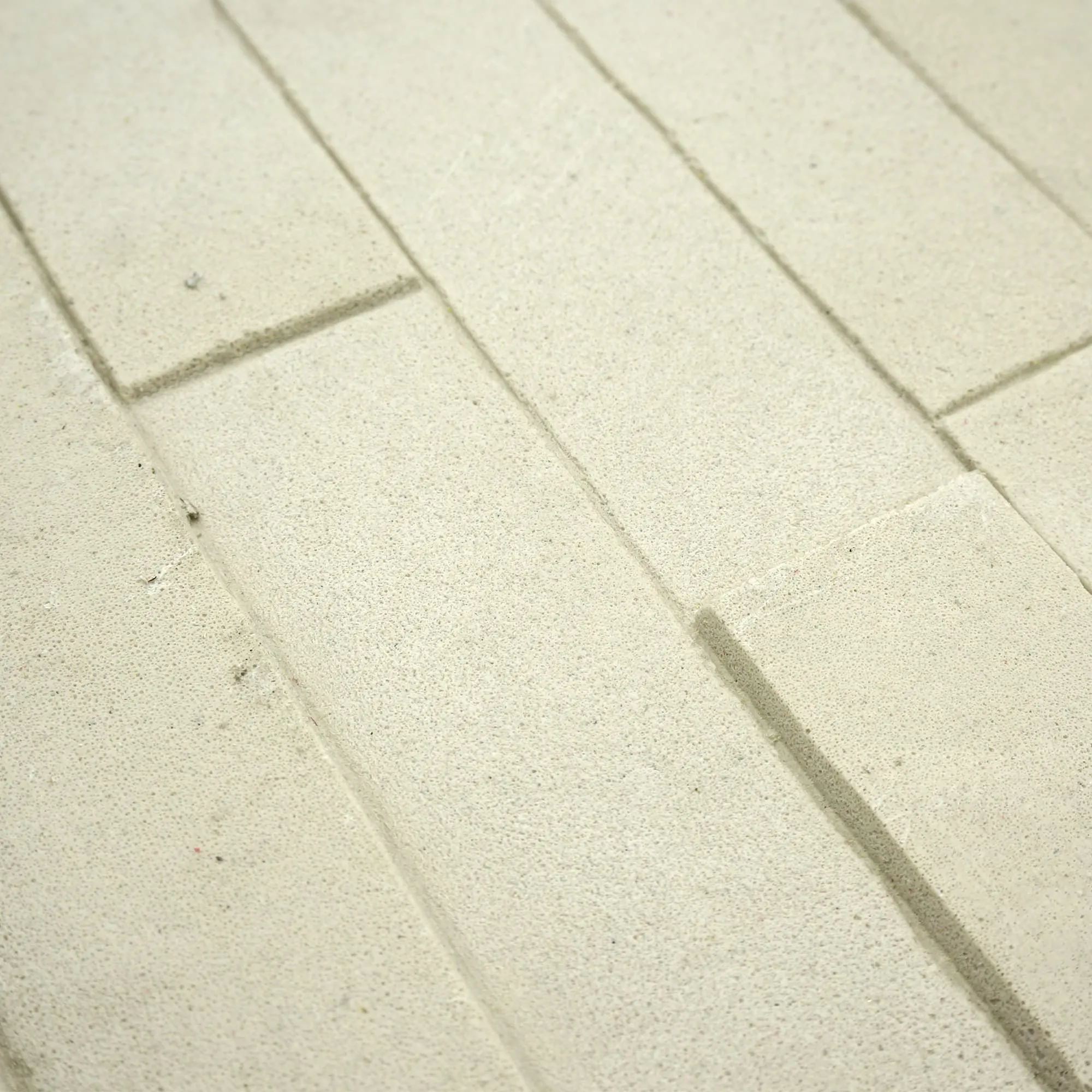
Confronted with these challenges, the building materials industry has been searching for a better way—a material that captures the aesthetic essence of stone without its inherent drawbacks. That search has led to a remarkable innovation: MCM, or Modified Cementitious Material. It's a name that might sound technical, but the concept is elegantly simple and profoundly impactful.
At its core, COLORIA GROUP has perfected the science behind this transformative product. MCM is not a synthetic plastic or a simple concrete veneer. It is an advanced composite material primarily made from natural components. The base ingredients are typically common, locally sourced materials like natural sand, mineral powders, and cement—the fundamental building blocks of our cities. The "modified" part of the name refers to a proprietary process where these inorganic materials are blended with a small amount of water-based polymers and then cured at a low temperature (around 100-120°C).
The result of this unique manufacturing process is a material with a truly astonishing set of properties that directly address the weaknesses of traditional masonry.
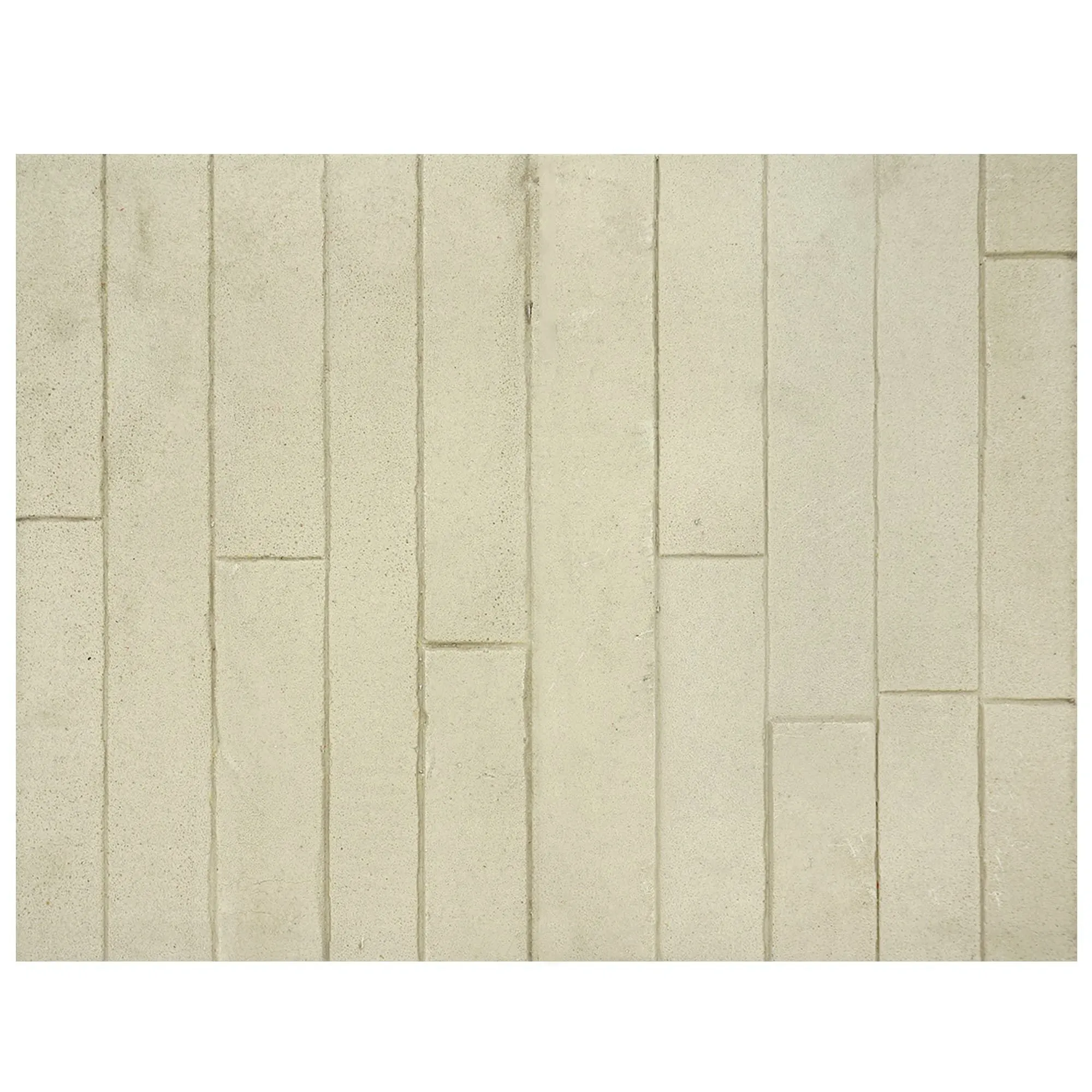
Understanding the potential of MCM is one thing; harnessing it to its full potential is another. This is where COLORIA GROUP distinguishes itself not merely as a manufacturer, but as a comprehensive, one-stop solution provider for the architectural world. With decades of industry experience and a global footprint that includes dedicated partners in key markets like Saudi Arabia, the company has built an entire ecosystem around this revolutionary material.
The COLORIA GROUP philosophy is centered on empowering architects and designers to realize their most ambitious visions without compromise. This is achieved through a diverse and highly specialized portfolio of MCM products, each tailored to specific applications and aesthetic goals.
This is perhaps the most direct and compelling alternative to natural stone. The COLORIA GROUP 's MCM Flexible Stone series is a masterclass in material mimicry. It offers an extensive library of stone finishes, from granite and sandstone to limestone and travertine, each with authentic color variations and tactile textures. Its true power lies in its versatility. Because it is so lightweight and pliable, it is the perfect material for building renovations. It can be applied directly over existing substrates, including old tile or plaster, dramatically reducing demolition waste, time, and cost. For new builds, it effortlessly wraps around curved facades, interior columns, and complex architectural features, creating a seamless stone look that would be a logistical nightmare to achieve with traditional slabs. The installation is simple, often just requiring a specialized adhesive, which drastically cuts down on labor costs and project timelines.
For modern designs that call for expansive, monolithic surfaces, the MCM Big Slab Board series is the answer. Sourcing, transporting, and installing extra-large slabs of natural marble or granite is a high-risk, high-cost endeavor. The COLORIA GROUP 's MCM Big Slab Board provides the same grand, minimalist aesthetic in a format that is astonishingly lightweight and easy to handle. These large-format panels create fewer grout lines, resulting in a clean, seamless appearance that is highly sought after for luxury hotel lobbies, corporate headquarters, high-end retail spaces, and contemporary residential interiors. They deliver the visual impact of a massive stone wall without the immense structural and budgetary weight.
This is where COLORIA GROUP truly pushes the boundaries of what's possible with a building material. The MCM 3D Printing series leverages cutting-edge technology to move beyond simple replication into the realm of pure creation. This product line allows architects and designers to create completely bespoke, three-dimensional patterns and textures. Imagine a feature wall with intricate geometric patterns, flowing organic forms, or even a company logo embossed directly into the material with perfect precision. The MCM 3D Printing technology enables a level of customization that was previously unimaginable. It transforms a simple wall into a unique work of art, a signature element that defines a space. This empowers designers to craft truly one-of-a-kind environments that reflect a brand's identity or a homeowner's personal style.
Underpinning these specialized series is the MCM Project Board series, the versatile workhorse designed for large-scale projects. This series is engineered to deliver consistent quality, performance, and cost-effectiveness for extensive applications like residential developments, commercial complexes, and public buildings. It offers a wide range of standard textures and colors—like wood grain, brick, and classic stone finishes—that provide a reliable and beautiful cladding solution. By choosing this series, developers and contractors can benefit from all the core advantages of a Modified Cementitious Material—lightweight, durable, and eco-friendly—while ensuring project budgets and timelines are met. It embodies the COLORIA GROUP 's commitment to providing high-quality solutions for every segment of the market.
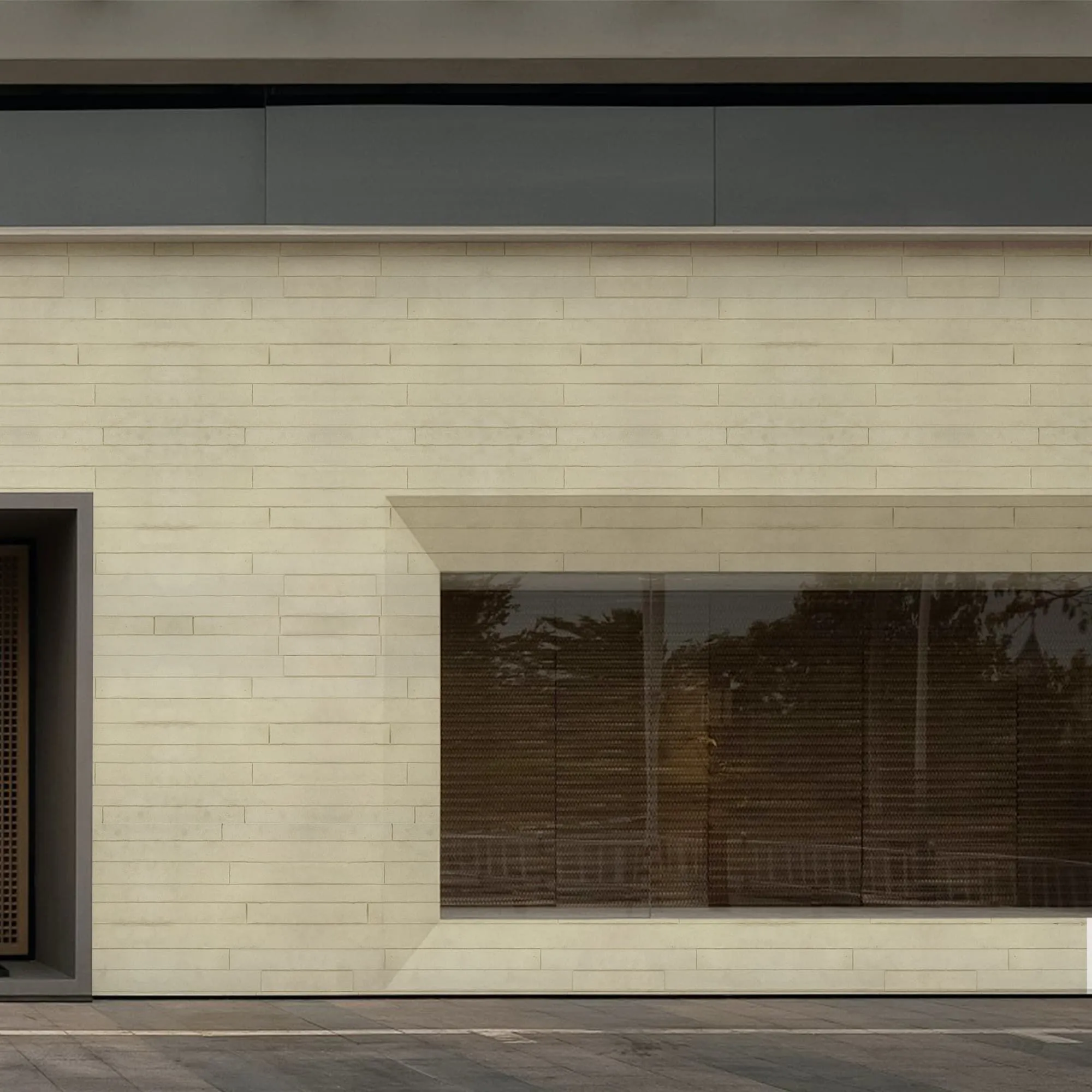
To truly appreciate the paradigm shift that MCM represents, it's helpful to see a direct comparison with the materials it often replaces. The following table breaks down the key attributes of COLORIA GROUP's MCM against natural stone, ceramic tiles, and traditional bricks.
| Feature | MCM (from COLORIA GROUP) | Natural Stone (Granite/Marble) | Ceramic / Porcelain Tile | Traditional Brick |
|---|---|---|---|---|
| Weight (per m²) | Extremely light (approx. 4-8 kg). Reduces structural load and transport costs. | Very heavy (approx. 50-90 kg). Requires reinforced structure and expensive transport. | Moderately heavy (approx. 20-35 kg). Heavier than MCM, requiring strong adhesive and substrate. | Extremely heavy (approx. 150-200 kg). Highest structural load. |
| Flexibility / Form | Flexible. Can be bent to wrap around curves, columns, and irregular shapes. Ideal for creative designs. | Rigid. Extremely difficult and costly to shape. Cannot be applied to curved surfaces without special milling. | Rigid. Cannot be bent. Limited to flat surfaces or small mosaics for curves. | Rigid units. Curves can be made but are stepped and labor-intensive. |
| Design & Customization | Virtually unlimited. Hyper-realistic textures, custom colors, and unique 3D printed patterns are possible. Very consistent. | Limited by nature. Veining and color can be inconsistent. Unique, but hard to control over large areas. | Good variety of printed surfaces, but lacks authentic texture and depth. Grout lines are prominent. | Limited to standard shapes and colors. Aesthetic is classic but not versatile. |
| Environmental Impact | Low. Made from natural minerals with a low-temperature, low-energy production process. Lightweight transport reduces carbon footprint. | High. Destructive quarrying, high energy consumption for extraction and processing, heavy transport. | High. Requires high-temperature firing (1200°C+), which is very energy-intensive. | Moderate to High. Firing process requires significant energy. Heavy material. |
| Installation | Fast, easy, and low-cost. Can be cut with a utility knife and applied with adhesive. Less skilled labor required. | Slow, complex, and expensive. Requires heavy lifting equipment and highly skilled, specialized masons. | Moderately difficult. Requires precise cutting, leveling, and grouting. | Very slow and labor-intensive. Requires skilled bricklayers and mortar work. |
| Durability & Safety | Excellent. A-class fireproof, waterproof, freeze-thaw resistant, impact resistant, and breathable. | Excellent durability, but can be brittle and susceptible to cracking from impact or structural shifts. Porous types require sealing. | Good surface durability, but can be brittle. Grout is a weak point for moisture and staining. | Very durable, but mortar joints can degrade. Porous and can be susceptible to efflorescence. |
| Suitability for Renovation | Ideal. Can be installed directly over old surfaces, minimizing demolition, dust, and waste. | Very difficult. Old cladding must be removed, and structure may need reinforcement to support the new weight. | Possible, but adds significant weight and thickness. Old surface must be perfectly sound and prepared. | Not practical. Requires complete removal of existing facade and new structural support. |
As the table clearly illustrates, MCM doesn't just compete with traditional materials; it outperforms them in nearly every modern metric that matters: efficiency, sustainability, design freedom, and overall project cost. The weight advantage alone is a paradigm shift, but when combined with its flexibility and customization potential, it becomes clear that MCM is in a class of its own.
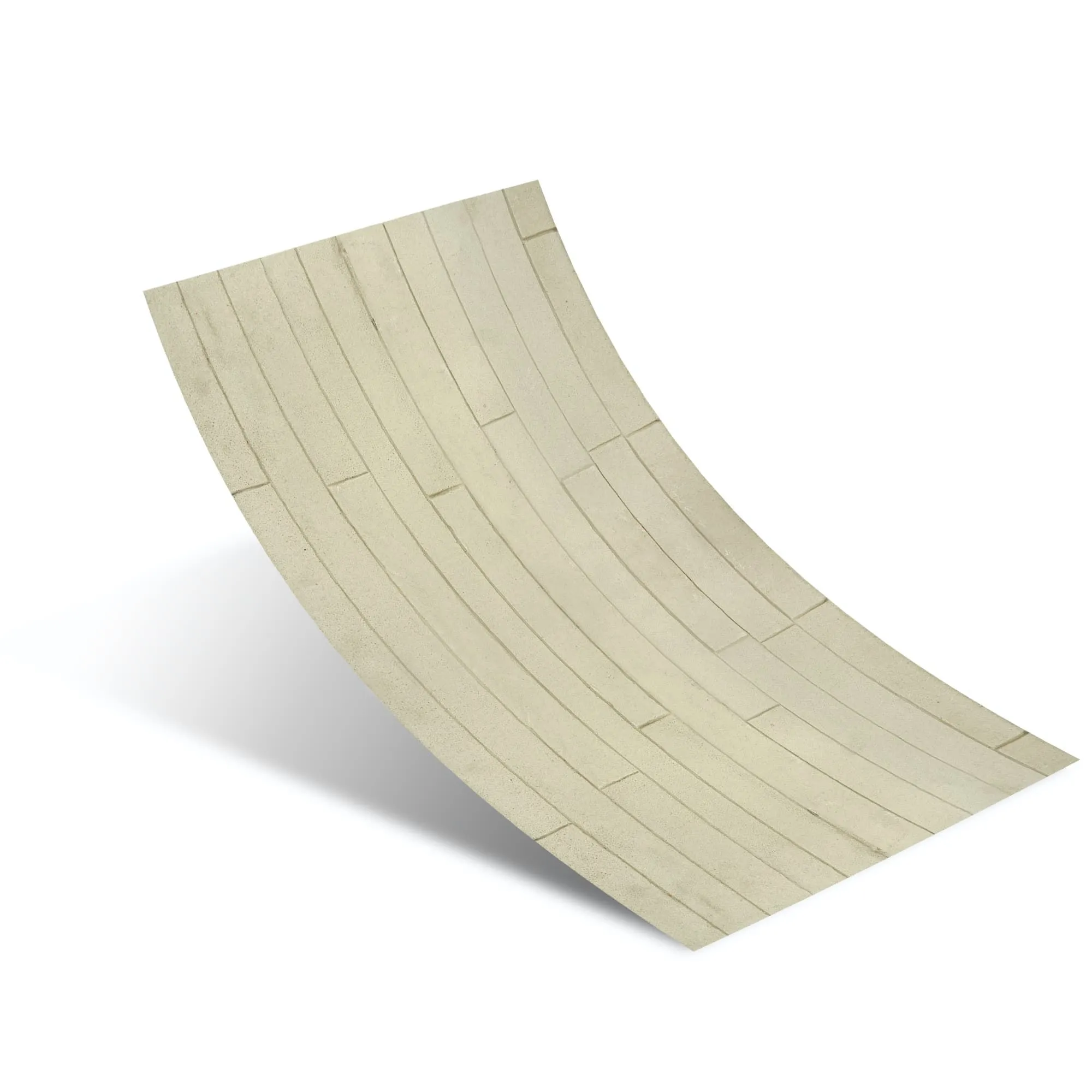
The era of uncompromising choices in architecture is drawing to a close. We no longer have to choose between the timeless beauty of natural materials and the urgent need for sustainable practices. We no longer have to sacrifice creative freedom for budgetary and logistical constraints. Materials like MCM are bridging these gaps, offering a solution that is both inspiring and responsible.
MCM is more than just a clever imitation of stone; it is an intelligent evolution. It takes the best aesthetic qualities of our most cherished natural materials and re-engineers them for the demands of the modern world. It is a testament to human ingenuity—our ability to solve complex problems by creating materials that are lighter, stronger, more versatile, and gentler on our planet.
Companies like COLORIA GROUP are at the forefront of this movement, acting as true partners to the visionaries who design and build our world. By providing a complete, one-stop solution—from initial consultation and bespoke design with products like the MCM 3D Printing series, to supplying high-performance materials like MCM Flexible Stone and the MCM Big Slab Board—they are empowering a new generation of architecture. It's a future where our buildings are not only more beautiful and durable but also more deeply connected to the principles of efficiency and environmental stewardship. The stone age was foundational, but the age of modified materials is where the future is truly being built.
Recommend Products











