

In an era where environmental consciousness is no longer a niche concern but a global imperative, the construction industry stands at a critical juncture. Traditional building practices, while robust, often come with a significant environmental cost, particularly in the production and transportation of materials like natural stone or conventional ceramics. The extraction of raw materials, energy-intensive manufacturing processes, and the logistical challenges of heavy goods all contribute to a substantial carbon footprint. As architects, developers, and homeowners increasingly seek greener alternatives without compromising on aesthetic appeal or structural integrity, the demand for truly sustainable building materials has skyrocketed. This is where innovation steps in, offering solutions that redefine the balance between human development and planetary preservation.
COLORIA GROUP, as a leading **one-stop solution provider** in the architectural materials domain, has been at the forefront of this green revolution. With decades of industry experience and a global reach, including a strong presence in Saudi Arabia, we understand the unique challenges and opportunities within diverse markets. Our commitment is to deliver not just products, but comprehensive solutions that meet the evolving demands of both residential and commercial projects. Central to our offerings, and indeed to our sustainable vision, is our groundbreaking **MCM (Modified Cementitious Material)** series. This advanced material represents a paradigm shift in how we think about and utilize decorative and functional surfaces in construction. It's a testament to our dedication to innovation, offering a harmonious blend of aesthetics, performance, and unparalleled environmental responsibility.
The journey towards sustainability in construction is multifaceted, requiring a holistic approach that considers every stage of a material's lifecycle. From its inception as raw components to its eventual application and beyond, the environmental impact must be minimized. Our MCM products are engineered precisely with this philosophy in mind. They embody the principles of circular economy, resource efficiency, and low-carbon production, making them an ideal choice for projects aiming for green building certifications and a reduced ecological footprint. By choosing MCM, our clients are not merely selecting a material; they are investing in a future where stunning architecture and environmental stewardship coexist seamlessly.
The global construction sector is a colossal consumer of resources and a significant contributor to carbon emissions. From the quarries that yield stone to the energy-intensive kilns that bake bricks and tiles, every stage carries an environmental burden. Traditional masonry stone, while beautiful and durable, often requires extensive quarrying, which can lead to habitat destruction, landscape alteration, and significant energy consumption for extraction and cutting. Furthermore, the sheer weight of natural stone translates into high transportation costs and associated carbon emissions. Ceramic and porcelain tiles also demand high temperatures during firing, consuming vast amounts of energy and releasing greenhouse gases. Addressing these challenges is paramount for achieving global climate goals and fostering genuinely sustainable urban development.
This recognition has spurred a global movement towards greener building practices. Standards like LEED (Leadership in Energy and Environmental Design) and BREEAM (Building Research Establishment Environmental Assessment Method) are increasingly influencing material selection, pushing developers and designers towards products with lower embodied energy, reduced waste, and improved indoor air quality. COLORIA GROUP has embraced these principles wholeheartedly, viewing them not as regulatory hurdles but as opportunities to innovate and lead. Our goal is to provide **high-quality interior and exterior finishing materials** that not only meet but exceed these stringent environmental criteria, offering tangible benefits that extend from the project site to the wider ecosystem.
The long-term performance and durability of building materials also play a crucial role in sustainability. A material that needs frequent replacement, regardless of its initial environmental credentials, will ultimately contribute to more waste and resource consumption over its lifecycle. Therefore, sustainability must also encompass the longevity and resilience of the chosen materials. Our MCM products are designed with an intrinsic understanding of this need, engineered for exceptional durability and resistance to wear, weather, and environmental factors, ensuring that their eco-friendly benefits are sustained for decades.
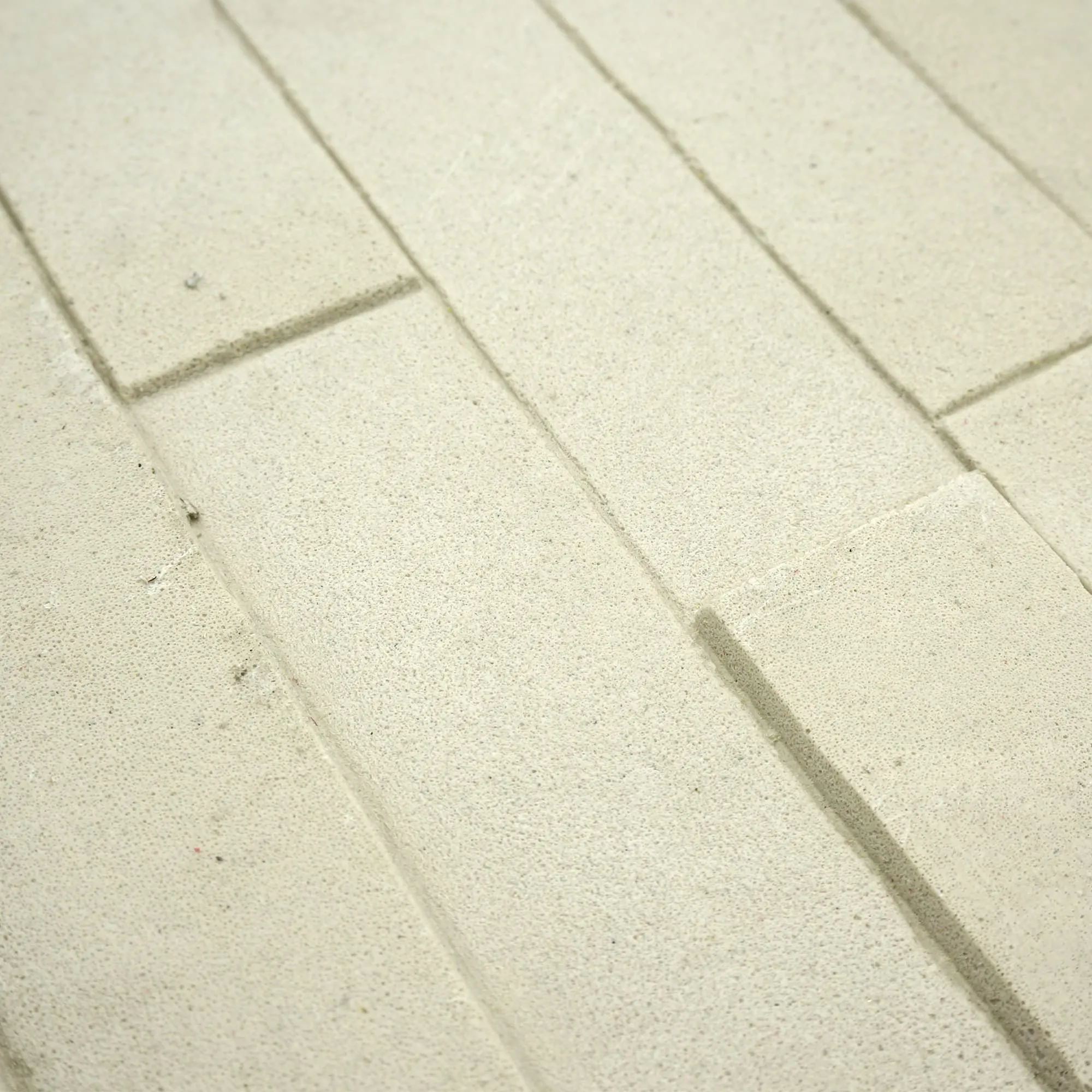
At the heart of COLORIA GROUP's sustainable offerings lies **MCM (Modified Cementitious Material)**. But what exactly is MCM, and what makes it such a game-changer? Simply put, MCM is an innovative composite material made from a blend of natural mineral powders, inorganic pigments, and polymer binders. Unlike traditional ceramics or concrete that rely on high-temperature firing or heavy aggregate, MCM's manufacturing process is remarkably different and significantly more eco-efficient. It's a testament to how advanced material science can unlock solutions that are both high-performing and gentle on the planet.
The beauty of MCM lies in its versatility and mimicry capabilities. Through advanced forming and curing technologies, MCM can replicate the texture, color, and appearance of various natural materials like stone, wood, brick, and leather, all while retaining its inherent advantages. This allows for unparalleled design freedom, enabling architects and designers to achieve sophisticated aesthetics without the environmental drawbacks associated with sourcing and processing natural resources. The development of MCM is a direct response to the industry's need for materials that offer both visual appeal and a reduced ecological footprint.
COLORIA GROUP's commitment to research and development has enabled us to refine the MCM formulation and production process to an exceptional degree. Our MCM products are not just substitutes; they are enhancements, offering superior performance characteristics in many aspects compared to their traditional counterparts. This includes not only their environmental profile but also their physical properties, installation ease, and long-term maintenance requirements. It's a holistic innovation designed to benefit every stakeholder in the construction value chain.
The true genius of MCM's environmental performance stems from its unique production process. Traditional ceramics require kilns heated to over 1200°C, a process that is highly energy-intensive and releases significant amounts of CO2. Natural stone, while not fired, demands heavy machinery for quarrying, cutting, and polishing, all of which consume fossil fuels and generate waste. MCM, in stark contrast, is produced using a low-temperature curing process, typically below 100°C, or even at room temperature, which drastically reduces energy consumption.
This low-energy manufacturing translates directly into a substantially lower carbon footprint. When we talk about embodied energy – the total energy consumed during the entire lifecycle of a product – MCM consistently outperforms traditional materials. Furthermore, the process is largely closed-loop, minimizing waste generation and water usage. The raw materials, often abundant and non-toxic, are carefully selected to ensure both environmental safety and performance integrity. This meticulous attention to detail at every stage of production underscores COLORIA GROUP's unwavering dedication to sustainability.
MCM's Low-Temperature Curing: A game-changer in material production, significantly cutting down energy consumption and carbon emissions compared to high-heat processes of traditional ceramics and extensive quarrying of natural stone. This efficiency is at the core of its eco-friendly credentials.
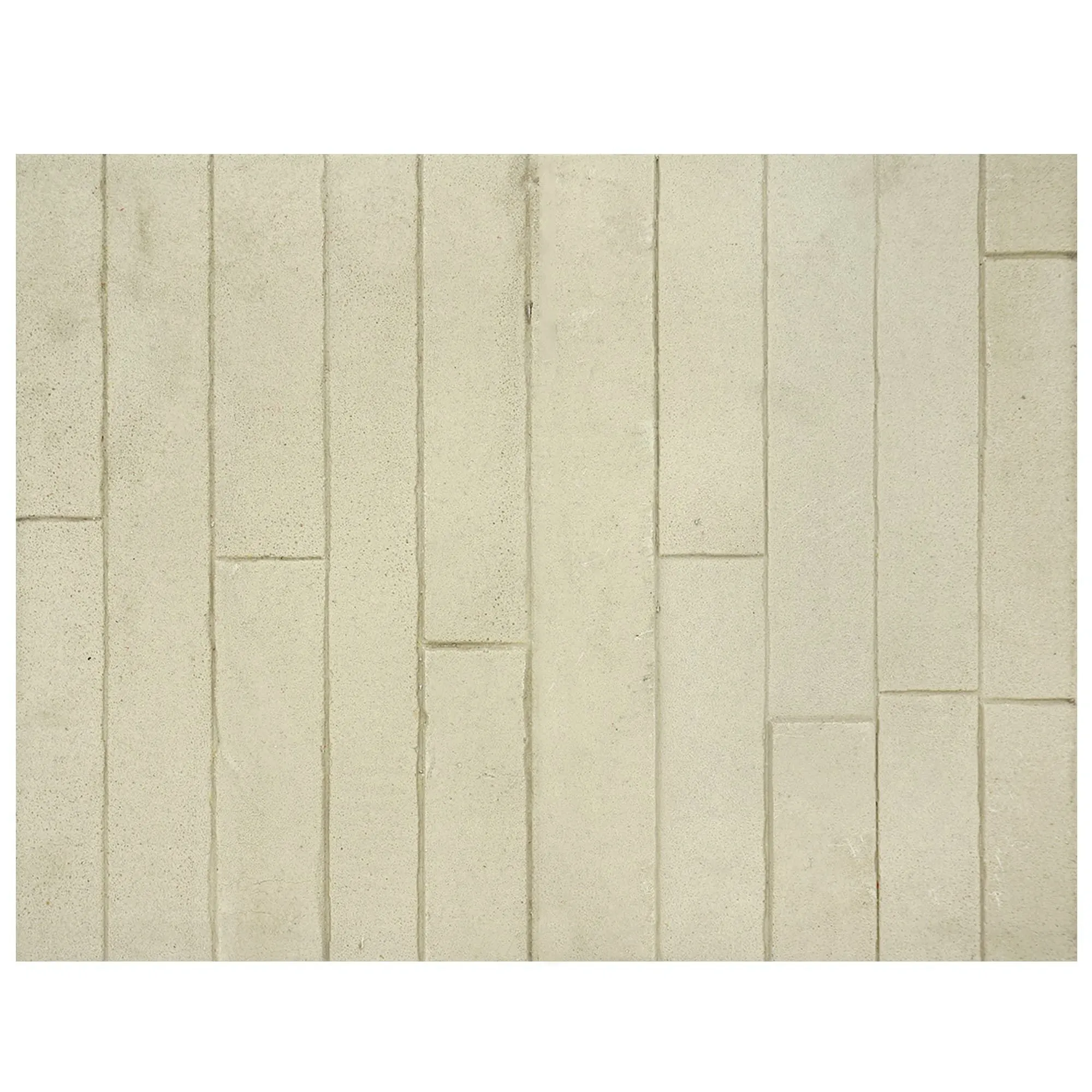
The title of this article, "Sustainable Masonry Stone Production: How MCM Reduces Carbon Footprint," highlights a central promise of our technology. Let's delve into the specific ways MCM achieves this critical reduction across its lifecycle.
Traditional masonry involves extracting large blocks of natural stone from quarries, a process that can be environmentally disruptive. MCM, on the other hand, utilizes abundant natural mineral powders and often incorporates recycled materials, reducing the demand for virgin resources. The careful selection of these raw materials ensures they are non-toxic and sustainably sourced, contributing to a responsible supply chain. Because MCM is a manufactured composite, its composition can be precisely controlled, leading to less material waste during production compared to the inherent variations and imperfections found in natural stone. This ability to optimize material input means that every component contributes effectively to the final product, leaving minimal environmental impact.
As mentioned, the manufacturing process for MCM is a cornerstone of its sustainability. Unlike ceramic tiles, which are fired at extreme temperatures (often over 1200°C) requiring enormous energy inputs and releasing significant CO2 emissions from fuel combustion, MCM is processed at much lower temperatures, typically below 100°C, or even through ambient air curing. This drastic reduction in thermal energy demand translates directly into substantially lower energy consumption and, consequently, a significantly reduced carbon footprint.
To quantify this, consider that the energy required to produce a square meter of MCM can be a fraction of that needed for a comparable ceramic or porcelain tile. This isn't just about saving electricity; it's about reducing the burning of fossil fuels at power plants or directly in kilns, thereby mitigating greenhouse gas emissions. COLORIA GROUP continuously refines its production techniques to maximize energy efficiency, incorporating renewable energy sources where feasible and implementing lean manufacturing principles to minimize waste at every step.
Water is a precious resource, and its consumption in industrial processes is a growing concern. Many traditional building material productions are water-intensive. MCM manufacturing is designed to be water-efficient. The mixing and curing processes are optimized to use minimal water, and where possible, water is recycled within the production facility. This conscious approach to water management further enhances MCM's environmental profile, making it a responsible choice in regions facing water scarcity.
One of the most immediate and impactful ways MCM reduces carbon footprint is through its lighter weight. Traditional stone or ceramic panels are inherently heavy. This weight translates directly into higher fuel consumption and emissions during transportation from the factory to the project site. MCM products, especially our MCM Big Slab Board Series and MCM Project Board Series, are significantly lighter per square meter.
This weight reduction allows for more material to be transported per vehicle load, fewer trips, and ultimately, lower fuel consumption and reduced greenhouse gas emissions from logistics. For large-scale projects, this can result in substantial savings in both cost and carbon. Furthermore, the flexibility of some MCM series, like MCM Flexible Stone, means easier handling and less risk of breakage during transit, further optimizing the supply chain's efficiency and environmental impact. COLORIA GROUP strategically manages its logistics to leverage these weight advantages, ensuring that the environmental benefits extend throughout the distribution network.
Construction sites are notorious for generating significant waste. Natural stone requires cutting and shaping on-site, leading to off-cuts and dust. Breakage during handling and installation is also common. MCM, being lightweight and often more flexible, is easier to handle and install, reducing the likelihood of breakage. Its precise manufacturing allows for minimal trimming, and any off-cuts can often be recycled or repurposed, contributing to a cleaner, more efficient construction site.
Furthermore, the simplicity and speed of MCM installation reduce labor hours and associated energy consumption on-site. Less reliance on heavy machinery for lifting and placement also means lower emissions from construction equipment. This holistic reduction in on-site environmental impact contributes significantly to a project's overall sustainability profile.
A truly sustainable material is one that lasts. Frequent replacement of building materials leads to increased resource consumption, waste generation, and embodied energy over the lifespan of a building. MCM products are engineered for exceptional durability, weather resistance, and color stability. They are designed to withstand harsh environmental conditions, UV radiation, and daily wear and tear, ensuring a long service life. This longevity reduces the need for premature replacement, thereby conserving resources and minimizing the lifecycle carbon footprint of a building. COLORIA GROUP stands by the robust performance of its MCM series, confident in its ability to deliver lasting beauty and functionality.
While the technology is continuously evolving, the composition of MCM offers potential for future recycling. As building materials reach the end of their useful life, the ability to recover and reuse or recycle their components is crucial for a circular economy. COLORIA GROUP is actively researching and developing methods to ensure that MCM products can be responsibly managed at the end of their lifecycle, further closing the loop on resource consumption and waste. This forward-thinking approach ensures that our products are not just green today, but also part of a sustainable future.
COLORIA GROUP's MCM: Setting New Standards for Eco-Friendly Building Materials with a Significantly Lower Carbon Footprint from Production to Installation.
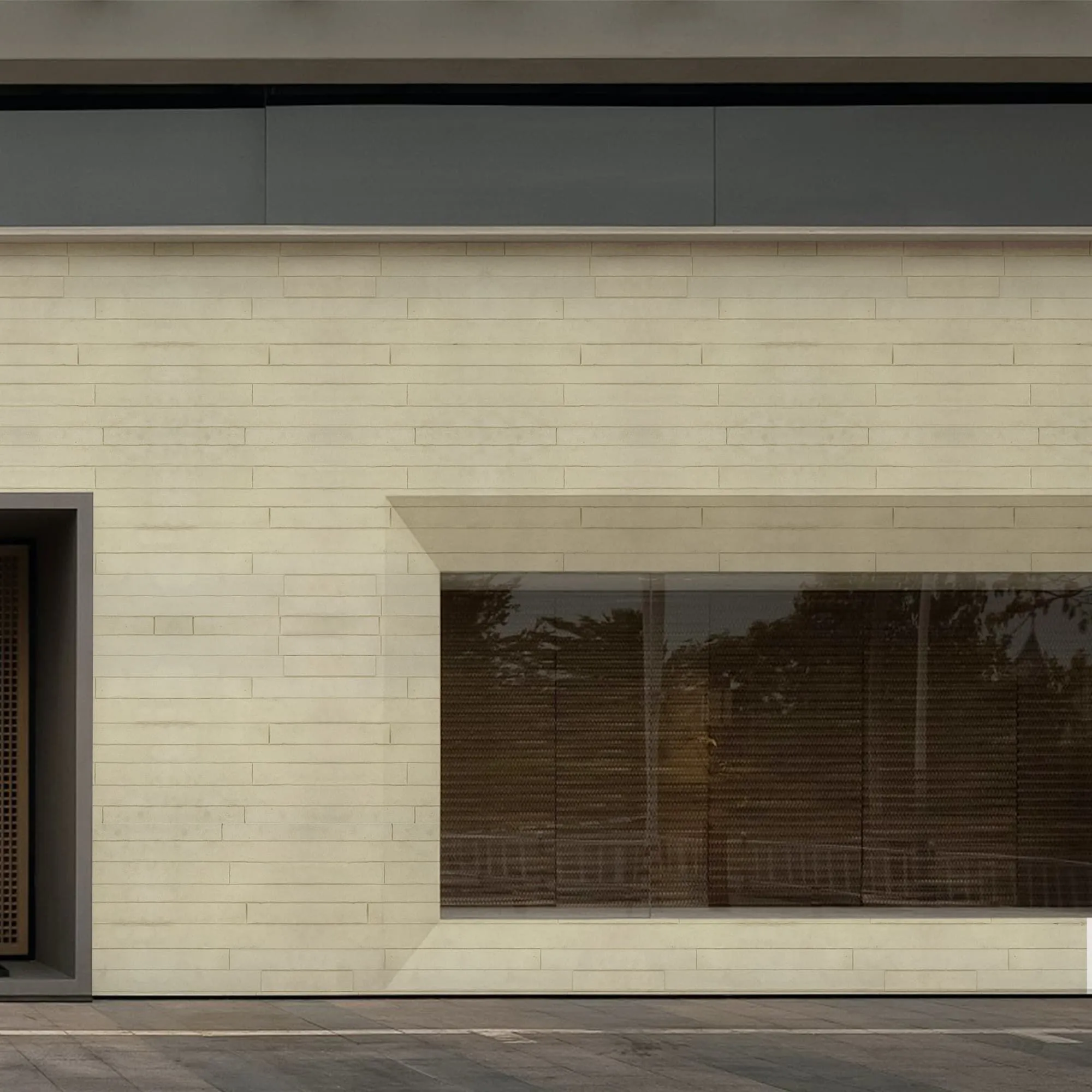
COLORIA GROUP's commitment to sustainability is perfectly embodied in our diverse range of MCM products. Each series is designed to meet specific architectural needs while upholding our core values of environmental responsibility, performance, and aesthetic excellence. Our expertise as a **one-stop solution provider** means we don't just offer materials; we offer integrated systems and support that help bring sustainable visions to life.
The MCM Big Slab Board Series is designed for projects that demand expansive, seamless surfaces without the environmental baggage of large natural stone slabs. These large-format boards offer significant advantages:
For vast building facades, feature walls, or grand interior spaces, the MCM Big Slab Board Series provides an elegant, high-performance, and environmentally conscious alternative. It allows designers to achieve the desired monumental aesthetic while aligning with green building objectives.
The MCM Project Board Series focuses on robust performance and adaptability for a wide range of commercial and residential applications. This series is specifically tailored to meet the rigorous demands of large-scale construction projects where consistency, durability, and cost-effectiveness are paramount.
The MCM Project Board Series represents the practical application of our sustainable technology, providing architects and developers with a reliable, high-performance material that supports their environmental aspirations without compromise.
Pushing the boundaries of innovation, COLORIA GROUP's MCM 3D Printing Series unlocks entirely new possibilities in architectural design and sustainable construction. This cutting-edge application of MCM technology offers unprecedented freedom in form and texture.
The MCM 3D Printing Series is not just a product; it's a vision for the future of architectural expression. It combines the aesthetic and performance benefits of MCM with the boundless potential of additive manufacturing, offering truly **green and eco-friendly features** in architectural ornamentation and functional elements.
The MCM Flexible Stone series is a testament to the remarkable versatility of Modified Cementitious Material. It offers the luxurious appearance and tactile feel of natural stone, but with inherent flexibility and a significantly lighter weight, opening up applications previously challenging for rigid materials.
MCM Flexible Stone is the perfect solution for designers seeking the timeless elegance of stone with the practical benefits of modern, sustainable technology. It's particularly well-suited for renovations, interior design projects, and intricate architectural details where traditional stone would be impractical.
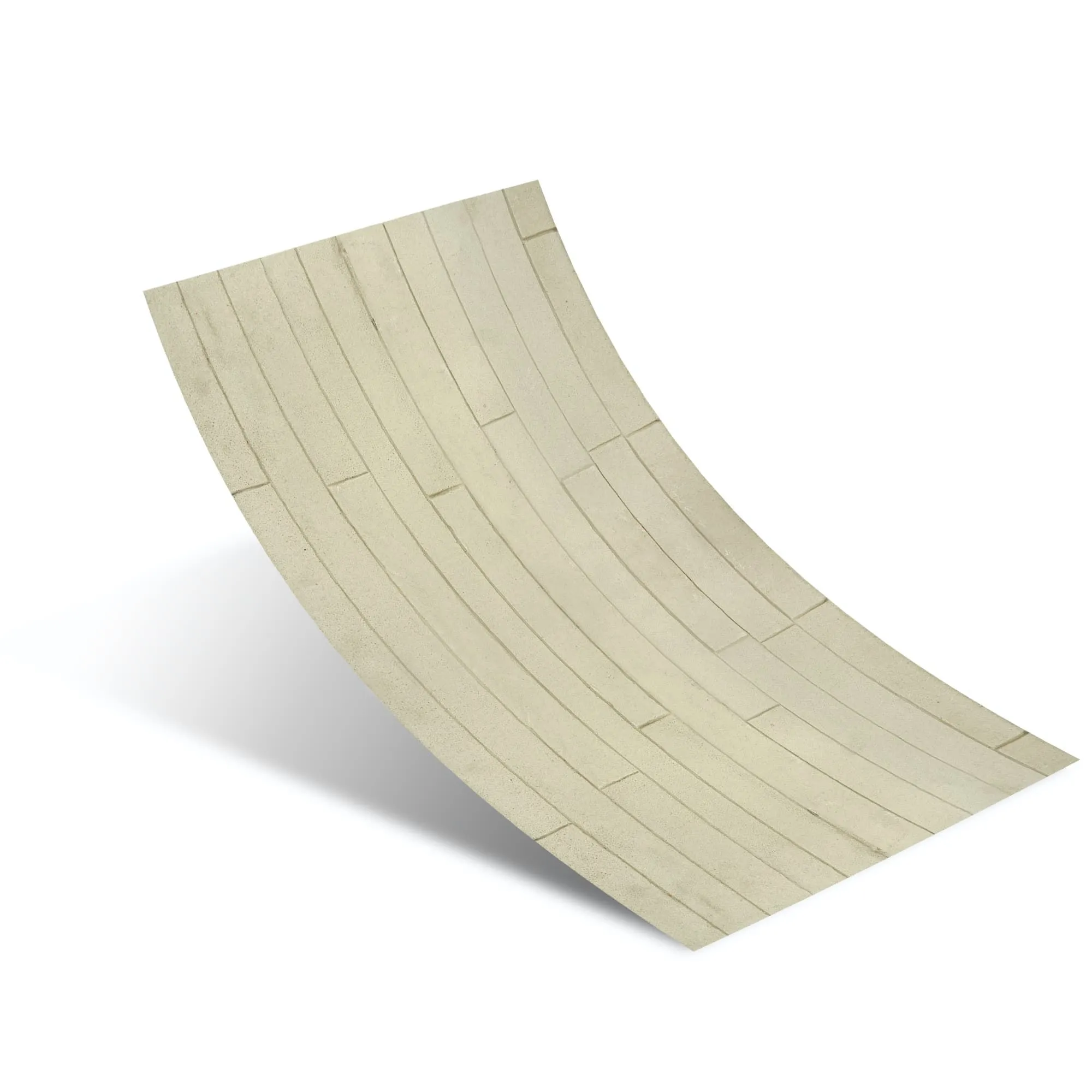
For architects and developers aiming for green building certifications, selecting materials with a demonstrably low environmental impact is crucial. COLORIA GROUP's MCM products provide a powerful advantage in achieving these sustainability targets. Their inherent **green and eco-friendly features** contribute across multiple categories of assessment.
Consider the LEED certification system, which awards points for various aspects of sustainable design and construction. MCM can contribute positively in areas such as:
Beyond formal certifications, using MCM signifies a genuine commitment to responsible construction. It communicates to clients, stakeholders, and the public that the project prioritizes environmental stewardship alongside aesthetic and functional excellence. This commitment is increasingly valued in today's market, appealing to environmentally conscious consumers and organizations alike. COLORIA GROUP provides comprehensive technical data and support to help project teams articulate the sustainable benefits of MCM effectively.
The global construction industry is on an irreversible path towards sustainability, driven by regulatory pressures, economic incentives, and a growing public awareness of environmental issues. As a leading **one-stop solution provider**, COLORIA GROUP is not merely adapting to this trend; we are actively shaping it through continuous innovation in materials science. Our dedication to the **MCM (Modified Cementitious Material)** series is a testament to our belief that high-quality, aesthetically pleasing, and high-performance building materials can and must also be environmentally responsible.
Our extensive experience, particularly our established presence and understanding of markets like Saudi Arabia, positions us uniquely to deliver these advanced solutions globally. We understand that every project has distinct needs, which is why our focus on **customization** is so critical. Whether it's the scale and grandeur of our MCM Big Slab Board Series, the project-specific demands met by our MCM Project Board Series, the revolutionary design freedom of our MCM 3D Printing Series, or the adaptable elegance of our MCM Flexible Stone, we ensure that sustainability is woven into every solution we provide.
The benefits of MCM extend far beyond its reduced carbon footprint. It offers superior durability, versatility, design flexibility, and ease of installation – all factors that contribute to the overall value and longevity of a construction project. By choosing COLORIA GROUP's MCM products, our clients are investing in materials that not only enhance the beauty and functionality of their buildings but also contribute significantly to a healthier planet. We are providing **high-quality interior and exterior finishing materials** that are truly future-proof.
Our mission is to empower architects, designers, and developers to create breathtaking, durable, and sustainable structures. The environmental advantages of MCM – from its low-energy manufacturing and reduced water usage to its lightweight properties that cut down transportation emissions and its minimal on-site waste – collectively make it an exemplary choice for any project striving for true sustainability. These **green and eco-friendly features** are not just buzzwords; they are quantifiable benefits that contribute to a lower embodied carbon and a more responsible approach to building.
COLORIA GROUP is more than a material supplier; we are a partner in sustainable development. We invite you to explore the vast potential of our MCM product range and join us in building a greener, more resilient future, one project at a time. The evolution from traditional masonry to sustainable alternatives like MCM is not just an option; it's an imperative, and COLORIA GROUP is proud to lead the charge.
To truly appreciate the impact of MCM, it's beneficial to briefly contrast its environmental profile with conventional building materials often used for similar applications. Understanding these differences highlights why COLORIA GROUP champions MCM as a superior, sustainable choice for modern construction.
Natural stone boasts undeniable beauty and longevity. However, its environmental journey is arduous. Quarrying is resource-intensive, requiring heavy machinery and often leading to significant landscape disruption. The process of cutting, polishing, and transporting these heavy materials consumes vast amounts of energy and generates substantial CO2 emissions. Furthermore, natural stone is finite, and its extraction can deplete natural resources.
MCM, in contrast, mimics the aesthetic of natural stone with remarkable fidelity but bypasses the destructive quarrying process. Its lightweight nature drastically reduces transportation emissions. The low-temperature manufacturing process slashes embodied energy, and its composition often includes natural mineral powders, reducing reliance on environmentally costly virgin materials. COLORIA GROUP's MCM provides the grandeur of stone without the heavy ecological footprint. This comparison highlights MCM's superior **green and eco-friendly features**.
Ceramic and porcelain tiles are ubiquitous in modern construction, valued for their durability and design versatility. Yet, their production is incredibly energy-intensive. Kilns operate at temperatures exceeding 1200°C, burning vast amounts of natural gas or other fossil fuels, resulting in significant greenhouse gas emissions. The mining of clays and other raw materials also carries an environmental cost.
MCM stands apart with its low-temperature curing process, often below 100°C. This fundamental difference leads to a massive reduction in energy consumption and associated carbon emissions. While both offer diverse aesthetic options, MCM's manufacturing pathway is inherently more sustainable. Moreover, the flexibility of certain MCM products like MCM Flexible Stone offers installation advantages that traditional rigid tiles cannot, leading to less breakage and waste on site.
Traditional cement production is a well-known contributor to global CO2 emissions due to the calcination process. While concrete is a foundational material, the embodied carbon in conventional cement-based panels can be high.
MCM, as a Modified Cementitious Material, utilizes a carefully engineered blend of mineral powders and binders that significantly reduces or alters the reliance on conventional high-carbon cement processes. The modification in its chemical composition and curing method results in a product with a much lower environmental impact per unit. Its lightweight characteristic also distinguishes it from dense concrete panels, further reducing transportation and installation impacts. This innovative composition underscores COLORIA GROUP's dedication to developing truly sustainable **high-quality interior and exterior finishing materials**.
COLORIA GROUP prides itself on being more than just a manufacturer of sustainable materials. As a **one-stop solution provider**, we offer a comprehensive suite of services that ensure seamless integration of MCM into any project. Our global experience, especially our established operations in regions like Saudi Arabia, means we understand diverse project requirements and logistical complexities.
Choosing COLORIA GROUP means partnering with a company that shares your vision for a sustainable future. It means accessing **high-quality interior and exterior finishing materials** that are not only beautiful and durable but also backed by genuine environmental stewardship. Our MCM products are a testament to our philosophy: innovation and responsibility go hand-in-hand.
The narrative of construction is shifting from mere creation to conscientious creation. Every material choice carries an ethical weight, and every project has the potential to contribute positively or negatively to our planet's health. With MCM from COLORIA GROUP, the choice for a lower carbon footprint, resource efficiency, and stunning architectural outcomes becomes clear. We invite you to embrace this future with us, transforming your architectural aspirations into sustainable realities.
COLORIA GROUP's MCM: Sustainable Innovation for a Greener Tomorrow. Discover how our Modified Cementitious Material can elevate your project's aesthetics and environmental performance.
The journey of architecture and construction is a continuous evolution, constantly seeking materials and methods that better serve human needs and respect the environment. In this journey, COLORIA GROUP's **MCM (Modified Cementitious Material)** stands out as a beacon of progress, offering a compelling answer to the pressing question of how to build sustainably. The emphasis on "Sustainable Masonry Stone Production" in this discussion is not just a catchphrase; it encapsulates a deep commitment to reinventing traditional building practices with cutting-edge science and ecological awareness.
From the moment raw materials are considered, through the energy-efficient low-temperature manufacturing, to the lightweight advantages that slash transportation emissions, and finally, to the minimal on-site waste and exceptional longevity, MCM systematically reduces the carbon footprint at every stage. This comprehensive approach to sustainability is what positions COLORIA GROUP as a truly responsible **one-stop solution provider**. We understand that integrating **high-quality interior and exterior finishing materials** into a project demands not just aesthetic appeal and structural integrity, but also robust environmental credentials.
The versatility offered by our diverse MCM series – from the grand scale of the Big Slab Board, the project-specific resilience of the Project Board, the boundless creativity of 3D Printing, to the adaptive beauty of Flexible Stone – ensures that there is an eco-friendly solution for every architectural challenge. Our unwavering focus on **customization** further enhances this, allowing designs to be realized precisely as envisioned, without compromising on sustainability. It is this dedication to innovation, tailored solutions, and environmental stewardship that drives COLORIA GROUP forward.
The adoption of materials with **green and eco-friendly features** is no longer a luxury but a necessity for any forward-thinking construction project. COLORIA GROUP is proud to offer a product line that not only meets this necessity but actively redefines the possibilities of sustainable design. By choosing MCM, our partners are making a powerful statement: that beauty, performance, and planetary health can, and must, coexist. We are not just building structures; we are building a sustainable legacy for generations to come. Join us in this vital endeavor, and let's craft a future that is both magnificent and mindful.
The transition away from highly carbon-intensive materials is crucial for the health of our planet. Every ton of CO2 avoided, every drop of water saved, and every unit of energy conserved makes a difference. MCM embodies these savings, offering a tangible pathway to greener construction. COLORIA GROUP is committed to pushing the boundaries of what is possible in material science, ensuring that our products continue to offer superior performance with an ever-decreasing environmental impact. This is not just our business; it's our contribution to a better world.
Our global presence, particularly our long-standing relationships and expertise in markets such as Saudi Arabia, allows us to implement these sustainable practices on a truly international scale. We are continuously collaborating with architects, designers, and developers to integrate MCM into groundbreaking projects that demonstrate the future of sustainable architecture. The feedback and success stories from these projects reinforce our belief in MCM's transformative power and our role as a trusted partner in achieving ambitious environmental goals.
Ultimately, "Sustainable Masonry Stone Production: How MCM Reduces Carbon Footprint" is more than just an article title; it is a declaration of intent from COLORIA GROUP. It is our promise to deliver innovative, high-performance, and genuinely sustainable building materials that empower our clients to create aesthetically stunning and environmentally responsible spaces. We invite you to explore the vast potential of MCM and become part of this essential movement towards a greener, more sustainable built environment.
| Environmental Aspect | Traditional Masonry/Tiles | COLORIA GROUP's MCM (Modified Cementitious Material) | Impact Reduction |
|---|---|---|---|
| Resource Sourcing | Quarrying of finite natural stone, virgin clay/minerals. | Abundant natural mineral powders, potential for recycled content. | Significantly reduces impact on natural landscapes and non-renewable resources. |
| Manufacturing Energy | High-temperature kilns (1000-1200°C+), heavy machinery for cutting/polishing. | Low-temperature curing (below 100°C or ambient). | Massive reduction in energy consumption and associated CO2 emissions. |
| Water Usage | Often water-intensive for processing and cooling. | Optimized, water-efficient processes, potential for recycling. | Substantial water conservation. |
| Carbon Emissions (Production) | High due to energy consumption, raw material processing. | Significantly lower due to low-energy process. | Dramatic decrease in embodied carbon. |
| Product Weight | Heavy (stone, thick ceramics). | Lightweight, especially compared to stone. | Reduced fuel consumption and emissions during transportation. |
| On-site Waste | Significant off-cuts, breakage, dust. | Minimal off-cuts, reduced breakage, less dust. | Cleaner construction sites, less landfill burden. |
| Installation Impact | Requires heavy lifting, specialized tools, more labor. | Easier handling, faster application, less specialized equipment. | Reduced labor hours, lower equipment emissions. |
| Durability & Lifespan | Generally good, but can be brittle (tiles) or require specific maintenance (stone). | Engineered for long-term durability, weather resistance, UV stability. | Longer product life, reducing need for replacement and associated impacts. |
Recommend Products











