

In the dynamic world of modern architecture, the conversation has decisively shifted. It's no longer just about creating structures that are visually striking or monumentally grand; it's about building with purpose, responsibility, and a deep-seated respect for our planet. This paradigm shift has propelled concepts like sustainability and green building from niche ideals to industry-wide imperatives. At the forefront of this movement is the LEED (Leadership in Energy and Environmental Design) certification, a globally recognized symbol of excellence in sustainable construction. Achieving LEED certification is a testament to a project's commitment to resource efficiency, environmental health, and human well-being. Architects and developers are now in a constant search for innovative materials that can help them meet these stringent standards without compromising on design freedom.
Imagine a building façade that is not flat and static, but fluid and dynamic, capturing the graceful movement of a wave. Imagine this façade being incredibly lightweight, composed of natural and recycled materials, and produced with a fraction of the energy required for traditional claddings. This is not a futuristic fantasy; it is the reality made possible by Modified Cementitious Material (MCM), a groundbreaking technology that is reshaping our understanding of building envelopes. Specifically, the advent of MCM wave panels offers a tantalizing fusion of breathtaking aesthetics and profound sustainability. As a pioneering force in this domain, COLORIA GROUP has dedicated decades of expertise to perfecting and deploying MCM solutions, providing the tools for architects to build not just for today, but for a greener tomorrow.
Before we dive into the specifics of any one material, it's crucial to understand the broader context. What does it truly mean for a building to be "sustainable"? The term extends far beyond simply using recycled materials or installing solar panels. True sustainability in construction is a holistic philosophy that considers the entire lifecycle of a building and its components. This lifecycle thinking forces us to ask critical questions at every stage:
This is where the LEED framework provides an invaluable roadmap. It doesn't just award points for a single green feature; it provides a comprehensive system for evaluating a project's performance across multiple critical areas. The "Materials and Resources" (MR) and "Indoor Environmental Quality" (EQ) credit categories, in particular, place a heavy emphasis on the choices we make for claddings, finishes, and structural components. The material you specify for a façade can directly impact your project's ability to earn points for recycled content, low-emitting materials, lifecycle impact reduction, and construction waste management.
For decades, architects have relied on a familiar palette of materials for building exteriors: natural stone, ceramic tiles, metal panels, and precast concrete. While these materials have served us well and possess their own unique qualities, they face significant challenges when viewed through the modern lens of sustainability. The quarrying of natural stone is an energy-intensive process that permanently alters landscapes. The firing of ceramic tiles requires massive kilns heated to over 1200°C, consuming vast amounts of energy. Heavy materials like stone and concrete increase the structural load of a building, requiring more steel and concrete in the foundation and frame, which in turn increases the project's embodied carbon. They are also notoriously difficult and costly to transport and install, often leading to significant on-site waste from breakage. It is this context of challenges and compromises that created the urgent need for a better alternative—a material that could deliver the beauty of nature without its environmental cost.
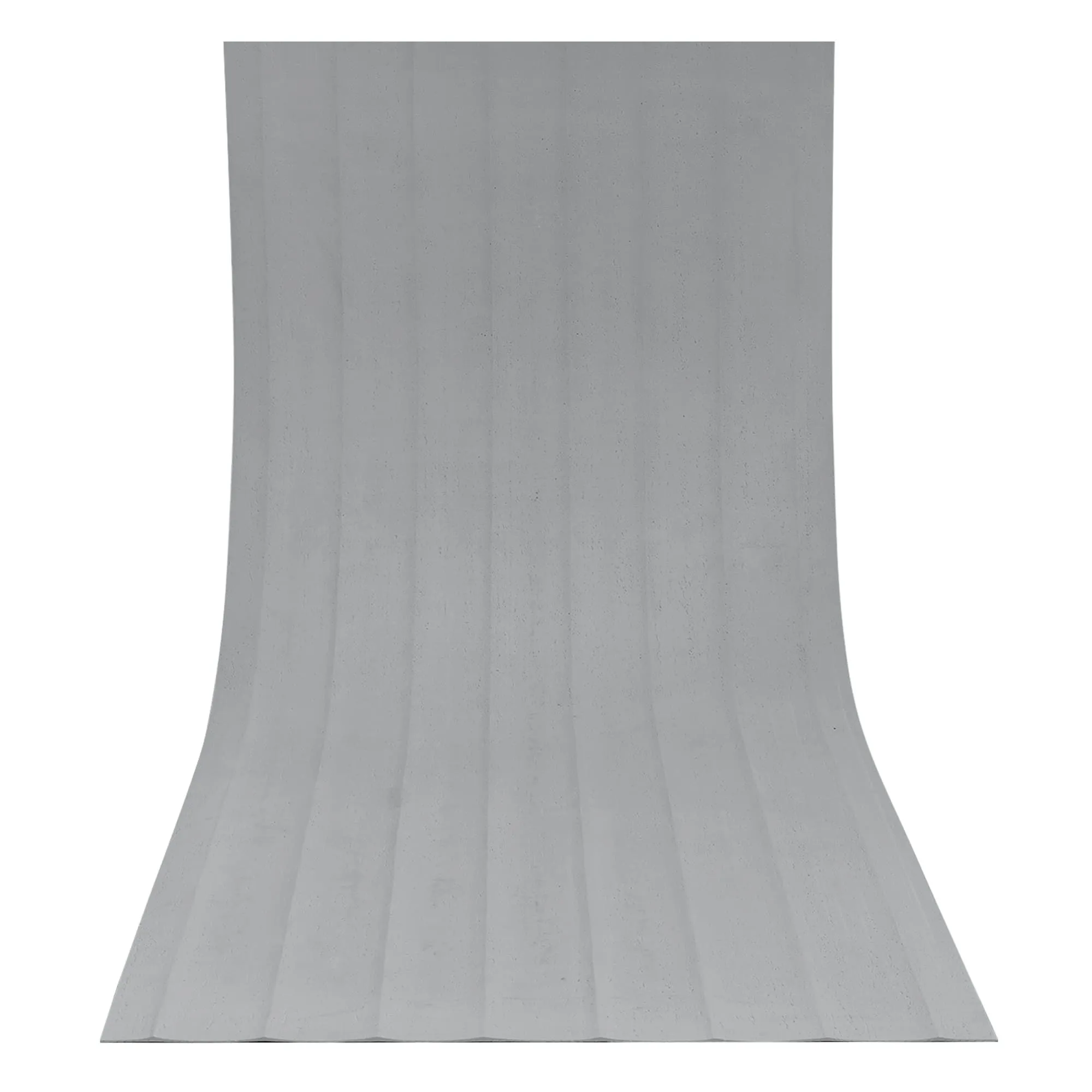
Enter Modified Cementitious Material, or MCM. Developed and refined by COLORIA GROUP, MCM is not merely an incremental improvement on existing materials; it is a fundamental re-imagination of what a cladding material can be. At its core, MCM is a composite material born from the earth itself. Its primary ingredients are natural, inorganic materials such as common soil, sand, stone powder, and fly ash—byproducts that might otherwise end up in landfills. This raw blend is then mixed with a small amount of a water-soluble polymer and processed through a proprietary, low-temperature curing process, typically below 120°C.
The low-temperature manufacturing process is a key differentiator. Compared to the scorching heat required for ceramics or the raw energy of quarrying, MCM production represents a monumental leap forward in energy efficiency, drastically reducing the material's embodied carbon from the very start of its life.
The result of this innovative process is a material that is as versatile as it is virtuous. One of the most exciting manifestations of this versatility is the MCM wave panel. The term "panel" is almost a misnomer, as it implies rigidity and flatness. MCM, however, is inherently flexible. This pliability allows it to be molded into virtually any shape imaginable before it is cured. This is how the fluid, organic, three-dimensional forms of wave panels are created, enabling architects to design façades that ripple and flow, playing with light and shadow in a way that is impossible with rigid materials. This level of customization is pushed to its zenith with the MCM 3D Printing Series , which empowers designers to translate complex digital models directly into tangible, intricate architectural surfaces.
The benefits of COLORIA GROUP's MCM technology extend far beyond its design potential. Let's explore its core attributes:
MCM panels are incredibly thin and light, often weighing just 4-8 kg per square meter. This is a fraction of the weight of traditional materials like natural stone (which can be 50-80 kg/m²) or ceramic tiles (around 20-30 kg/m²). This drastic weight reduction has a cascading effect of benefits: it lowers transportation costs and emissions, simplifies and speeds up installation, reduces labor requirements, and, most importantly, lessens the dead load on the building's structure, potentially allowing for a lighter, more resource-efficient frame.
Unlike brittle stone or ceramic, MCM possesses a surprising degree of flexibility. This allows it to be easily applied to curved walls, columns, and other non-linear architectural features without the need for expensive, pre-fabricated curved sections. This flexibility also makes it far more resistant to cracking during transport, handling, and due to minor building settlement over time, leading to less waste and greater long-term durability.
Despite its light weight and flexibility, MCM is a robust and resilient material. It is highly resistant to weathering, freeze-thaw cycles, UV degradation, and impact. Its color is integrated throughout the material, not just a surface coating, so it won't fade or peel over time. Critically for high-rise and public buildings, MCM boasts a Class A fire rating, meaning it is non-combustible and will not contribute to the spread of flames, offering a superior level of safety.
MCM is a vapor-permeable, or "breathable," material. This allows moisture vapor from within the wall assembly to escape, preventing the buildup of condensation, which can lead to mold, mildew, and structural degradation. By contributing to a healthier wall system and preventing harmful mold growth, MCM helps create better indoor environmental quality for building occupants. Furthermore, being made from natural minerals and containing zero volatile organic compounds (VOCs), it does not off-gas harmful chemicals into the air.
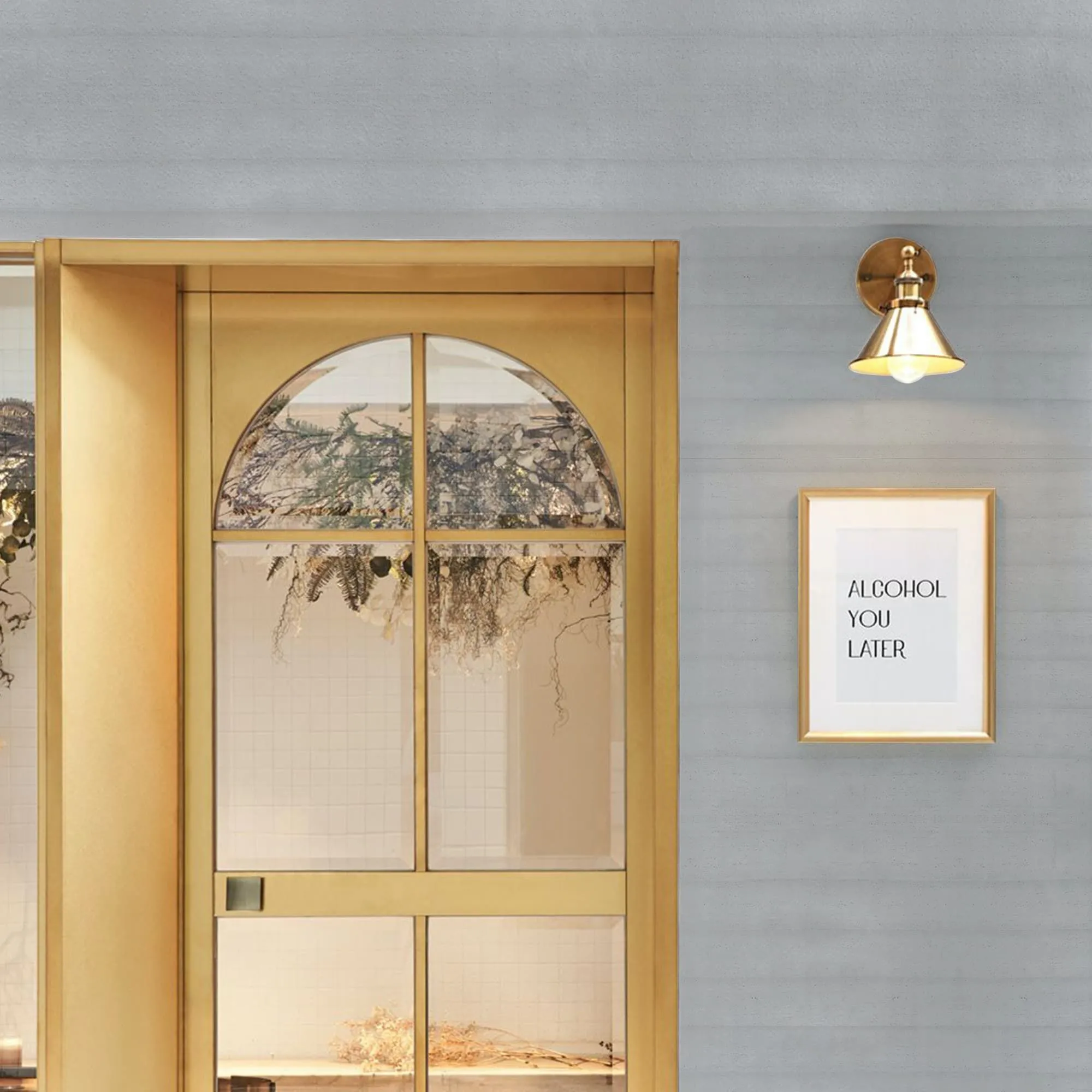
The true measure of a sustainable material is how well it performs against a rigorous, independent standard. This is where MCM wave panels from COLORIA GROUP truly shine, as their inherent properties align seamlessly with multiple credit categories within the LEED v4.1 framework. For architects and project teams aiming for Gold or Platinum certification, specifying MCM can be a strategic move that pays dividends across the scorecard.
This category is arguably where MCM makes its most significant impact. It rewards projects for minimizing the embodied energy and environmental impacts of their materials.
This category focuses on creating a healthy and comfortable environment for occupants.
To put these advantages into perspective, let's compare MCM wave panels with some conventional alternatives in a more structured format.
| Feature | MCM Wave Panels (COLORIA GROUP) | Natural Stone Slabs | Ceramic/Porcelain Tiles | Aluminum Composite Panels (ACP) |
|---|---|---|---|---|
| Weight (per m²) | 4-8 kg (Extremely Low) | 40-80 kg (Very High) | 18-30 kg (High) | 5-8 kg (Low) |
| Carbon Footprint (Manufacturing) | Very Low (Low-temp curing) | High (Quarrying, cutting, transport) | Very High (High-temp firing >1200°C) | High (Aluminum smelting is energy-intensive) |
| Design Freedom (3D Forms) | Excellent (Malleable, can be molded into any shape) | Very Poor (Extremely difficult and expensive to carve) | Poor (Limited to flat or very simple reliefs) | Limited (Can be bent but not molded into complex curves) |
| Flexibility & Installation | High (Bends around curves, easy to cut, less waste) | None (Brittle, heavy, high installation cost and waste) | None (Brittle, requires precise cutting, high breakage rate) | Moderate (Can be folded but requires special fabrication) |
| Recycled Content | High potential (Utilizes fly ash, stone powder) | None (Virgin quarried material) | Low to moderate | Varies, can have recycled aluminum content |
| LEED MR Credit Contribution | Strong (Lifecycle impact, recycled content, waste reduction) | Weak (High impact, heavy transport, high waste) | Weak (High embodied energy) | Moderate (Depends on recycled content and sourcing) |
| LEED EQ Credit Contribution | Strong (Zero VOCs, breathable) | Strong (Inert, zero VOCs) | Strong (Inert, zero VOCs) | Weak (Adhesives and core may contain VOCs) |
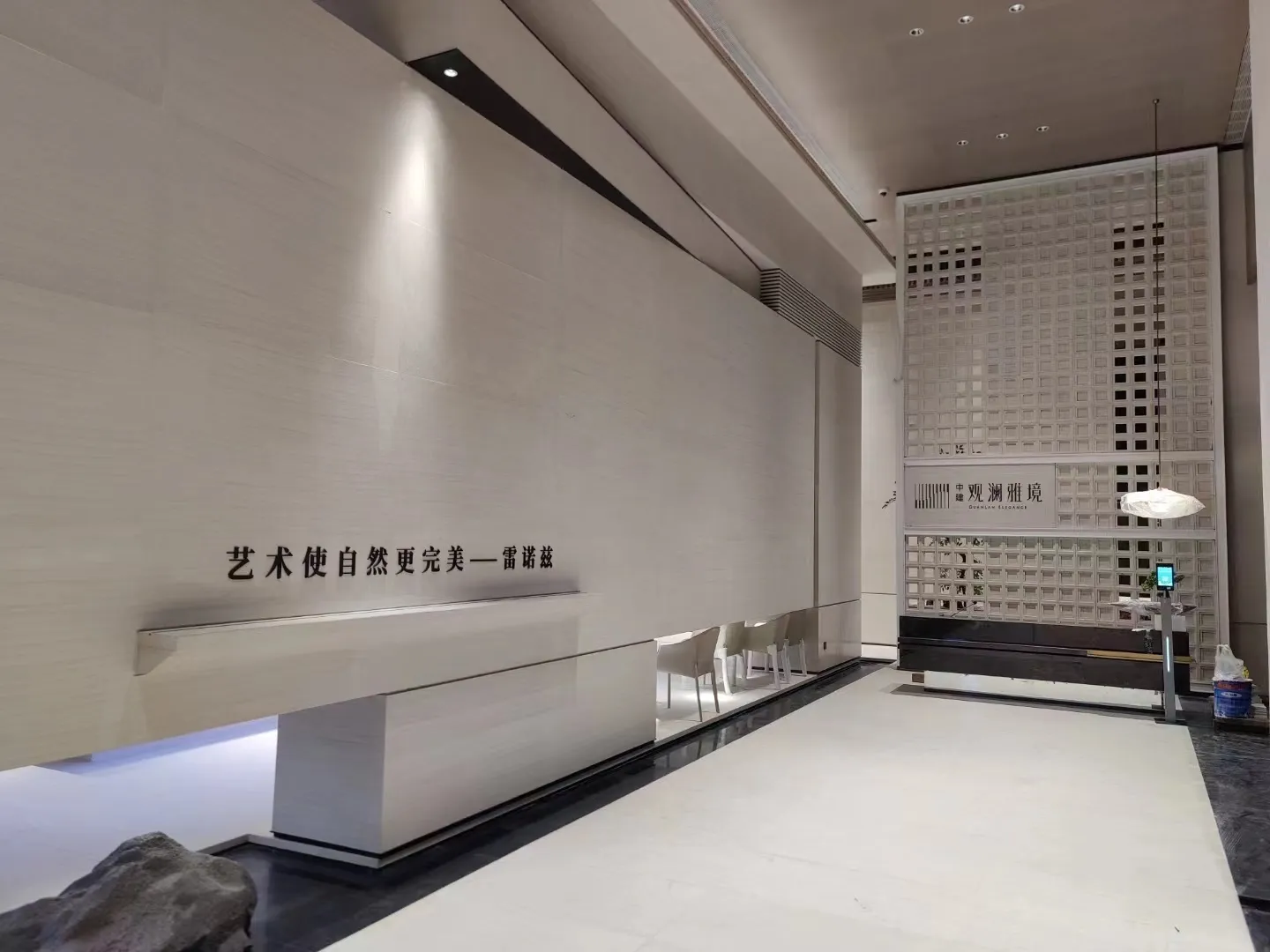
While the sustainable MCM wave panel is a spectacular example of what is possible, it represents just one facet of a much broader and more versatile product ecosystem. At COLORIA GROUP, we pride ourselves on being a genuine one-stop solution provider for architects and builders worldwide. Our expansive portfolio of MCM products is designed to meet the diverse technical and aesthetic demands of any project, from sprawling commercial complexes in Saudi Arabia to bespoke residential homes.
For projects where the timeless beauty of natural stone is desired, but its environmental and logistical baggage is not, our MCM Flexible Stone series is the perfect answer. This product line meticulously recreates the textures, colors, and veining of materials like slate, travertine, sandstone, and granite. Yet, it does so in a form that is paper-thin, incredibly light, and flexible enough to wrap around a column. It provides the majestic look of a solid stone wall without the heavy structural support, complex anchoring systems, or ecological impact of quarrying. It is an ideal solution for both new builds and renovation projects, allowing for a dramatic transformation of a façade with minimal disruption and structural intervention.
Large-scale projects demand materials that are not only high-performing but also consistent, reliable, and cost-effective. The MCM Project Board Series is engineered specifically for this purpose. These boards offer exceptional durability, weather resistance, and color stability, ensuring that a building's façade will maintain its integrity and appearance for decades, even in harsh climates. Available in a wide range of standard and custom finishes—from smooth concrete looks to wood grain textures—this series provides a robust and efficient cladding solution for commercial buildings, public institutions, and multi-family residential developments where performance and value are paramount.
Complementing these are our MCM Big Slab Board Series, which allows for the creation of vast, seamless surfaces that exude modern minimalism and grandeur, and the aforementioned MCM 3D Printing Series , which continues to push the boundaries of bespoke architectural expression. This comprehensive range ensures that whether an architect envisions a façade that mimics ancient stone, one that flows like water, or one with the sleek precision of large-format panels, there is an MCM solution to bring that vision to life sustainably.
Our commitment extends beyond just supplying materials. As a dedicated partner, COLORIA GROUP collaborates closely with design and construction teams from the earliest stages of a project. We offer technical expertise, design support, and logistical solutions to ensure that our materials are specified and installed correctly, maximizing their performance and contributing effectively to the project's sustainability goals, including the rigorous pursuit of LEED certification.
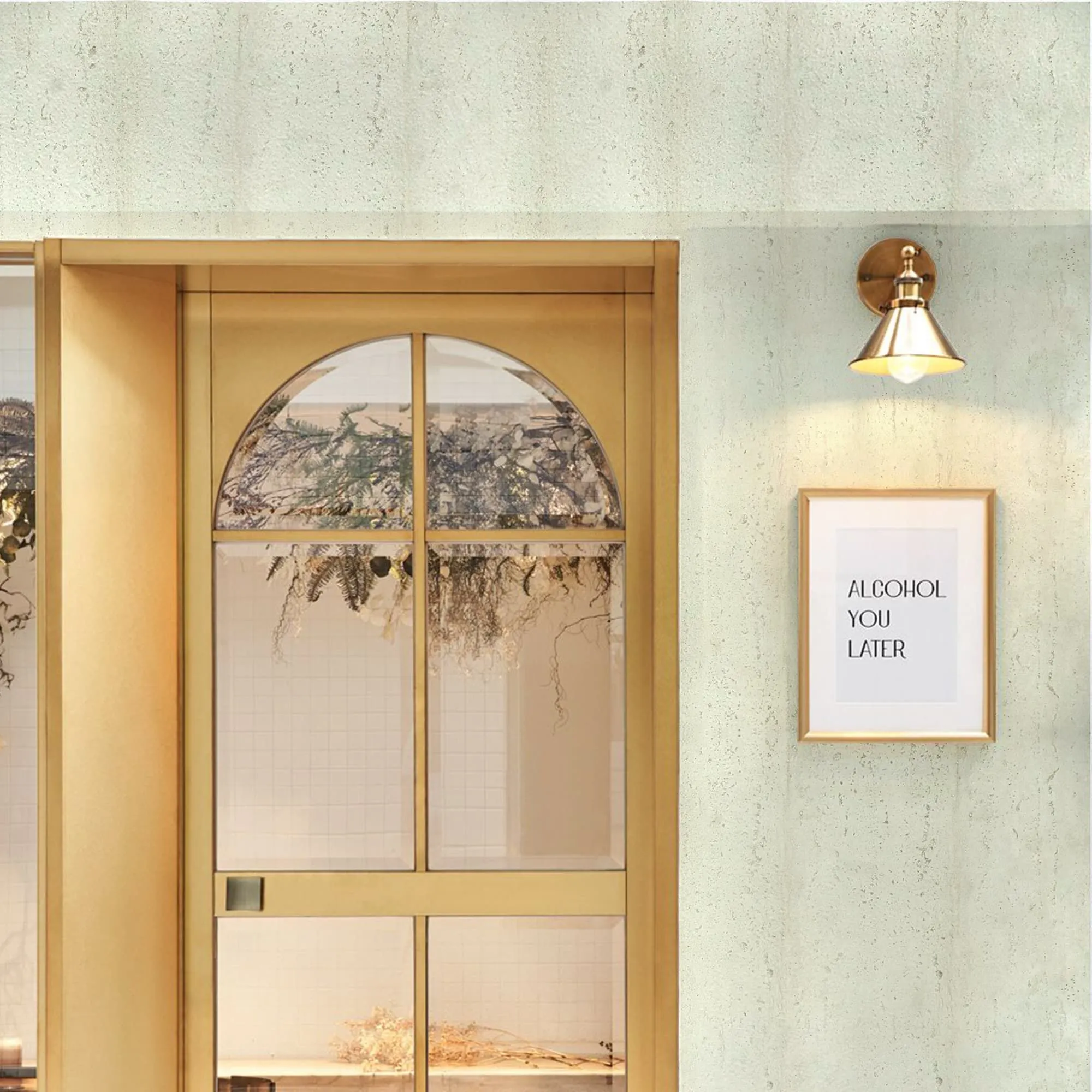
The path to a sustainable built environment is paved with innovation, conscious choices, and a willingness to embrace new possibilities. The rise of LEED-certified buildings is not a trend; it is the establishment of a new, higher standard for our industry. Materials like the MCM wave panels from COLORIA GROUP are no longer just an alternative; they are an essential tool for forward-thinking architects and developers.
They prove that we do not have to choose between stunning design and environmental stewardship. We can have façades that are both artistically expressive and materially responsible. We can create buildings that are lighter on the earth, healthier for their occupants, and more resilient for the future. By harnessing the power of Modified Cementitious Material, we are not just cladding buildings; we are actively shaping a more beautiful, more efficient, and more sustainable world, one project at a time.
Recommend Products











