
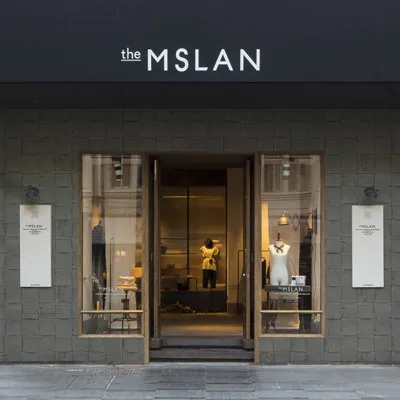
In an era where every design choice carries the weight of environmental responsibility, the buildings we create are no longer just structures—they're statements of harmony between human innovation and planetary care. For architects, developers, and homeowners alike, the search for materials that blend timeless beauty with sustainable practices has become a journey of both creativity and conscience. Enter mosaic travertine tiles: a classic choice reimagined through cutting-edge technology, offering the warmth of natural stone without the ecological cost. Today, we explore how modern engineering, led by pioneers like COLORIA GROUP's MCM series, is turning this vision into reality.
For decades, natural stone has been the gold standard for luxury. Its unique textures, earthy tones, and durability make it a favorite for everything from residential fireplaces to skyscraper facades. But behind that beauty lies a less glamorous truth: traditional stone extraction involves heavy quarrying, which scars landscapes, depletes water resources, and releases significant carbon emissions. Transporting large stone slabs adds to the carbon footprint, while cutting and shaping often result in 30-40% material waste—all for a product that, once installed, is difficult to repair or replace.
Ceramic and porcelain tiles, long hailed as alternatives, come with their own set of challenges. Many rely on high-temperature firing processes that consume fossil fuels, and their rigid structure limits design flexibility. When a building using these materials reaches the end of its life, most tiles end up in landfills, unable to biodegrade or be recycled. It's a cycle that clashes with the core principles of green building: reduce, reuse, regenerate.
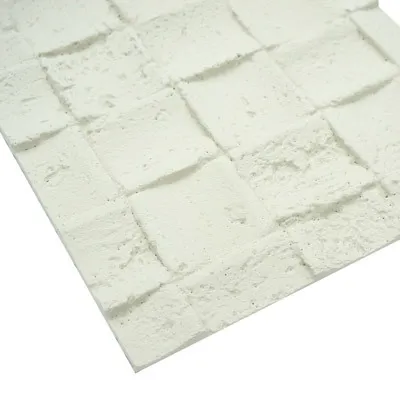
Travertine, with its porous surface and soft, organic patterns, has adorned iconic structures for centuries—from the Colosseum in Rome to modern museums. Formed by mineral-rich hot springs, it's inherently connected to nature's own processes. But traditional travertine mining still disrupts fragile ecosystems, and the stone's weight makes installation labor-intensive and energy-heavy. The solution? MCM (Modified Cementitious Material) technology —a game-changer that preserves travertine's aesthetic allure while slashing its environmental impact.
At the heart of this innovation is COLORIA GROUP's commitment to redefining construction materials. By blending recycled minerals, plant-based binders, and advanced engineering, their MCM series transforms travertine into a material that's lighter, stronger, and infinitely more sustainable. Nowhere is this more evident than in their mosaic travertine tiles, which combine the intricate beauty of mosaic patterns with the eco-friendly benefits of modified cementitious materials.
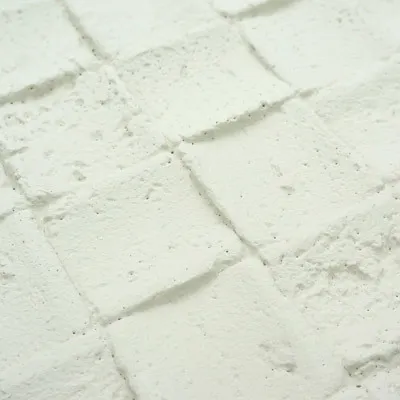
Imagine a wall panel that looks like hand-chiseled stone but bends like fabric—that's the promise of MCM Flexible Stone . Unlike traditional rigid stone slabs, these flexible sheets are just 3-5mm thick, weighing a fraction of their natural counterparts (as little as 4kg/m² compared to 25kg/m² for quarried travertine). This drastic weight reduction cuts transportation emissions by up to 60% and eliminates the need for heavy-duty structural support, reducing overall building material usage.
But the sustainability story doesn't stop there. MCM Flexible Stone is crafted using up to 40% recycled industrial byproducts, such as fly ash and silica fume, diverting waste from landfills. Its manufacturing process requires 70% less water than traditional stone cutting and emits 50% fewer greenhouse gases. And because it's flexible, it adapts to curved surfaces, complex geometries, and even existing structures—minimizing demolition waste during renovations. For architects dreaming of organic, flowing designs, this means no more compromising between aesthetics and sustainability.
Take, for example, the travertine (starry green) variant—a mosaic tile that mimics the deep, iridescent hues of travertine found in mineral-rich springs. Each tile features tiny, glittering aggregates that catch light like stars in a forest canopy, yet the entire panel is made without extracting a single piece of natural stone. It's a material that doesn't just look like nature—it honors it.
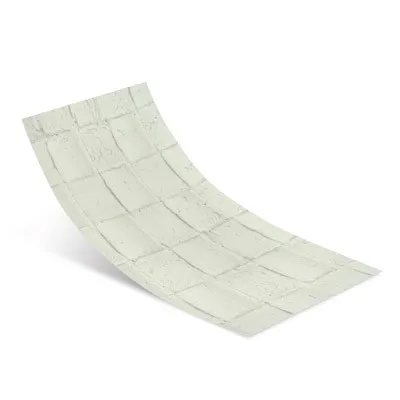
When it comes to custom mosaic patterns, traditional production methods often mean excess material waste. Cutting small, intricate tiles from large slabs results in up to 50% scrap—a loss that's both economically and environmentally costly. Enter MCM 3D Printing Series , COLORIA GROUP's answer to precision manufacturing with minimal waste.
Using advanced 3D extrusion technology, the MCM 3D Printing Series builds mosaic tiles layer by layer, depositing only the exact amount of material needed. This reduces waste to less than 5%—a staggering improvement over traditional methods. The process also allows for unprecedented design freedom: from geometric patterns that mimic star gravel (tiny, polished pebbles embedded in the tile surface) to flowing wave panel textures that evoke ocean currents. Each tile is a unique work of art, yet produced with the efficiency of industrial precision.
One standout application is the travertine (starry blue) mosaic, where 3D printing creates varying depths in the tile's surface, making the blue hues appear to shift like sunlight on water. Because the printer can adjust patterns on the fly, designers can create custom gradients or logos without expensive molds, making sustainable luxury accessible to projects of all scales.
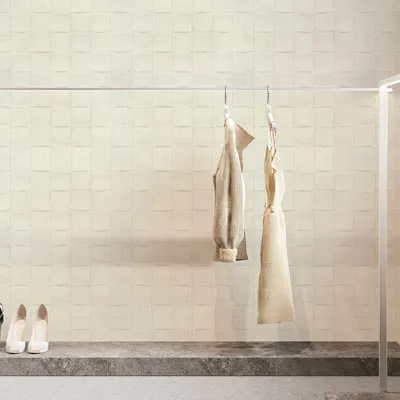
For larger surface areas—think commercial lobbies or residential feature walls— MCM Big Slab Board Series offers a bold, seamless look with equally impressive eco-credentials. These large-format panels (up to 1200x2400mm) cover more area with fewer joints, reducing the number of tiles needed and minimizing grout usage (grout often contains volatile organic compounds, or VOCs). Their lightweight design also means faster installation, cutting labor time by 30% and lowering on-site energy consumption.
What truly sets these slabs apart is their composition. COLORIA GROUP sources local raw materials wherever possible, reducing transportation miles, and incorporates recycled glass and stone dust from construction waste. The result? A product with a carbon footprint 75% lower than imported natural travertine. When paired with mosaic tiles from the MCM Flexible Stone line, the design possibilities are endless—imagine a feature wall with a large-format travertine (starry green) slab as the backdrop, accented with 3D-printed mosaic borders in complementary tones.
| Environmental Factor | Traditional Travertine | Standard Ceramic Tiles | MCM Mosaic Travertine Tiles |
|---|---|---|---|
| Carbon Footprint (kg CO₂/m²) | 18-22 | 12-15 | 3-5 |
| Material Waste During Production | 30-40% | 15-20% | <5% |
| Recycled Content | 0% | 5-10% | 30-40% |
| End-of-Life Recyclability | Low (landfill bound) | Low (firing makes recycling difficult) | High (crushed and reused as aggregate) |
| Installation Energy Use | High (heavy lifting, structural support) | Medium (rigid, requires precise cutting) | Low (lightweight, flexible, quick to install) |
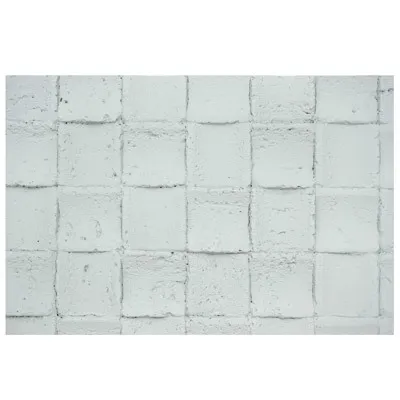
Across the globe, architects are already embracing these sustainable mosaic travertine solutions. In Riyadh, Saudi Arabia, a LEED Platinum-certified office complex features flexible stone cladding panels in travertine (starry green) on its exterior, reducing the building's cooling load by reflecting sunlight while adding a striking visual element. The project team reported a 25% reduction in construction waste and a 15% lower carbon footprint compared to using traditional stone.
In Dubai, a boutique hotel used MCM 3D Printing Series to create custom mosaic floors in its lobby, incorporating star gravel textures that tell the story of the desert landscape. Because the tiles were printed on-site, the hotel minimized shipping emissions and was able to adjust designs based on real-time feedback from the client—something impossible with pre-fabricated traditional tiles.
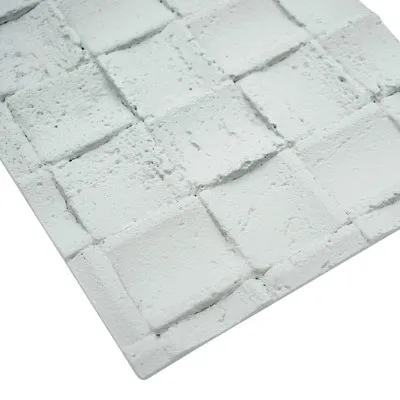
Sustainability isn't just about the environment—it's about resilience. MCM materials are engineered to withstand extreme weather conditions, from scorching desert heat to freezing temperatures, with minimal maintenance. Their resistance to fading, cracking, and moisture means buildings stay beautiful for decades, reducing the need for frequent replacements and the waste that comes with them.
For building owners, this translates to lower lifecycle costs. A study by the Green Building Council found that projects using sustainable cladding materials like MCM Flexible Stone see a 12-18% reduction in maintenance expenses over 20 years. When combined with energy savings from lighter structural requirements and improved insulation, the return on investment is clear.
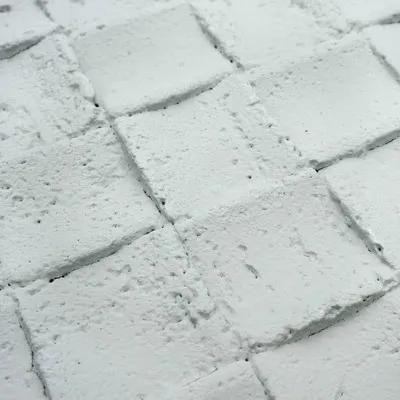
As the demand for net-zero buildings grows, materials like COLORIA GROUP's MCM series will only become more critical. The company is already researching ways to incorporate mycelium (mushroom-based) binders into their products, further reducing reliance on synthetic materials, and exploring solar-reflective coatings that turn their travertine tiles into passive cooling systems.
For designers and builders, the message is clear: sustainability doesn't require sacrificing beauty. With mosaic travertine tiles reimagined through MCM technology, we can create spaces that honor the past, celebrate the present, and protect the future. It's a vision where every wall, floor, and facade tells a story—not just of design excellence, but of responsibility to the planet we call home.
Recommend Products












