It's one thing to talk about sustainability in theory; it's another to see it in practice. Take the case of the Al-Mansoori Commercial Tower in Riyadh, Saudi Arabia—a 35-story landmark that set out to redefine green construction in the Middle East. The project's architects wanted a facade that would reflect the region's cultural heritage while meeting strict sustainability goals, including a 40% reduction in carbon emissions compared to conventional buildings. Enter COLORIA GROUP, tasked with delivering a solution that balanced aesthetics, performance, and environmental responsibility.
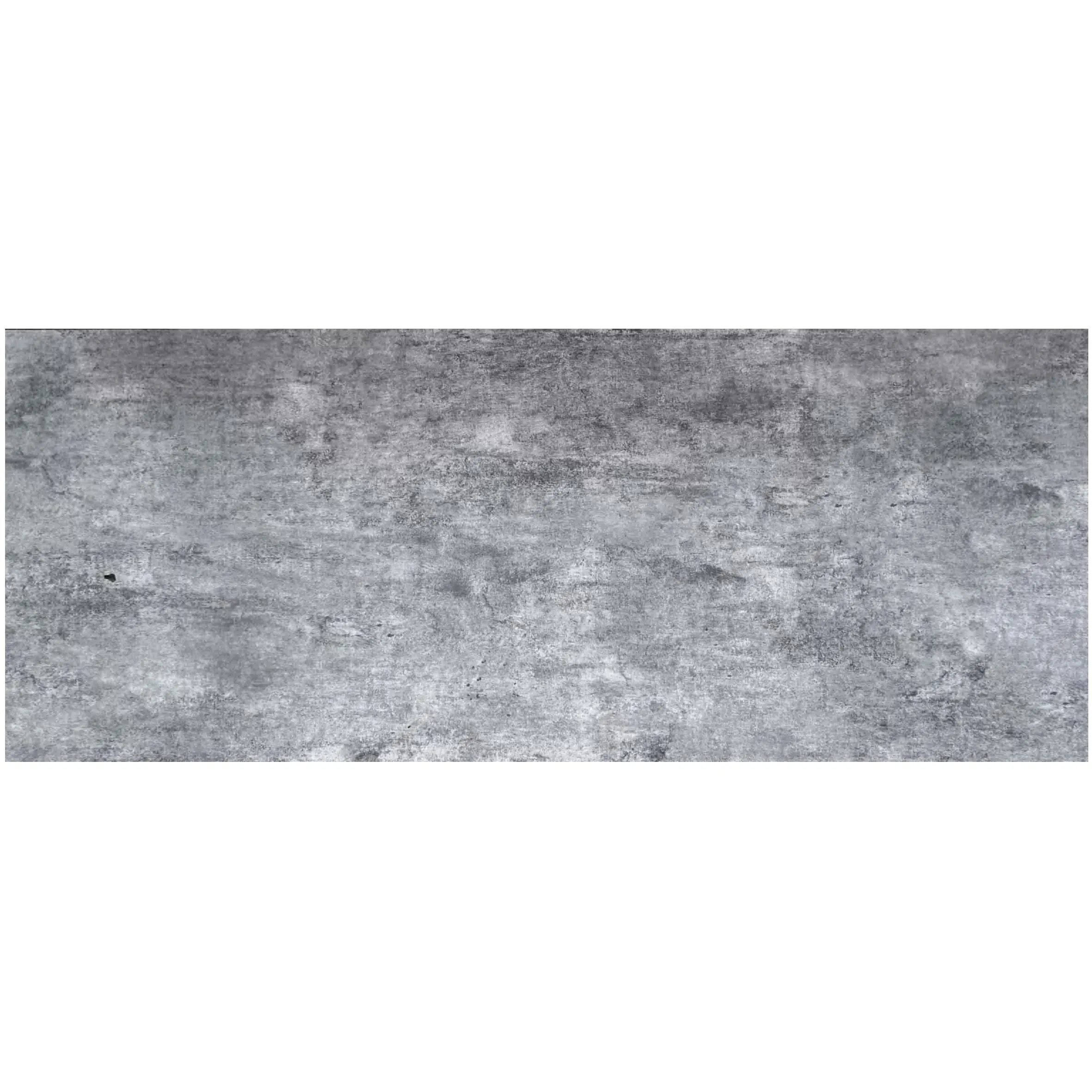
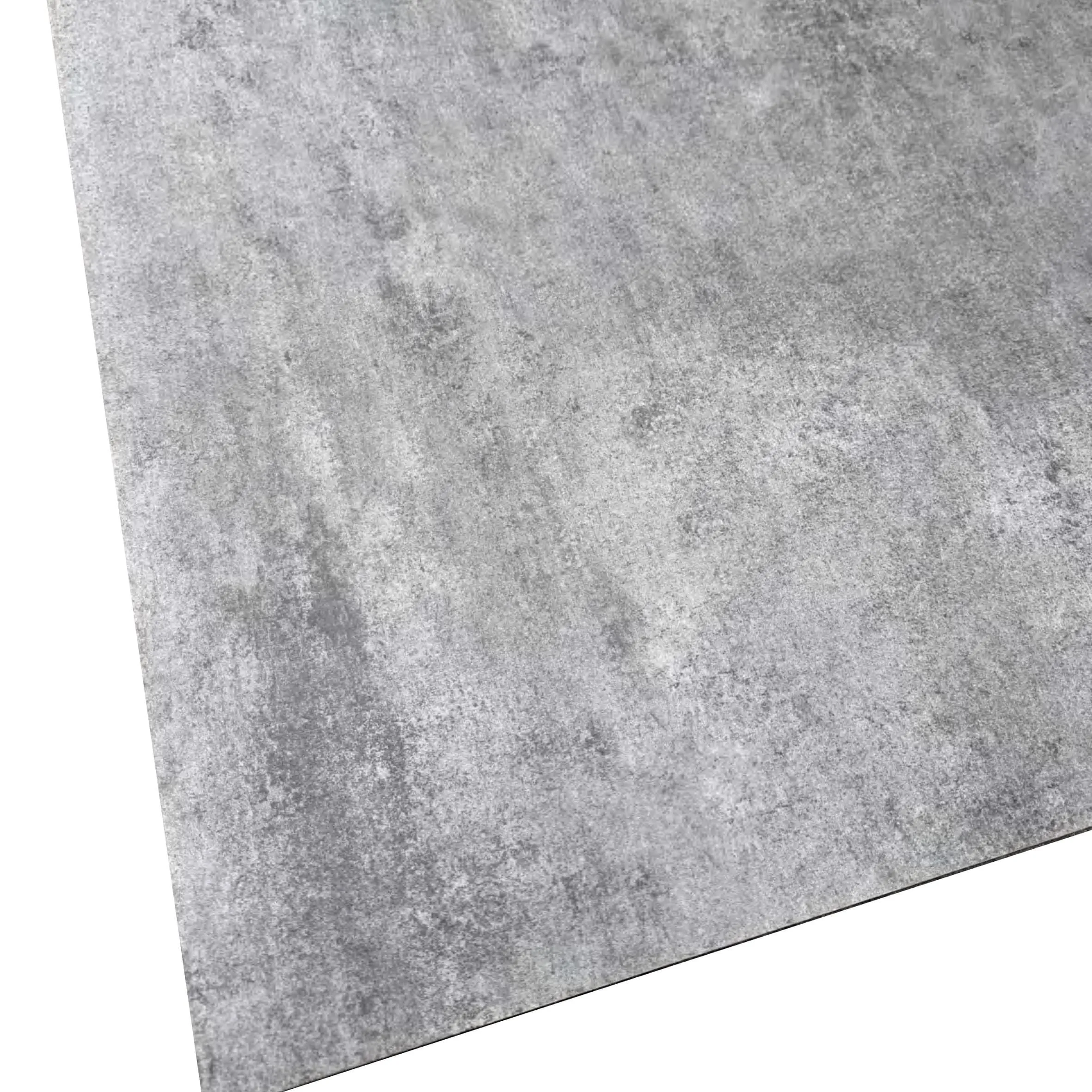
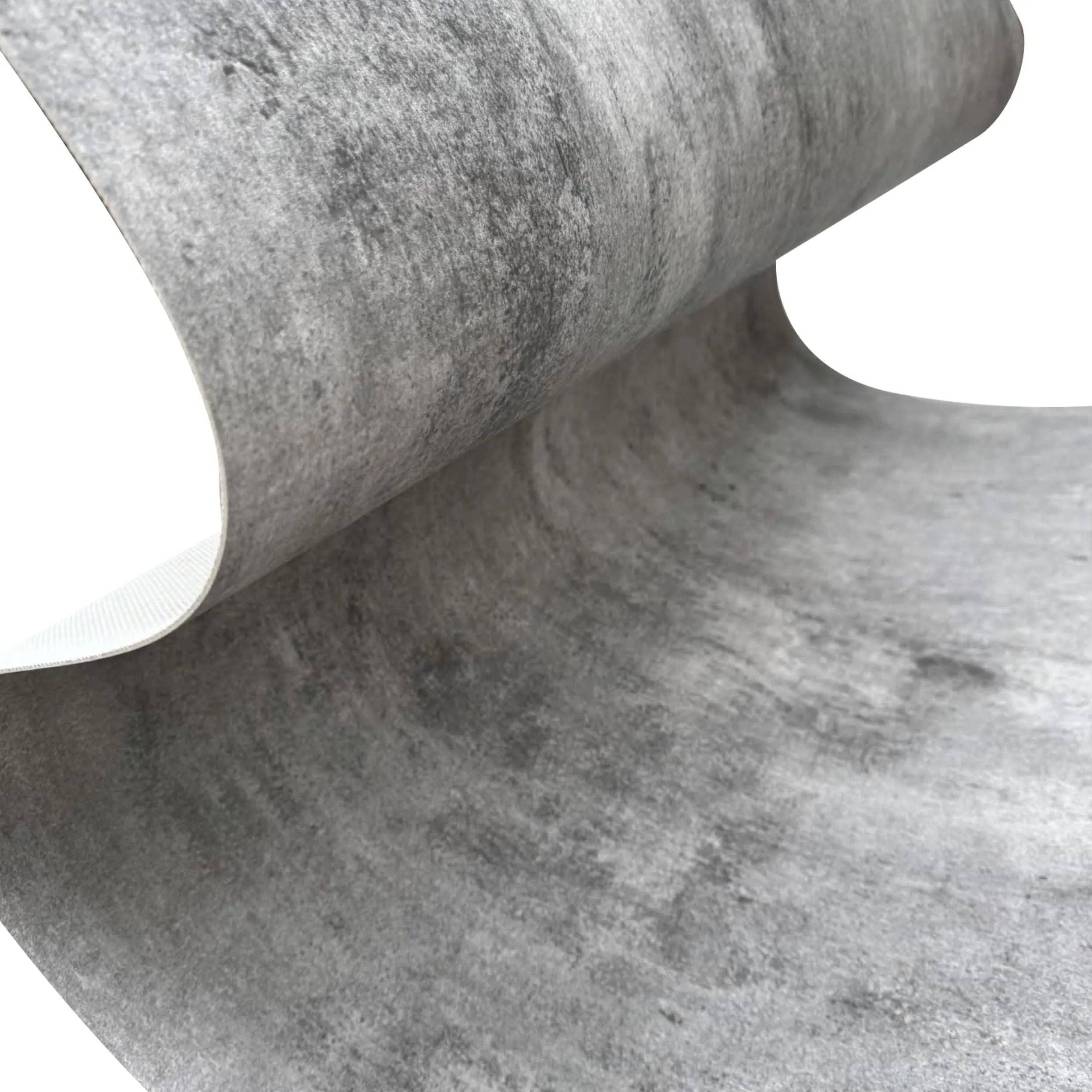
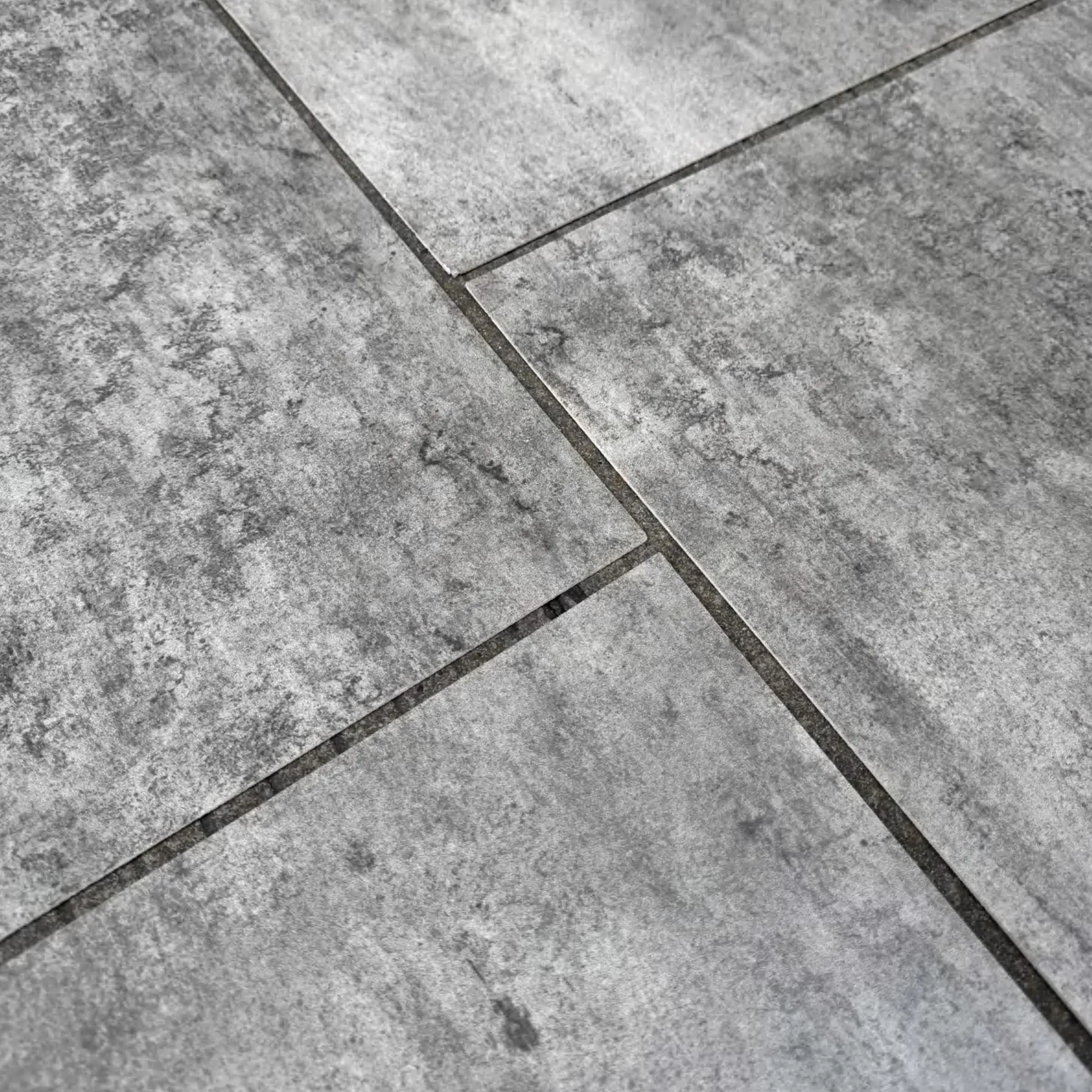
The team chose a combination of MCM Flexible Stone for the curved lower levels and MCM Big Slab Boards for the tower's main facade. The Flexible Stone was custom-designed to mimic the texture of local sandstone, paying homage to Saudi Arabia's natural landscape, while the Big Slab Boards (in a warm, earthy tone) reduced installation time by 35%. The result? A building that not only achieved LEED Gold certification but also became a symbol of sustainable innovation in the region.
"Working with COLORIA's MCM products was a game-changer for our project. We were able to achieve the aesthetic we wanted—rich, natural textures that feel rooted in the local environment—while staying true to our sustainability commitments. The reduced transportation costs alone saved us over $200,000, and the LEED certification has made the building incredibly attractive to eco-conscious tenants."
— Ahmed Al-Zahrani, Lead Architect, Al-Mansoori Tower Project
Another example is the Green Horizon School in Dubai, which prioritized both sustainability and student well-being. The school's interior walls feature MCM 3D Printed panels with integrated acoustic properties, reducing noise pollution in classrooms and improving learning environments. The 3D printing process allowed for custom patterns that double as educational tools—like a world map embedded in the hallway walls—while using 60% less material than traditional drywall. Today, the school uses 25% less energy than comparable facilities, thanks in part to the thermal insulation properties of MCM materials, which reduce heating and cooling needs.