
Walk through any historic town or modern city, and you'll likely encounter the timeless allure of natural stone. From ancient temples to contemporary skyscrapers, stone has been a cornerstone of architecture for millennia, prized for its durability, versatility, and raw beauty. Among these natural wonders, rock cut dolomitic stone stands out—a material celebrated for its subtle veining, earthy tones, and remarkable strength. But as our global focus shifts to sustainability, the question arises: How can we continue to harness the beauty of such stones without compromising the planet? This article delves into the environmental considerations of quarrying rock cut dolomitic stone, exploring how traditional practices are evolving to meet the demands of green building materials and a more eco-conscious world.
Before diving into sustainability, let's take a moment to appreciate what makes rock cut dolomitic stone so special. Formed over millions of years from calcium magnesium carbonate, dolomitic stone is a cousin to limestone but with a higher magnesium content, giving it enhanced hardness and resistance to weathering. When quarried using traditional "rock cut" methods—where large blocks are extracted from the earth using precision tools—it retains a rugged, organic texture that architects and designers adore. You'll find it gracing the facades of luxury hotels, the floors of boutique cafes, and even the countertops of eco-friendly homes, thanks to its ability to blend rustic charm with modern elegance.
But here's the catch: The popularity of rock cut dolomitic stone has surged in recent decades, driven by a global appetite for natural, authentic materials. As demand grows, so does the pressure on quarries to extract more, faster. Traditional quarrying, while effective, has historically come with a heavy environmental price tag—one that the industry can no longer ignore.
Picture a traditional quarry: vast open pits, heavy machinery roaring, trucks hauling massive stone blocks, and piles of "waste" rock discarded as offcuts. For decades, this was the norm, and its impact on the environment is undeniable. Let's break it down:
Habitat Destruction: Quarries often carve into natural landscapes, displacing wildlife and destroying ecosystems. In some cases, they've encroached on sensitive areas, leading to deforestation and soil erosion that can take generations to reverse.
Water and Air Pollution: The process of cutting and polishing stone requires vast amounts of water, which, if not treated, can leach chemicals and sediment into nearby rivers and groundwater. Meanwhile, dust from drilling and blasting contributes to air pollution, affecting both workers and local communities.
Carbon Footprint: From fuel-guzzling machinery to the transportation of heavy stone blocks across continents, traditional quarrying leaves a significant carbon trail. A single truck carrying stone from a quarry to a construction site, for example, can emit hundreds of kilograms of CO2 per trip.
It's not just about the extraction, either. Once stone is delivered to a site, cutting it to size often results in 20-30% waste—pieces too small or irregular to use, which end up in landfills. For a material celebrated for its longevity, this level of inefficiency feels like a missed opportunity.
The good news? The stone industry is undergoing a quiet revolution. Driven by consumer demand for green building materials and stricter environmental regulations, quarries are reimagining their operations. At the heart of this shift is a simple question: How can we extract rock cut dolomitic stone in a way that respects the planet's limits? The answer lies in a mix of innovation, technology, and a commitment to circularity.
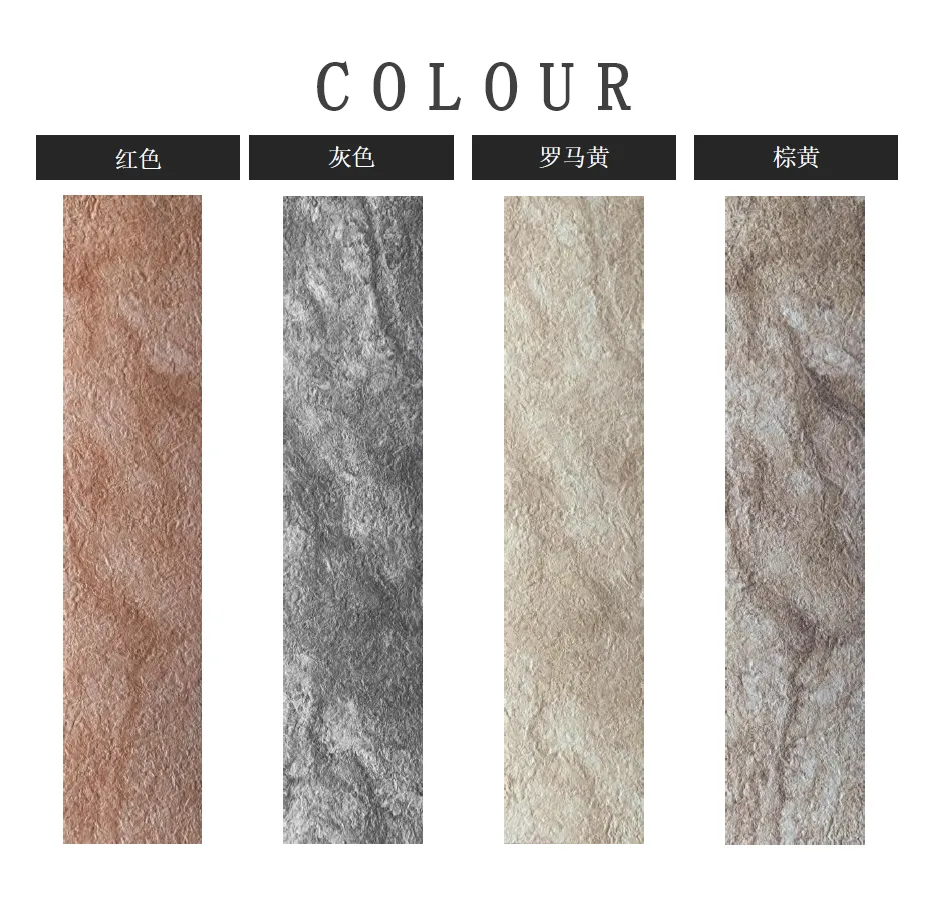
One of the most exciting developments in this space is the rise of modified composite materials like MCM flexible stone. Short for Modified Composite Material, MCM is a lightweight, flexible alternative to traditional stone that mimics the look and feel of rock cut dolomitic stone—without the heavy environmental footprint. Made by combining natural stone particles with a polymer backing, MCM flexible stone is thinner, lighter, and easier to transport, reducing both fuel consumption and waste. For example, a single sheet of MCM can cover the same area as a much heavier block of natural stone, cutting transportation emissions by up to 50%. It's a game-changer for architects who want the beauty of natural stone but need to meet strict sustainability targets.
Sustainable quarrying starts long before the first block is cut: it starts with where the quarry is located. Modern operators now prioritize sites that are endangered species habitats, old-growth forests, and critical watersheds. Buffer zones—areas of untouched land surrounding the quarry—are mandatory, acting as natural filters for water and shelter for local wildlife. Post-extraction, quarries are increasingly being restored to their natural state, with native plants replanted and ponds created to support aquatic life. In some cases, former quarries have even been transformed into community parks or nature reserves, turning a temporary disruption into a lasting asset.
Traditional quarrying often follows a "take-much, waste-more" model, but sustainable practices flip this script. Today's quarries use advanced 3D scanning and laser cutting technology to map stone deposits with pinpoint accuracy, ensuring that every block extracted is used to its full potential. This precision reduces waste dramatically—some quarries report cutting waste from 30% to less than 10%. What's more, leftover stone dust and offcuts are no longer discarded; instead, they're repurposed into other products, from aggregate for roads to the raw material for MCM flexible stone. It's a circular approach that turns "waste" into wealth.
Water and energy are the lifeblood of quarrying, but they're also major sources of environmental impact. Sustainable quarries are tackling this by investing in water recycling systems—filtering and reusing the water used in cutting and polishing, reducing freshwater consumption by up to 80%. Energy-wise, solar panels and wind turbines are becoming common sights at quarries, powering machinery and processing plants with renewable energy. Some forward-thinking operations even use electric vehicles for on-site transportation, cutting both emissions and noise pollution. The result? A quarry that operates more like a closed-loop system, minimizing its reliance on finite resources.
For builders and homeowners looking to choose truly sustainable stone, certifications are key. Labels like LEED (Leadership in Energy and Environmental Design) or the Green Building Initiative's GBI help identify products that meet strict environmental standards. Rock cut dolomitic stone quarried using sustainable practices often qualifies for these certifications, as do alternatives like MCM flexible stone and fair-faced concrete—another eco-friendly option that emphasizes natural texture without excessive processing. By choosing certified materials, buyers can be confident that their project is supporting practices that protect the planet.
| Aspect | Traditional Quarrying | Sustainable Quarrying |
|---|---|---|
| Carbon Footprint | High: Reliance on diesel machinery and long-distance transportation of heavy stone blocks. | Low: Use of renewable energy, electric vehicles, and lightweight alternatives like MCM flexible stone. |
| Water Usage | High: Freshwater used for cutting/polishing is often discarded, leading to waste. | Low: 80-90% of water is recycled; closed-loop systems minimize freshwater intake. |
| Waste Generation | High: 20-30% of extracted stone becomes landfill waste (offcuts, dust). | Low: 5-10% waste, with by-products repurposed into MCM, aggregate, or other materials. |
| Habitat Impact | Significant: Often located in ecologically sensitive areas; minimal post-extraction restoration. | Minimal: Sites chosen to avoid critical habitats; mandatory reforestation and ecosystem restoration. |
| Certification Readiness | Unlikely: Rarely meets green building material standards due to high environmental impact. | Likely: Eligible for LEED, GBI, and other certifications; aligns with global sustainability goals. |
As we look to the future, the sustainable quarrying of rock cut dolomitic stone isn't just a trend—it's a necessity. With the global construction industry accounting for nearly 40% of carbon emissions, every material choice matters. By embracing practices like resource efficiency, waste reduction, and the use of innovative alternatives like MCM flexible stone, we can ensure that future generations will still marvel at the beauty of natural stone—without inheriting a damaged planet.
It's also about redefining success. For quarries, success isn't just measured by how many blocks of stone they extract, but by how little they disrupt the environment, how much waste they repurpose, and how well they support local communities. For builders and designers, it's about choosing materials that tell a story of responsibility, not just beauty. And for all of us, it's about recognizing that the most timeless structures are those built in harmony with nature.
So the next time you admire a stone facade or run your hand over a rock cut dolomitic stone countertop, take a moment to wonder: What's the story behind this material? Was it quarried with care? Does it reflect a commitment to green building materials? The answers to these questions might just shape the future of architecture—and the health of our planet.
Recommend Products












