
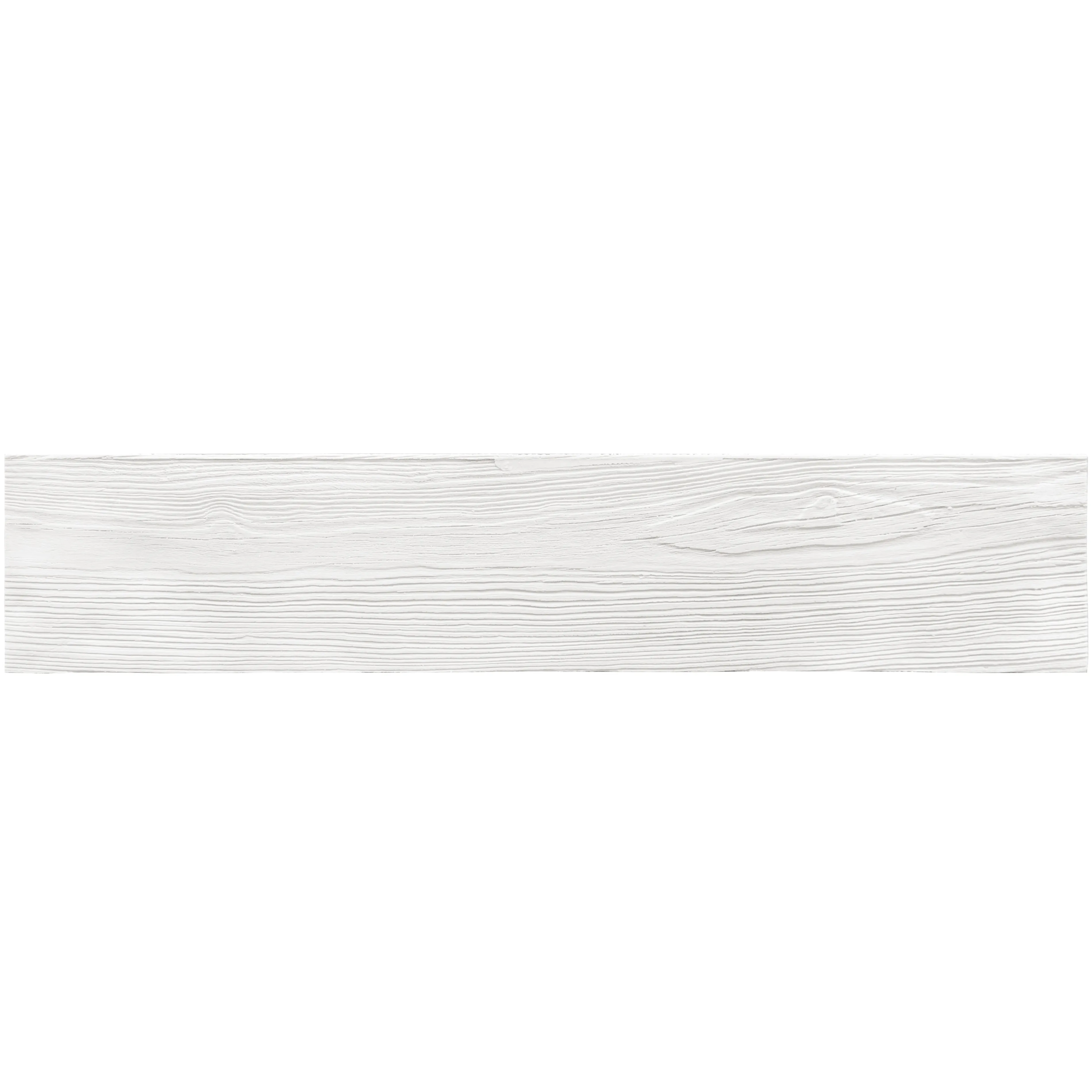
Walk through the doors of the GreenHaven Community Center in Seattle, and you'll feel it immediately—the air carries a quiet confidence, as if the walls themselves know they're part of something bigger. The lobby's warm embrace comes from panels of White Wood, their soft, honeyed grains catching the light. Upstairs, the yoga studio's serene backdrop features MCM flexible stone, its texture mimicking natural rock but with a weight that's gentle on the building's frame. Down the hall, the art gallery's raw, industrial charm is anchored by fair-faced concrete, its subtle variations telling a story of minimal waste and maximal purpose. This isn't just a building; it's a testament to what happens when construction materials are sourced with intention. And at the heart of it all is COLORIA GROUP—a company that doesn't just sell stone, wood, or concrete, but builds with a promise: to honor the planet, support communities, and craft materials that stand the test of time without costing the Earth.
White Wood isn't just a material for COLORIA—it's a commitment. Walk into their sourcing office in Portland, and you'll find a wall lined with photos: smiling faces of loggers in British Columbia, forest rangers in Oregon, and artisans in Vermont. Each image represents a partnership built on trust, where sustainability isn't a buzzword but a daily practice. "We don't just buy wood," says Maria Gonzalez, COLORIA's Head of Sustainable Sourcing. "We invest in forests."
COLORIA's White Wood comes exclusively from FSC-certified forests, where logging is done in cycles that mimic nature's own rhythm. In the coastal forests of British Columbia, for example, their partner cooperative, Pacific Rim Loggers, follows a "selective cutting" method—removing only mature trees and leaving younger ones to thrive, along with fallen logs that feed the forest ecosystem. "It's like pruning a garden," explains Tom Avery, a third-generation logger with Pacific Rim. "You take what you need, but you make sure the whole garden keeps growing." For Tom and his team, this approach isn't just good for the planet; it's good for business. "Twenty years ago, we were clear-cutting, and within a decade, the soil was eroding, and the salmon runs were dwindling. Now, with COLORIA's support, we're planting 10 saplings for every tree we harvest, and the forests are healthier than ever. My kids will be logging here someday—and that's a gift."
The wood itself is a marvel of nature and nurture. White Wood's pale, creamy hue and tight grain make it a favorite for designers seeking warmth without overwhelming a space. But what truly sets it apart is its durability—thanks to slow growth in nutrient-rich soil, it resists warping and rot, meaning buildings clad in White Wood require fewer replacements over time. "A traditional wood panel might last 15 years," says Gonzalez. "Ours? We've seen projects from 20 years ago that still look brand new. That's sustainability in action—less waste, less energy spent on repairs, and a material that ages gracefully."
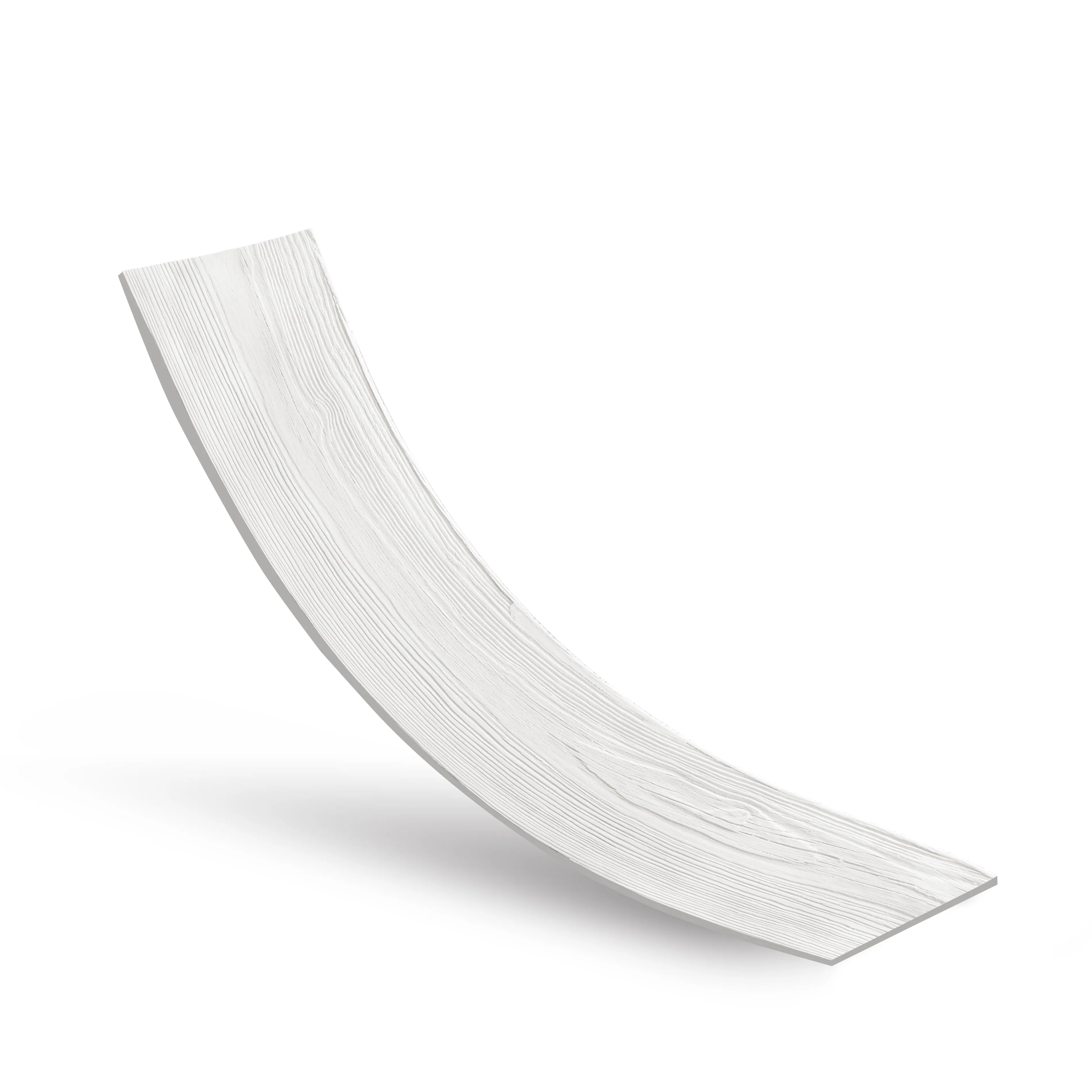
If White Wood is COLORIA's love letter to forests, MCM flexible stone is their ode to innovation. Traditional natural stone cladding is heavy—so heavy, in fact, that it often requires reinforced structures, increasing a building's carbon footprint during construction and transport. MCM (Modified Composite Material) changes the game. "Think of it as stone, but reimagined," says Dr. James Chen, COLORIA's Chief Material Scientist. "We take natural stone aggregates—leftover from quarrying, which would otherwise end up in landfills—and bind them with recycled polymers. The result? A panel that's 70% lighter than traditional stone, just as durable, and infinitely customizable."
The sourcing of those aggregates is where COLORIA's ethics shine. In the marble quarries of northern Italy, for example, they partner with suppliers who prioritize "zero-waste" mining. Instead of discarding stone fragments too small for slabs, these quarries collect them, crush them, and send them to COLORIA's manufacturing facility in Spain. There, the fragments are mixed with polymers made from recycled plastic bottles (each MCM panel diverts approximately 20 bottles from landfills) and pressed into thin, flexible sheets. "It's circular," Dr. Chen explains. "We're taking waste from one industry and turning it into a high-performance material for another. And because the panels are lightweight, transporting them uses 50% less fuel than traditional stone. That's a win for the planet, and for builders who want to cut costs without cutting corners."
Take the Azure Hotel in Miami, which opened in 2023. Its oceanfront facade features MCM flexible stone in "travertine (beige)," a warm, earthy tone that complements the beach's golden sands. "We wanted the look of natural travertine, but the building's foundation couldn't support the weight," says architect Lina Patel. "COLORIA's MCM panels gave us the aesthetic we wanted, and we cut our carbon emissions during construction by 35%. Plus, the installers loved them—they're so easy to handle, we finished the facade two weeks ahead of schedule."
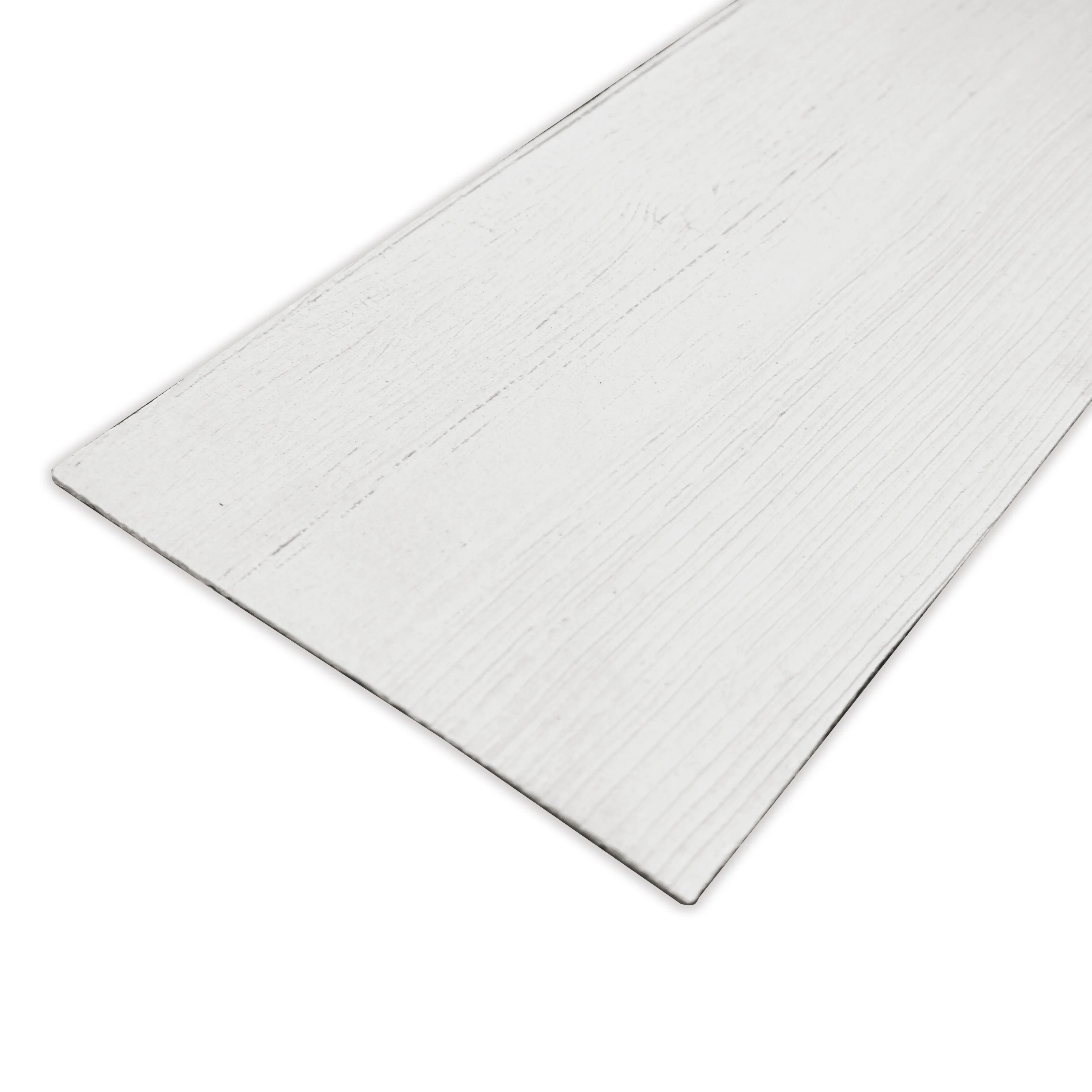
Fair-faced concrete is a study in simplicity. Unlike polished concrete, which is sealed and shiny, fair-faced concrete is left "as-cast"—its surface bearing the marks of the formwork, the subtle bubbles and textures that make each panel unique. For COLORIA, this material isn't just about aesthetics; it's about radical transparency. "Concrete has a bad rap for being energy-intensive," admits Raj Patel, COLORIA's Sustainability Director. "Cement production alone accounts for 8% of global CO2 emissions. But it doesn't have to be that way."
COLORIA's fair-faced concrete starts with recycled aggregates—crushed concrete from demolished buildings, sourced from local recycling yards to cut down on transport miles. Then, they replace 30% of the cement with fly ash, a byproduct of coal power plants that would otherwise end up in landfills. "Fly ash acts as a binder, so we use less cement," Patel explains. "It's a win-win: we reduce waste, lower emissions, and the concrete actually gets stronger over time." The water used in mixing is also recycled—collected from rainwater harvesting systems at their factories and treated to remove impurities. "In our Texas plant, we've cut water usage by 40% in five years," Patel adds. "That's not just good for the environment; it's good for the local community, too. During droughts, we're not competing with farmers for water."
The result is a material that's as honest as it looks. At the Foundry Arts District in Los Angeles, a former warehouse converted into artist studios features COLORIA's fair-faced concrete walls. "The texture is incredible—you can see the grains of recycled stone, the tiny air bubbles," says sculptor Mia Carter, who has a studio there. "It feels alive, like the wall is breathing. And knowing it was made with waste materials? That makes me prouder to create here."

For COLORIA, sustainability isn't just about where materials come from—it's about who makes them, too. At their manufacturing plant in Mexico, workers earn living wages, receive health insurance, and have access to on-site childcare. "My son goes to the daycare here while I work," says Ana Lopez, a concrete mixer operator. "Before, I had to choose between my job and taking care of him. Now, I can do both. COLORIA doesn't just pay me—they respect me."
The company also invests in community projects in sourcing regions. In the Gobi Desert, where they partner with local artisans to source "gobi panel" materials, COLORIA funded a solar-powered water purification system that now serves 500 families. In the marble quarries of Carrara, Italy, they sponsor a technical school that trains young people in sustainable quarrying techniques. "We don't just take from communities," Gonzalez says. "We give back—because a healthy community is a sustainable partner."
| Material | Traditional Sourcing | COLORIA's Ethical Approach | Environmental Impact Reduction | Community Benefit |
|---|---|---|---|---|
| White Wood | Often clear-cut, non-certified forests; minimal reforestation | FSC-certified selective logging; 10:1 sapling replanting ratio | 35% lower deforestation rate; 20% reduced carbon footprint | Stable jobs for loggers; funding for local schools and healthcare |
| MCM Flexible Stone | Virgin stone quarrying; high waste from unused fragments | Recycled stone aggregates; 70% lighter panels reduce transport emissions | 50% less fuel used in transport; 40% reduction in quarry waste | Jobs for quarry workers in waste sorting; funding for reforestation near quarries |
| Fair-Faced Concrete | Virgin aggregates; 100% cement; high water usage | Recycled aggregates; 30% fly ash replacement; rainwater recycling | 30% lower CO2 emissions; 40% reduced water usage | Local recycling jobs; drought relief support for communities |
When you choose COLORIA's materials, you're not just building a wall, a floor, or a facade. You're building a future—one where forests thrive, communities prosper, and the planet breathes easier. The GreenHaven Community Center, the Azure Hotel, the Foundry Arts District—these aren't just projects. They're proof that sustainability and beauty can go hand in hand. And for COLORIA, this is just the beginning.
"We want to redefine what 'construction material' means," Gonzalez says, looking out at a photo of a new school in Kenya, its walls made of COLORIA's epoch stone (a durable, low-emission alternative to traditional brick). "It's not just about what the material is, but what it represents: respect for the Earth, care for people, and a belief that every building can be a force for good."
So the next time you walk into a space and feel that quiet confidence—the sense that something here matters—take a closer look. Maybe it's the warmth of White Wood, the texture of MCM flexible stone, or the honesty of fair-faced concrete. Whatever it is, chances are, it's COLORIA—building a better world, one material at a time.
Recommend Products












