

In a world where buildings often speak louder than words, COLORIA believes architecture should whisper of responsibility. This is the story of how one brand is turning stone, metal, and earth into promises—promises to the planet, to the hands that craft, and to the spaces we call home.
Walk into any COLORIA workshop, and you'll notice it immediately: the air hums with purpose, not just production. Here, "sustainability" isn't a checkbox on a report; it's the first question asked at dawn and the last thought before the lights dim. For over a decade, the brand has woven ethics into every thread of its mission—starting with the belief that beautiful design shouldn't cost the Earth.
"We don't just make materials," says Elena Marquez, COLORIA's Head of Sustainable Innovation. "We nurture legacies. A wall clad in our panels isn't just a surface—it's a story of where it came from, who shaped it, and how gently it touched the world along the way."
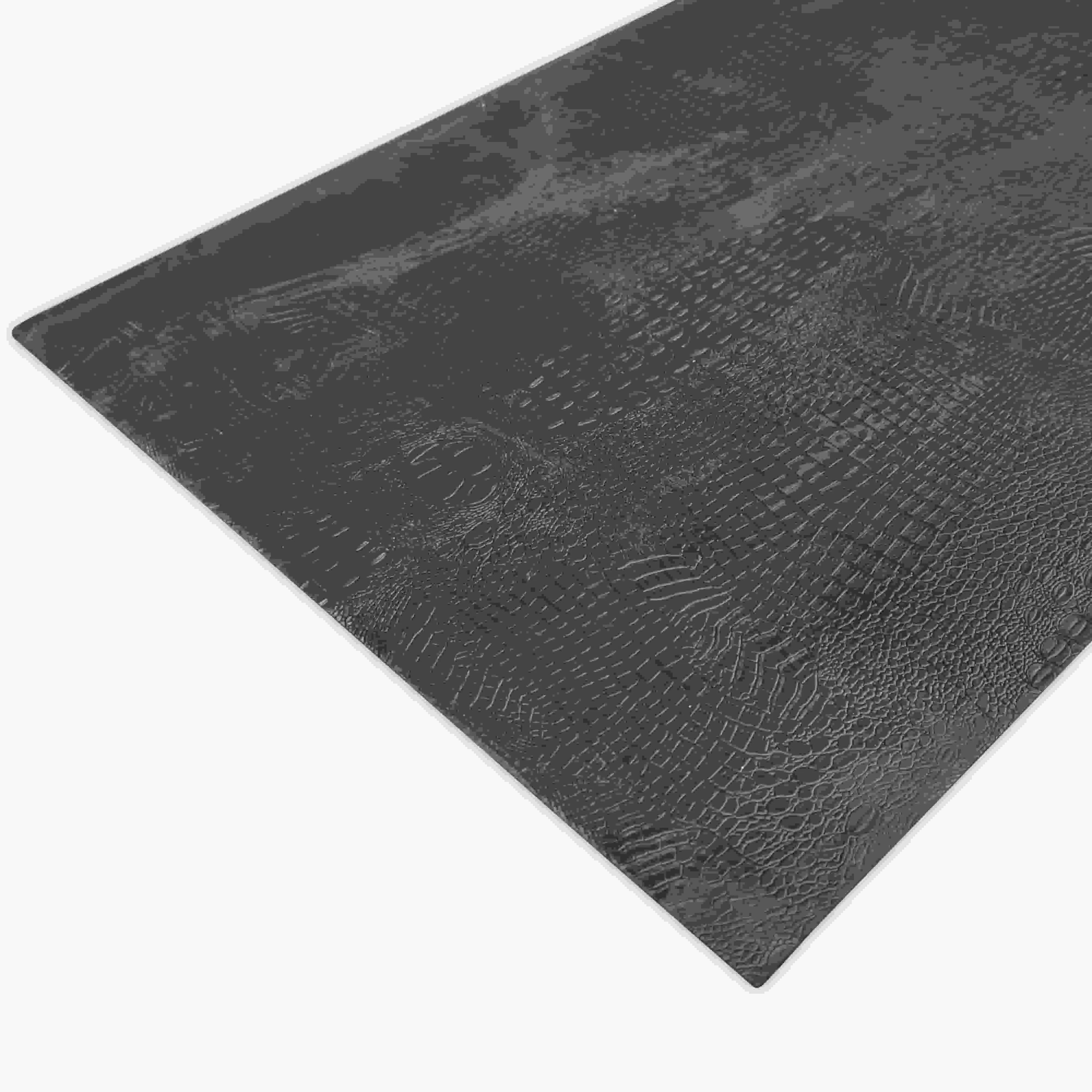
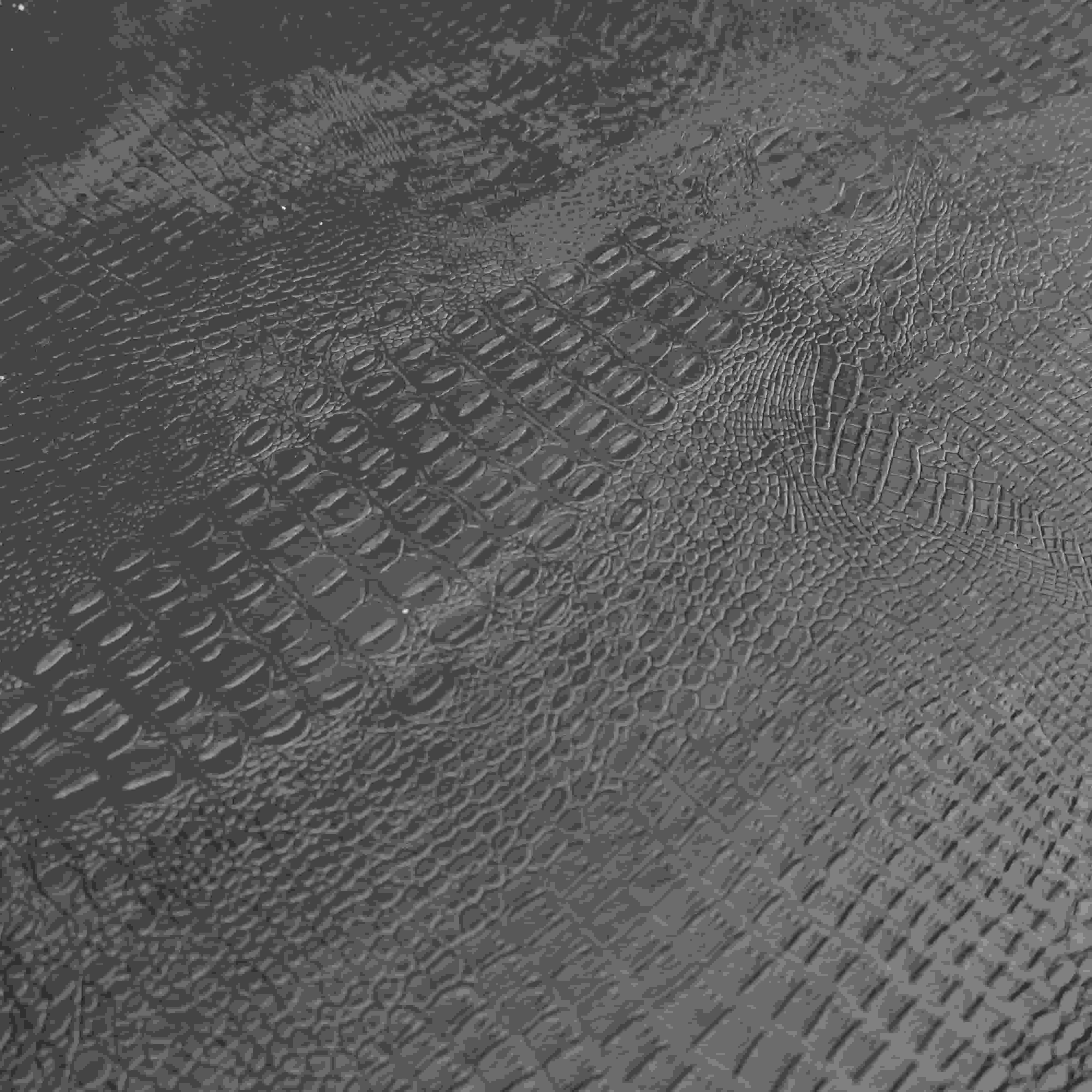
Sustainable sourcing at COLORIA begins with a map—one dotted with handshakes, not just pinpoints. The brand partners with 37 local communities across 12 countries, prioritizing small-scale miners, family-run quarries, and artisans who've guarded traditional techniques for generations. Take MCM flexible stone , for example: a proprietary composite that marries recycled stone dust with plant-based binders. Instead of shipping raw stone across oceans, COLORIA sources dust from nearby quarries, turning waste into wonder.
"In Tuscany, we work with a fifth-generation travertine family," Elena explains. "Their quarries use 70% less water than industry standards, and we buy their offcuts—pieces once destined for landfills—to create our travertine (starry green) line. Last year, that partnership kept 1,200 tons of stone out of dumps. That's not just sustainability—that's restoring value to what the world overlooked."
Hold a sheet of MCM flexible stone in your hands, and you'll marvel at the contradiction: it's thin enough to bend like leather yet tough enough to withstand decades of weather. Crafted from 85% recycled stone aggregate and a bio-resin derived from sugarcane, it weighs 60% less than traditional stone, slashing transportation emissions. But its real beauty? It's made to last. In a test facility outside Barcelona, a sample panel has endured 10,000 hours of rain, wind, and UV exposure—still as vibrant as the day it was born.
Somewhere in the Atlas Mountains, a Berber craftsman named Karim kneels beside a mound of earth, his hands mixing clay, sand, and straw exactly as his grandfather taught him. This isn't a scene from a documentary—it's a typical morning at one of COLORIA's partner workshops, where rammed earth board is born. The process is ancient: layers of damp earth are compacted into molds, dried by sun and wind, then sealed with natural oils. The result? Panels that breathe, regulating humidity and temperature, reducing reliance on AC and heating.
"Rammed earth is a love letter to simplicity," says Karim, wiping sweat from his brow. "In my village, we've built homes this way for centuries. COLORIA didn't just buy our product—they asked to learn. Now, our techniques are in hotels in Paris and offices in Tokyo. My son, who once wanted to move to the city, now trains new craftsmen. That's how sustainability changes lives."
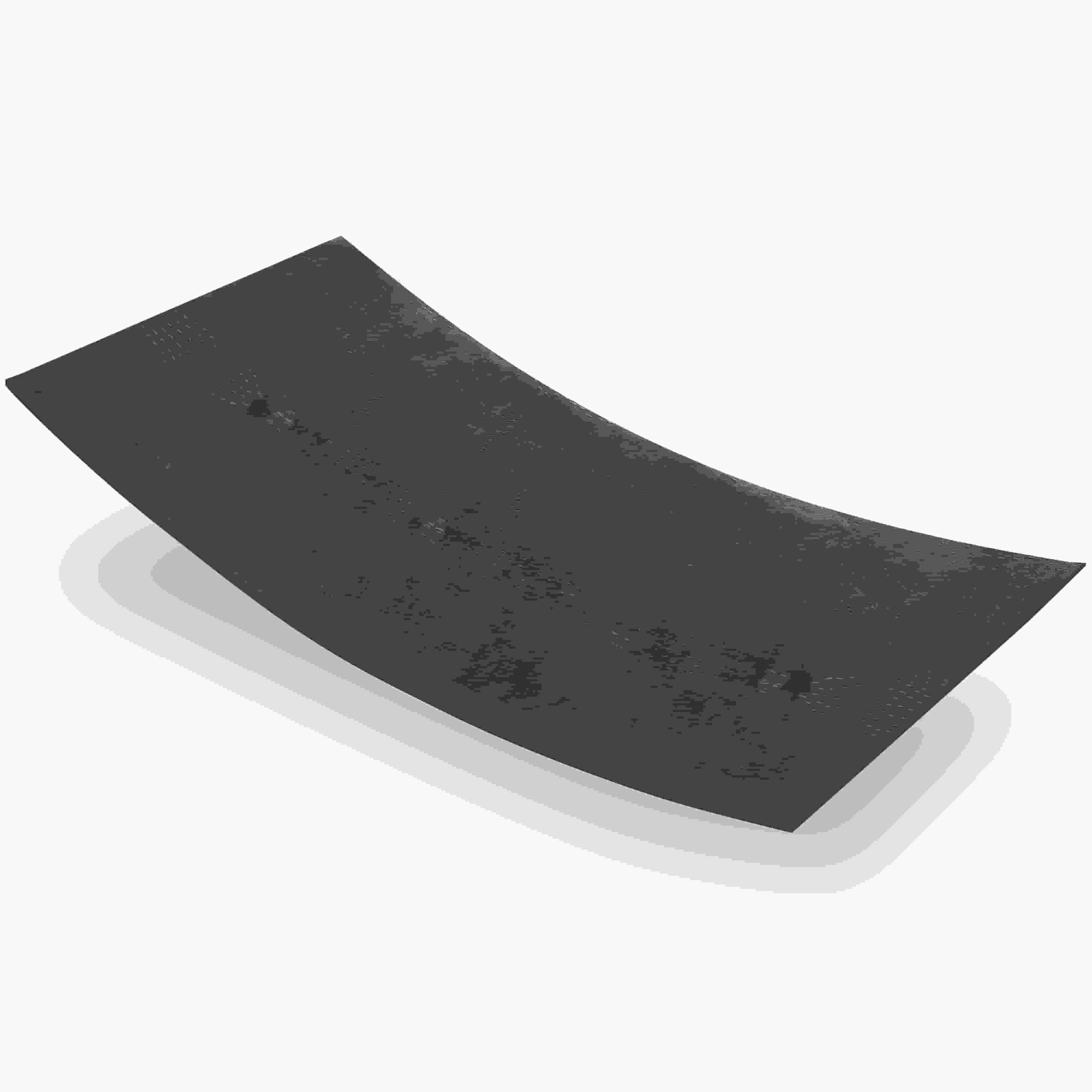
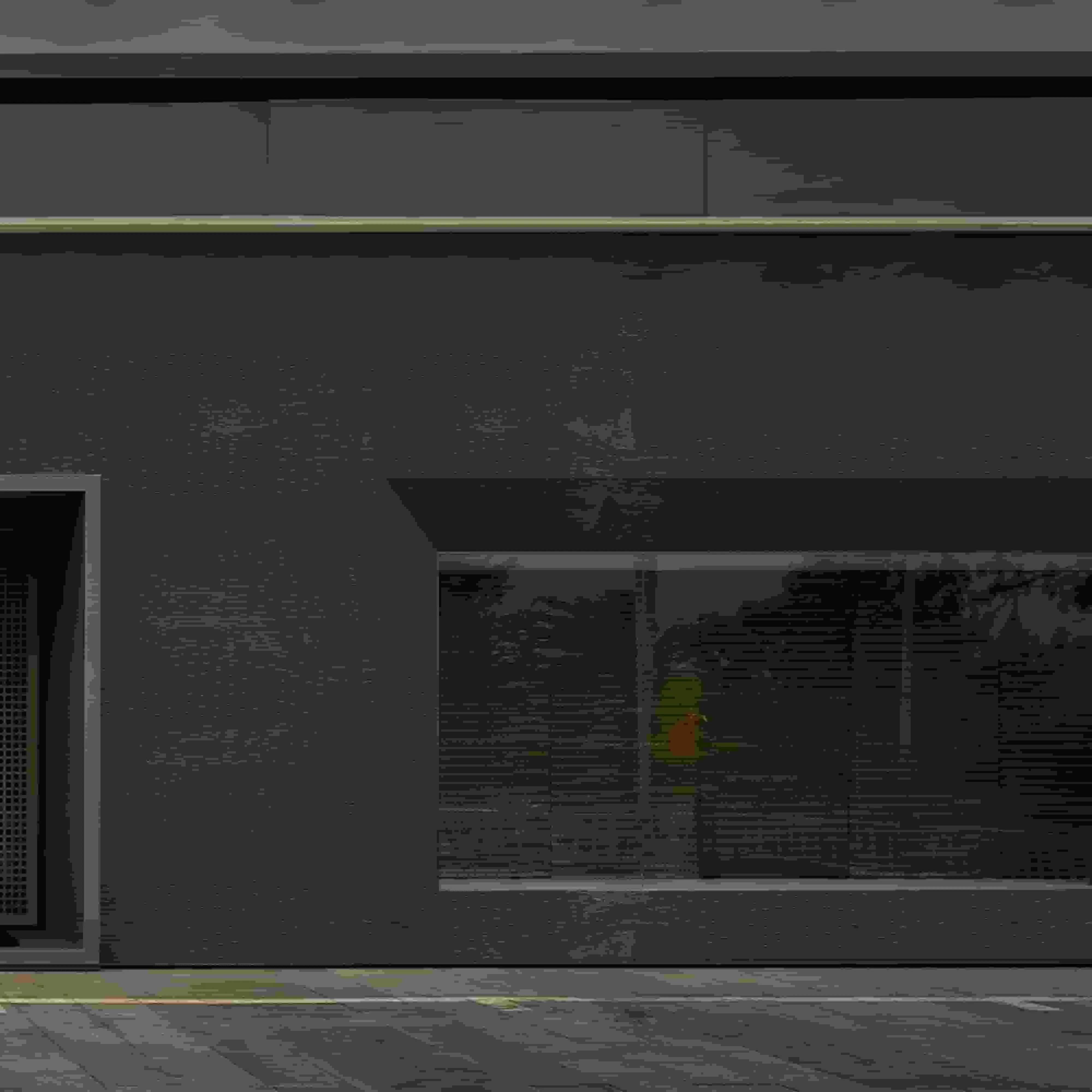
Not all innovation requires reinventing the wheel—sometimes, it's about reimagining the materials we already have. Enter foamed aluminium alloy board (vintage silver) : a lightweight, recyclable alternative to solid metal that uses 90% less raw material. How? By infusing molten aluminium with tiny gas bubbles, creating a material that's strong, malleable, and surprisingly eco-friendly. "Traditional aluminium production is energy-heavy," Elena notes. "Our foamed version cuts carbon emissions by 45% and uses 70% recycled aluminium. It's proof that 'vintage' style doesn't have to mean 'vintage' impact."
In Berlin, the facade of the GreenWave Office Tower glows softly with COLORIA's vintage silver panels. "We chose it for the aesthetic, but the sustainability sealed the deal," says architect Luka Schmidt. "The panels reflect heat, keeping the building cool, and if we ever renovate? They'll be 100% recyclable. That's the kind of future-proofing clients crave now."
| Material | Traditional Production | COLORIA's Ethical Approach | Environmental Impact |
|---|---|---|---|
| MCM Flexible Stone | Quarried raw stone (high waste, high transport emissions) | Recycled stone dust + bio-resin (85% recycled content) | 60% lower carbon footprint; 90% less waste |
| Rammed Earth Board | Industrial concrete (high cement use, toxic binders) | Local earth + natural binders (sun-dried, zero chemicals) | 75% less embodied energy; supports rural craftsmen |
| Foamed Aluminium Alloy (Vintage Silver) | Solid aluminium (high energy use, minimal recycling) | Foamed with 70% recycled aluminium (gas-infusion tech) | 45% lower emissions; 100% recyclable end-to-end |
| Fair-faced Concrete | Portland cement (high CO2 emissions) | Low-carbon cement + local aggregates (zero single-use plastics) | 30% less CO2; 80% of waste reused as aggregate |
Sustainability, for COLORIA, is a web—not a single thread. In Morocco, the brand's partnership with a women's cooperative producing rammed earth board (matcha green) has doubled incomes and funded a community school. In Portugal, a quarry supplying travertine (starry green) now runs on solar power, thanks to COLORIA's investment in renewable energy. "We don't just source materials—we invest in people," says Raj Patel, Director of Community Impact. "Last year, our ethical sourcing initiatives lifted 320 families out of poverty. That's the ROI we're most proud of."
"Before COLORIA, I sold my rammed earth to local builders for pennies," says Fatima, a 42-year-old artisan in Marrakech. "Now, my daughters study engineering, and I train 12 women in my workshop. This isn't just a job—it's a legacy."
COLORIA's journey isn't slowing down. Next year, the brand plans to launch a zero-waste line of foamed aluminium alloy board (vintage gold) , using 100% recycled metal and plant-based dyes. There's also talk of a "Heritage Collection," reviving endangered stone-carving techniques from around the world. "We want to prove that ethics and aesthetics aren't rivals—they're partners," Elena says. "The future of architecture isn't just green. It's human."
In the end, COLORIA's panels are more than just surfaces. They're stories: of a Berber craftsman's calloused hands, of a quarry turned solar farm, of a mother sending her daughter to school. They're proof that when we build with purpose, we don't just create buildings—we build a world worth passing on. And in that world, every wall whispers: "We cared."
Recommend Products












