

There's something timeless about the way natural stone anchors a space—whether it's the warm, earthy texture of a kitchen backsplash or the grandeur of a building's facade that seems to rise from the earth itself. Among the world's most revered natural stones, Gravel Omani Stone stands out for its unique blend of durability, versatility, and understated elegance. Quarried from the rugged landscapes of Oman, this stone has become a staple in global construction, admired by architects and designers for its ability to bridge tradition and modernity. But as demand for this natural treasure grows, so does the need to ask a critical question: How do we harvest the beauty of the earth without harming the planet that gives it to us?
Sustainable sourcing isn't just a buzzword in the stone industry—it's a commitment to preserving the environment, supporting local communities, and ensuring that future generations can also marvel at the raw beauty of natural materials. In the context of Gravel Omani Stone quarrying, this means reimagining age-old practices through a lens of environmental stewardship, innovation, and respect for the land. Let's dive into the world of sustainable quarrying, exploring how Omani operations are leading the way in eco-friendly practices, the challenges they face, and why this matters for the future of green building materials worldwide.
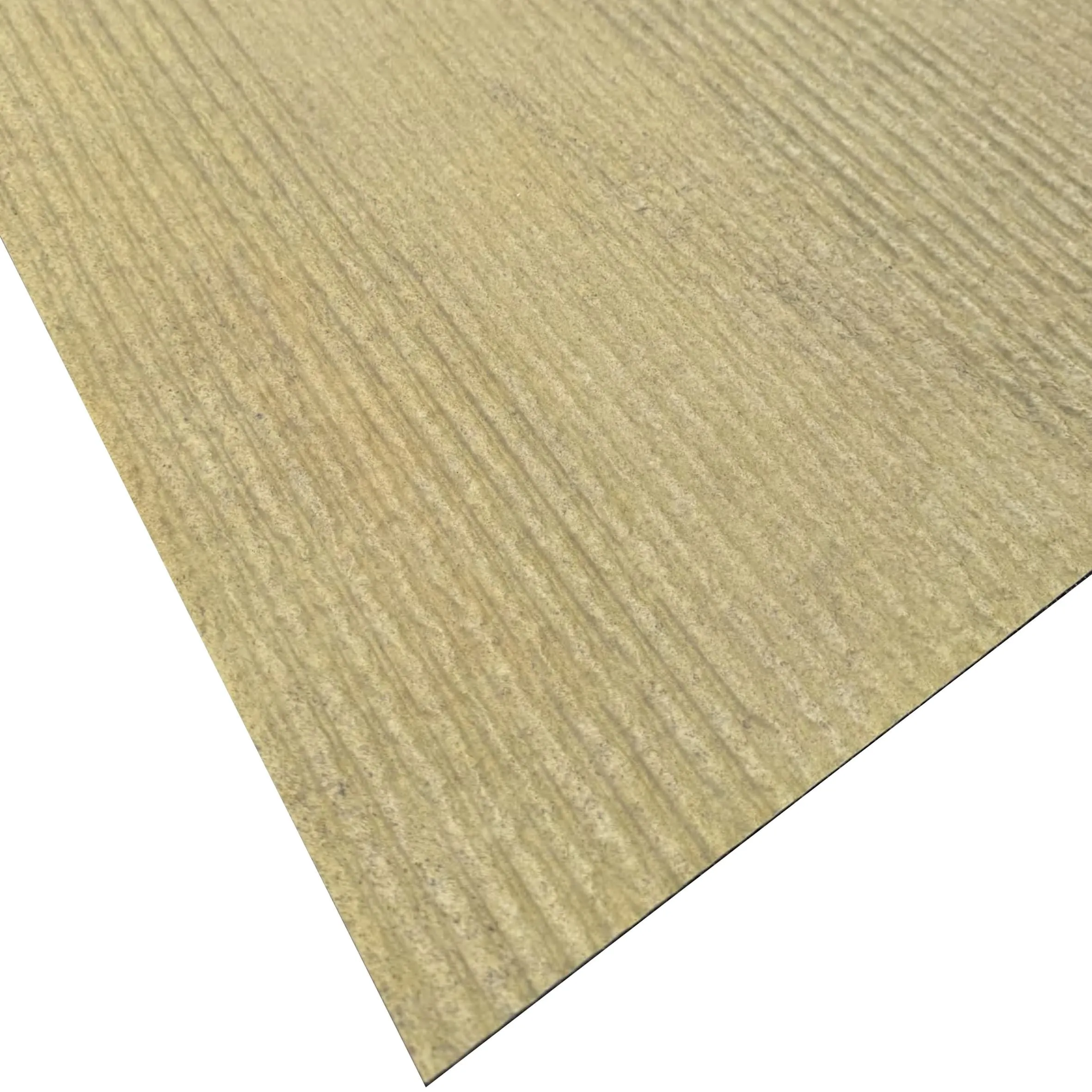
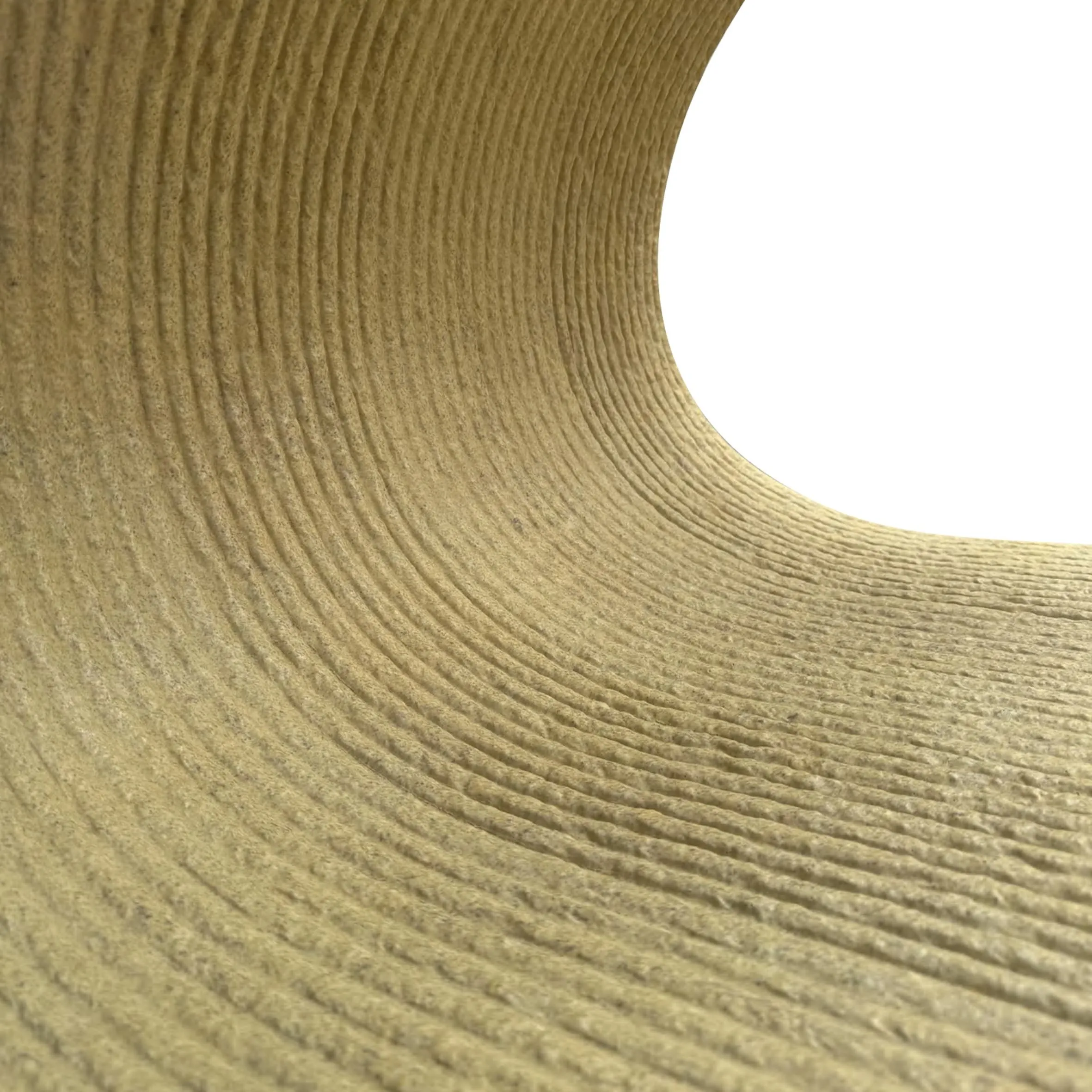
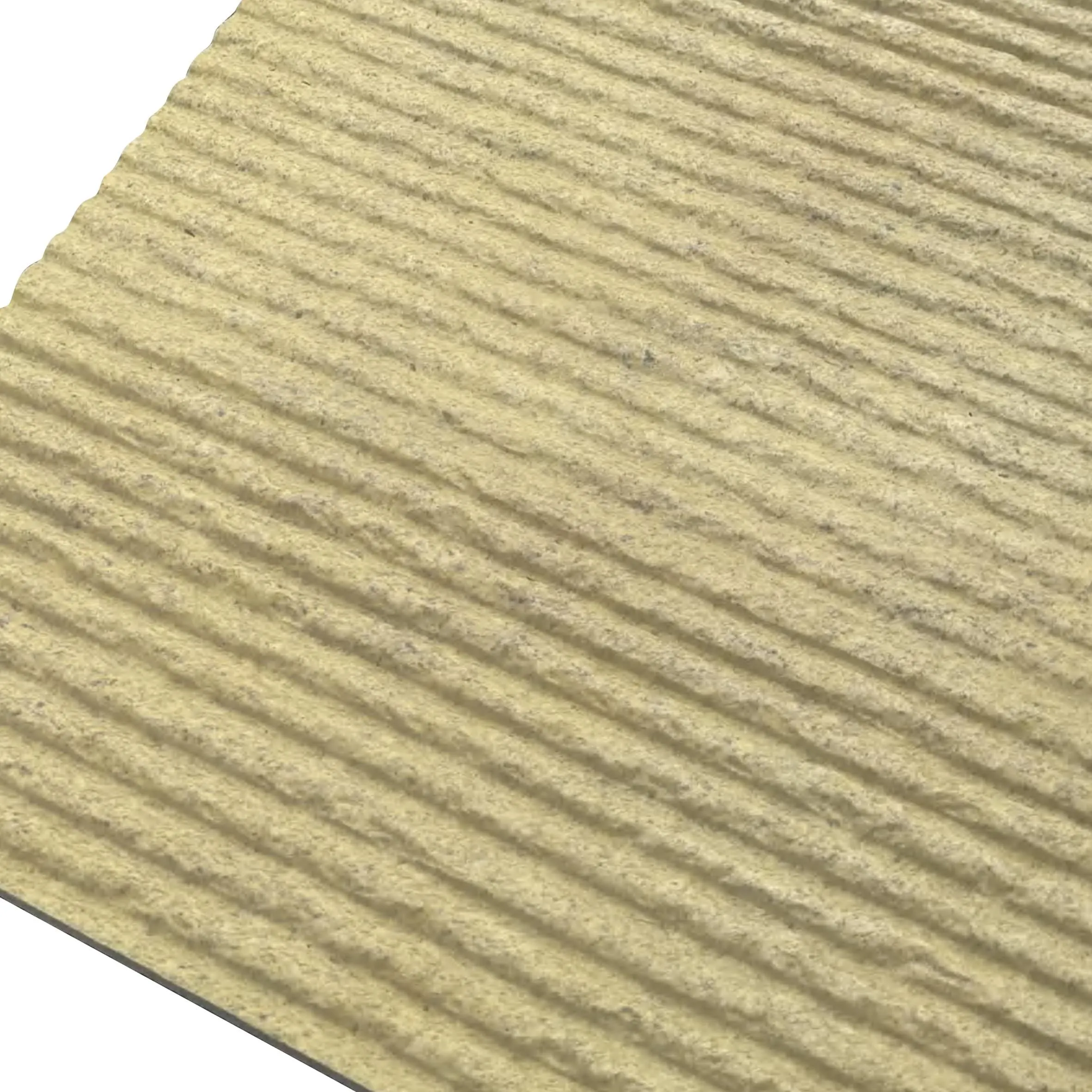
Before we delve into sustainability, it's worth understanding why Gravel Omani Stone has captured the attention of the global construction industry. Native to Oman's diverse geological landscape—from the Hajar Mountains to the vast deserts—this stone is formed over millennia by the slow accumulation of sediment, minerals, and organic matter. The result is a material with a distinct character: think warm beige and gold hues interspersed with subtle veins of gray, or textured surfaces that tell the story of the earth's movements over time.
Its popularity stems from both aesthetics and functionality. Gravel Omani Stone is incredibly durable, resistant to weathering and wear, making it ideal for both interior and exterior applications. From flooring and wall cladding to landscaping and decorative accents, it adapts seamlessly to various design styles, from rustic to contemporary. In recent years, it has also become a favorite for sustainable building projects, thanks to its natural composition and low embodied carbon compared to synthetic alternatives. When paired with materials like fair-faced concrete—a finish that celebrates the raw, unadorned texture of concrete—it creates spaces that feel grounded, authentic, and deeply connected to nature.
But here's the catch: extracting natural stone, even one as resilient as Gravel Omani Stone, has historically taken a toll on the environment. Traditional quarrying methods often involve heavy machinery, excessive water usage, and the clearing of land, leading to deforestation, soil erosion, and habitat disruption. In some cases, improper waste management has contaminated local water sources, affecting both wildlife and nearby communities. As the world shifts toward more sustainable practices, the stone industry is being called upon to rethink how it operates—and Omani quarries are stepping up to the challenge.
To appreciate the importance of sustainable sourcing in Gravel Omani Stone quarrying, let's first examine the environmental impact of "business as usual." Traditional quarrying is a resource-intensive process. Imagine a site where trees are cleared to make way for heavy drills and trucks, where diesel-powered machinery belches exhaust into the air, and where water—often scarce in arid regions like Oman—is used liberally to dust control and stone processing. The consequences are far-reaching:
These impacts aren't just environmental—they're social, too. Local communities that depend on quarries for employment often bear the brunt of pollution and habitat loss, creating a cycle of exploitation that undermines the long-term viability of the industry. It's clear: the old way of doing things isn't sustainable. But change is possible, and it's happening right now in Oman's Gravel Omani Stone quarries.
Across Oman, forward-thinking quarry operators are redefining what it means to harvest natural stone responsibly. These practices aren't just about "doing less harm"—they're about actively restoring and protecting the environment while creating value for communities. Let's explore some of the most impactful strategies being implemented today:
One of the most visible signs of sustainability in Omani quarries is the commitment to reforestation. Instead of leaving quarried sites barren, operators are now replanting native vegetation—like acacia trees and desert grasses—to restore soil health and provide habitat for local wildlife. Take, for example, a quarry in the Al Hajar Mountains that recently completed a reforestation project: over 10,000 saplings were planted, and within five years, the area has seen a return of birds, reptiles, and even small mammals. This isn't just good for the environment; it's also a point of pride for the local community, which now uses the restored area for eco-tourism and educational programs.
Water is a precious resource in Oman, and sustainable quarries are treating it as such. Traditional stone processing uses vast amounts of water to cool machinery and wash stone, much of which is wasted or contaminated. Today, many quarries are installing closed-loop water recycling systems that capture, filter, and reuse up to 90% of the water used in operations. Some are even harvesting rainwater during Oman's rare but intense winter rains, storing it in reservoirs for dry seasons. The result? A drastic reduction in freshwater consumption and a significant decrease in water pollution, as fewer chemicals leach into local waterways.
Diesel-powered machinery is a major source of carbon emissions in quarrying, but Omani operators are swapping fossil fuels for solar power. Solar panels now line the rooftops of quarry offices and power everything from lighting to small machinery, reducing reliance on the grid and cutting emissions. In some cases, quarries are even using solar-powered electric vehicles for on-site transportation, further lowering their carbon footprint. It's a smart move in a country with over 3,000 hours of sunlight per year—turning a challenge (arid conditions) into an opportunity (clean energy).
Stone quarrying generates a lot of waste—from small (gravel) to offcuts that don't meet quality standards. Instead of dumping this waste in landfills, Omani quarries are finding innovative ways to repurpose it. Some are crushing waste stone into gravel for use in road construction or concrete mixes, while others are partnering with manufacturers to create sustainable building materials like MCM flexible stone. MCM (Modified Composite Material) flexible stone is a lightweight, durable alternative to natural stone that uses recycled stone waste as a key ingredient, reducing the need for new quarrying. It's a win-win: waste is diverted from landfills, and the construction industry gains a versatile, eco-friendly material.
Sustainability isn't just about the environment—it's about people, too. Many Omani quarries now prioritize hiring local workers, providing fair wages, and investing in training programs to help employees develop skills in sustainable practices. Some even partner with local schools to offer scholarships or environmental education workshops, ensuring that the next generation understands the importance of stewardship. By involving communities in the process, quarries are building trust and creating a shared sense of responsibility for the land.
| Traditional Quarrying Practice | Sustainable Quarrying Practice | Environmental Impact Reduction |
|---|---|---|
| Diesel-powered machinery | Solar-powered equipment and electric vehicles | Up to 40% reduction in carbon emissions |
| Unregulated water usage | Closed-loop water recycling systems | 70-90% reduction in freshwater consumption |
| Waste stone dumped in landfills | Repurposing waste for MCM flexible stone and gravel | 80% reduction in landfill waste |
| Barren post-quarry sites | Reforestation with native vegetation | Restored habitat for 20+ local species |
| Minimal community involvement | Local hiring and environmental education programs | Improved community health and economic stability |
To truly understand the impact of sustainable practices, let's take a closer look at Al-Mansoori Quarry, a family-owned operation in Oman's Ad Dakhiliyah Governorate that has been producing Gravel Omani Stone for over 30 years. In 2018, the quarry underwent a complete sustainability overhaul, and the results are nothing short of inspiring.
Before the changes, Al-Mansoori relied on diesel generators for power, used over 50,000 liters of water per day, and sent 15 tons of waste stone to landfills weekly. Today, the quarry is powered by a 500kW solar array, reducing its electricity costs by 60% and cutting carbon emissions by 350 tons annually. A state-of-the-art water recycling system now allows the quarry to reuse 85% of its water, saving over 12 million liters per year. Waste stone is now crushed and sold as gravel for road construction, generating an additional $200,000 in annual revenue while diverting 95% of waste from landfills.
But the most heartening change? The quarry's impact on the local community. Al-Mansoori now employs 90% local workers, up from 50% in 2018, and has funded scholarships for 50 students to study environmental science at Oman's Sultan Qaboos University. The reforestation of 50 acres of quarry land has also become a community hub, with locals organizing monthly clean-up drives and bird-watching tours. "We used to see the quarry as just a source of stone," says local resident Fatima Al-Harthy. "Now, it's a source of pride. Our children will grow up knowing that we can take from the earth and give back, too."
While progress is being made, sustainable quarrying in Oman isn't without its challenges. For many operators, the upfront cost of implementing green technologies—like solar panels or water recycling systems—can be prohibitive, especially for small to medium-sized quarries. Traditional practices are also deeply ingrained in the industry, and convincing long-time workers to adopt new methods requires time, training, and patience.
Regulatory frameworks are another hurdle. While Oman has made strides in environmental protection, enforcement of sustainability standards can be inconsistent, leading to a "race to the bottom" where some quarries cut corners to undercut competitors. Additionally, the global demand for natural stone is growing, and with it, pressure to increase production—sometimes at the expense of sustainability goals.
Perhaps the biggest challenge, though, is changing consumer behavior. Many architects and builders still prioritize cost and aesthetics over sustainability, unaware of the long-term benefits of eco-friendly sourcing. Education is key: by highlighting the environmental and social impact of their choices, the industry can empower consumers to demand more from their suppliers.

Despite these challenges, the future of sustainable Gravel Omani Stone quarrying looks bright. Innovation is driving new solutions, from AI-powered resource management systems that optimize stone extraction to 3D printing technology that reduces waste by creating precise stone cuts. Companies are also exploring new materials that complement natural stone, like fair-faced concrete, which offers a minimalist, industrial aesthetic while requiring fewer resources to produce than traditional concrete.
Collaboration is another key trend. Quarry operators, environmental NGOs, and governments are partnering to develop industry-wide sustainability standards, ensuring that all players are held accountable. The rise of green building certifications—like LEED and BREEAM—is also pushing the industry forward, as projects seeking certification increasingly require sustainably sourced materials like Gravel Omani Stone.
Looking ahead, the goal is clear: to create a circular economy where stone is quarried, used, recycled, and reused, with minimal impact on the planet. This will require continued investment in technology, education, and community engagement—but if the progress in Oman is any indication, it's achievable.
Gravel Omani Stone is more than just a building material—it's a testament to the earth's beauty and resilience. By embracing sustainable sourcing practices, Omani quarries are ensuring that this legacy continues for generations to come. From reforestation and water recycling to community empowerment and innovation, the industry is proving that it's possible to harvest natural resources without sacrificing the planet.
But sustainability isn't the responsibility of quarry operators alone. It's a collective effort—one that involves architects, builders, consumers, and governments. By choosing green building materials, supporting companies that prioritize the environment, and advocating for stronger regulations, we can all play a role in shaping a more sustainable future.
As we walk through a building clad in Gravel Omani Stone, let's not just admire its beauty—let's also appreciate the care and intention that went into bringing it from the earth to our walls. In that way, every stone becomes a story of stewardship, a reminder that we don't have to choose between progress and preservation. Together, we can build a world where natural beauty and sustainability go hand in hand.
Recommend Products












