
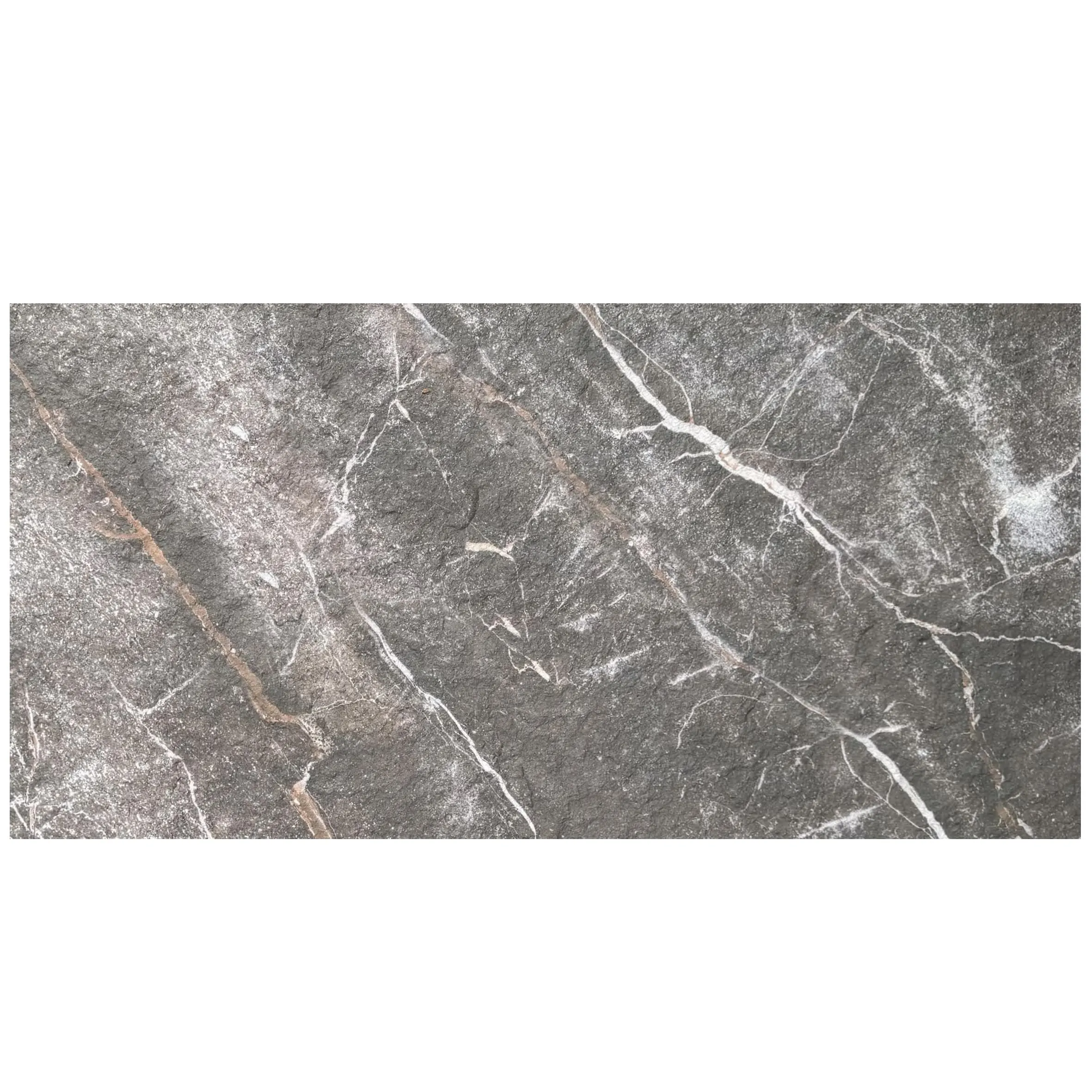
Walk into any high-end hotel lobby, luxury retail space, or modern office building, and you'll likely be struck by the materials that shape the space. Smooth stone walls, polished floors, and intricate facades—these elements don't just serve a functional purpose; they tell a story. A story of craftsmanship, of design vision, and yes, of where those materials came from. But here's the quiet tension in that story: the beauty we admire often comes with a hidden cost to the planet. Today, let's pull back the curtain on two approaches to material sourcing that sit at opposite ends of this spectrum: the traditional mining of Granite Portoro and the innovative, sustainable practices behind MCM products like flexible stone and big slab boards. It's a conversation about reimagining luxury—proving that we don't have to choose between stunning design and a healthy planet.
First, let's talk about Granite Portoro. If you've ever seen a slab of this stone, you know why it's a favorite among designers aiming for opulence. Its deep, almost black base is veined with striking gold and white, a pattern that feels both timeless and dramatic. It's been used in palaces, five-star hotels, and high-end residences for decades, a symbol of prestige and luxury. But that prestige comes with a price tag that extends far beyond the invoice.
Traditional Granite Portoro mining starts with quarries—large, open pits carved into the earth, often in regions where the stone is naturally abundant. To extract even a single slab, heavy machinery tears into the landscape, clearing trees, disrupting ecosystems, and displacing wildlife. The process is energy-intensive: diesel-powered drills, explosives, and massive trucks work around the clock to break apart the rock and transport it to processing facilities. And that's just the beginning. Once extracted, the stone must be cut, polished, and transported—each step adding to its carbon footprint. A single slab of Granite Portoro can weigh over 500 pounds, meaning more fuel is burned to ship it across cities, countries, or even continents.
Then there's the waste. Natural stone mining is notoriously inefficient. For every ton of usable Granite Portoro, up to 3 tons of waste rock are discarded, much of which ends up in landfills or is dumped into nearby waterways, polluting rivers and streams with sediment and chemicals. Water scarcity is another critical issue: mining operations require vast amounts of water for cutting and polishing, often draining local aquifers and leaving communities downstream with less access to clean water. And let's not forget the human cost. In many regions, quarry workers face hazardous conditions—exposure to dust, loud machinery, and unstable rock faces—for wages that rarely reflect the risk.
What does this mean for the planet? A study by the Stone Federation of Europe estimates that natural stone mining contributes over 1.2 million tons of CO2 emissions annually, not counting transportation. That's equivalent to the emissions of over 260,000 cars. And once a quarry is exhausted, the land is often left scarred, unable to support plant or animal life for decades, if not centuries. It's a cycle of extraction that takes more than it gives back—a cycle that, in a world grappling with climate change, feels increasingly unsustainable.
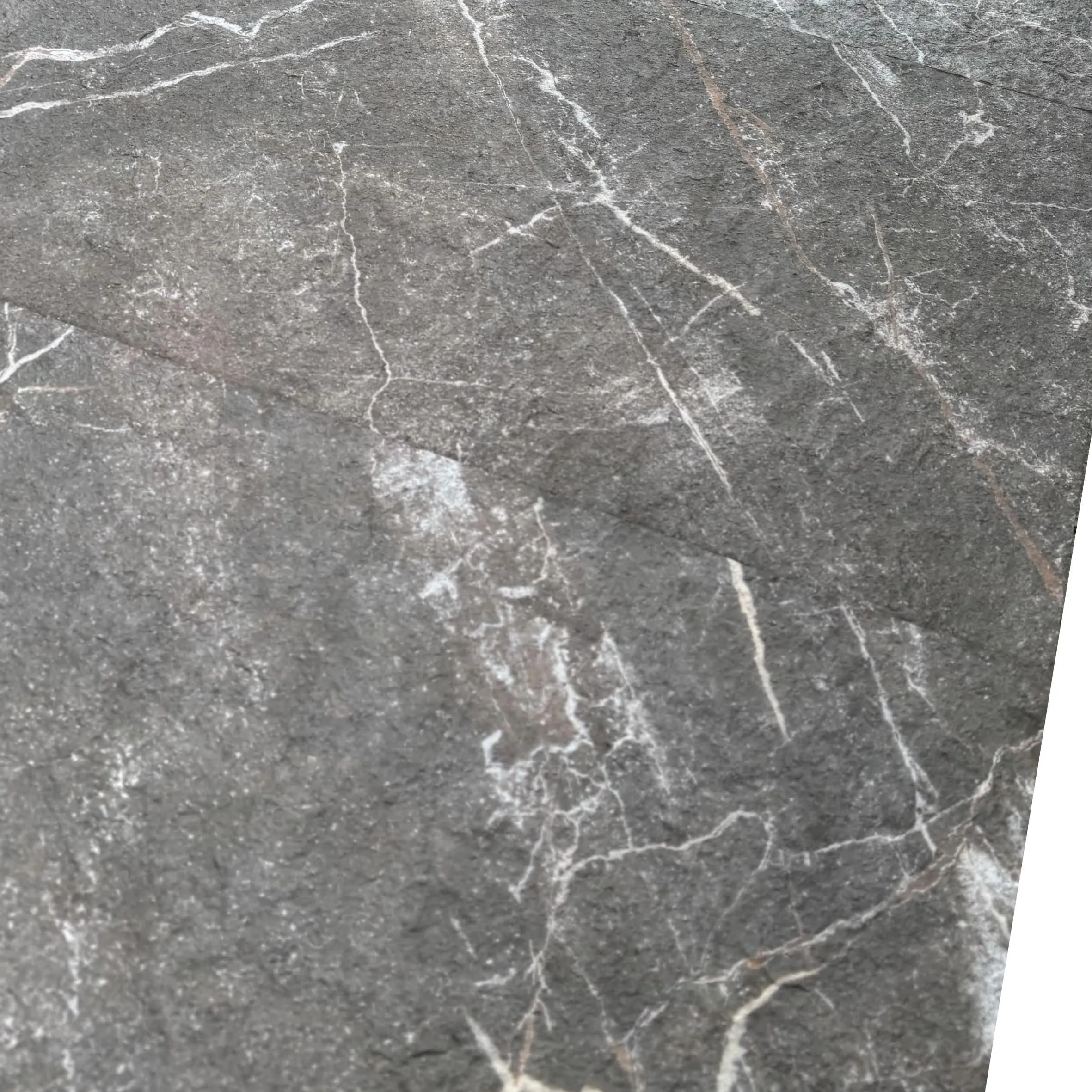
Enter MCM, or Modified Composite Material—a category of engineered materials designed to mimic the look and feel of natural stone, but with a fraction of the environmental impact. At its core, MCM is about rethinking how we source and produce building materials. Instead of extracting raw stone from the earth, MCM starts with recycled and sustainable inputs: crushed stone waste, recycled polymers, and natural minerals. These materials are combined in a controlled, energy-efficient manufacturing process that produces far less waste and emissions than traditional mining.
Let's take a closer look at two standout products in the MCM lineup: MCM flexible stone and the MCM big slab board series. MCM flexible stone is a game-changer for sustainability. Unlike heavy natural stone slabs, it's lightweight—typically 70% lighter than Granite Portoro—meaning it requires less fuel to transport. Its flexibility also reduces breakage during shipping, cutting down on waste. Imagine a construction site where workers can carry large panels by hand, eliminating the need for cranes and heavy lifting equipment. That's not just safer for workers; it's also quieter, less disruptive, and lowers the project's overall carbon footprint.
Then there's the MCM big slab board series. These large-format panels (some up to 12 feet long) are designed to cover more surface area with fewer seams, which means less installation waste. Traditional stone installation often results in 10-15% waste from cutting and fitting smaller slabs; with MCM big slabs, that number drops to under 5%. Plus, because they're engineered, the color and pattern consistency is unmatched—no more rejecting slabs because the veining doesn't match. This predictability reduces material waste even further, as designers and contractors can order exactly what they need, with no surprises.
But MCM's sustainability story doesn't stop at production and transportation. The materials themselves are designed to last. MCM flexible stone and big slabs are resistant to scratches, stains, and weathering, meaning buildings clad in MCM require less maintenance and replacement over time. This longevity is key to sustainability: a material that lasts 50 years instead of 20 reduces the need for frequent replacements, cutting down on the resources and emissions associated with manufacturing and installation cycles.
And let's not overlook versatility. MCM isn't just about mimicking stone—it's about expanding design possibilities. Take fair-faced concrete, another eco-friendly option in the MCM range. It offers the raw, industrial aesthetic of traditional concrete but with improved durability and a lower carbon footprint. By blending sustainable practices with innovative engineering, MCM proves that sustainability doesn't mean sacrificing style. Whether you're after the drama of Granite Portoro, the warmth of wood, or the sleekness of concrete, MCM has a product that delivers—without the environmental toll.
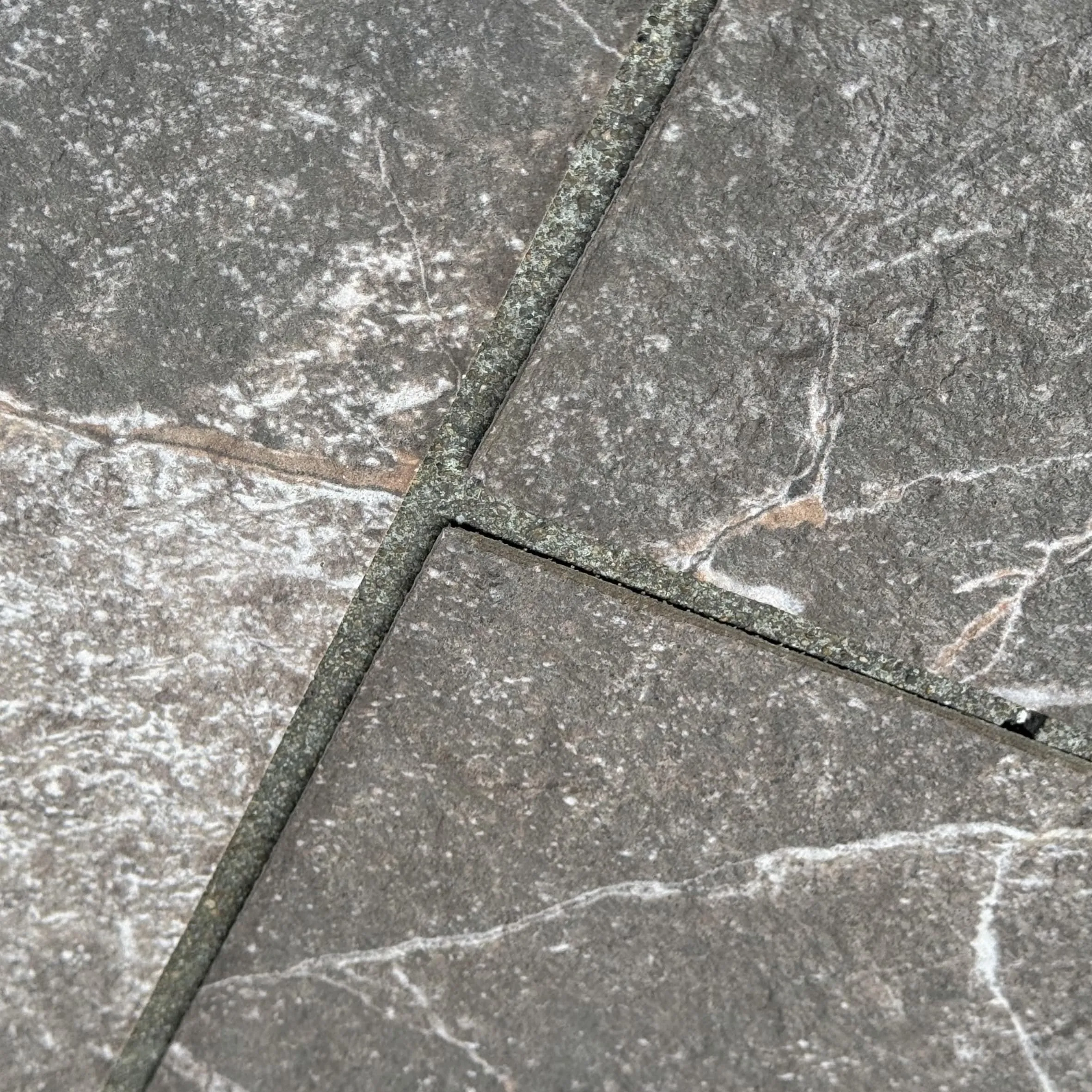
To truly understand the difference, let's put Granite Portoro mining and MCM production head-to-head. The table below breaks down key factors like environmental impact, waste reduction, and worker safety—areas where the contrast is most striking.
| Factor | Granite Portoro Mining | MCM Production |
|---|---|---|
| Environmental Impact | High: Quarrying disrupts ecosystems, deforestation, water pollution from sediment and chemicals. | Low: Uses recycled materials, minimal land disruption, controlled water usage with filtration systems. |
| Carbon Footprint | High: Heavy machinery, long transportation routes, energy-intensive processing (est. 25-30 kg CO2 per sq. meter). | Low: Energy-efficient manufacturing, lightweight materials reduce transport emissions (est. 5-8 kg CO2 per sq. meter). |
| Waste Reduction | Poor: 300-400% waste (3-4 tons of waste per ton of usable stone). | Excellent: Under 5% production waste; recycled scrap is reused in manufacturing. |
| Worker Safety | Risky: Exposure to dust, noise, and heavy machinery; risk of rockslides in quarries. | Safer: Indoor, controlled factory environments with modern safety protocols and minimal heavy lifting. |
| Aesthetic Versatility | Limited: Dependent on natural stone availability; color/pattern inconsistency. | Extensive: Can mimic any natural stone (including Granite Portoro), plus custom colors and textures. |
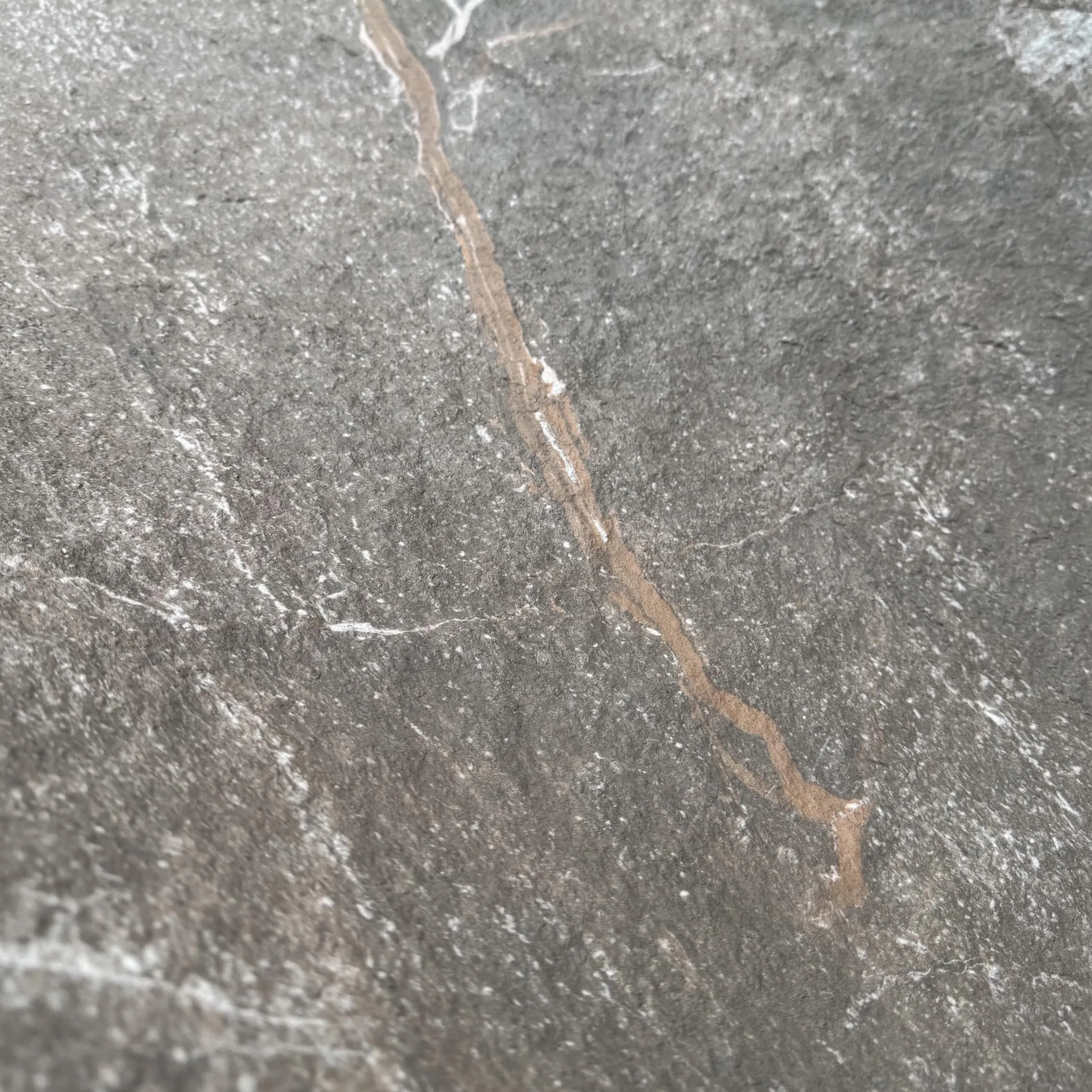
Numbers tell part of the story, but real change happens when these practices are put to work. Let's look at a recent project that swapped Granite Portoro for MCM flexible stone: the Riverfront Tower, a 20-story mixed-use building in Chicago. The design team initially specified Granite Portoro for the lobby walls, drawn to its dramatic black-and-gold veining. But after crunching the sustainability numbers—including a projected 35-ton CO2 footprint from mining and transporting the stone—they pivoted to MCM flexible stone in a Portoro-inspired pattern.
The results? The lobby still wows visitors with its luxurious aesthetic, but the project's carbon footprint dropped by 72% compared to the original plan. Transportation emissions alone fell by 80% thanks to the lightweight MCM panels. The construction team reported fewer delays (no more waiting for replacement slabs due to breakage) and lower labor costs (no need for specialized lifting equipment). "We didn't have to compromise on design," says lead architect Maria Gonzalez. "If anything, the MCM panels gave us more flexibility—we could customize the veining to exactly match our renderings. And knowing we cut the building's carbon footprint by nearly three-quarters? That's a win we're proud to share with clients and tenants."
Another example: the GreenHaven Community Center in Portland, Oregon, which used MCM big slab boards for its exterior cladding. The design called for a warm, natural stone look, but the project had strict sustainability goals, including LEED Platinum certification. By choosing MCM big slabs, the team reduced waste by 12 tons compared to using natural stone, and the lighter panels allowed for a simpler, more energy-efficient building structure. "We saved on steel supports alone," notes project manager James Chen. "And when we did the lifecycle analysis, the MCM panels are projected to last 60+ years with minimal maintenance. That's sustainability that pays off—for the planet and the budget."
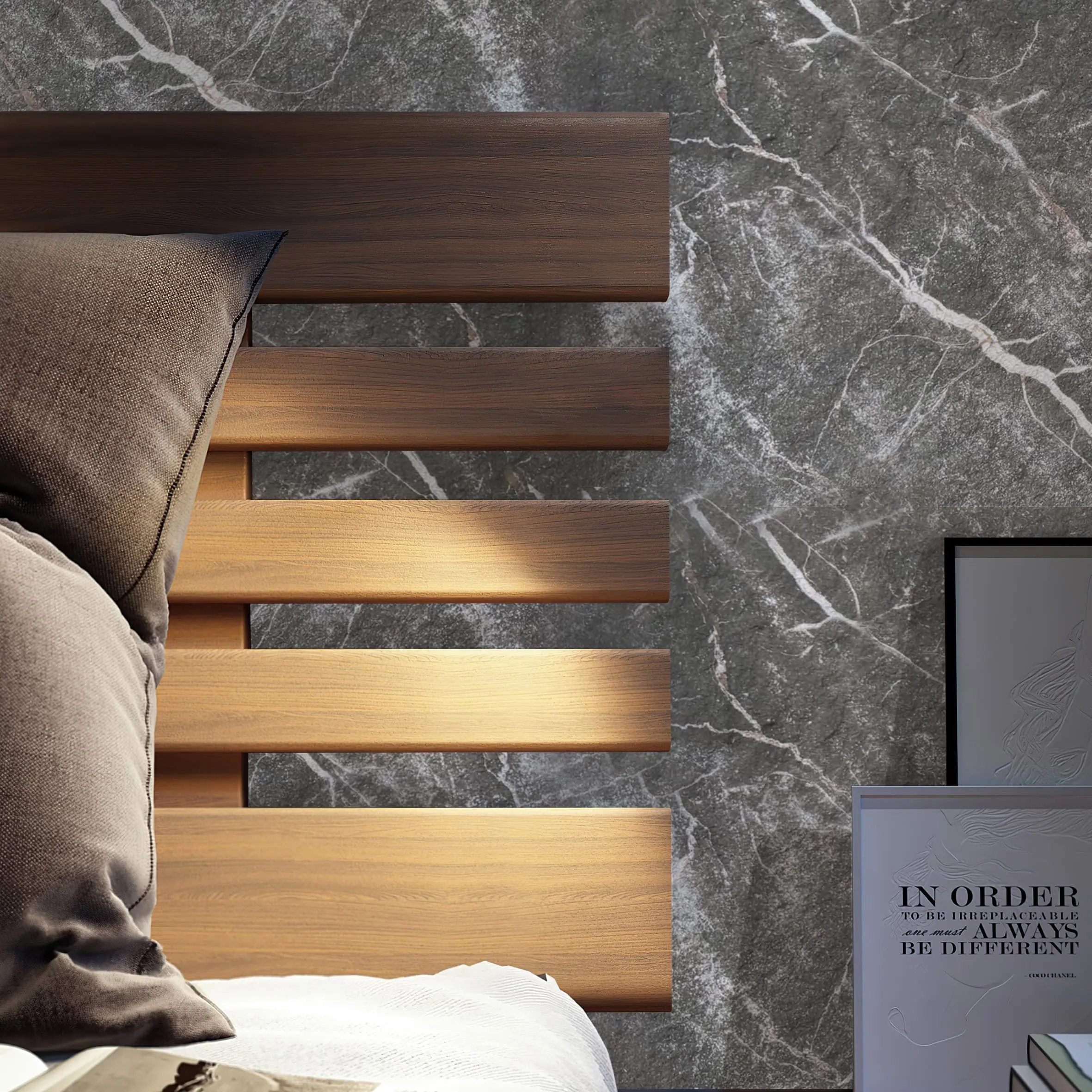
So, what does all this mean for the future of design and construction? It means luxury is being redefined. Today's clients—whether they're developers, architects, or homeowners—aren't just asking, "Does it look good?" They're asking, "What's its story?" "How was it made?" "What impact did it have?" They want spaces that inspire, but they also want to feel good about the choices that create those spaces. MCM isn't just a material; it's a response to that demand—a way to honor both the art of design and the health of our planet.
Granite Portoro will always have a place in design history, a reminder of the beauty found in nature. But as we face the realities of climate change, we need to ask: Is that beauty worth the cost? MCM proves that it doesn't have to be. By engineering materials that replicate natural stone's allure while minimizing environmental harm, MCM is leading a shift toward responsible luxury. It's a shift that says, "We can have both—stunning spaces and a sustainable future."
At the end of the day, the materials we choose shape more than just buildings—they shape the world we leave behind. For designers, contractors, and decision-makers, the choice is clear: we can continue down the path of extraction, or we can embrace innovation that works with the planet, not against it. MCM is more than a product; it's a promise—a promise that luxury and sustainability can coexist, that we can build spaces that inspire today without compromising tomorrow. And that, perhaps, is the most beautiful story of all.
Recommend Products












