
Exploring the origins, ethics, and environmental impact of a modern construction staple
Walk into any contemporary café, office, or residential building today, and you'll likely notice something different about the walls, ceilings, or furniture: a warmth that feels organic, a texture that hints at nature, but with a durability that suggests it's built to last. More often than not, that material might be Poly Wood Board—a composite that's quietly revolutionizing how we think about sustainable construction. But what really goes into making it? And beyond its physical properties, does it live up to the "sustainable" label when we dig into where its raw materials come from?
The construction industry has long been a double-edged sword: it builds the spaces we live and work in, but it also accounts for nearly 40% of global carbon emissions and a third of waste generation, according to the United Nations Environment Programme. In response, architects, builders, and material scientists are increasingly turning to alternatives that minimize harm—materials like mcm flexible stone, wood grain board, and yes, Poly Wood Board. These aren't just "greenwashed" buzzwords; they represent a shift toward sourcing that respects both the planet and the people involved in bringing them to life.
In this article, we'll take a deep dive into Poly Wood Board: its raw materials, the ethics of how those materials are sourced, and why this matters for the future of construction. We'll compare it to traditional options, explore real-world case studies, and even tackle the challenges that still lie ahead. By the end, you'll not only understand what makes Poly Wood Board tick but also why sustainable sourcing isn't just a trend—it's a responsibility.
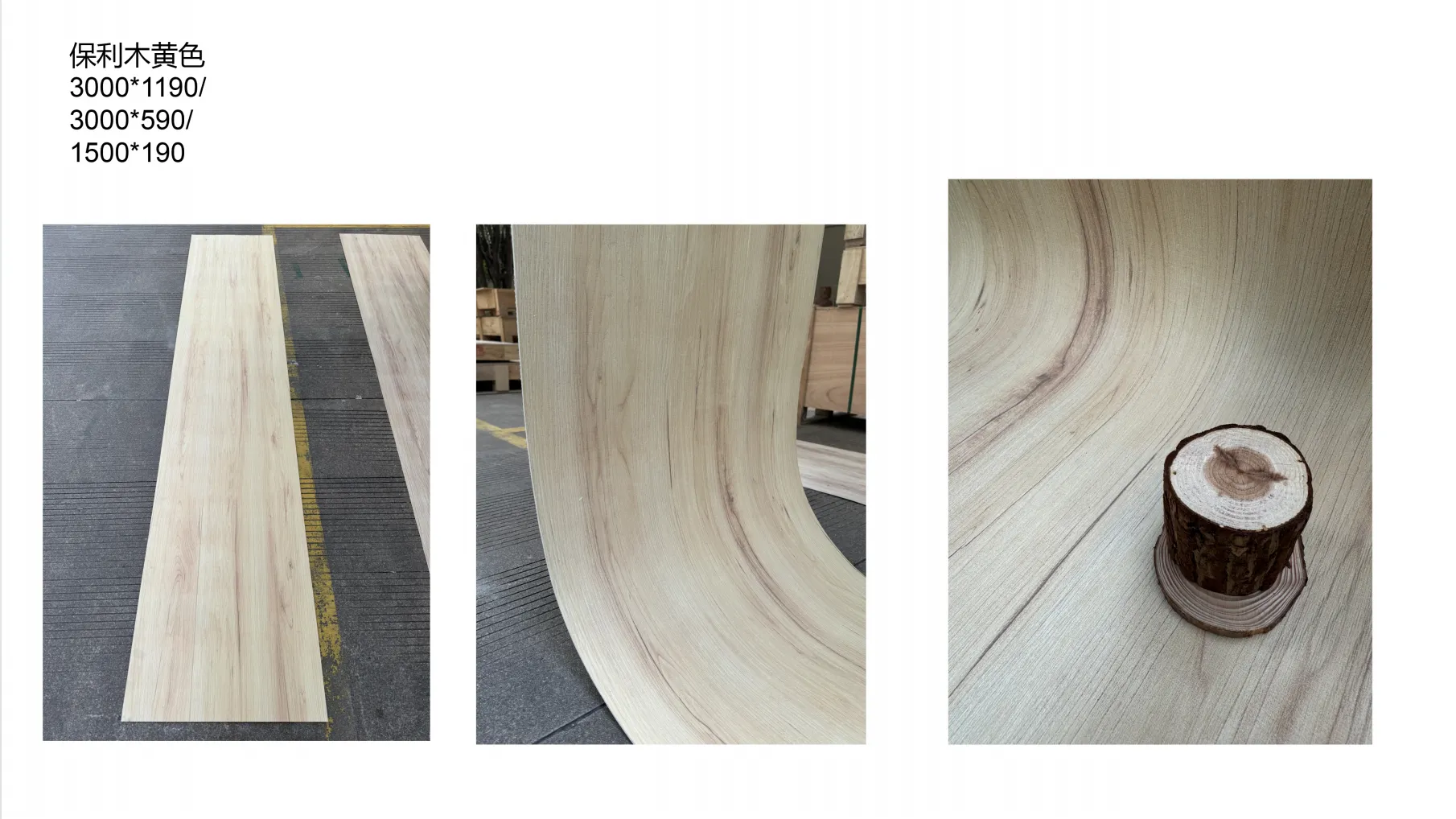
Before we get into sourcing, let's clarify what Poly Wood Board actually is. At its core, it's a composite material, meaning it blends two or more substances to create something with better properties than the individual parts. In this case, the star ingredients are recycled wood fibers and recycled plastic polymers. The result? A board that looks and feels like wood but resists moisture, pests, and warping—common pitfalls of traditional lumber. It's lightweight, flexible (making it easy to install on curved surfaces), and incredibly durable, which is why it's popping up in everything from exterior cladding and decking to interior accent walls and furniture.
Poly Wood Board is part of a broader family of Modified Composite Materials (MCM), a category that includes innovations like mcm flexible stone and mcm 3d printing series. What ties these materials together is their focus on sustainability: they aim to reduce reliance on virgin resources, minimize waste, and lower the carbon footprint of construction. Unlike some composites that use a lot of virgin plastic or non-recycled wood, Poly Wood Board doubles down on recycling, making it a standout in the MCM lineup.
But here's the thing: not all Poly Wood Boards are created equal. The quality, sustainability, and ethics of a board depend entirely on where its raw materials come from. Let's break that down.
To understand Poly Wood Board's sustainability, we need to start at the source: the raw materials that go into making it. Let's unpack the two main components: wood fibers and recycled plastic.
First, the wood fibers. You might assume these come from freshly cut trees, but the most responsible manufacturers avoid virgin timber entirely. Instead, they source reclaimed wood fibers from a variety of places: old pallets, construction site waste (like cutoffs from framing lumber), demolished barns or warehouses, and even sawdust from furniture factories that would otherwise end up in landfills. This approach does two key things: it keeps usable wood out of waste streams, and it reduces the demand for logging, which is a major driver of deforestation.
Some manufacturers take it a step further by partnering with forestry operations certified by the Forest Stewardship Council (FSC). FSC certification ensures that wood comes from forests managed in a way that protects biodiversity, respects indigenous rights, and supports local communities. Even though Poly Wood Board uses mostly reclaimed wood, FSC-sourced fibers add an extra layer of assurance that no harm is being done to intact ecosystems.
The second key ingredient is recycled plastic. Think about all the plastic waste we generate daily—water bottles, food packaging, detergent jugs. A lot of it ends up in oceans or landfills, where it can take centuries to break down. Poly Wood Board manufacturers intercept this waste before it becomes a problem, partnering with local recycling facilities to collect and process post-consumer plastic. This plastic is sorted (to remove non-recyclable items), cleaned, melted down, and turned into pellets that get mixed with the wood fibers.
Most Poly Wood Board uses polyethylene (PE) or polypropylene (PP) plastics, which are the most common types in consumer waste and the easiest to recycle. Some manufacturers even track the "origin story" of their plastic: for example, a single board might contain the equivalent of 400 plastic bottles. That's not just a marketing talking point—it's a tangible way to visualize the waste diverted from the environment.
To hold the wood fibers and plastic together, manufacturers use binding agents. The best ones opt for bio-based adhesives derived from plant starches or soy, avoiding toxic chemicals that can off-gas over time. They also add UV stabilizers to prevent fading in sunlight and fire retardants (when needed) that are low in harmful substances like formaldehyde. These small choices add up to a product that's not just sustainable in sourcing but also safe for indoor air quality.
Sustainability isn't just environmental—it's also about ethics. Who is collecting the recycled plastic? Are the workers in the reclaimed wood yards paid fairly? Does the supply chain exploit vulnerable communities? These are the questions that separate truly responsible Poly Wood Board manufacturers from those greenwashing their products.
Let's start with the people behind the materials. Recycling facilities, especially in developing regions, can sometimes have poor working conditions: low pay, long hours, exposure to hazardous materials. Ethical manufacturers audit their partners to ensure workers are paid a living wage (not just minimum wage), have access to safety gear (like gloves and masks when handling plastic waste), and aren't subject to child labor or forced labor. Some even partner with worker-owned cooperatives, which give employees a stake in the business and a voice in decision-making.
The same goes for the reclaimed wood sector. Workers who dismantle old structures or process wood waste should have safe working conditions—no falling hazards, proper ventilation, and training on how to handle tools. Ethical sourcing means prioritizing partners who invest in their employees' well-being, even if it costs a bit more.
Transparency is the backbone of ethical sourcing. You can't claim to be sustainable if you can't trace your materials back to their origin. The best Poly Wood Board manufacturers provide detailed supply chain reports, often with third-party verification. For example, they might share where their recycled plastic was collected (e.g., a network of recycling centers in Southeast Asia), how it was transported (using low-emission trucks), and who processed it (a certified B Corp recycling facility). This level of openness builds trust with architects, builders, and homeowners who want to make informed choices.
Sustainable sourcing should lift up communities, not exploit them. Take plastic recycling in rural areas: many regions lack formal recycling infrastructure, so waste pickers (often informal workers) collect plastic from dumps and sell it to middlemen. Ethical manufacturers cut out the middlemen by partnering directly with these waste pickers, offering fair prices and even funding training programs to help them organize into collectives. This not only improves their income but also strengthens local recycling systems, creating jobs and reducing waste in the long run.
Similarly, sourcing reclaimed wood from local demolition projects supports small businesses—like family-owned salvage yards—that preserve historical materials and keep them out of landfills. By prioritizing local suppliers, Poly Wood Board manufacturers reduce transportation emissions and invest in the communities where they operate.
Now that we know where the materials come from and how they're sourced, let's talk about the big picture: how does Poly Wood Board impact the environment compared to traditional building materials? Let's break it down into key metrics.
| Metric | Traditional Wood Lumber | Virgin Plastic Board | Poly Wood Board |
|---|---|---|---|
| Deforestation Risk | High (requires logging virgin trees) | Low (no wood used) | Very Low (uses reclaimed/recycled wood) |
| Plastic Waste Impact | Low (no plastic used) | High (uses virgin plastic, contributing to oil extraction) | Very Low (diverts plastic from landfills/oceans) |
| Carbon Footprint (per m²) | ~15-20 kg CO₂e | ~8-12 kg CO₂e | ~3-5 kg CO₂e (due to recycling and low transport) |
| Lifecycle Durability | 5-15 years (prone to rot, pests) | 10-20 years (prone to UV damage, warping) | 25-30+ years (resistant to moisture, pests, UV) |
| End-of-Life Recyclability | Biodegradable (but often ends up in landfills) | Recyclable (but low rates in practice) | Recyclable (can be ground down and reused in new boards) |
Traditional wood lumber, even from "sustainable" forests, still requires cutting down trees, which removes carbon sinks and disrupts ecosystems. Poly Wood Board's use of reclaimed wood fibers—from waste streams that would otherwise be incinerated or buried—eliminates this need. Similarly, virgin plastic boards rely on petroleum, a fossil fuel, and their production releases greenhouse gases. By using recycled plastic, Poly Wood Board cuts this link, turning a waste product into a resource.
Recycling plastic and reusing wood both require energy, but it's far less than producing these materials from scratch. For example, recycling plastic uses 70-80% less energy than making virgin plastic, according to the EPA. When you add in the reduced transportation (since materials are often sourced locally), Poly Wood Board's carbon footprint is a fraction of traditional options. Some manufacturers even run their factories on renewable energy, bringing their emissions close to zero.
One of the most underrated environmental benefits of Poly Wood Board is its lifespan. A traditional wood deck might need to be replaced every 10 years, sending old boards to the landfill and requiring new trees to be cut down. A Poly Wood Board deck, on the other hand, can last 30+ years with minimal maintenance. That means fewer replacements, less waste, and lower long-term emissions. It's a classic case of "buy once, buy well" applied to construction materials.
You might be wondering how Poly Wood Board stacks up against another popular MCM: wood grain board. Wood grain board often uses a mix of virgin wood fibers and resin, which makes it more affordable but less sustainable. While it mimics wood's look well, it doesn't divert waste or reduce deforestation like Poly Wood Board. For projects where sustainability is a priority, Poly Wood Board is the clearer choice.
In 2023, a small café in Portland, Oregon, set out to be the city's first "zero-waste" eatery. Part of their mission? Using sustainable materials for their interior design. The owners, Maya and Jake, wanted warm, natural textures but refused to use traditional wood (due to deforestation concerns) or vinyl (which off-gases harmful chemicals). That's when they discovered Poly Wood Board.
The café's feature wall—behind the counter—is clad in Poly Wood Board made from 100% reclaimed wood fibers (from old barn wood in Washington) and recycled plastic (collected from local recycling bins). The manufacturer provided a transparency report showing the plastic was sorted by a worker-owned cooperative in Portland, ensuring fair wages, and the wood came from FSC-certified salvage yards. The board's natural wood grain finish complemented the café's earthy aesthetic, and its moisture resistance meant it could handle the steam from coffee machines without warping.
But the impact went beyond looks. By choosing Poly Wood Board, Maya and Jake calculated they diverted approximately 2,500 plastic bottles from landfills and saved 15 mature trees from being cut down. The café's carbon footprint for construction materials dropped by 60% compared to using traditional wood and vinyl. Customers loved the story behind the wall, and it became a talking point—boosting foot traffic and reinforcing the café's brand as a sustainability leader.
"We didn't just want to serve green coffee," Jake said. "We wanted every part of the café to reflect our values. The Poly Wood Board wall isn't just decoration—it's a conversation starter about where things come from and how small choices add up."
Poly Wood Board isn't without its challenges. For one, consistency in recycled materials can be tough. Recycled plastic comes in different grades and colors, which can affect the final board's appearance. Manufacturers are investing in better sorting and processing tech to solve this, but it adds cost—making Poly Wood Board pricier than low-quality plywood or virgin plastic boards. However, when you factor in its longevity (fewer replacements) and environmental benefits, the lifecycle cost often evens out.
Another hurdle is consumer awareness. Many architects and builders still default to materials they've used for years, unaware of Poly Wood Board's benefits. Education is key: manufacturers are partnering with trade schools, hosting workshops, and creating online tools to help professionals compare sustainability metrics. Governments can also play a role by offering tax incentives for using green materials, making Poly Wood Board a more competitive choice.
Looking ahead, the future of Poly Wood Board is bright. Innovations like mcm 3d printing series are opening up new possibilities: imagine 3D-printed Poly Wood Board furniture or custom cladding with zero waste, since 3D printing only uses the material needed. There's also research into adding agricultural waste—like rice husks or coconut shells—to the mix, further reducing reliance on wood fibers. And as recycling infrastructure improves globally, the supply of high-quality recycled plastic will grow, making Poly Wood Board even more accessible.
Sustainable sourcing isn't just a checkbox for manufacturers—it's a commitment to the planet and the people who share it. Poly Wood Board, with its recycled wood fibers, recycled plastic, and ethical supply chain, embodies this commitment. It shows that construction materials don't have to choose between performance, aesthetics, and responsibility—they can have it all.
As we've explored, the story of Poly Wood Board is about more than a building material. It's about reimagining waste as a resource, honoring the workers who make sustainability possible, and creating spaces that leave the planet better than we found it. Whether it's a café wall in Portland or a skyscraper in Dubai, every project that uses Poly Wood Board is a step toward a more sustainable future.
So the next time you walk into a building and admire its materials, take a moment to wonder: where did this come from? Who made it? And what impact did it have? The answers might surprise you—and inspire you to choose more consciously. After all, the most beautiful spaces aren't just built with materials—they're built with purpose.
Recommend Products












