
Walk into any home, and you'll find threads holding the world together—stitching clothes, upholstery, even the labels on your favorite snacks. For decades, this humble material has quietly powered our daily lives, but its production has often come at a steep cost: water pollution from dyeing, deforestation for cotton, and mountains of textile waste. Today, as consumers grow more conscious of their environmental footprint, the demand for threads that don't harm the planet has never been louder. Enter COLORIA, a brand reimagining thread production from the ground up—proving that sustainability and quality can go hand in hand, one stitch at a time.
Founded in 2015 by a team of textile engineers and environmentalists, COLORIA began with a simple question: Why can't thread production nurture the planet instead of depleting it? What started as a small lab experiment in a converted garage has since grown into a global leader in eco-friendly textiles, with factories spanning three continents and a mission that's crystal clear: "Threads should connect us, not disconnect us from nature."
At the core of COLORIA's philosophy is a belief that sustainability isn't a marketing buzzword—it's a responsibility. Early on, the team realized that traditional thread production was riddled with inefficiencies: synthetic fibers derived from fossil fuels, toxic dyes that leached into waterways, and a "take-make-waste" model that left communities near factories grappling with polluted air and water. "We visited a textile hub in Southeast Asia once," recalls Maria Gonzalez, COLORIA's chief sustainability officer. "The river there was neon blue from dye runoff. Kids were playing nearby, and I thought, 'This has to change.' That's when we doubled down on finding better ways."
Traditional threads rely heavily on two materials: cotton and polyester. Cotton, while natural, is notoriously water-intensive—requiring up to 20,000 liters of water to produce a single kilogram. Polyester, a plastic-derived fiber, sheds microplastics with every wash, contributing to ocean pollution. COLORIA knew that to truly innovate, they needed to look beyond these staples and explore materials that were both eco-friendly and high-performing.
The result? A lineup of threads made from unexpected, sustainable sources—including recycled fibers, plant-based alternatives, and even repurposed industrial materials. But what truly sets COLORIA apart is its commitment to integrating green building materials into every step of the process, from the factories where threads are made to the packaging that delivers them to customers. "Sustainability isn't just about the thread itself," says Gonzalez. "It's about the entire ecosystem—how we build our facilities, how we power our machines, how we reduce waste at every turn."
At COLORIA, every material is chosen with purpose. Here's a closer look at some of the eco-friendly ingredients that make their threads stand out—and yes, a few surprises that might just change how you think about "thread" altogether:
| Material | Sustainability Benefit | Use in Thread Production |
|---|---|---|
| MCM Flexible Stone | A lightweight, durable composite made from recycled stone particles and plant-based binders; reduces reliance on mined stone. | Used in thread-reinforced packaging materials, replacing plastic-based boxes and ensuring products arrive intact without excess waste. |
| Recycled Ocean Plastic | Diverts plastic from oceans and landfills; each kilogram of recycled plastic saves 6 kilograms of CO2 compared to virgin plastic. | Melts down into fibers that add strength to threads, perfect for heavy-duty applications like outdoor upholstery. |
| Fair-Faced Concrete | A low-maintenance, natural concrete finish that requires no additional coatings; reduces chemical use in factory construction. | Used in COLORIA's factory floors and walls, reflecting light to reduce energy use for lighting and lasting decades with minimal upkeep. |
| Hemp Fiber | Grows without pesticides, requires half the water of cotton, and enriches soil with nitrogen. | Blended with recycled polyester to create soft, breathable threads ideal for clothing and home textiles. |
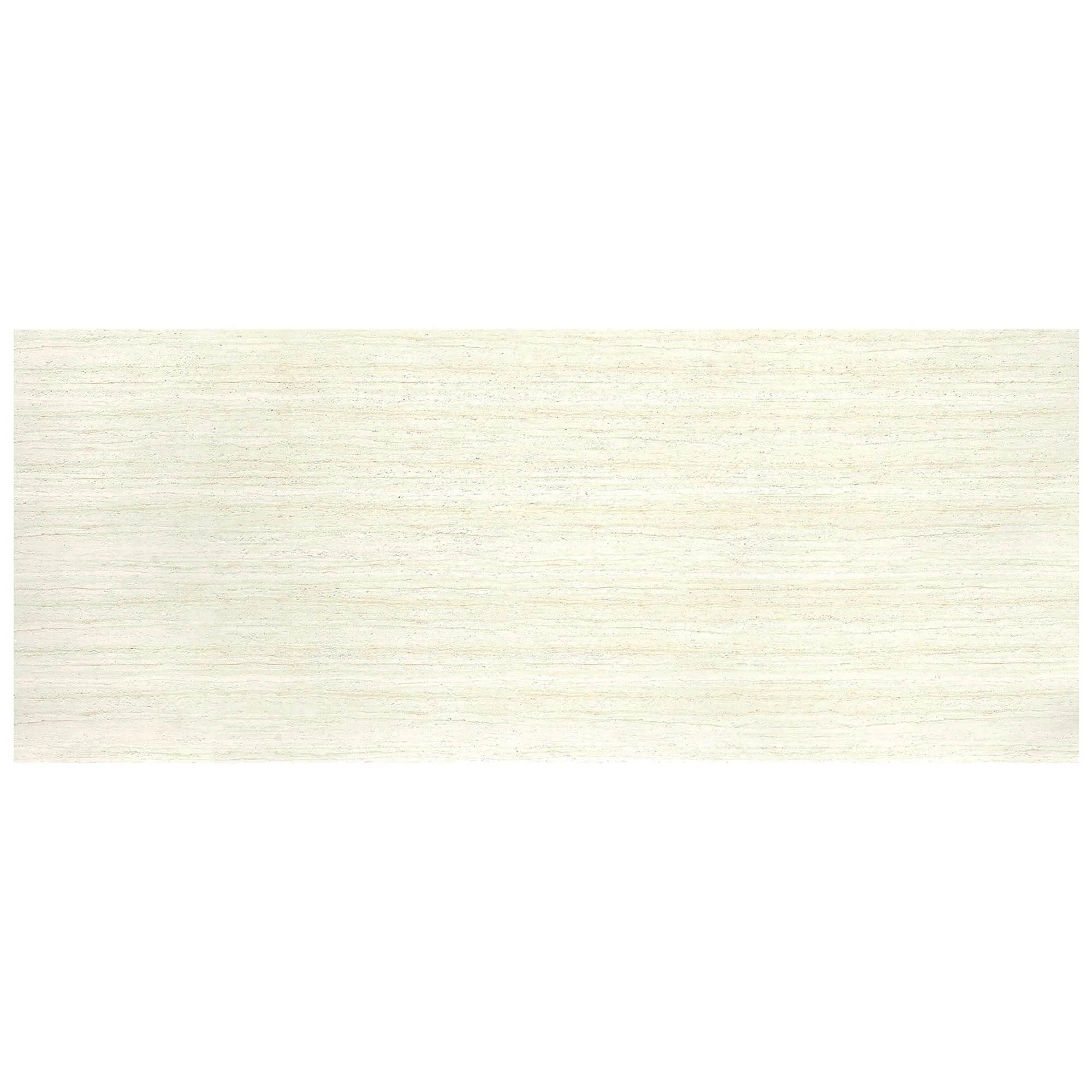
| Travertine (Starry Blue) | A natural stone with unique veining, sourced from quarries that use water recycling and reforestation practices. | Ground into a fine powder and mixed with plant-based dyes to create vibrant, fade-resistant thread colors without toxic chemicals. |
Take mcm flexible stone , for example. This innovative material, often used in construction for its flexibility and strength, found a second life at COLORIA as a packaging solution. "We were looking for a way to replace the plastic bubble wrap and foam peanuts that protect threads during shipping," explains Raj Patel, head of materials research. "MCM flexible stone is lightweight but tough—we can mold it into custom shapes that cradle spools of thread, and it's 100% biodegradable. Plus, since it's made from recycled stone, we're keeping waste out of landfills while avoiding new mining."
Then there's travertine (starry blue) —a natural stone with a striking, galaxy-like pattern. When ground into a fine powder, it acts as a natural colorant, replacing synthetic dyes that often contain heavy metals. "Traditional thread dyeing uses chemicals like lead and mercury, which end up in rivers and soil," says Patel. "Travertine powder gives our threads a rich, deep blue hue, and since it's a mineral, it won't fade in the wash. It's a win-win for color and the planet."
Materials are just the start. COLORIA's production process is designed to minimize waste, conserve resources, and prioritize the well-being of workers. Let's walk through a typical day at their flagship factory in Portugal, a facility built with green building materials and powered entirely by solar panels and wind turbines.
The day begins with fiber preparation. Bales of recycled ocean plastic and hemp arrive, sorted by color to reduce the need for dyeing. "We call it 'pre-color sorting,'" says Carlos Mendes, the factory's operations manager. "If we can use the natural color of recycled plastic—say, a soft gray from old water bottles—we skip dyeing altogether. That saves water and avoids toxic chemicals."
Next, the fibers move to the spinning room, where machines twist them into thread. Here, COLORIA uses energy-efficient motors that adjust speed based on fiber type, reducing electricity use by 30% compared to traditional spinning machines. Any excess fiber—"fly waste," in textile terms—is collected and repurposed into stuffing for eco-friendly pillows, ensuring nothing goes to landfill.
Dyeing, when necessary, happens in a closed-loop system. Water used to rinse threads is filtered and reused up to 10 times before being treated and released back into the local watershed—cleaner than when it was taken in. "We partnered with a local university to develop a filtration system that removes 99% of dye particles," Mendes says. "Last year, we saved 2.5 million liters of water this way. That's enough to fill an Olympic-sized swimming pool."
Finally, spools of thread are packaged in boxes made from mcm flexible stone composite, labeled with soy-based inks, and shipped in electric trucks. Even the tape sealing the boxes is plant-based, dissolving in water after use. "Every detail matters," Mendes adds. "We once had a customer write to us saying they planted the packaging in their garden and it sprouted wildflowers. That's the kind of feedback that keeps us going."
Sustainability isn't just about feel-good stories—it's about measurable change. Since 2015, COLORIA has tracked its environmental impact rigorously, and the results speak for themselves:
Perhaps most inspiring is the ripple effect. COLORIA's success has pushed competitors to rethink their practices, and major brands—from outdoor apparel companies to luxury home goods labels—now seek out their threads. "Last year, a leading furniture brand switched to our hemp-recycled plastic thread for their sofas," Gonzalez says. "They told us their customers started asking for 'the green thread' specifically. That's how change happens—one customer, one brand, one stitch at a time."
In 2023, COLORIA partnered with a nonprofit to build a primary school in rural Kenya. The goal? To create a space that was not only eco-friendly but also a teaching tool for sustainability. The result? A school where every detail—from the walls to the uniforms—tells a story of green innovation.
The school's walls, made from fair-faced concrete , require no paint, reducing chemical exposure for students. The roof is lined with solar panels that power the classrooms and charge devices for the community. And the students' uniforms? Sewn with COLORIA's hemp-recycled plastic thread, designed to withstand Kenya's hot climate and last for years. "The kids love knowing their uniforms are helping the planet," says Aisha Omar, the school's principal. "We even have a 'thread club' where students learn about recycling and sustainable materials. It's education through action."
The project was so successful that COLORIA is now scaling it to 10 more schools across Africa and Latin America. "We're not just selling threads," Gonzalez says. "We're building a movement—showing communities that sustainability is accessible, affordable, and empowering."
COLORIA isn't resting on its laurels. The team is currently researching new materials, including mycelium-based fibers (made from mushroom roots) and seaweed-based dyes. They're also exploring partnerships with textile recycling startups to create "infinite threads"—threads made from old clothes that can be recycled again and again, with no loss in quality.
"Our goal is to make sustainability the default, not the exception," Gonzalez says. "Imagine a world where every thread in your shirt, every stitch in your couch, is part of a cycle that heals the planet. That's the future we're working toward."
You don't have to be a manufacturer to support sustainable thread production. Here are simple ways to vote with your wallet and your habits:
At the end of the day, threads are more than just a material—they're a metaphor. They connect us to the clothes we wear, the homes we live in, and the planet we share. With COLORIA leading the way, that connection is getting stronger, greener, and more hopeful—one stitch at a time.
Recommend Products












