

In the world of architecture, every wall tells a story. It's not just about dividing spaces or shielding from the elements—walls are the skin of a building, breathing life into its design while carrying the weight of sustainability. Today, as architects and developers chase the dual goals of aesthetic innovation and environmental responsibility, the choice of building materials has never been more critical. Enter COLORIA GROUP, a name that's quietly redefining what it means to build green without compromising on beauty. At the heart of their mission lies a commitment to modified cementitious materials (MCM) that blend cutting-edge technology with a deep respect for nature. Let's dive into how their sustainable wave panels and complementary products are becoming the go-to choice for projects aiming for green certifications—and why they might just be the missing piece in your next design.
Imagine walking into a construction site where the air isn't thick with the smell of harsh chemicals, where waste bins are half-empty because materials are designed to be precise, and where the walls being installed feel less like industrial products and more like pieces of art crafted from the earth itself. That's the reality COLORIA GROUP brings to the table as a one-stop solution provider for building materials. With decades of experience and a global footprint—including a strong presence in Saudi Arabia—they've made it their mission to bridge the gap between architectural ambition and environmental stewardship. Their secret? A focus on MCM, or modified cementitious materials, which are revolutionizing how we think about building cladding.
MCM isn't just a buzzword here. It's a promise: materials that are lighter, stronger, and kinder to the planet than traditional options like natural stone or solid concrete. By modifying cement with eco-friendly additives, COLORIA creates products that reduce carbon footprints without sacrificing durability or design flexibility. Whether it's a towering commercial complex in Riyadh or a boutique residential project in Milan, their MCM—from big slab boards to 3D-printed wonders—are designed to make sustainable building feel less like a chore and more like a creative adventure.
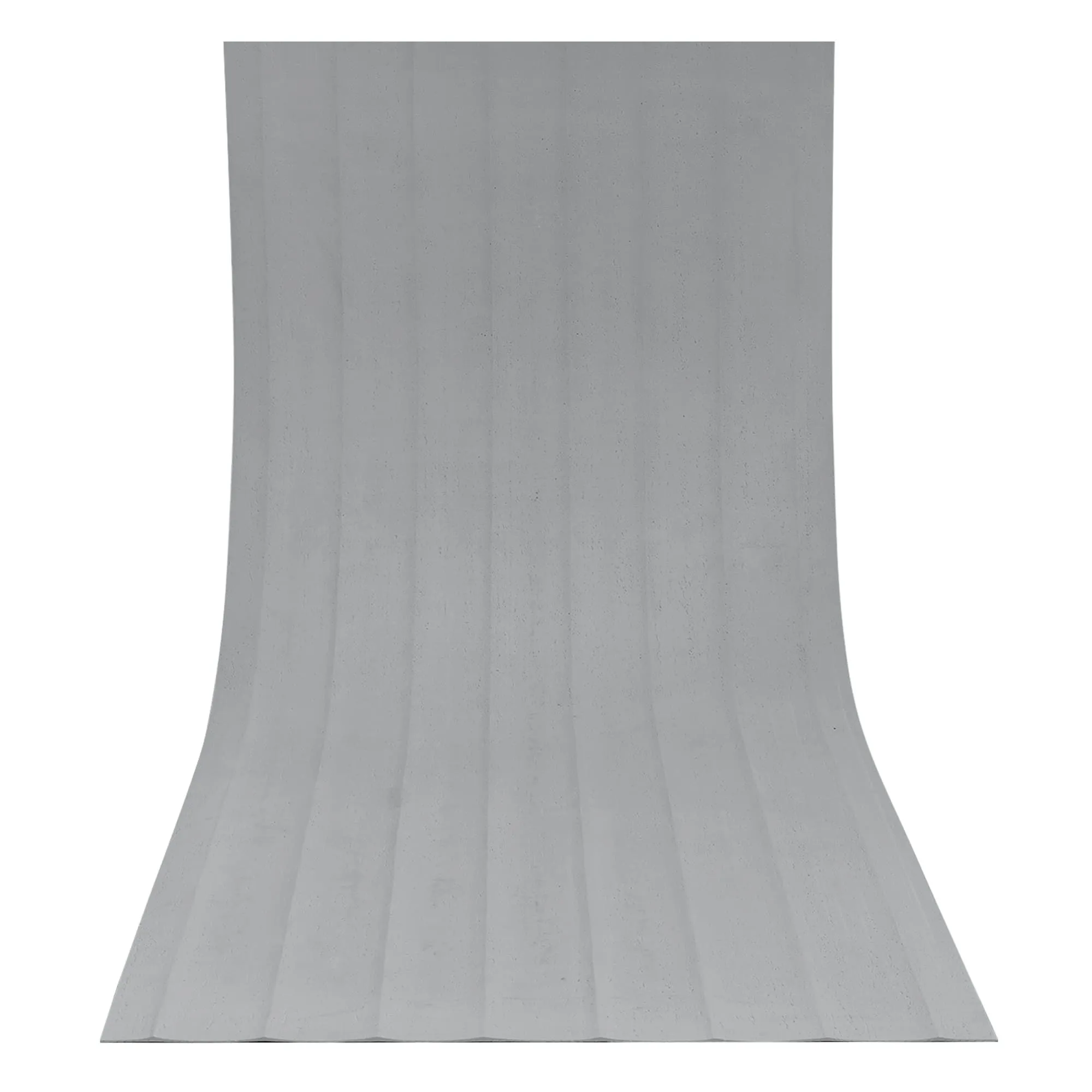
Let's talk about wave panels —the stars of the show. If walls could dance, these would be their choreographers. Inspired by the gentle undulations of ocean waves or the wind-swept curves of desert dunes, wave panels bring a sense of movement to static structures, turning flat surfaces into dynamic storytelling elements. But their beauty isn't just skin-deep. What makes these panels a standout choice for green certifications is their commitment to sustainability from production to installation.
Traditional wall cladding often comes with heavy environmental costs: quarries stripped for natural stone, energy-guzzling manufacturing processes, and transportation emissions from hauling heavy materials. Wave panels, part of COLORIA's MCM Big Slab Board Series, flip that script. Made from recycled industrial byproducts and low-carbon cement, they're up to 70% lighter than natural stone, which means less fuel is needed to transport them. Their precision-cut design also minimizes on-site waste—no more hacking away at slabs to fit a design, leaving piles of rubble behind. Even the installation process is a breeze: lightweight and flexible, they can be mounted with minimal hardware, reducing the need for energy-intensive tools.
But perhaps the most poetic thing about wave panels is how they interact with light and shadow. During the day, sunlight plays across their rippled surfaces, creating patterns that shift like water. At night, they soften artificial light, turning buildings into lanterns that glow warmly without harsh reflections. It's a reminder that sustainability doesn't have to mean sacrificing mood or ambiance—in fact, it can enhance it.
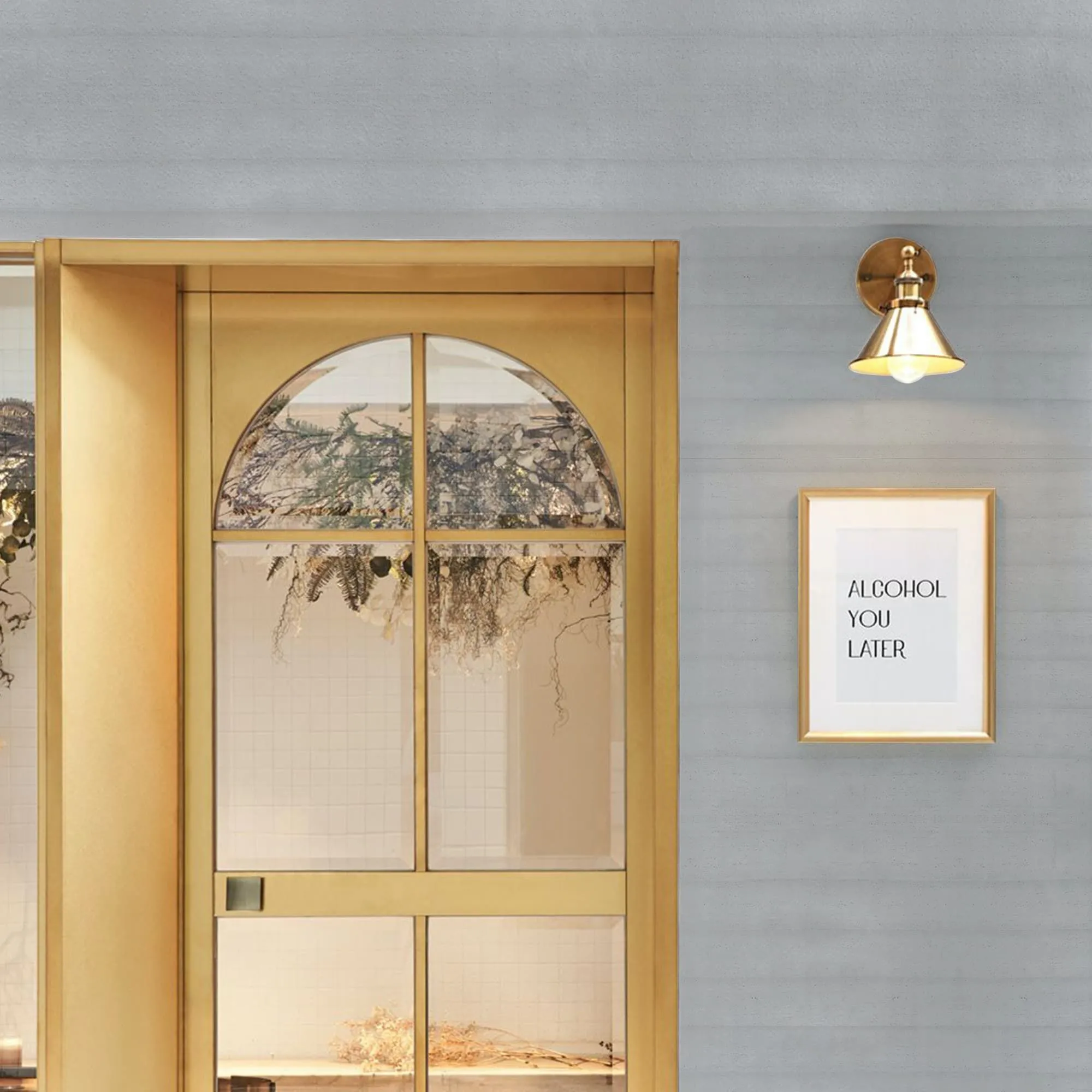
If wave panels are the dancers, then MCM flexible stone is the chameleon of the MCM family. Picture this: a historic building in need of restoration, with curved walls and intricate details that would be impossible to clad with rigid materials. Enter flexible stone—a thin, bendable sheet that hugs every contour like a second skin. Made from a blend of modified cement and natural minerals, it mimics the look and feel of real stone (think travertine, granite, or marble) but with the flexibility of fabric. It's a game-changer for architects working on heritage projects or modern designs with organic shapes.
But why is flexibility such a big deal for sustainability? For starters, it eliminates the need for custom-cut stone, which often results in 30% or more waste. With flexible stone, you measure once, cut once, and apply—no guesswork, no scraps. It's also lightweight, reducing the structural load on buildings, which in turn lowers the need for extra steel supports (and the carbon emissions that come with them). And because it's made with low-VOC (volatile organic compound) binders, it improves indoor air quality—a key factor for green certifications like LEED, which prioritize occupant health.
Take, for example, a boutique hotel in Bali aiming for LEED Gold certification. The design called for a facade that blended local stone aesthetics with modern sustainability. By choosing MCM flexible stone in a "Bali stone" finish, the architects achieved the rustic, earthy look they wanted without importing heavy natural stone from miles away. The result? A building that feels rooted in its environment, with a carbon footprint a fraction of what it would have been with traditional materials.
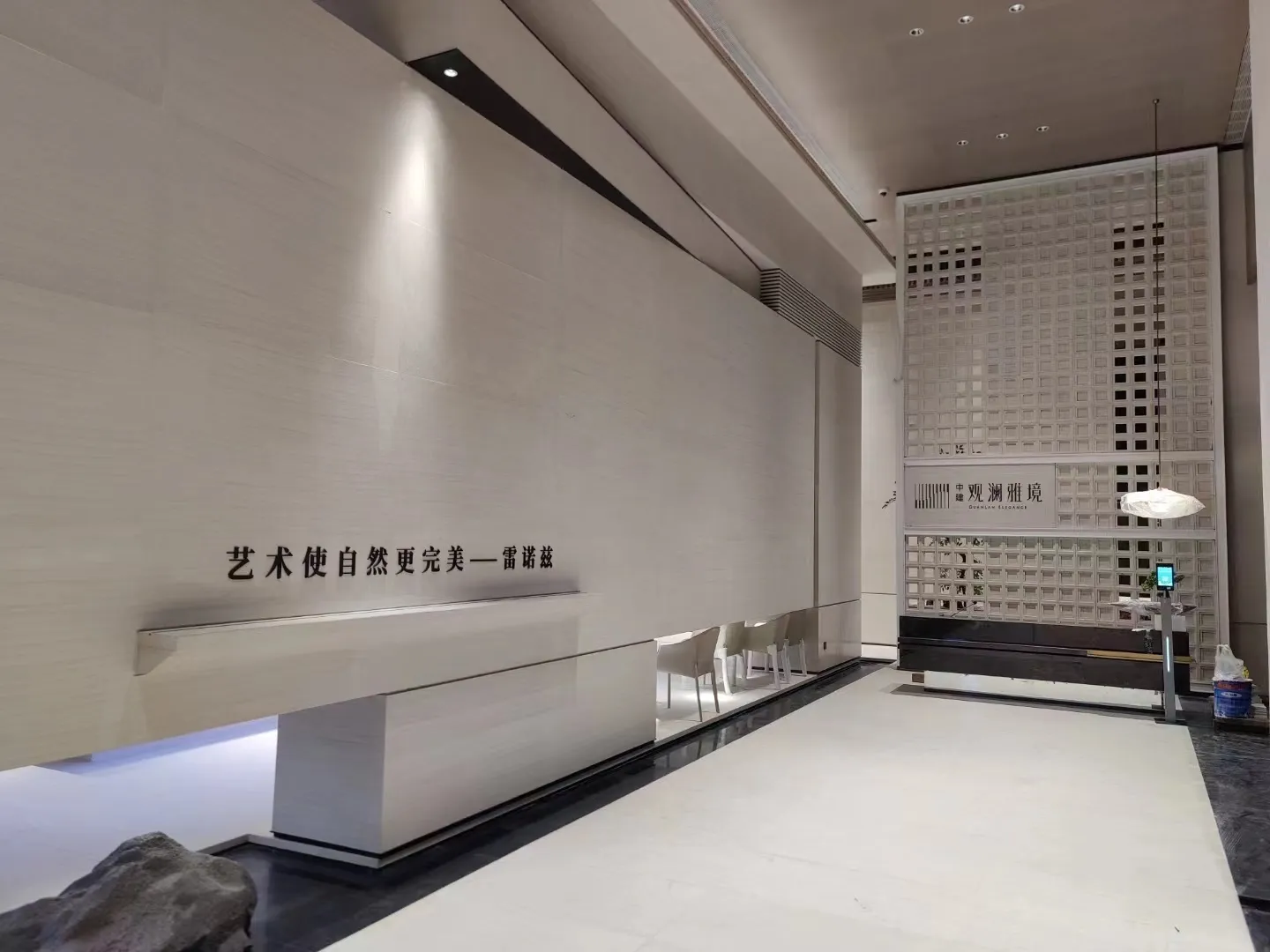
Now, let's step into the future with MCM 3D printing series —where robots and recycled materials team up to create cladding that's as unique as a fingerprint. 3D printing in construction has long been hailed as a sustainability tool, but COLORIA takes it a step further by combining it with their eco-friendly MCM formula. The result? Customizable panels that are not only visually stunning but also hyper-efficient in material use.
Traditional manufacturing often involves creating molds for each design, a process that's time-consuming and wasteful if a design changes. With 3D printing, there are no molds—just digital files translated directly into physical panels. Want a wall that looks like it's covered in fossilized coral? Or a facade with geometric patterns inspired by ancient mosaics? The 3D printer can bring those visions to life with pinpoint accuracy, using only the exact amount of material needed. This "additive manufacturing" approach reduces waste by up to 90% compared to subtractive methods like cutting stone from blocks.
But the sustainability benefits don't stop there. The MCM material used in 3D printing is rich in recycled content, including fly ash (a byproduct of coal combustion) and recycled concrete aggregate. By repurposing these industrial wastes, COLORIA diverts tons of material from landfills each year. And because the printing process is automated, it reduces labor hours on-site, cutting down on transportation emissions from workers commuting daily. It's a win-win: less waste, less energy, and more design freedom.
Imagine a tech campus in Dubai where each building's facade is 3D-printed with MCM, featuring unique patterns that reflect the company's brand identity. Not only does it become a landmark for innovation, but it also scores major points for sustainability by using recycled materials and minimizing waste—all while looking like something out of a sci-fi movie. That's the power of merging technology with eco-consciousness.
At the end of the day, beautiful materials mean little if they don't check the boxes for green certifications. LEED, BREEAM, WELL—these acronyms aren't just badges of honor; they're proof that a building is designed with people and the planet in mind. So how do COLORIA's products stack up? Let's take a closer look at key sustainability metrics and how MCM materials deliver.
| Product | Recycled Content | Carbon Footprint (vs. Traditional Materials) | Key Green Certification Benefits | Design Flexibility |
|---|---|---|---|---|
| Wave Panels | Up to 40% recycled industrial byproducts | 35% lower than natural stone cladding | LEED MR Credit (Materials and Resources), BREEAM Waste Reduction | Curved, rippled, or linear designs; custom color matching |
| MCM Flexible Stone | 30% recycled cement and minerals | 50% lower than solid marble/granite | LEED EQ Credit (Indoor Environmental Quality), WELL Air Quality | Bends to radii as small as 30cm; mimics 20+ natural stone finishes |
| MCM 3D Printing Series | 50% recycled aggregate and fly ash | 60% lower than CNC-cut concrete panels | LEED Innovation Credit, BREEAM Innovation | Limitless custom patterns; on-demand production reduces inventory waste |
| Fair-faced Concrete | 35% recycled concrete fines | 25% lower than traditional poured concrete | LEED MR Credit, BREEAM Materials Efficiency | Raw, industrial aesthetic; can be stained or sealed for custom looks |
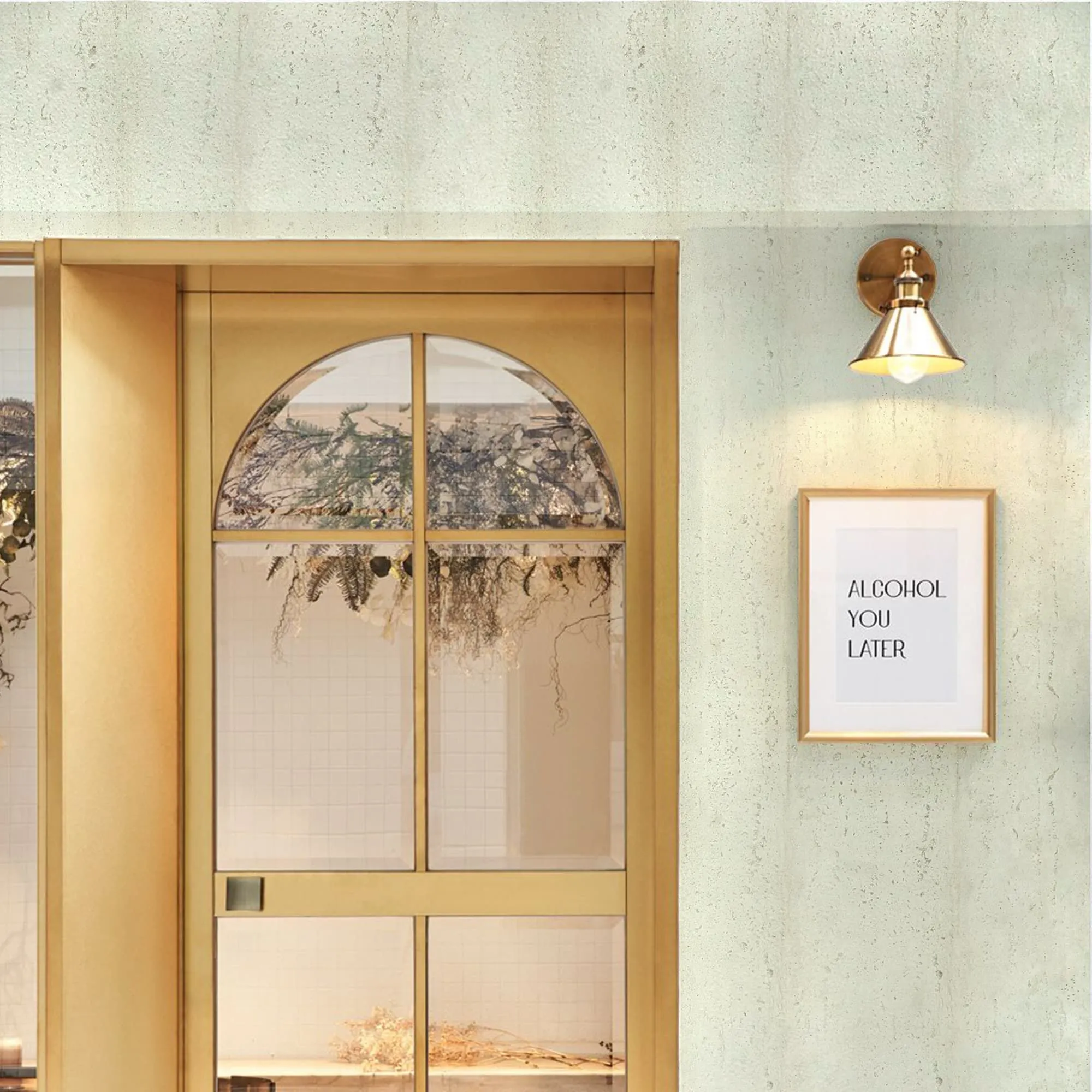
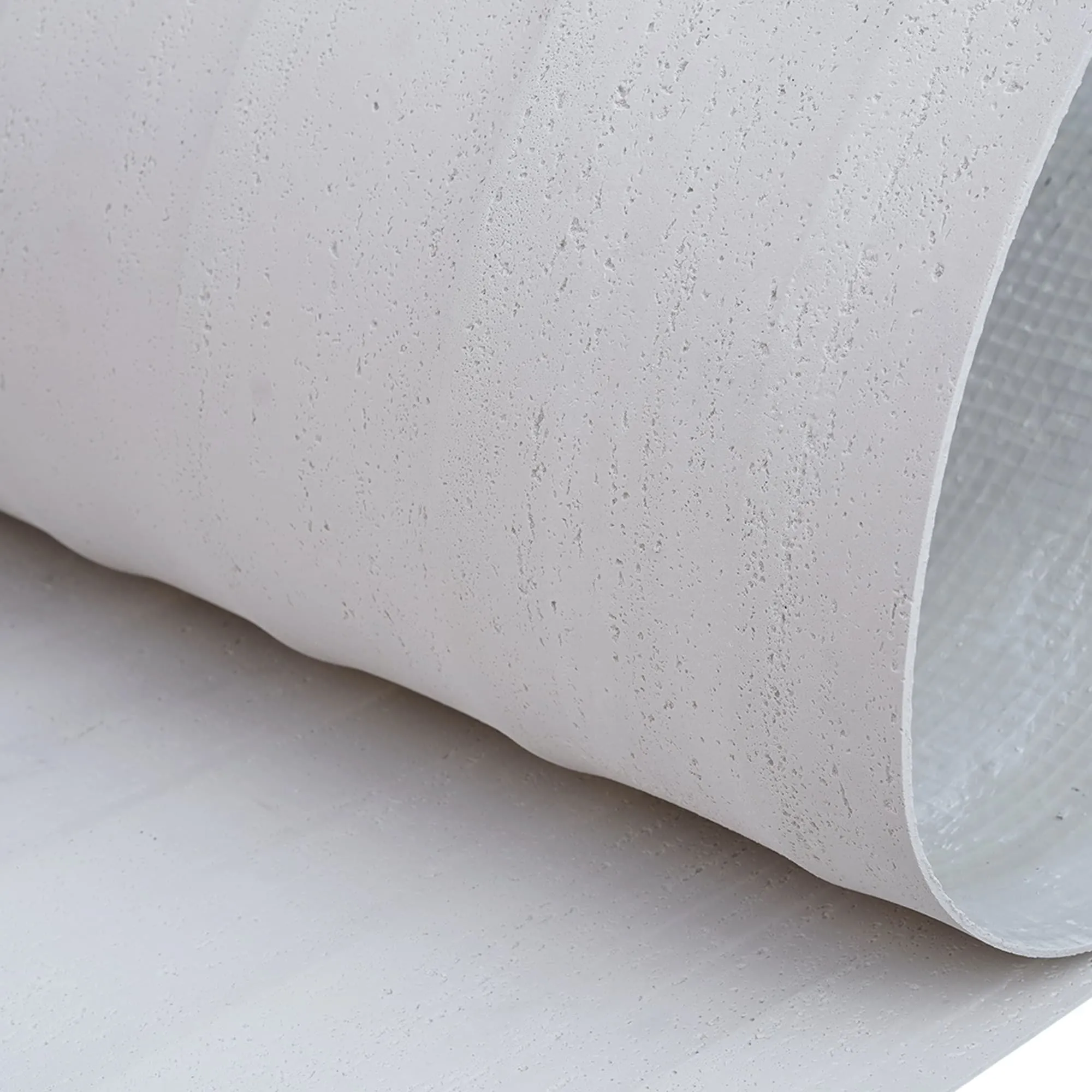
Take fair-faced concrete , for instance—a staple in modern minimalist design. Traditional concrete is a carbon-intensive material, responsible for about 8% of global CO2 emissions. COLORIA's version, however, replaces a portion of the cement with recycled concrete fines and adds admixtures that reduce the need for high-temperature curing. The result? A material that retains the raw, organic beauty of exposed concrete but with a significantly smaller carbon footprint. It's perfect for projects aiming for LEED points in Materials and Resources, as it reduces virgin material use and keeps construction waste out of landfills.
Another example is their Lunar Peak series, which includes silvery, golden, and black finishes inspired by the moon's cratered surface. These panels use a blend of MCM and reflective pigments that reduce heat absorption, lowering a building's cooling needs by up to 20%. In hot climates like the Middle East, this isn't just a sustainability win—it's a practical one, cutting energy bills while contributing to LEED Energy and Atmosphere credits.
Numbers and certifications tell part of the story, but it's the real-world projects that bring COLORIA's mission to life. Let's explore a few examples where their MCM products have turned green building goals into tangible, stunning results.
When the developers of The Green Gateway set out to build a LEED Platinum-certified tower in Riyadh, they needed a facade that would stand out in the city's skyline while meeting strict energy and waste targets. The solution? A combination of wave panels and MCM 3D-printed accents. The wave panels, finished in "Gobi Panel" (a sandy, desert-inspired hue), were chosen for their ability to reflect sunlight and reduce heat gain. The 3D-printed elements, shaped like abstract desert flora, added visual interest without the waste of traditional sculpting. During construction, the project reported a 45% reduction in cladding waste compared to similar towers, and post-occupancy data showed a 22% drop in cooling costs. "The wave panels weren't just a design choice—they were a performance choice," said the project architect. "They made sustainability feel intentional, not just an afterthought."
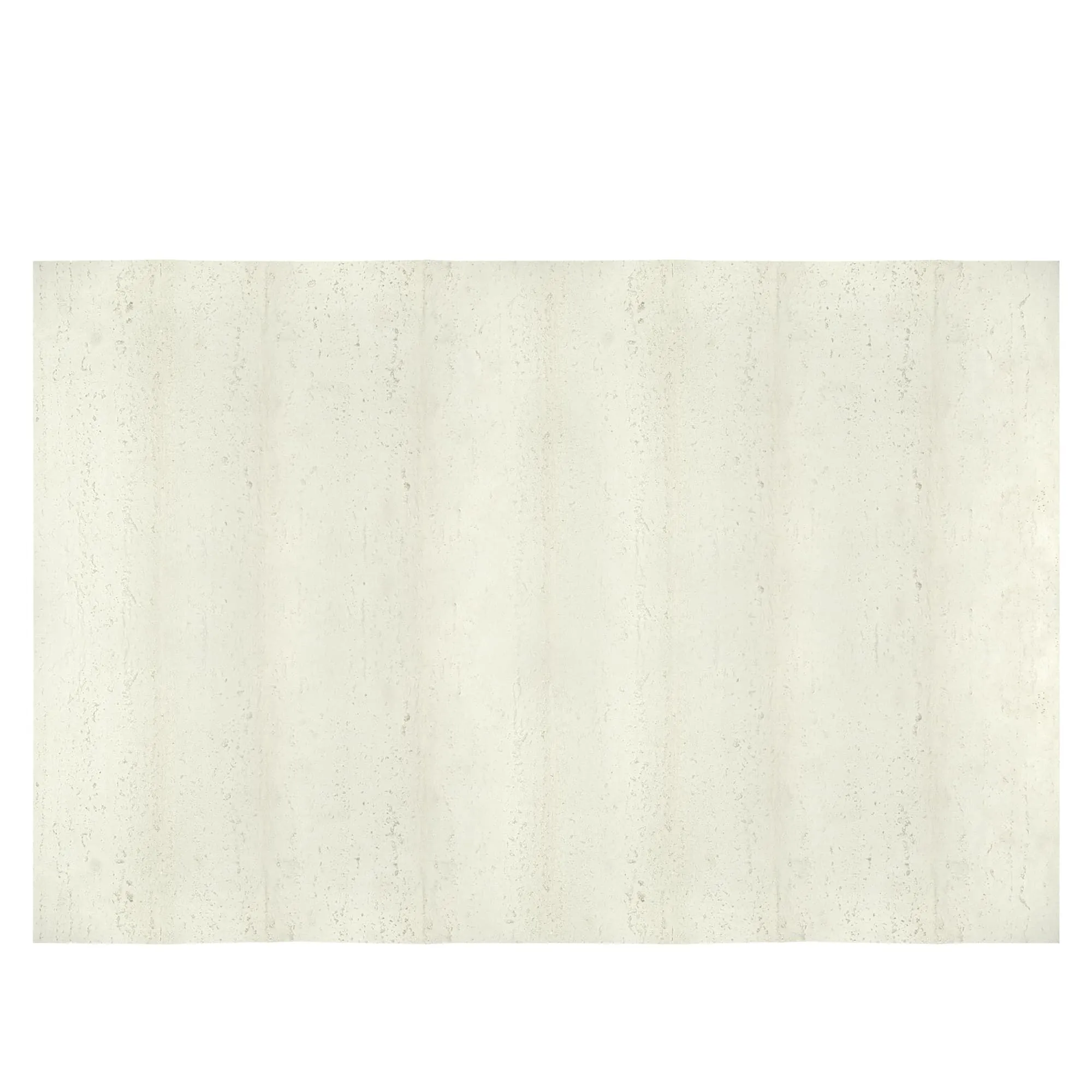
For Serenity Heights, a luxury residential complex aiming for BREEAM Excellent certification, the focus was on creating a community that felt connected to nature. MCM flexible stone in "Travertine (Starry Green)" was used for the exterior walls, mimicking the look of natural travertine quarried from Italy but without the environmental cost of importing. The flexible stone was also used on curved balconies, where rigid materials would have been impossible to install without excessive cutting. Inside, fair-faced concrete panels in "Concrete Board (Light Grey)" added an industrial-chic vibe while contributing to low-VOC indoor air quality. Residents raved about the "warm, earthy feel" of the buildings, and the developer noted that the use of COLORIA's materials helped them secure a 15% higher occupancy rate due to the green certification appeal.
At the end of the day, building sustainably isn't about choosing between beauty and the planet—it's about finding partners who refuse to let you choose. COLORIA GROUP does exactly that by offering MCM products that are as kind to the environment as they are stunning to look at. From wave panels that dance with light to flexible stone that hugs historic curves, from 3D-printed artistry to low-carbon concrete, their one-stop approach takes the stress out of green building. It's not just about selling materials; it's about empowering architects, developers, and dreamers to build a world where every wall tells a story of innovation, responsibility, and respect for the earth.
So, whether you're designing a skyscraper chasing LEED Platinum or a small home aiming for a lower carbon footprint, remember: the walls you choose matter. They're not just part of a building—they're part of a movement. And with COLORIA's sustainable wave panels and MCM by your side, that movement just got a whole lot more beautiful.
Recommend Products











