

In the grand theater of modern architecture, the facade is the main stage. It's the first impression, the protective shield, and the ultimate expression of a building's character. But for too long, achieving a stunning exterior has come at a high cost—not just financially, but environmentally. Today, a new wave of innovation is washing over the construction industry, bringing with it materials that are not only beautiful and durable but also intelligent and kind to our planet. This is the story of that sustainable wave.
For centuries, architects and builders have relied on a trusted, yet limited, palette of materials for exterior walls. Think of the timeless elegance of natural stone, the clean lines of ceramic tiles, or the simple utility of paint and stucco. Each has its merits, but each also carries a significant burden. This is the dilemma we've faced: a constant trade-off between aesthetics, performance, and responsibility.
Let's talk about natural stone. There's no denying its majestic beauty. A marble or granite facade speaks of permanence and luxury. However, this luxury is quarried from the earth at great expense. The process involves heavy machinery, massive energy consumption, and significant disruption to natural landscapes. Once extracted, these immensely heavy slabs must be transported across continents, adding to their carbon footprint. On-site, installation is a labor-intensive, complex, and costly endeavor, requiring heavy-duty structural support, especially on high-rise buildings. The sheer weight of stone limits its application and adds immense pressure to a building's foundation.
Then there are ceramic and porcelain tiles. More affordable and lighter than stone, they became a popular choice for decades. Yet, they are not without their faults. The manufacturing process involves firing clay at extremely high temperatures, often exceeding 1200°C, a highly energy-intensive process. On the wall, they present a different set of challenges. Their rigid and brittle nature makes them susceptible to cracking under thermal stress or building settlement. In colder climates, water ingress can lead to freeze-thaw cycles that cause tiles to detach and fall, posing a serious safety hazard in public spaces. The endless grid of grout lines also requires regular maintenance to prevent staining and deterioration.
What about simpler finishes like paint and stucco? While being the most budget-friendly upfront, they often prove costly in the long run. They are the least durable option, highly susceptible to weathering, fading from UV exposure, cracking, and peeling. This necessitates a frequent and costly cycle of repainting and repair, which involves more materials, labor, and often, the release of Volatile Organic Compounds (VOCs) into the atmosphere. They offer texture and color, but lack the sophisticated depth and durability that define premium architecture.
This is the landscape that visionary companies like COLORIA GROUP surveyed and sought to change. With decades of experience in the global building materials market, they understood that the future demanded a better solution—a material that could deliver the beauty of stone, the versatility of paint, and the performance of high-tech composites, all within a sustainable framework. The answer was found not in reinventing the wheel, but in intelligently re-engineering its core components.
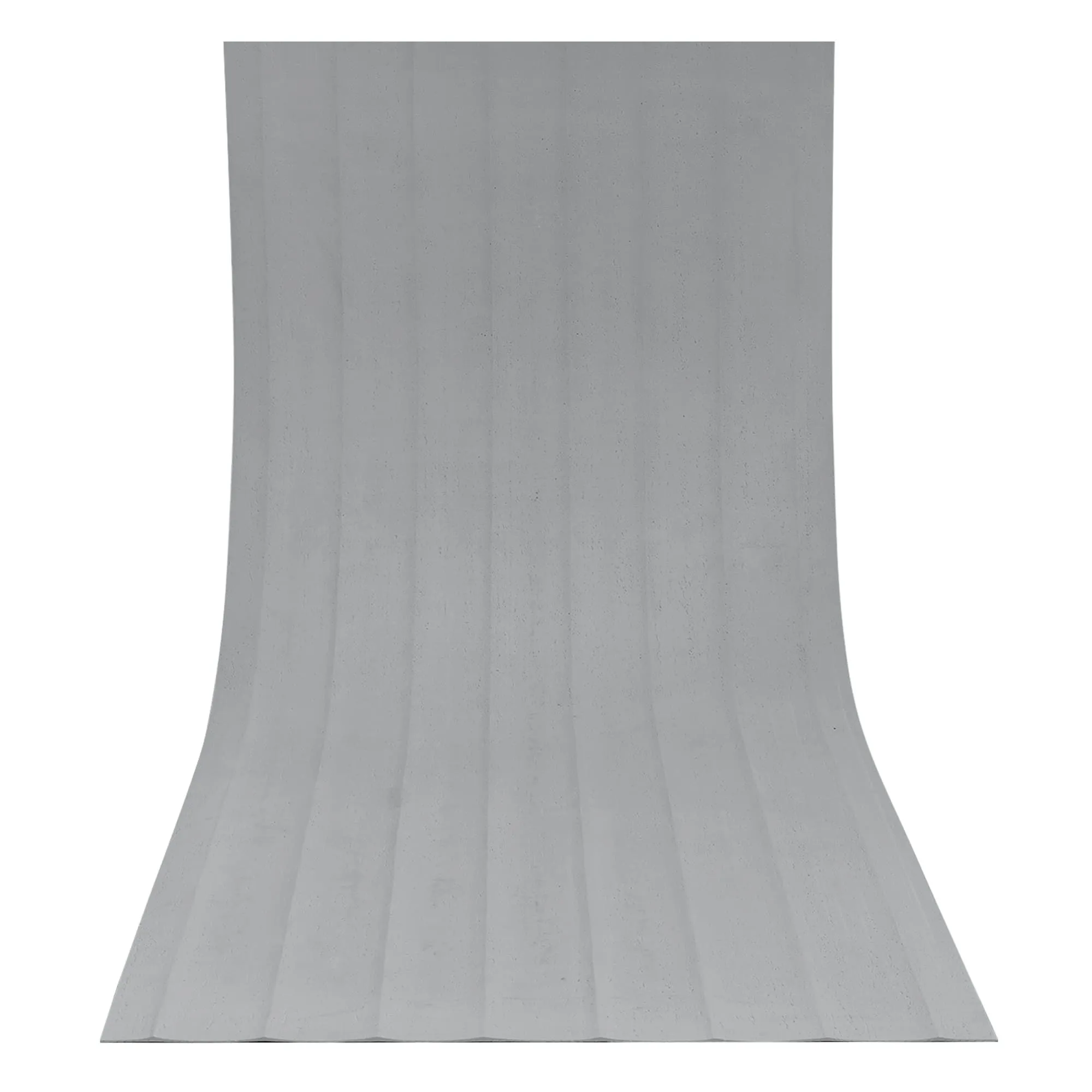
Enter MCM, or Modified Cementitious Material. The name might sound technical, but the concept is beautifully simple and revolutionary. Imagine taking the most basic, abundant materials on earth—natural mineral powders, stone dust, sand, and other inorganic components—and using cutting-edge technology to transform them. It's a process of molecular modification, where these raw materials are mixed and then cured at a relatively low temperature (around 400°C). This low-energy process stands in stark contrast to the kilns of the ceramic industry, immediately slashing the carbon footprint of production by a significant margin.
The result of this process is a material that feels like a paradox. It's incredibly lightweight, yet strong and durable. It's solid, yet flexible enough to be bent around curves. It can perfectly replicate the look and feel of natural materials like travertine, slate, and wood, yet it's engineered for superior performance. As a pioneering one-stop solution provider, COLORIA GROUP has harnessed this technology to create a portfolio of products that are redefining the possibilities for exterior walls.
The core advantages of MCM technology are transformative:
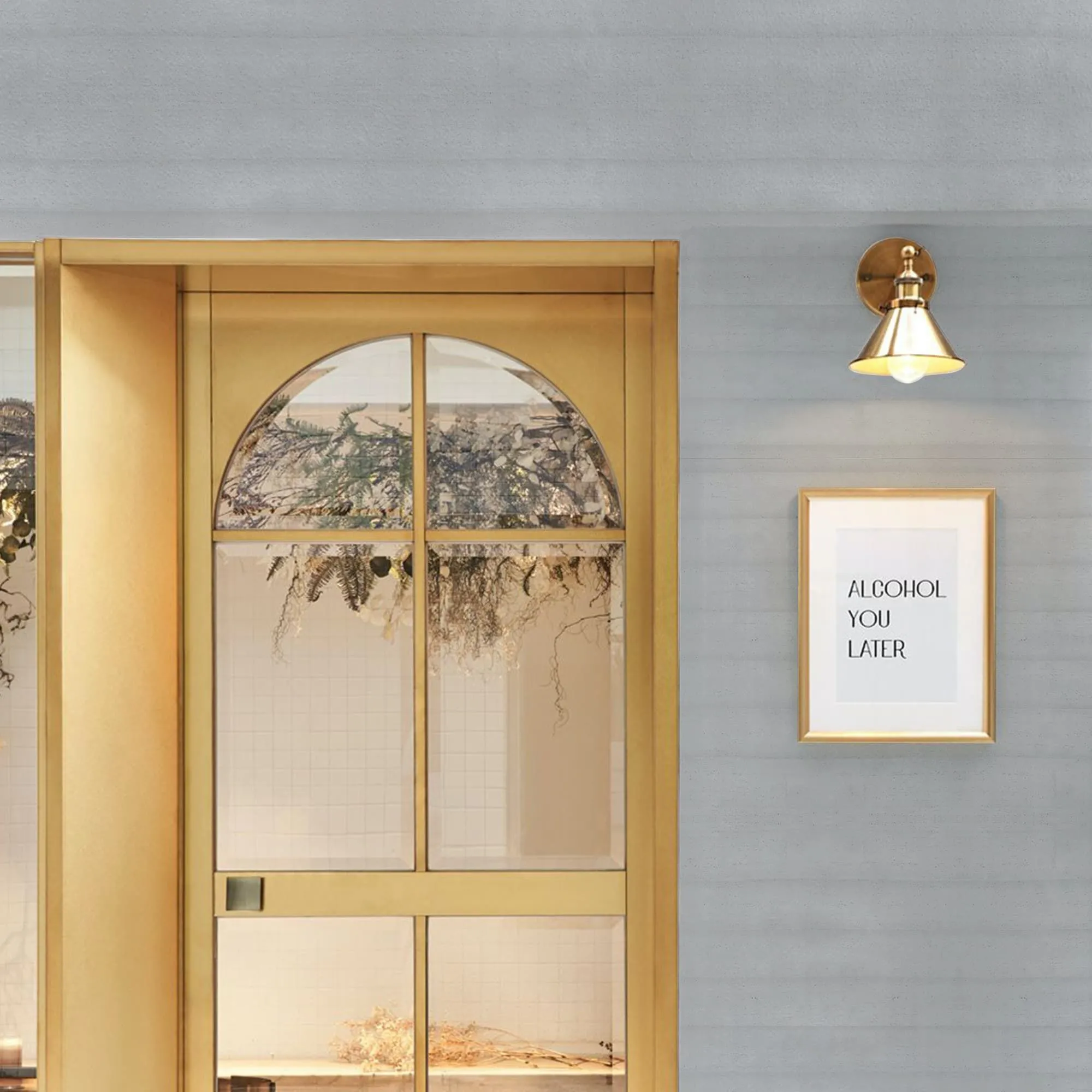
Understanding the power of MCM is one thing; seeing how it's applied is another. COLORIA GROUP has channeled this technology into a diverse range of product series, each designed to meet specific architectural needs and creative ambitions. From grand, monolithic facades to intricately detailed custom art pieces, these collections provide architects and designers with an unparalleled toolkit.
For those who dream of vast, unbroken surfaces that exude modern sophistication, the MCM Big Slab Board Series is the definitive answer. These large-format panels are designed to create a powerful visual impact, minimizing joint lines for a clean, seamless, and monolithic appearance. Imagine the facade of a corporate headquarters or a luxury hotel clad in panels that mimic large cuts of Calacatta marble or smooth, architectural concrete, but without the weight, cost, and installation nightmares associated with the real thing.
The reduction in joints is not just an aesthetic benefit; it's a functional one. Fewer seams mean fewer potential points for water ingress, leading to a more robust and weather-tight building envelope. Installation is also dramatically accelerated. A single large slab can cover an area that would require dozens of smaller tiles, reducing labor time and costs significantly. The MCM Big Slab Board Series allows for the creation of truly monumental architecture that is both breathtaking and practical, a testament to how smart material science can elevate design. It represents the pinnacle of clean, contemporary facade design.
If the Big Slab series is about grand statements, then the MCM Flexible Stone series is about creative liberation. This is where the true "magic" of MCM becomes tangible. This product line delivers the authentic texture, grain, and subtle color variations of natural stone—from rugged slate to warm travertine—in an ultra-thin, lightweight, and pliable sheet. It looks like stone, it feels like stone, but it behaves in a way that stone never could.
Architects are using MCM Flexible Stone to clad features that were once impossible to cover with traditional masonry. Think of sweeping curved walls, grand archways, and cylindrical columns wrapped seamlessly in a stone finish. The material can be easily cut on-site with a simple utility knife and applied using a specially formulated adhesive, almost like a high-performance wallpaper. This simplicity makes it a game-changer for renovation projects. Old, tired facades made of concrete, brick, or stucco can be instantly transformed and modernized by applying a layer of MCM Flexible Stone directly over the existing surface, saving on the cost, waste, and disruption of demolition. Its ability to effortlessly navigate corners and contours makes detailing work precise and beautiful, eliminating the need for bulky and often mismatched corner pieces.
This is where technology and artistry converge. The MCM 3D Printing Series takes customization to an entirely new level, moving beyond texture replication into the realm of bespoke three-dimensional form. Leveraging digital design and advanced molding techniques, COLORIA GROUP can translate virtually any pattern, design, or artistic concept into a tangible, textured wall panel.
The possibilities are limited only by the imagination. A hotel chain can embed a subtle, repeating logo into the exterior walls of its buildings. A museum can feature a facade with a bas-relief pattern that hints at the art within. An office building can have an entrance lobby with a dynamic, wave-like feature wall that creates a sense of movement and energy. The MCM 3D Printing Series empowers architects to create buildings that are not just structures, but unique pieces of art that tell a story. This level of personalization allows for unparalleled brand expression in commercial architecture and a deep sense of identity in residential projects. It transforms the wall from a passive backdrop into an active, expressive element of the design.
While innovation often steals the spotlight, the true measure of a building material is its performance in large-scale, everyday applications. The MCM Project Board Series is the reliable workhorse of the COLORIA GROUP lineup, engineered to deliver exceptional performance, consistency, and cost-effectiveness for a wide range of projects. This includes sprawling residential complexes, public schools, hospitals, and commercial developments where durability, safety, and budget are paramount.
This series offers a broad palette of standard colors and textures—such as classic brick, split-face stone, and smooth finishes—that meet the demands of most architectural styles. By focusing on high-volume, high-performance solutions, the Project Board Series makes the benefits of MCM technology accessible to a wider market. It helps developers and builders meet stringent safety codes with its A-class fire rating and achieve green building certifications, like LEED, thanks to its sustainable properties. It's the practical, intelligent choice for building the durable, safe, and efficient cities of the future.
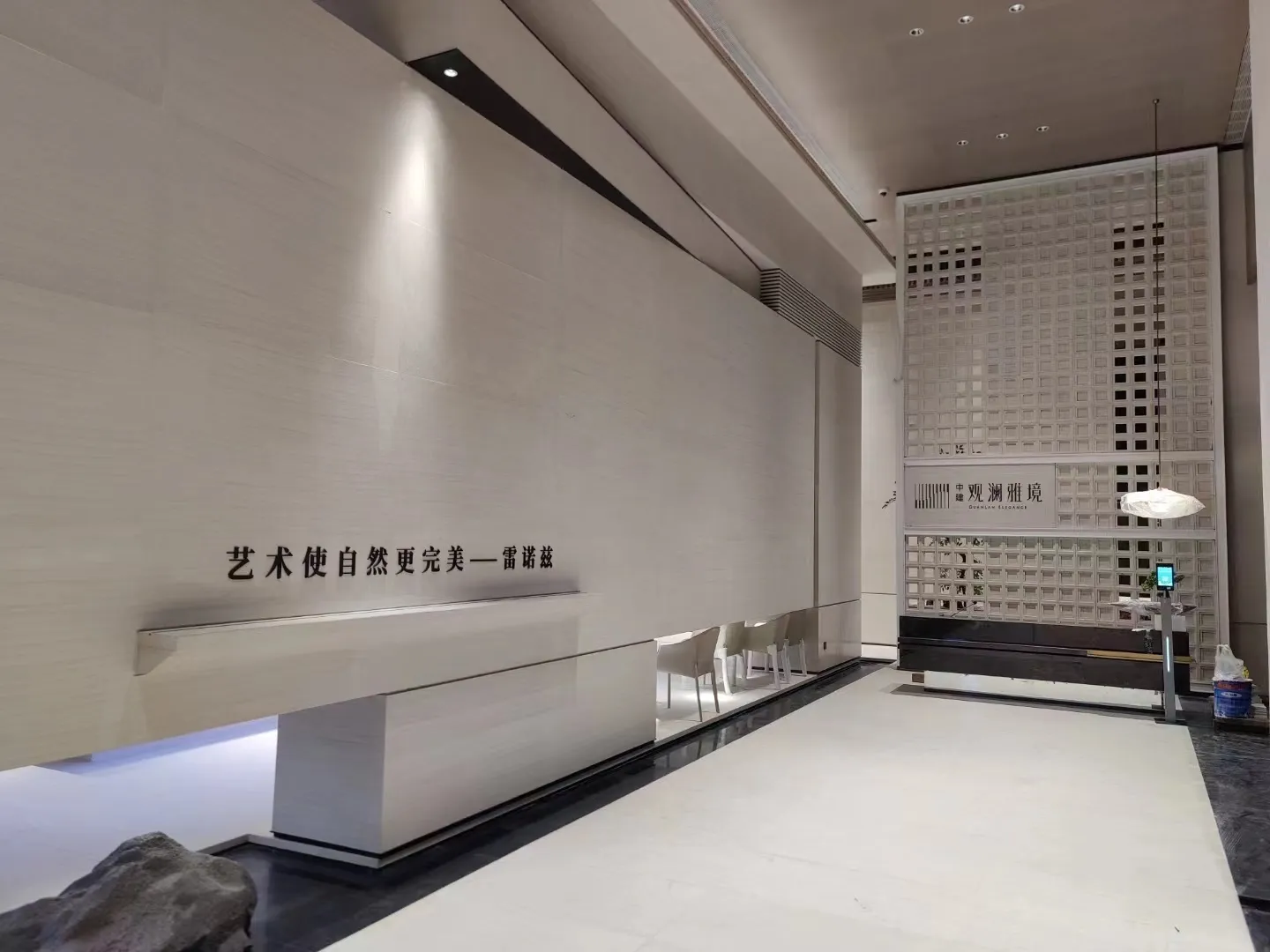
To truly appreciate the leap forward that MCM represents, it helps to see a direct comparison. Buzzwords like "eco-friendly" and "sustainable" are common in marketing, but the data behind MCM tells a clear and compelling story. Let's break down how MCM materials from COLORIA GROUP stack up against their traditional counterparts.
| Feature | MCM Materials (COLORIA GROUP) | Natural Stone | Ceramic / Porcelain Tile | Exterior Paint / Stucco |
|---|---|---|---|---|
| Weight | Extremely light (4-6 kg/m²). Reduces structural load and transport costs. | Extremely heavy (40-80 kg/m²). Requires significant structural reinforcement. | Heavy (15-25 kg/m²). Adds considerable weight to the structure. | Negligible weight. |
| Flexibility | Highly flexible. Can wrap around curves, columns, and complex shapes. | Zero flexibility. Completely rigid and brittle. | Zero flexibility. Rigid and prone to cracking under stress. | Applied as a liquid, but the dried film can crack. |
| Installation | Fast and simple. Can be cut with a knife and applied with adhesive. Low labor cost. | Slow, complex, and expensive. Requires heavy machinery and specialized labor. | Moderately complex. Requires precise setting, grouting, and skilled labor. | Relatively simple application, but requires surface preparation and multiple coats. |
| Carbon Footprint | Low. Made from natural/recycled minerals with low-temperature production. | Very High. Energy-intensive quarrying, processing, and long-distance transport. | High. Requires firing at very high temperatures (>1200°C). | Moderate. Manufacturing and potential for VOC release. Frequent reapplication increases footprint. |
| Durability & Safety | Excellent. A-class fire rated, waterproof, freeze-thaw resistant, impact resistant. | Very durable but can be brittle. Very heavy, posing a risk if it detaches. | Brittle. Can crack and fall, posing a safety hazard. Grout lines require maintenance. | Low durability. Prone to cracking, fading, and peeling. Requires frequent maintenance. |
| Design Freedom | Virtually limitless. Can replicate any texture and be formed into 3D shapes. | Limited by what can be quarried and cut. Textures are natural but not customizable. | Limited to flat tiles and printed patterns. Grout lines are unavoidable. | Limited to color and light texture. Lacks depth and premium feel. |
This table makes the advantages clear. MCM isn't just a marginal improvement; it's a fundamental shift in how we think about building materials. It resolves the core conflicts of the past, offering a solution that doesn't compromise on beauty, performance, or environmental responsibility.
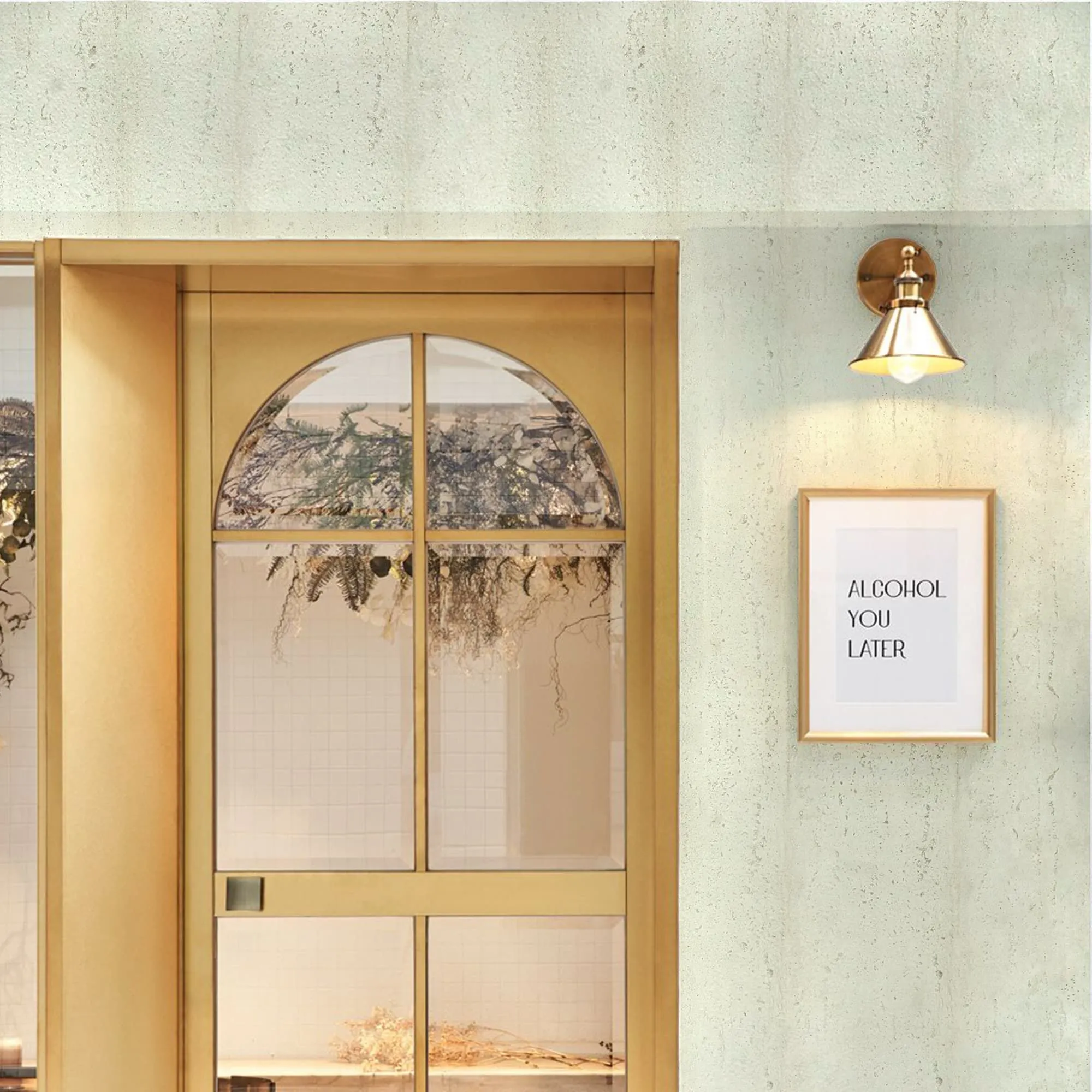
The wave of sustainable innovation isn't confined to one region. As a global one-stop solution provider, COLORIA GROUP is bringing this revolutionary technology to projects all around the world. With an established presence in diverse markets, including a dedicated agency in Saudi Arabia, they have demonstrated the adaptability and universal appeal of MCM materials. From the hot, arid climates of the Middle East to the freeze-thaw cycles of colder regions, MCM facades are proving their resilience and performance.
This global perspective is crucial. It ensures that the materials are tested and proven under the most demanding conditions, and it reflects a commitment to sharing sustainable solutions on a worldwide scale. By partnering with architects, developers, and builders internationally, COLORIA GROUP is not just selling a product; it is helping to build a global community dedicated to better, smarter, and more sustainable construction practices.
The future of our cities is being written on their walls. For too long, the story has been one of compromise. Today, a new chapter begins. The sustainable wave, powered by materials like MCM, is here. It's a wave of creativity, performance, and responsibility. It's cladding our buildings in facades that are as intelligent as they are inspiring, proving that the most beautiful architectural statements can also be the kindest to our planet. The choice is no longer between style and substance; it's about embracing a future where they are one and the same.
Recommend Products











