

Cities are more than just clusters of buildings—they're living, breathing ecosystems where people work, connect, and find joy in everyday moments. As we race toward smarter urban futures, one question keeps coming up: How can our buildings do more than just stand there? They should save energy, reduce waste, and maybe even make us smile when we walk by. That's where materials like MCM (Modified Cementitious Material) come in, and today, we're diving into how one of its stars—Wave Panels—along with innovations like flexible stone and 3D printing, is redefining what "sustainable architecture" really means for smart cities.
Think about the last time you walked through a modern city. Chances are, you noticed the glass skyscrapers, the sleek subway stations, maybe a public square with unique art installations. But behind those visuals are choices—choices about what those buildings are made of. Traditional materials like concrete and natural stone have been workhorses for centuries, but they come with a heavy footprint: tons of CO2 from cement production, energy-guzzling transportation, and waste that piles up when buildings are renovated or torn down.
Smart cities aren't just about apps and sensors; they're about systems that work in harmony with the planet. That's why architects and developers are now hunting for materials that check three boxes: low environmental impact , design flexibility , and long-term durability . And that's exactly where MCM steps into the spotlight.
Developed by COLORIA GROUP, MCM isn't your average building material. It's a modified cementitious composite that takes the best of traditional cement—strength, fire resistance—and gives it a green makeover. By tweaking the mix with recycled materials and advanced binders, MCM slashes the need for raw cement (a major CO2 culprit) while keeping the structural integrity we need. But what really makes it exciting is how it marries sustainability with creativity, especially in products like Wave Panels, flexible stone, and 3D-printed elements.
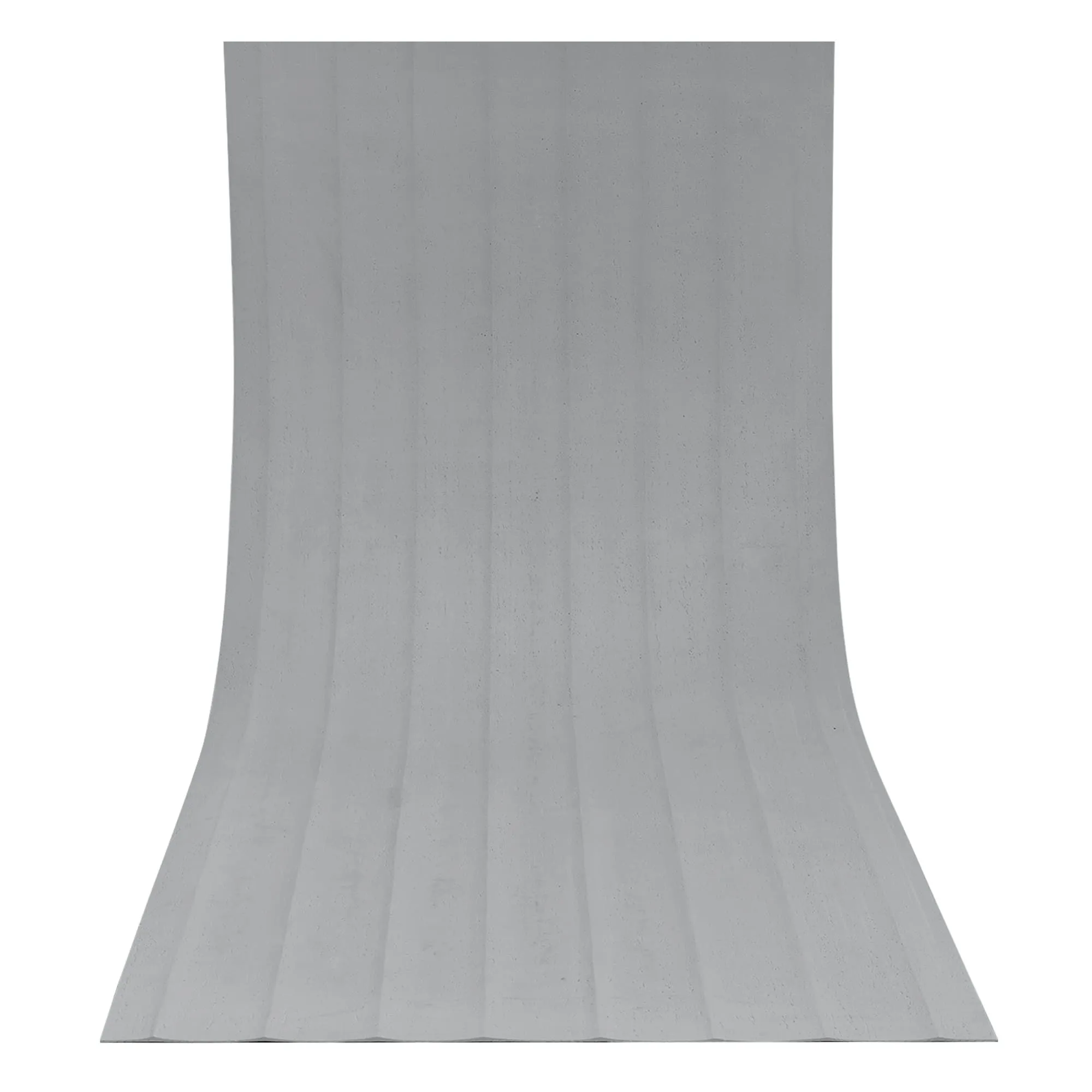
If you've ever stood by the ocean and watched waves roll in, you know there's something calming about that rhythm. Now imagine bringing that feeling to a city street—without the saltwater. That's the idea behind Wave Panels, a standout product in COLORIA's MCM lineup. These aren't just flat slabs; they're engineered with gentle, flowing textures that mimic natural wave patterns, turning ordinary walls into visual experiences.
What makes Wave Panels a hit for smart cities? Let's start with weight. Traditional stone cladding can weigh up to 30kg per square meter, which means buildings need beefed-up structures to support them—and that adds to construction costs and carbon emissions. Wave Panels, being MCM-based, clock in at just 8-12kg/m². That's light enough to be installed on existing buildings without major retrofits, saving time and money during renovations.
Then there's the installation process. Anyone who's worked on a construction site knows that time is money, and waste is a constant headache. Wave Panels come in large, pre-finished sheets that lock together easily, cutting down on labor hours. And since they're factory-made to precise measurements, there's almost no on-site cutting—so less dust, less noise, and way less material tossed in the dumpster.
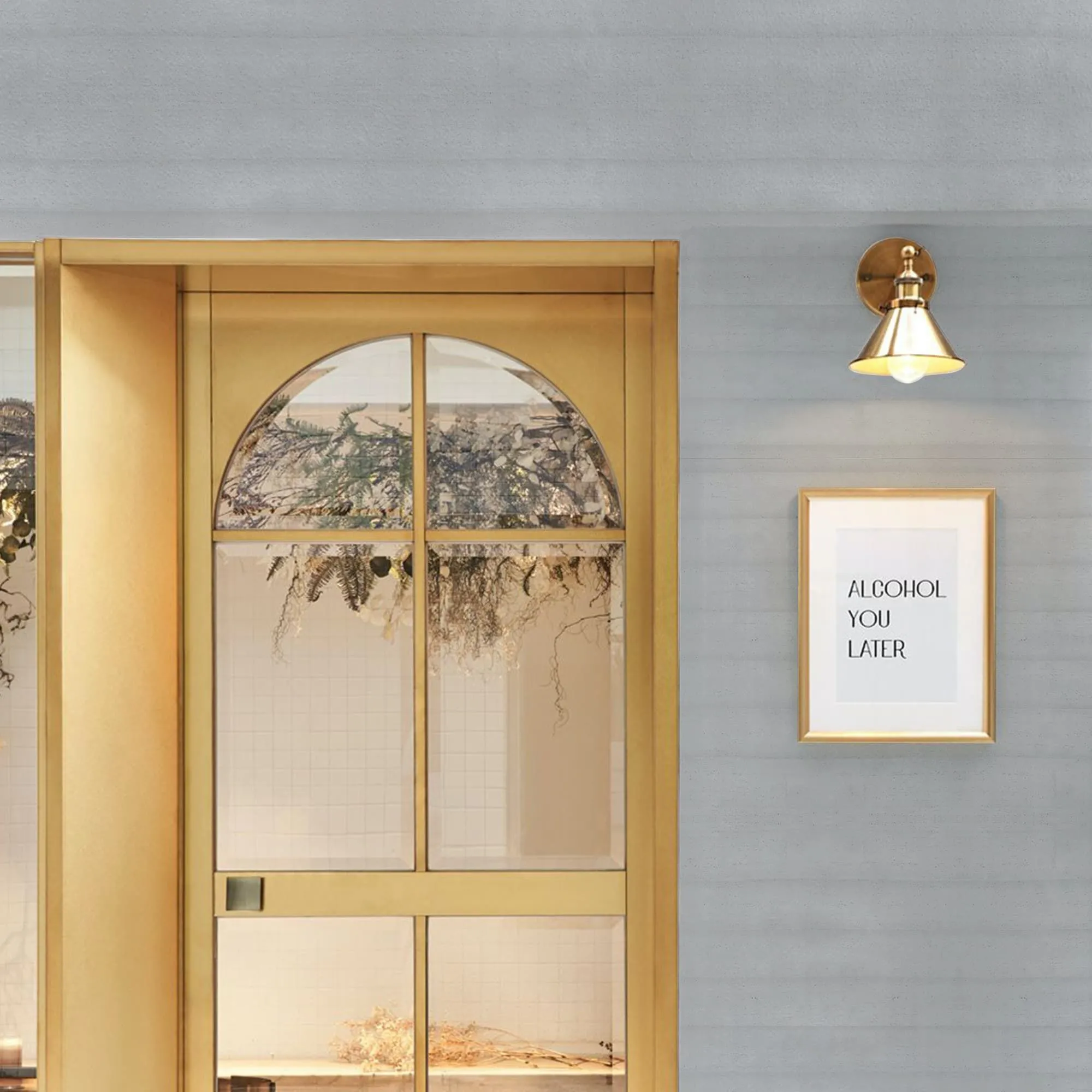
But let's circle back to that "smile factor." In Seoul, a recent transit hub renovation used Wave Panels in a soft beige tone (think lime stone (beige) with subtle wave textures) on the exterior. Commuters now stop to take photos, kids run their hands over the smooth, rippled surface, and the building has become a landmark. It's proof that sustainability and beauty don't have to be enemies—they can be partners.
Wave Panels are just the start. COLORIA's MCM lineup has two more aces up its sleeve: Flexible Stone and 3D Printing Series. Let's break them down—because in smart cities, one size never fits all.
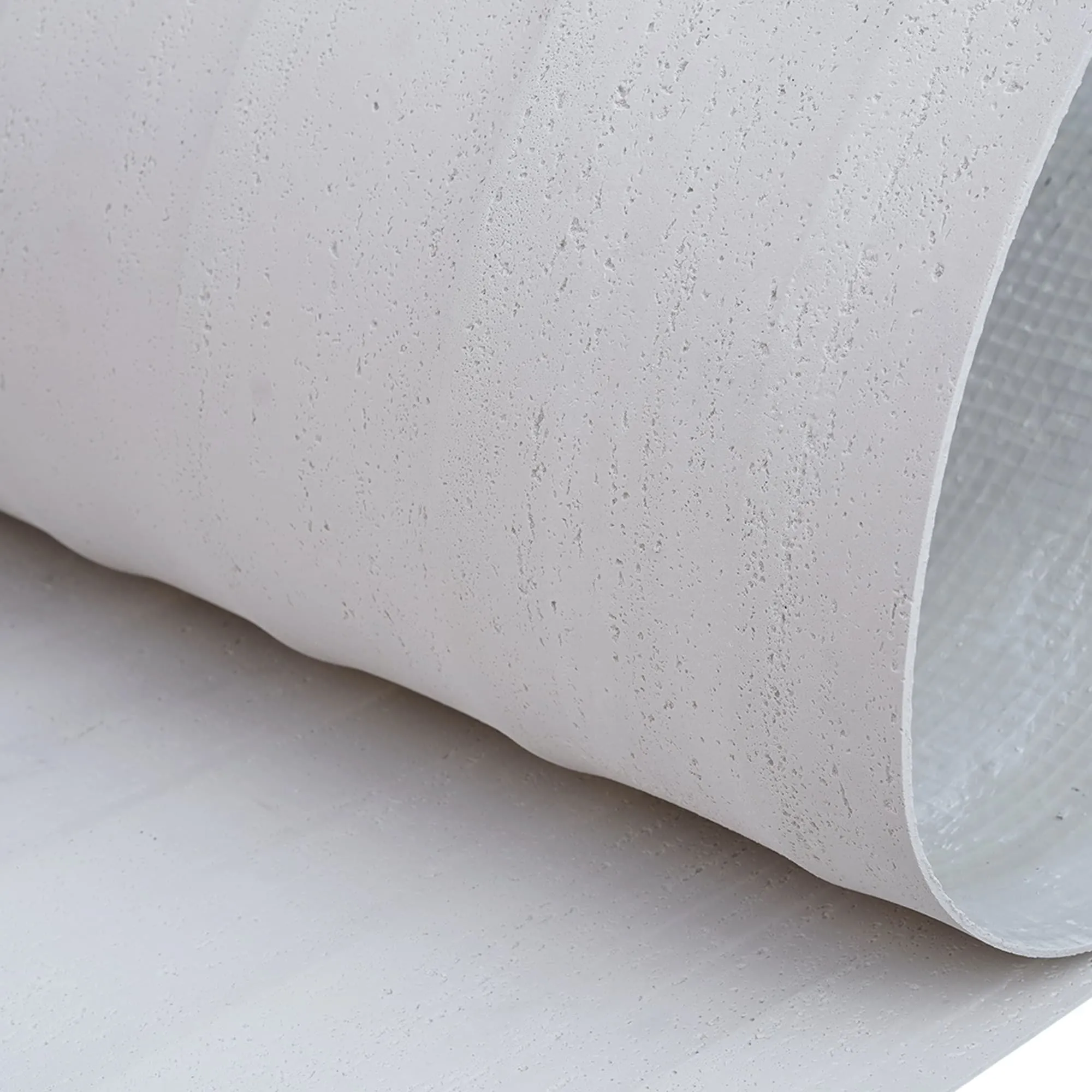
Ever seen a building with curved walls or organic, flowing shapes? Beautiful, right? But traditional rigid materials like brick or concrete make those designs a nightmare—expensive, time-consuming, and often wasteful. Enter MCM Flexible Stone. As the name suggests, this stuff bends. Not like rubber, but enough to wrap around columns, archways, or even dome ceilings without cracking.
How does it work? The secret is in the MCM matrix, which is reinforced with fibers that add flexibility without sacrificing strength. It's thin—usually 3-5mm thick—and lightweight, so it can be rolled up for transport (no more bulky crates!) and installed with minimal tools. For a recent museum in Dubai with a wave-shaped facade, using Flexible Stone cut transportation costs by 40% and shaved two weeks off the construction timeline. Plus, it comes in finishes that mimic everything from rustic slate to polished marble, so architects don't have to choose between form and function.
3D printing isn't just for small trinkets anymore. In construction, it's a game-changer for reducing waste—because you only print what you need. COLORIA's MCM 3D Printing Series takes this a step further by using their eco-friendly MCM mix as "ink." Imagine designing a decorative panel with intricate patterns, then printing it on-site with zero molds or excess material. That's the reality here.
Take, for example, a public park pavilion in Singapore. The design called for a ceiling with leaf-inspired cutouts to let in dappled light. With traditional methods, that would mean carving each piece by hand or creating custom molds—both expensive and wasteful. Instead, the team used MCM 3D printing to produce each panel in hours, recycling any leftover material from one print into the next. The result? A unique, nature-inspired space that cost 30% less than originally budgeted.
We've talked a lot about the "why" of MCM, but let's get concrete (pun intended) with the "how much better." The table below compares MCM products like Wave Panels and Flexible Stone with traditional building materials on key sustainability metrics. Spoiler: It's not even close.
| Metric | Traditional Natural Stone | Standard Concrete Cladding | MCM Wave Panels | MCM Flexible Stone |
|---|---|---|---|---|
| Weight (kg/m²) | 25-30 | 20-25 | 8-12 | 5-8 |
| CO2 Emissions (kg/m² produced) | 18-22 | 12-15 | 4-6 | 3-5 |
| Installation Time (m²/day per worker) | 8-10 | 10-12 | 20-25 | 25-30 |
| Recyclability at End of Life | Low (often landfilled) | Medium (crushed for aggregate) | High (100% recyclable into new MCM) | High (100% recyclable into new MCM) |
| Design Flexibility | Low (limited shapes, heavy) | Medium (moldable but rigid) | High (custom textures, large formats) | Very High (bendable, curved surfaces) |
These numbers aren't just stats—they translate to real-world impact. A 10,000m² commercial building using MCM Wave Panels instead of traditional stone would cut CO2 emissions by over 140 tons during construction alone. That's like taking 30 cars off the road for a year. And when the building is eventually renovated decades later, that MCM can be ground up and reused in new panels, closing the loop on waste.
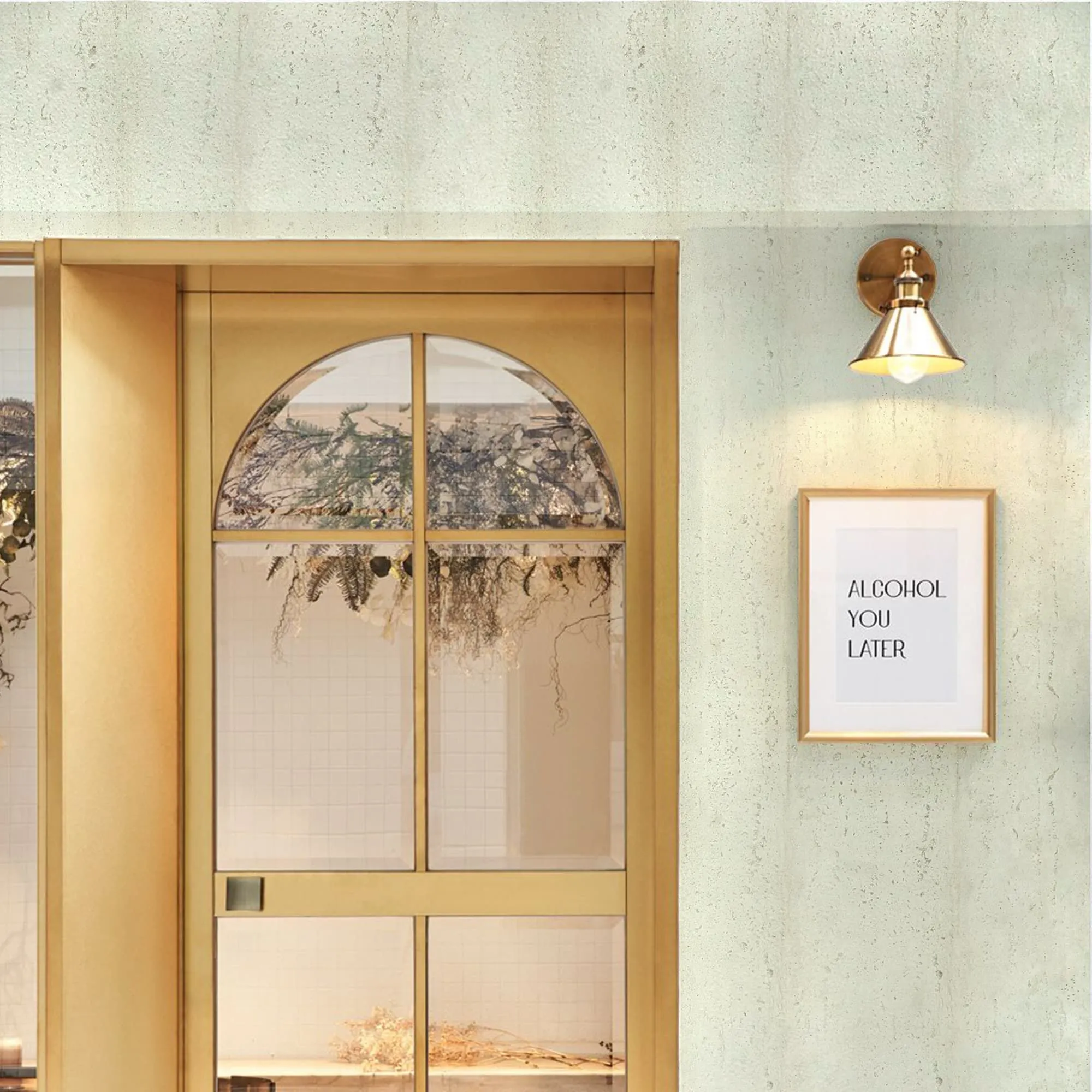
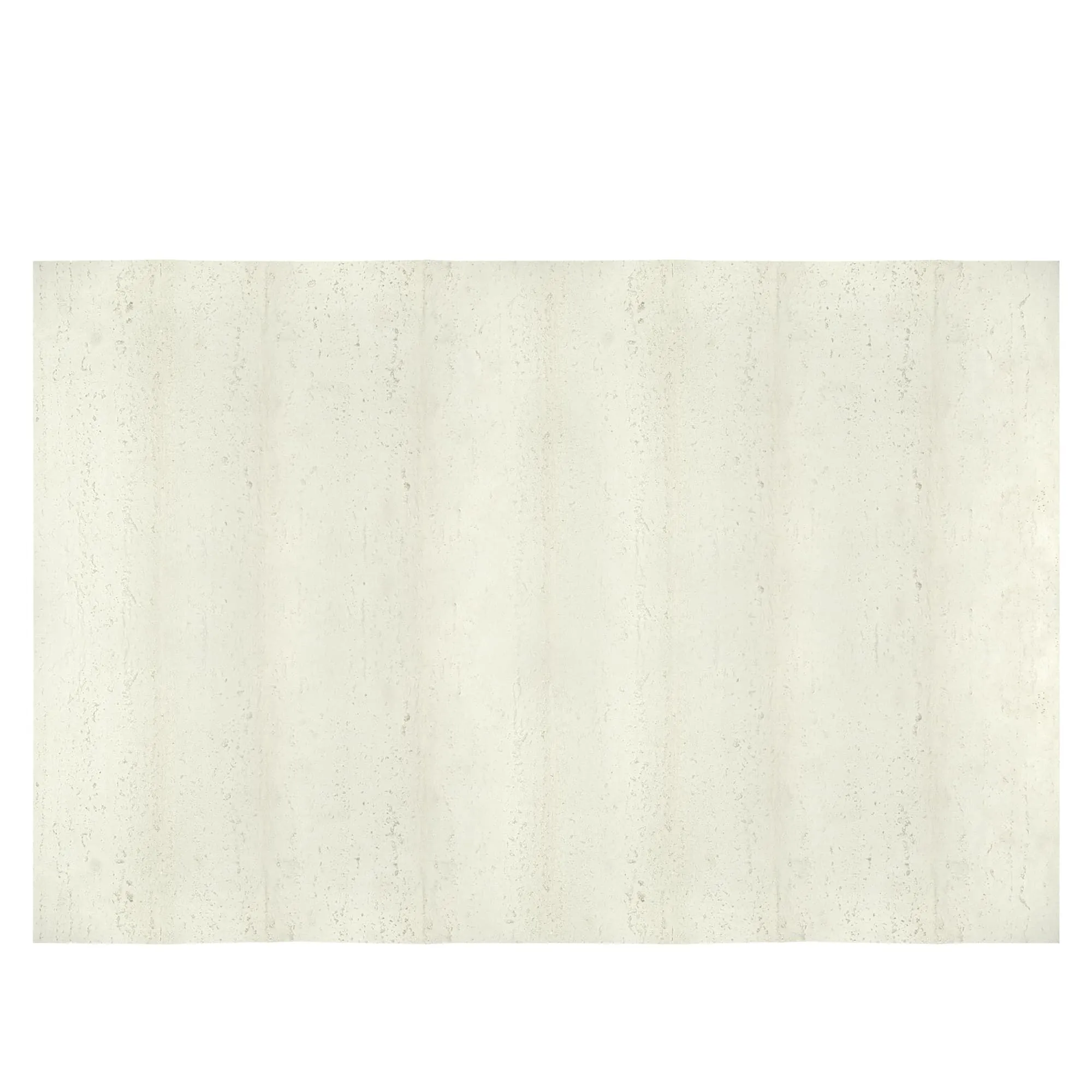
Enough theory—let's talk about places where MCM is already making a difference. Take the King Abdullah Financial District in Riyadh, Saudi Arabia, where COLORIA's MCM Big Slab Board Series was chosen for a 40-story office tower. The client wanted a modern look with minimal environmental impact, so the design team went with large-format slabs (up to 1.2m x 2.4m) in a warm travertine (starry green) finish. The result? A building that stands out in the skyline with its subtle, star-like shimmer, while the lightweight MCM slabs reduced the building's structural load by 25%—meaning smaller foundations and less concrete overall.
Closer to home, a residential complex in Beijing used MCM Flexible Stone for its curved balcony railings. The developer wanted to create a "soft" aesthetic that felt less industrial, so they opted for a muretto stone (light grey) finish that mimics weathered stone. Because the Flexible Stone could bend to the railings' curves, there was no need for expensive custom metalwork, and installation took half the time of traditional stone. Residents now love leaning on those railings, saying they feel "warmer" than cold metal or concrete.
So, where do we go from here? As cities get smarter, their buildings will need to do more: generate energy, purify air, maybe even adapt to changing weather. MCM is already evolving to meet those needs. Imagine Wave Panels with integrated solar cells, or 3D-printed MCM elements that double as rainwater collectors. COLORIA's R&D team is even experimenting with adding phase-change materials to MCM mixes, which could help buildings regulate temperature naturally, reducing the need for AC and heating.
But maybe the most exciting part is how accessible this innovation is. MCM isn't a "luxury" material reserved for skyscrapers—it's for schools, hospitals, community centers, and even affordable housing. Because when sustainability and good design are available to everyone, that's when cities truly become smart.
At the end of the day, sustainable building materials aren't just about saving the planet—they're about saving our quality of life. When we choose materials like MCM Wave Panels, Flexible Stone, or 3D-printed elements, we're choosing buildings that don't drain resources, that adapt to how we live, and that maybe even make us pause and appreciate the little details—a wave-like texture, a starry green shimmer, a curved wall that feels like a hug.
Smart cities are coming, and they need materials that are as innovative, flexible, and forward-thinking as the people who live in them. MCM isn't just a solution for today—it's a foundation for tomorrow. And that, more than anything, is something worth building on.
Recommend Products











