
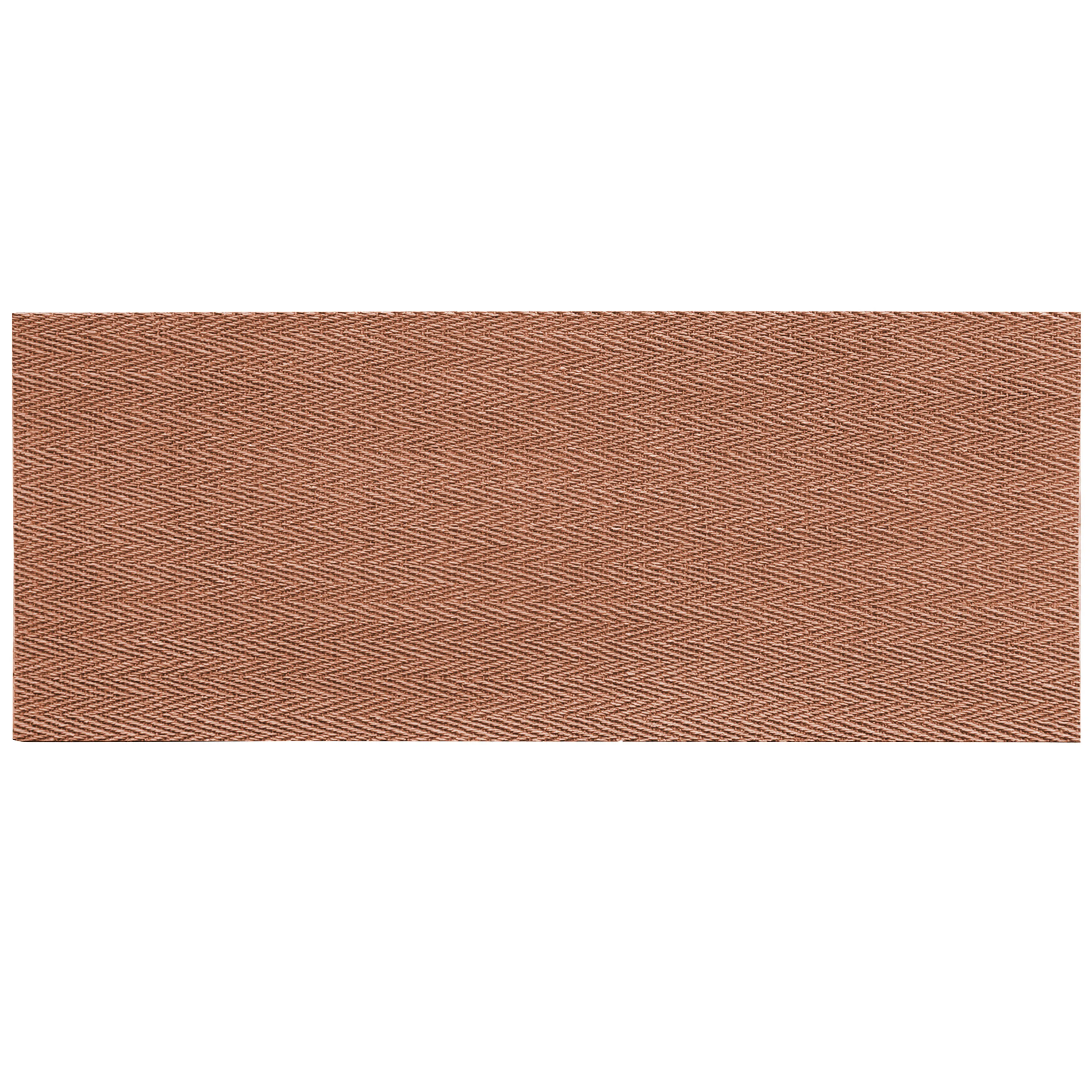
Crafting Spaces That Breathe Life—Where Sustainability Meets Timeless Design
Walk into any modern home or commercial space, and you'll notice a quiet shift. Gone are the days when design prioritized only aesthetics over impact; today, we crave spaces that tell a story—one of respect for the planet and care for the people who inhabit them. This is where Modified Composite Material (MCM) steps in, and at the heart of this revolution lies a gem: Weaving (Jacinth) MCM . More than just a building material, it's a bridge between human creativity and environmental responsibility, crafted to bring warmth, texture, and purpose to every wall, ceiling, and surface it touches.
MCM, short for Modified Composite Material, is redefining sustainable construction. Unlike traditional stone or wood, which often require intensive mining or logging, MCM blends recycled polymers, natural minerals, and advanced binders to create lightweight, durable panels that mimic the look and feel of natural materials—without the ecological cost. And among its many variants, Weaving (Jacinth) stands out as a testament to how sustainability can coexist with artistry. Its name alone evokes imagery: "weaving" hints at the intricate, fabric-like texture, while "jacinth"—a warm, honeyed reddish-orange—calls to mind sunsets and terracotta, grounding spaces in earthy comfort.
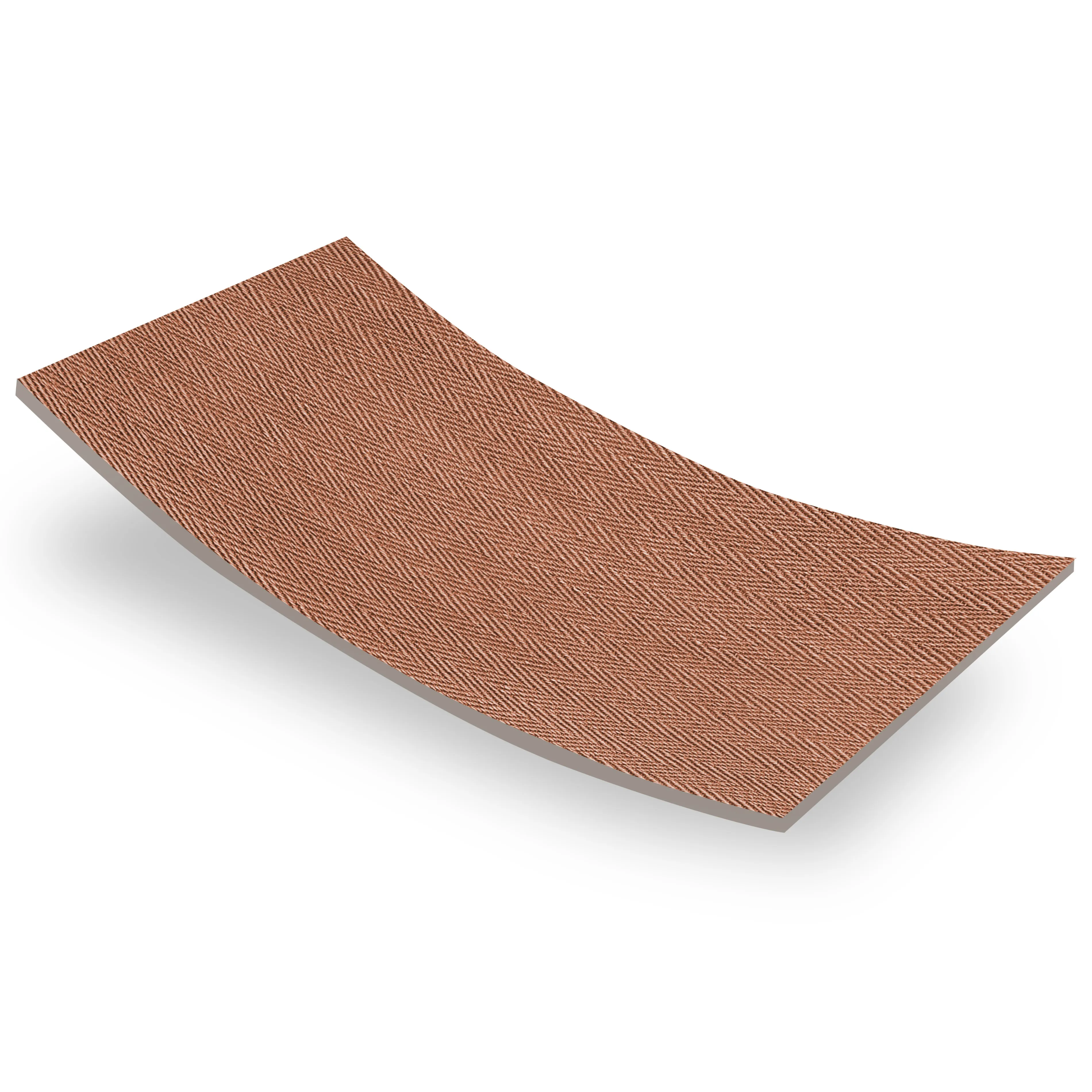
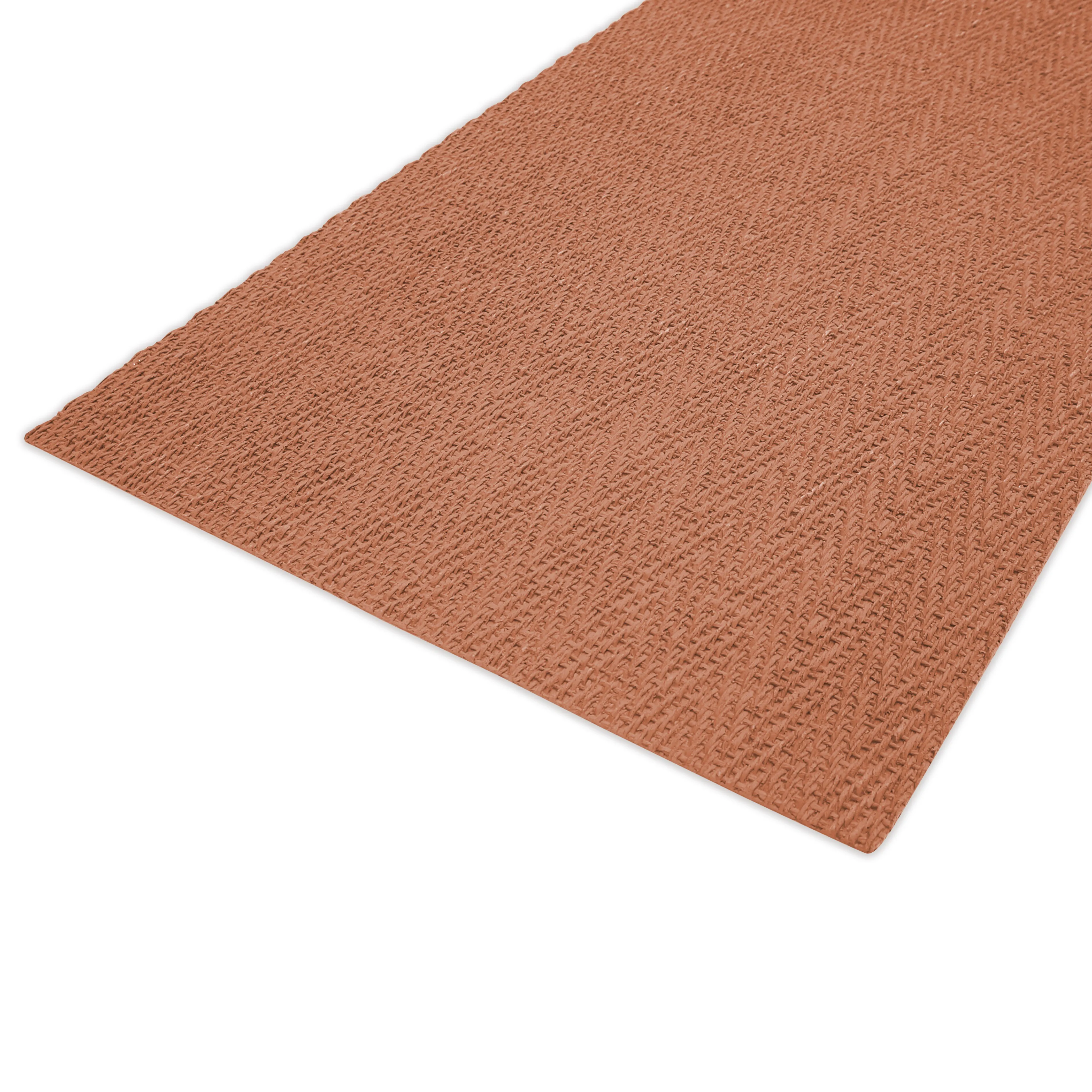
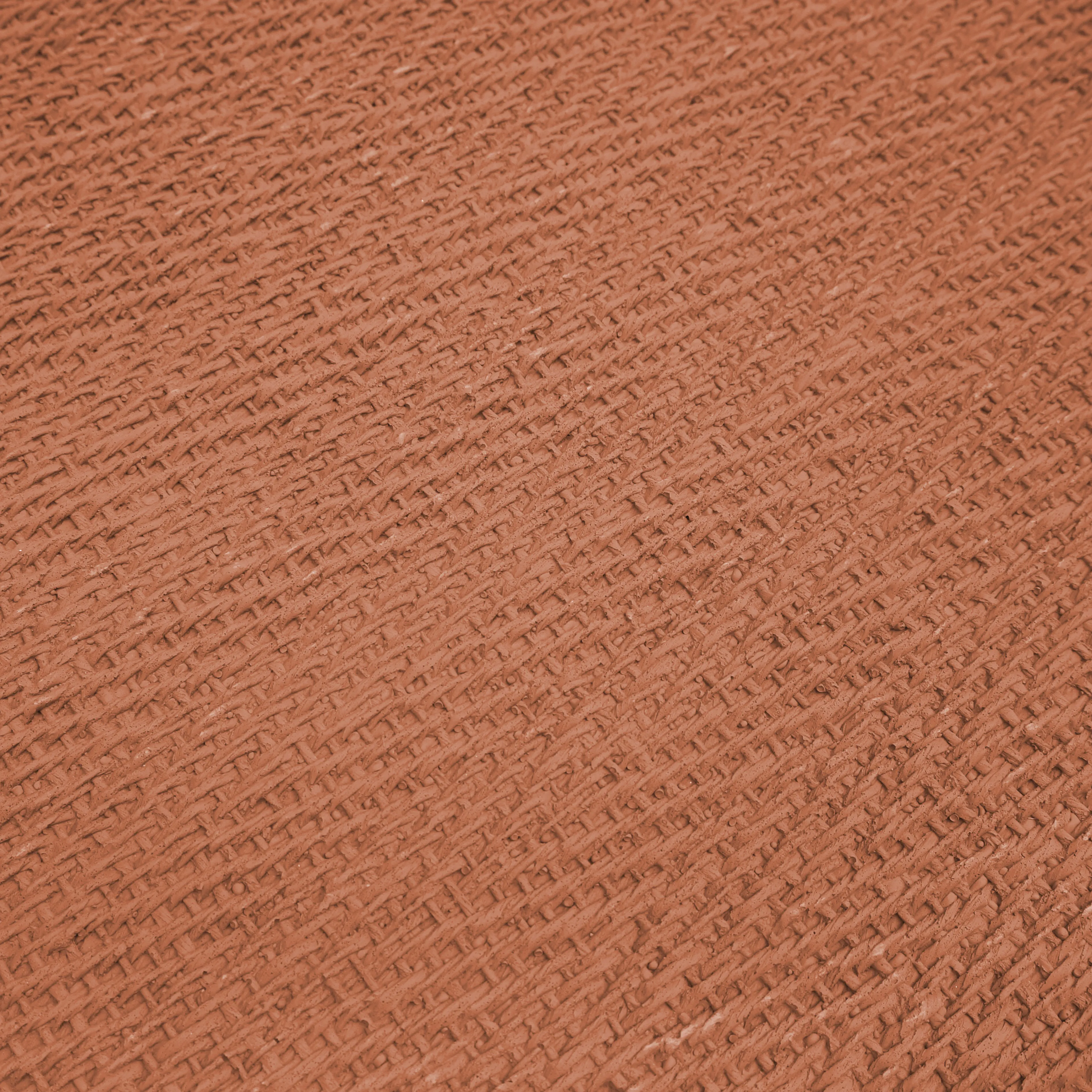
Run your hand over a Weaving (Jacinth) panel, and you'll feel the difference immediately. The surface isn't just flat—it's alive with texture. Mimicking the look of handwoven fabric, each panel features delicate, overlapping "threads" that catch light and shadow, creating depth that shifts throughout the day. The jacinth hue, a rich blend of terracotta and amber, adds warmth without overwhelming, making it perfect for spaces where you want to foster connection: a family room where stories are shared, a café where friends linger, or a workspace where creativity thrives.
What makes this texture so special? It's not just for show. The woven pattern isn't printed; it's molded into the panel during production, ensuring durability that resists scratches, fading, and wear. Whether used as an accent wall in a bedroom or as cladding for a restaurant facade, it holds up to the demands of daily life—proving that beauty and resilience can go hand in hand.
Sustainability isn't an afterthought for Weaving (Jacinth) MCM—it's baked into every step of its creation. Let's break it down: over 60% of its core is made from recycled materials , including post-consumer plastic bottles and industrial mineral waste, diverting tons of trash from landfills each year. Its production process uses 30% less energy than traditional ceramic tile manufacturing, and it emits zero volatile organic compounds (VOCs), ensuring indoor air quality stays pure for families, workers, and customers alike.
But the eco-impact doesn't stop at production. Weaving (Jacinth) panels are lightweight (just 4-6 kg per square meter), reducing transportation emissions and making installation easier—no heavy machinery required. And because they're resistant to moisture, mold, and fire, they last decades, cutting down on the need for frequent replacements. In a world where "fast design" often leads to waste, this material is a quiet rebel: built to endure, not to be discarded.
Weaving (Jacinth) MCM shines on its own, but its true magic unfolds when paired with other MCM variants. These materials share the same sustainable DNA but bring unique personalities to the table, letting designers craft layered, cohesive spaces. Let's explore a few standout companions:
| Material | Aesthetic Vibe | Best Paired With Weaving (Jacinth) For: | Sustainability Highlight |
|---|---|---|---|
| Fair-Faced Concrete MCM | Raw, industrial chic with subtle gray undertones | Modern living rooms or offices—contrasts Jacinth's warmth with cool minimalism | Made with 50% recycled concrete aggregate; reduces quarrying demand |
| Foamed Aluminium Alloy Board (Vintage Gold) | Gleaming, metallic luster with a weathered, artisanal finish | Luxury retail spaces or hotel lobbies—adds elegance without overpowering Jacinth's texture | 95% recycled aluminum content; 100% recyclable at end of life |
| Rammed Earth Board (Gradient) | Earthy, organic layers of soft pastels (think sand, terracotta, and sage) | Spa interiors or wellness centers—creates a serene, nature-inspired palette with Jacinth | Uses locally sourced clay and natural pigments; zero chemical additives |
| Travertine (Starry Blue) MCM | Deep blue with "starry" flecks of shimmer, mimicking night skies | Home theaters or accent walls—balances Jacinth's warmth with calming cool tones | Replicates rare natural travertine without mining; 40% lighter than real stone |
Take, for example, a boutique hotel lobby designed with Weaving (Jacinth) as the focal wall, paired with Foamed Aluminium Alloy Board (Vintage Gold) for the reception desk and Fair-Faced Concrete MCM for the flooring. The result? A space that feels both opulent and grounded, where every material has a purpose—and a low environmental footprint. It's design that doesn't just look good; it does good, too.
The beauty of Weaving (Jacinth) MCM lies in its versatility. It adapts to any style, scale, or setting, turning ordinary spaces into memorable ones. Let's dive into real-world applications where this material has made a difference:
When the owners of The Jacinth Café wanted to create a space that felt "like a hug in a room," they turned to Weaving (Jacinth) MCM for their main dining area wall. The panels, installed vertically, wrap around the space, their woven texture catching the morning light and casting soft shadows that shift as the day progresses. Paired with Wood Grain Board MCM for the tables and Fair-Faced Concrete for the bar, the café balances rustic charm with modern sustainability.
"Customers often comment on how 'cozy' the space feels," says co-owner Maria Lopez. "We didn't want it to feel sterile, but we also wanted to make sure our build was eco-conscious. Weaving (Jacinth) checked both boxes. Plus, it's held up beautifully to coffee spills and daily wear—no regrets!"
Imagine a master bedroom where the headboard wall is clad in Weaving (Jacinth) MCM. The warm jacinth hue creates an instant focal point, while the woven texture adds depth without overwhelming the space. Pair it with soft linen bedding, Marble Veil White MCM for the nightstands, and Weaving (Beige) MCM for the ceiling, and you've got a sanctuary that feels both luxurious and grounded—perfect for unwinding after a long day.
A sustainable fashion brand in Chicago used Weaving (Jacinth) MCM for their storefront facade, pairing it with Foamed Aluminium Alloy Board (Vintage Silver) for window frames. The result? A store that stands out on the street with its warm, inviting glow, while the materials' durability ensures it stays looking fresh for years. Inside, Travertine (Starry Red) MCM accents the fitting rooms, creating a cohesive brand story of earthiness and innovation.
Sustainability and beauty are essential, but let's talk practicality. Weaving (Jacinth) MCM isn't just a "nice-to-have"—it's a smart choice for builders, designers, and homeowners alike. Here's why:
Thanks to its lightweight design (remember, just 4-6 kg/m²), Weaving (Jacinth) panels are easy to handle and install. Unlike natural stone, which often requires heavy machinery and specialized labor, these panels can be cut on-site with standard tools and mounted using a simple adhesive or mechanical fixing system. This reduces installation time by up to 40% compared to traditional materials, saving both time and labor costs.
No need for harsh cleaners or regular sealing here. Weaving (Jacinth) MCM resists stains, moisture, and UV rays, so a quick wipe with a damp cloth is all it takes to keep it looking new. Even in high-traffic areas like hallways or commercial lobbies, it holds up without fading or chipping. For busy families or business owners, this means more time enjoying the space and less time worrying about upkeep.
While MCM panels may have a slightly higher upfront cost than budget materials like drywall or vinyl, their longevity and low maintenance make them a cost-effective choice over time. A typical Weaving (Jacinth) installation can last 30+ years with minimal repairs, compared to vinyl wall panels (which may need replacement every 10-15 years) or natural stone (prone to cracking and requiring expensive sealing). When you factor in energy savings from reduced transportation and lower replacement costs, the investment more than pays for itself.
At the end of the day, choosing Weaving (Jacinth) MCM is about more than picking a pretty panel. It's about aligning your space with your values. Every time you run your hand over its woven texture, you're touching a material that's part of a larger story: one of innovation, respect for the planet, and belief that design can be both beautiful and responsible.
In a world where our choices echo far beyond our walls, materials like Weaving (Jacinth) remind us that sustainability doesn't require sacrifice. We don't have to choose between a space that feels like "home" and one that honors the Earth. With MCM, we can have both—warmth and purpose, texture and responsibility, beauty and impact.
So whether you're building a new home, renovating a café, or designing a hotel lobby, consider Weaving (Jacinth) MCM. It's not just a building material. It's a statement: that the spaces we create can be as kind to the planet as they are to the people who live, work, and dream in them.
Recommend Products












