
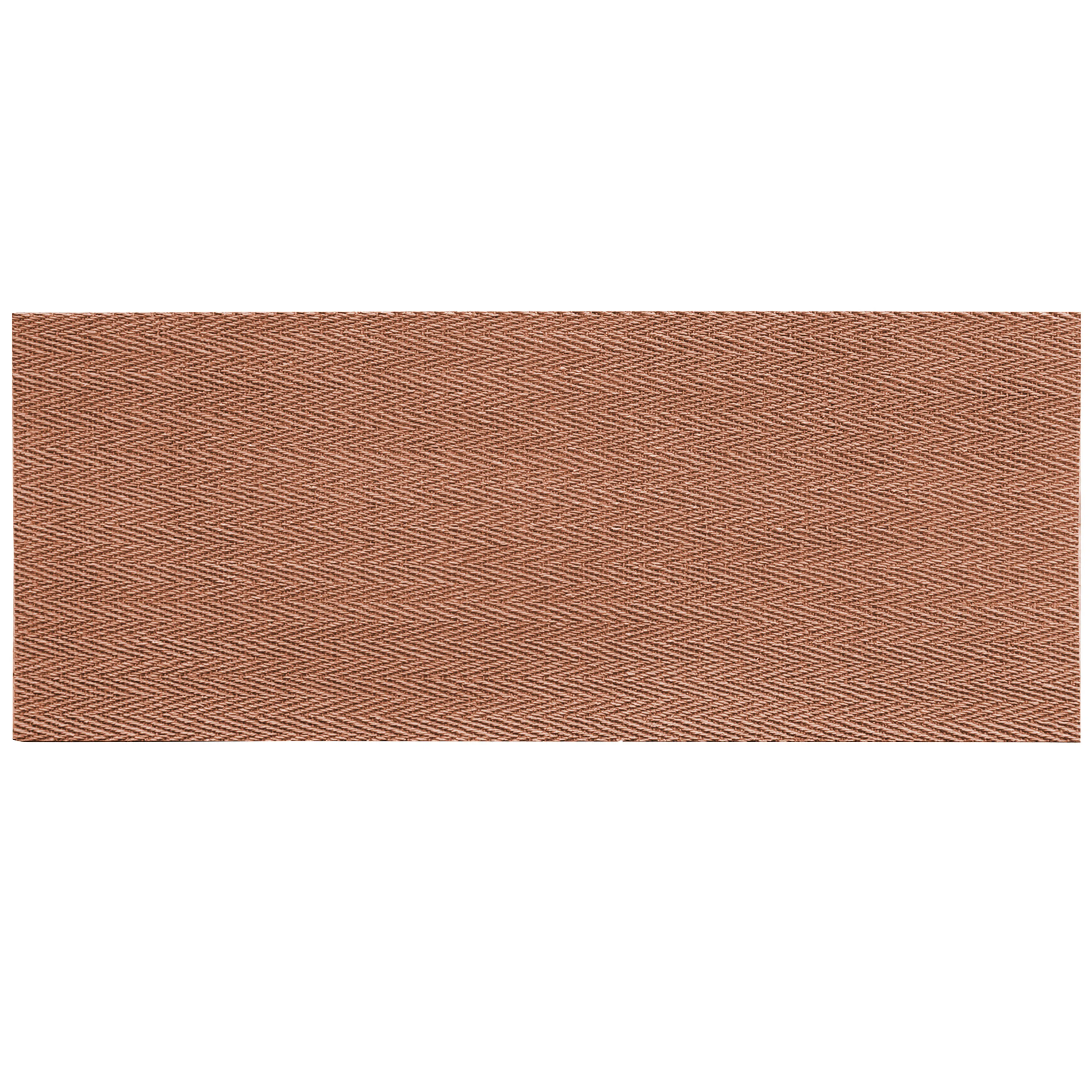
Walk into any modern building today, and you'll likely feel it before you see it—the quiet hum of intention in the air. It's the way light filters through a window, the texture under your fingertips as you brush a wall, the sense that the space around you wasn't just built, but crafted with care—for people, for the planet, and for the stories we want our architecture to tell. In a world where "sustainability" has become more than a buzzword, it's the materials we choose that turn lofty ideals into tangible, everyday experiences. This is where MCM (Modified Composite Material) steps in, and among its stars, Weaving (Jacinth) shines bright—not just for its beauty, but for how it weaves together design dreams with the hard realities of LEED certification.
Let's start with the obvious: buildings are hungry. They devour resources, guzzle energy, and leave behind a trail of carbon footprints that can linger for decades. But here's the flip side: they're also where we live, work, learn, and connect. The materials that clothe our buildings don't just shape their looks—they shape our health, our moods, and the planet's future. Traditional construction materials, while durable, often come with heavy costs: quarried stone that depletes natural reserves, concrete that emits CO2 during production, or synthetic claddings that off-gas harmful chemicals. It's a paradox architects and designers face daily: how to create spaces that inspire, without costing the earth.
Enter MCM. Short for Modified Composite Material, MCM is a revolution in how we think about building materials. Born from the need to merge durability with sustainability, MCM products are engineered to be lightweight, flexible, and resource-efficient—without skimping on style. Unlike their bulkier predecessors, MCM panels are thin (often just a few millimeters thick), yet strong enough to withstand the elements. They're made by bonding natural minerals with advanced polymers, resulting in a material that's not only resilient but also recyclable. And among the diverse family of MCM offerings, one stands out for its ability to blend texture, color, and eco-consciousness: Weaving (Jacinth).
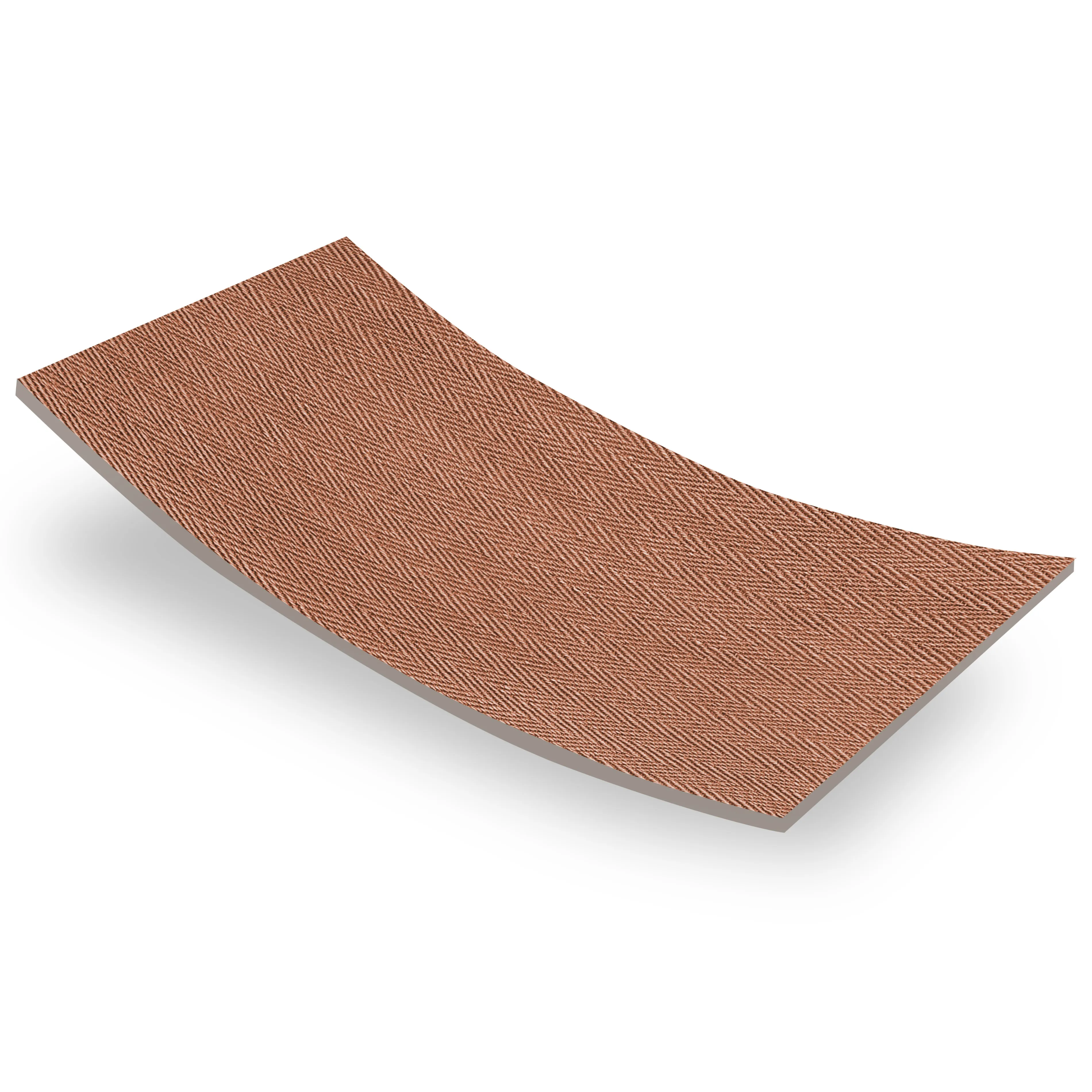
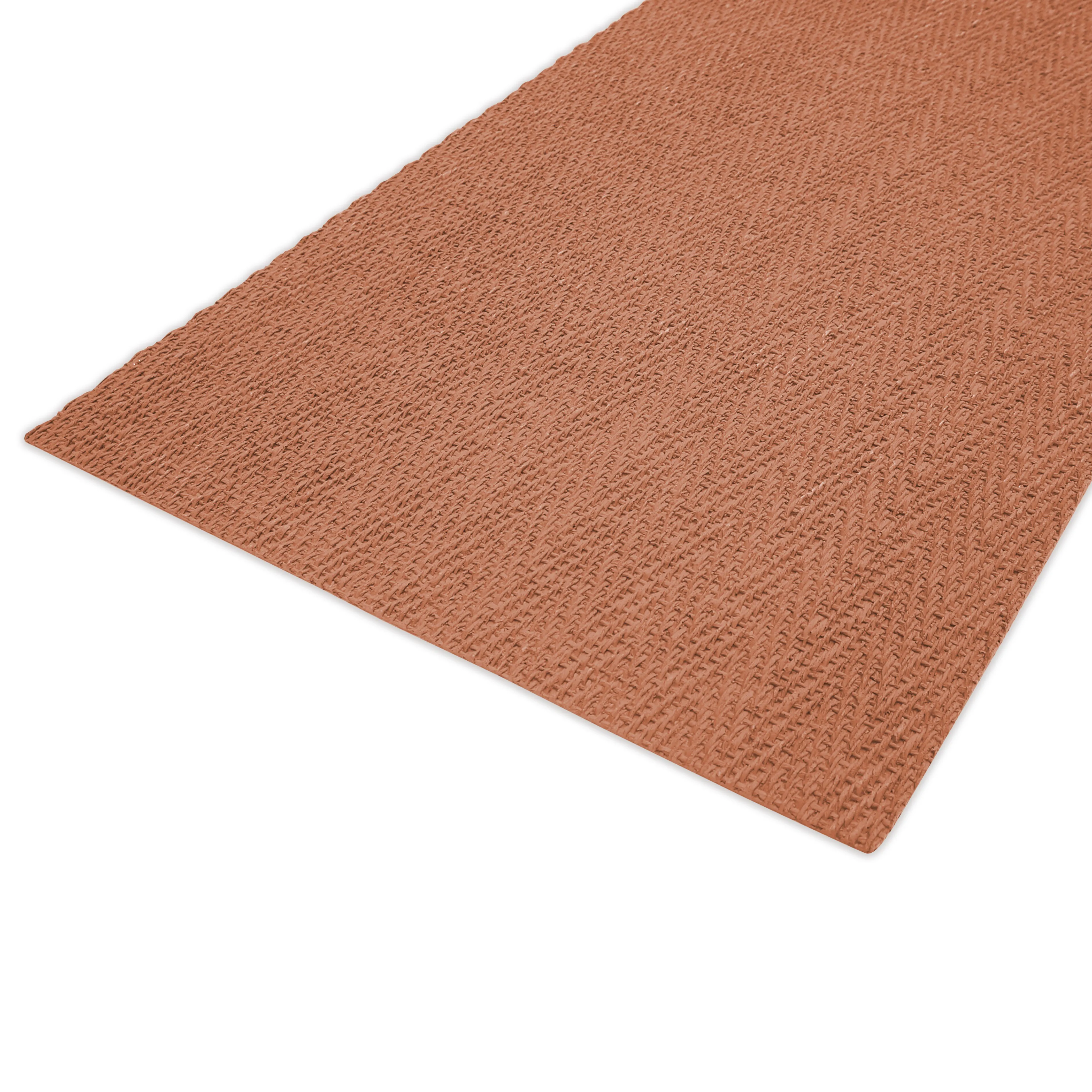
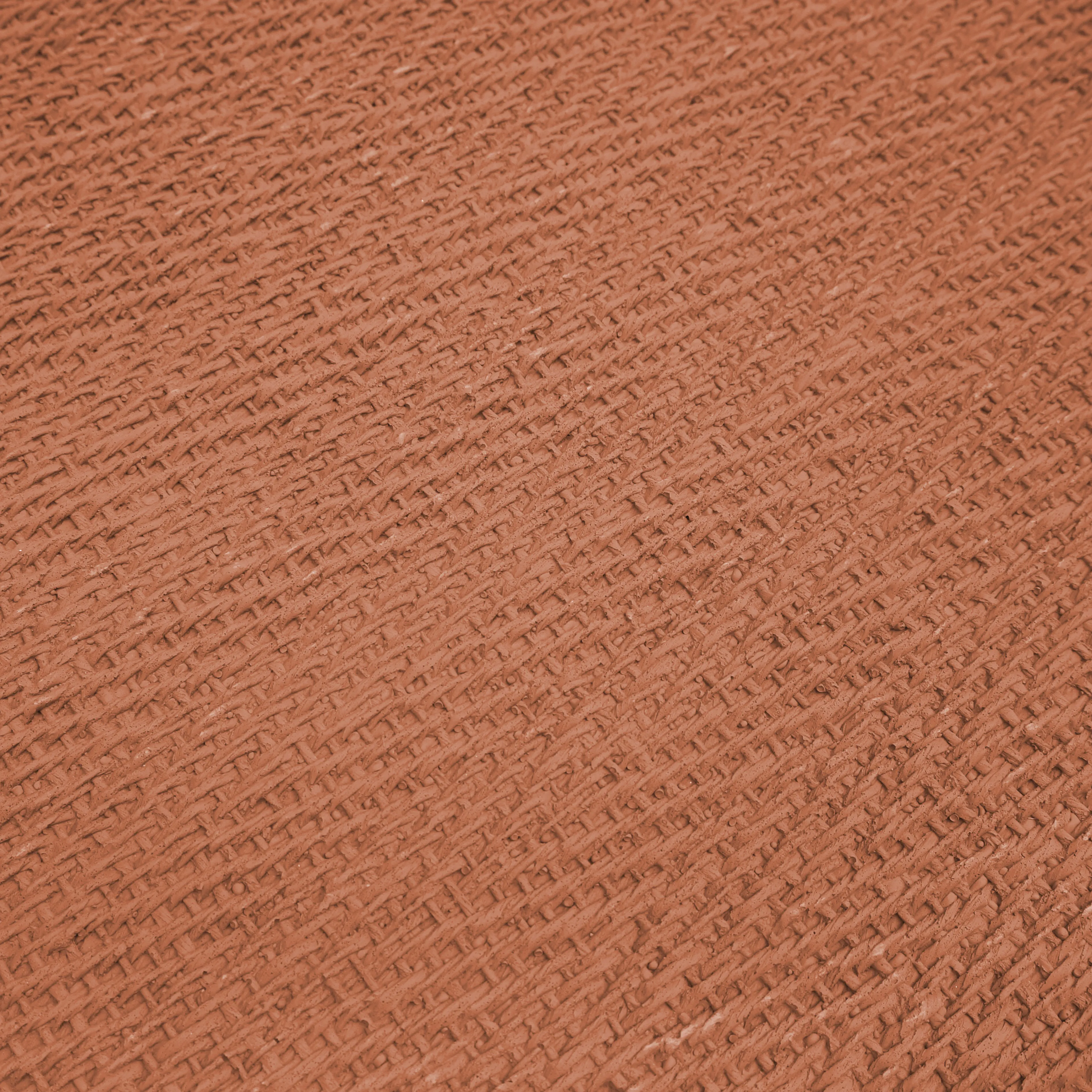
If you've ever run your hand over a handwoven blanket, you know the feeling—the way the threads crisscross to create depth, warmth, and a sense of human touch. Weaving (Jacinth) captures that same essence, but in a building material. Imagine a wall panel that looks like it was crafted by skilled artisans, with soft, interlacing patterns in a rich, earthy jacinth hue. It's not just a surface; it's a texture that invites interaction. Run your palm across it, and you'll feel the subtle ridges of the weave, a reminder of nature's own patterns—the way vines curl, or grass bends in the wind.
But Weaving (Jacinth) isn't just about aesthetics. Its beauty lies in its intelligence . Let's break it down: MCM's core technology means Weaving (Jacinth) is up to 80% lighter than traditional stone cladding. That might not sound like much, but when you scale it to a skyscraper or a sprawling commercial complex, the impact is huge. Lighter materials mean less structural support is needed, reducing the amount of steel and concrete used in construction. They also cut down on transportation emissions—trucks can carry more panels per trip, slashing the carbon footprint of getting materials from factory to site.
Then there's the manufacturing process. Weaving (Jacinth), like all MCM products, is made with a high percentage of recycled and natural materials. The minerals used are often byproducts from other industries, diverted from landfills and given new life. The production process itself is low-energy, with minimal water usage and strict controls on emissions. And because MCM panels are so durable—resistant to UV rays, moisture, and temperature fluctuations—they last longer, reducing the need for frequent replacements. Less waste, less energy, less hassle: that's sustainability you can count on.
Think of it this way: every square meter of Weaving (Jacinth) isn't just a wall panel. It's a statement. It says, "We care about the planet, but we also care about making spaces that feel alive." It's the kind of material that turns a sterile office into a place where creativity flows, or a cold lobby into a welcoming embrace. And when it comes to LEED certification, that combination of durability, resource efficiency, and low environmental impact is pure gold.
LEED—Leadership in Energy and Environmental Design—is more than a certification; it's a promise. Administered by the U.S. Green Building Council (USGBC), LEED sets the standard for what it means to build sustainably, rewarding projects that prioritize energy efficiency, water conservation, indoor air quality, and responsible resource use. To earn LEED points, buildings must meet strict criteria across several categories, and every point counts. For architects and developers, LEED isn't just a badge of honor—it's a way to attract tenants, reduce operating costs, and future-proof their projects in a world where sustainability is increasingly non-negotiable.
So, how does Weaving (Jacinth) fit into this? Let's break down the LEED categories and see where MCM materials, starting with Weaving (Jacinth), make their mark:
But Weaving (Jacinth) isn't alone in this. The MCM family has other stars that complement its LEED contributions, creating a one-two punch of sustainability and style. Take, for example, Foamed Aluminium Alloy Board (Vintage Gold). With its sleek, metallic finish and lightweight, recyclable composition, it's the perfect partner for Weaving (Jacinth). Imagine a facade where the warm, textured jacinth weave is accented by vintage gold panels—creating a visual rhythm that's both modern and timeless. Foamed aluminium alloy boards are 100% recyclable, highly durable, and require minimal maintenance, adding to a project's LEED points in "Materials and Resources" and "Energy and Atmosphere" (thanks to their reflective properties that reduce heat gain).
While Weaving (Jacinth) and Foamed Aluminium Alloy Board (Vintage Gold) steal the spotlight, the MCM family is full of materials that play well with LEED. Let's take a closer look at a few standouts, and how they contribute to green building goals:
| Material | LEED Category | Sustainability Benefit |
|---|---|---|
| Weaving (Jacinth) | Materials and Resources, Indoor Environmental Quality | High recycled content, low-VOC, durable, reduces replacement waste |
| Foamed Aluminium Alloy Board (Vintage Gold) | Materials and Resources, Energy and Atmosphere | 100% recyclable, reflective surface reduces HVAC load, lightweight |
| Fair-Faced Concrete | Materials and Resources, Indoor Environmental Quality | Minimal processing, low maintenance, natural aesthetic reduces need for synthetic finishes |
| MCM Flexible Stone | Sustainable Sites, Materials and Resources | Lightweight (reduces transport emissions), made from recycled minerals, flexible installation reduces waste |
| Travertine (Starry Green) | Indoor Environmental Quality, Aesthetics | Natural mineral composition, non-toxic, unique visual appeal reduces need for artificial decor |
Take Fair-Faced Concrete, for instance. With its raw, industrial-chic look, it's a favorite for modern designs. But beyond aesthetics, it's a sustainability powerhouse. Fair-faced concrete requires minimal finishing (no need for paint or sealants that off-gas), reducing VOCs and simplifying maintenance. It's also incredibly durable, meaning fewer repairs over time, and its thermal mass helps regulate indoor temperatures, cutting down on heating and cooling costs—all of which boost LEED points in "Energy and Atmosphere" and "Indoor Environmental Quality."
Then there's MCM Flexible Stone. True to its name, it's flexible enough to wrap around curves and contours, yet strong enough to stand up to the elements. Made from natural stone particles bound with eco-friendly polymers, it's a fraction of the weight of traditional stone, slashing transportation emissions and reducing structural loads. It's also highly customizable, with finishes that mimic everything from rough-hewn granite to smooth marble—so designers don't have to sacrifice style for sustainability. For LEED, this translates to credits in "Materials and Resources" (recycled content, waste reduction) and "Sustainable Sites" (lower construction impact).
Let's step out of the abstract and into the real world. Consider the "GreenHaven Office Complex" in downtown Portland, a LEED Platinum-certified project that opened in 2024. The design team wanted a building that was as kind to the planet as it was to its occupants, and MCM materials were front and center. The lobby features Weaving (Jacinth) panels on the walls, their textured jacinth weave creating a warm, inviting atmosphere that employees and visitors alike comment on. "It feels like walking into a space that's alive," one tenant said. "Not cold or corporate—like someone cared about how it makes you feel."
The exterior? A combination of Foamed Aluminium Alloy Board (Vintage Gold) and MCM Flexible Stone in "Travertine (Starry Blue)." The vintage gold panels reflect sunlight, keeping the building cool in summer and reducing HVAC use by 23% compared to similar-sized complexes. The flexible stone, with its starry blue finish, adds visual interest while being lightweight enough to reduce the building's carbon footprint during construction. Together, these materials helped GreenHaven earn points in "Energy and Atmosphere," "Materials and Resources," and "Indoor Environmental Quality"—pushing it over the edge to Platinum status.
Another example: the "EcoVillage Community Center" in Seattle, which achieved LEED Gold. Here, Fair-Faced Concrete walls take center stage, paired with Weaving (Jacinth) accents in the community room. The concrete's thermal mass helps maintain consistent temperatures year-round, while the jacinth weave adds texture and warmth to a space used for everything from yoga classes to town hall meetings. "Parents tell us their kids love running their hands over the walls," says the center's director. "It's like the building itself is teaching them about nature and sustainability, without a single sign."
As we look ahead, one thing is clear: the buildings of tomorrow won't just be sustainable—they'll be human-centered . They'll prioritize the planet, yes, but they'll also prioritize the people who live and work in them, creating spaces that inspire, heal, and connect. MCM materials like Weaving (Jacinth) are leading the charge, proving that sustainability and beauty don't have to be opposites. They're showing us that we can build smarter, not just harder—that we can have walls that tell stories, that feel like they belong, that don't cost the earth.
For architects, designers, and developers, the message is simple: LEED certification isn't just about checking boxes. It's about creating a legacy. And with MCM materials in your toolkit—Weaving (Jacinth) for texture, Foamed Aluminium Alloy Board (Vintage Gold) for shine, Fair-Faced Concrete for durability—you're not just building structures. You're building a future where every space weaves together the best of design and sustainability.
So the next time you walk into a building and feel that quiet hum of intention, take a closer look. Maybe the wall under your fingertips is Weaving (Jacinth), or the sleek panel catching the light is vintage gold aluminium. Whatever it is, chances are it's part of a bigger story—a story of how we learned to build not just for today, but for all the tomorrows to come. And that, more than any certification, is the true measure of success.
Recommend Products












