

Imagine walking through a city where every building tells a story—not just of its purpose, but of the materials that shape its character. In a world where architecture often feels repetitive, there's a quiet revolution happening in building materials. It's led by companies like COLORIA GROUP, a team that doesn't just sell construction products, but crafts solutions that turn concrete ideas into living, breathing structures. With decades of experience spanning global markets—from the bustling cities of the Middle East to innovative projects worldwide—they've made it their mission to redefine what's possible with building facades. At the heart of this mission? Their Modified Cementitious Material (MCM) series, a line of products that blends the durability of traditional materials with the flexibility of modern design. Today, we're diving into how these materials—especially their textured travertine stones and custom MCM patterns—are helping architects and developers create buildings with identities as unique as the communities they serve.
What makes MCM stand out? It starts with a simple belief: great architecture shouldn't have to choose between beauty, performance, and responsibility. Traditional materials like natural stone or concrete often come with trade-offs—heavy weight that strains structures, limited design flexibility, or environmental footprints that clash with green building goals. MCM flips that script. By modifying cementitious materials at the molecular level, COLORIA GROUP has created a range that's lightweight yet strong, hyper-customizable yet eco-friendly, and versatile enough to adapt to the wildest design dreams. Whether it's a residential tower craving a warm, earthy facade or a commercial complex aiming for a futuristic edge, MCM doesn't just cover buildings—it gives them personality.
Before we dive into specific products, let's talk about why MCM has become a go-to for forward-thinking architects. At its core, MCM is a celebration of possibility. Traditional building materials often box designers into rigid constraints: natural stone is heavy and hard to shape, standard concrete lacks texture, and synthetic claddings can feel cold and impersonal. MCM changes that by combining the best of both worlds— the organic beauty of natural materials with the engineering precision of modern composites.
Take sustainability, for example. In an era where every project aims for LEED certification or carbon neutrality, MCM shines. Unlike natural stone, which requires extensive mining and transportation (contributing to high emissions), MCM uses recycled materials in its base, reducing waste and resource depletion. Its lightweight nature also cuts down on transportation costs and energy use during installation— a small detail that adds up to big environmental wins. And because it's so durable, buildings clad in MCM need less maintenance and replacement over time, further lowering their lifecycle impact.
Then there's customization. Every architect knows the frustration of falling in love with a texture or color, only to find it doesn't exist in a material that works for the project. MCM eliminates that disappointment. With advanced manufacturing techniques, COLORIA GROUP can replicate the look of rare travertine, weathered wood, or even abstract patterns—all while tailoring the material's size, flexibility, and finish to fit the project's exact needs. Want a facade that mimics the night sky? Or a wall that looks like it's been carved from ancient rock? MCM makes it possible without compromising on performance.
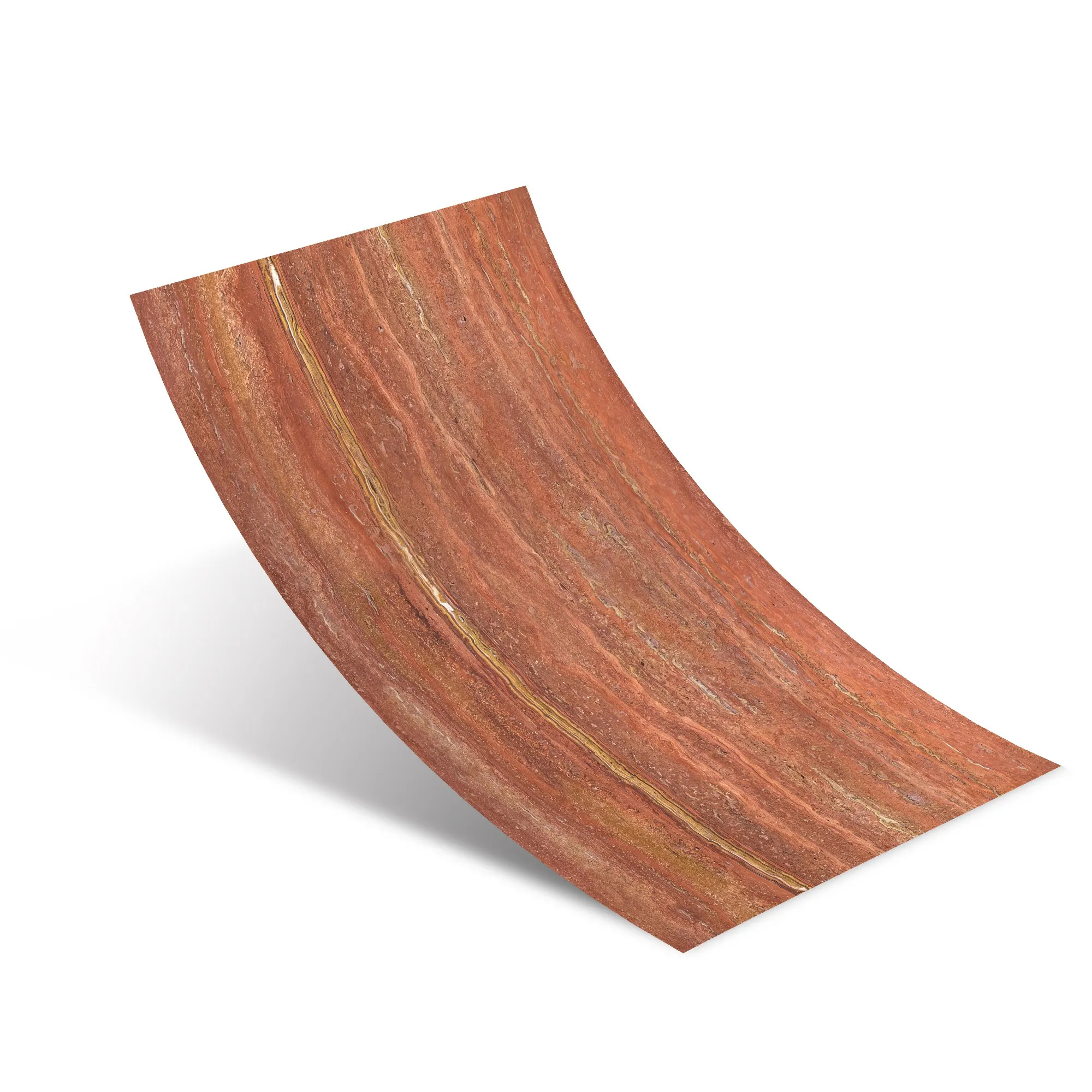
When it comes to creating impactful facades, size matters—but so does subtlety. The MCM Big Slab Board Series is designed for projects that want to make a bold statement without sacrificing. These large-format panels (often spanning up to 1.2m x 2.4m) minimize grout lines, creating a seamless look that amplifies the beauty of the material's surface. But what truly sets this series apart is how it marries grand scale with intricate patterns—take, for example, the travertine (starry green) and lunar peak silvery designs, two standouts that showcase the series' versatility.
Travertine has long been beloved for its warm, porous texture—think of the classic beige tones of Roman architecture. But travertine (starry green) reimagines this timeless material with a celestial twist. Imagine a slab where the base is a soft, earthy beige, but scattered across its surface are tiny, iridescent green flecks that catch the light. It's like someone took a piece of the desert floor and sprinkled stardust on it. This isn't just a static texture; it changes with the time of day. In the morning, the green flecks glow softly under golden sunlight; at dusk, they take on a deeper, more mysterious hue. It's a material that evolves with the building, keeping the facade dynamic and engaging.
But it's not just about looks. The MCM Big Slab Board Series ensures that even these large panels are easy to handle. Weighing up to 70% less than natural travertine slabs of the same size, they reduce the load on the building's structure and simplify installation—no need for heavy machinery or reinforced support systems. This makes travertine (starry green) ideal for mid-rise residential buildings or boutique hotels that want to balance luxury with practicality. One recent project in Riyadh used this material for a residential complex, and residents often comment on how the facade feels "alive"—a rare compliment for a building material.
If travertine (starry green) is about warmth and whimsy, lunar peak silvery leans into cool sophistication. Inspired by the moon's cratered surface, this design features a smooth, silvery-gray base with subtle, irregular indentations that mimic the moon's texture. It's modern without feeling cold— the silvery tone reflects light, making buildings appear brighter and more open, while the organic indentations add depth that flat metal panels lack. It's the perfect choice for tech offices, cultural centers, or any project aiming for a "futuristic yet grounded" aesthetic.
What's impressive about lunar peak silvery is how it performs in harsh climates. In the Middle East, where temperatures soar and sandstorms are common, building materials need to withstand extreme conditions. MCM's resistance to UV radiation, moisture, and abrasion means that even after years of exposure, the silvery finish won't fade, and the texture won't erode. A commercial plaza in Dubai that installed lunar peak silvery panels five years ago still looks as crisp as the day it opened—proof that beauty and durability can go hand in hand.
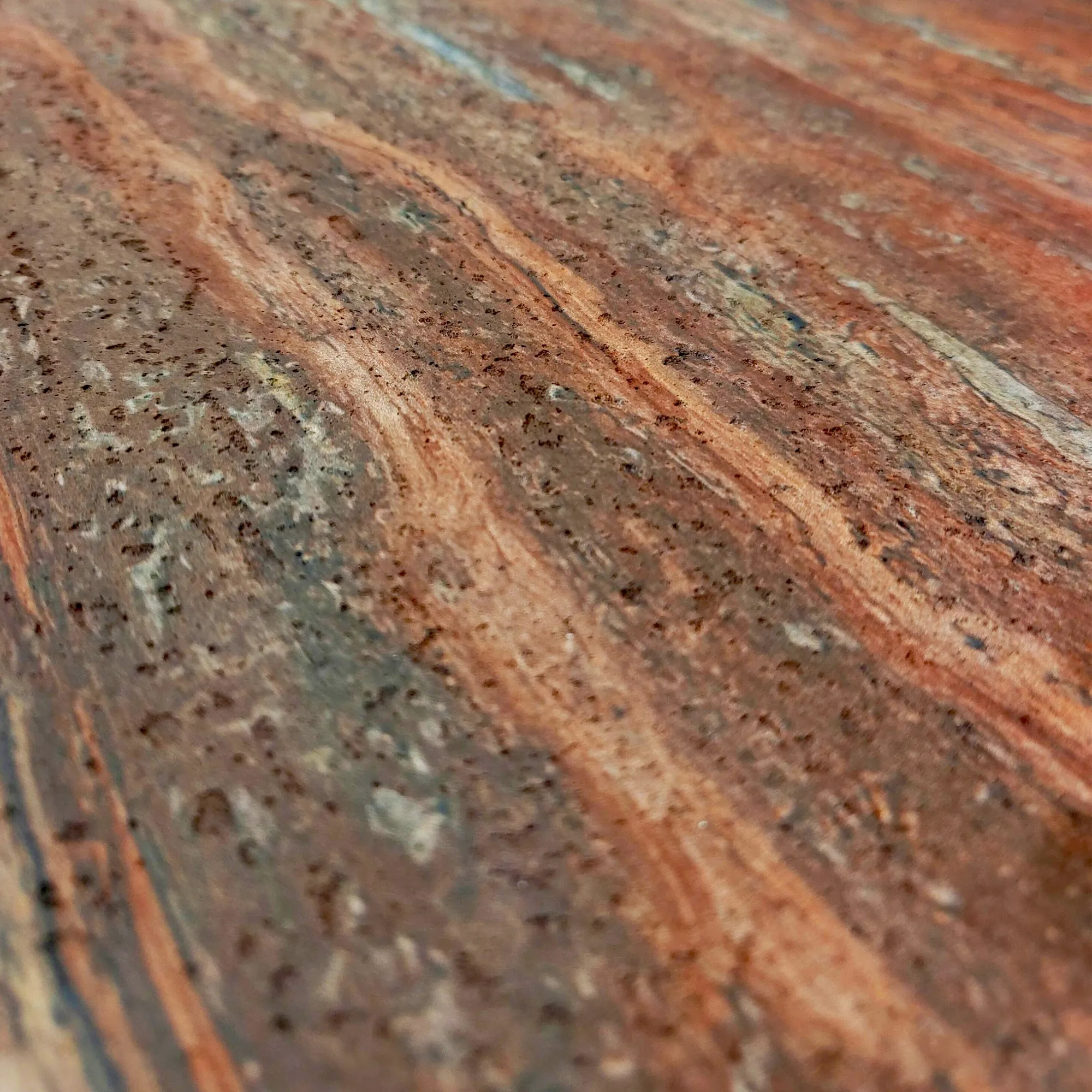
3D printing has revolutionized industries from healthcare to aerospace, and now it's transforming architecture—thanks to MCM's 3D Printing Series. This isn't just about printing small decorative elements; we're talking about full-scale facade panels with geometries that were once impossible to achieve with traditional manufacturing. The MCM 3D Printing Series empowers architects to move beyond flat surfaces and right angles, creating facades that curve, ripple, and undulate like natural landscapes. At the heart of this innovation is the wave panel , a design that showcases exactly what 3D-printed MCM can do.
Imagine a building facade that looks like it's frozen in the middle of a wave— gentle crests and troughs that catch the wind and light, creating movement where there was once only stillness. That's the wave panel in action. Using 3D printing technology, COLORIA GROUP can produce panels with continuous, flowing curves that mimic the ocean's rhythm. Each panel is printed layer by layer, allowing for precise control over the wave's height, frequency, and texture. Want a subtle ripple for a coastal hotel? Or bold, dramatic waves for a cultural center? The 3D printing process adapts to the design, no matter how complex.
But the magic of wave panel isn't just visual—it's functional, too. The undulating surface acts as a natural sunscreen, reducing solar heat gain and lowering cooling costs for the building. In hot climates like Saudi Arabia or Arizona, this can translate to significant energy savings over time. Additionally, the 3D-printed structure is surprisingly strong. Despite its intricate shape, the panel retains MCM's inherent durability, standing up to rain, wind, and temperature fluctuations without cracking or warping. It's a perfect example of form and function working in harmony.
One memorable project using wave panel is a waterfront museum in Kuwait. The architect wanted the building to "dialogue with the sea," so the facade was clad in custom 3D-printed wave panels in a soft blue-gray tone. From a distance, the building looks like it's rising out of the water; up close, the texture invites visitors to run their hands over the waves. It's become a local landmark—not just for its exhibits, but for the building itself. That's the power of 3D-printed MCM: it turns buildings into experiences.
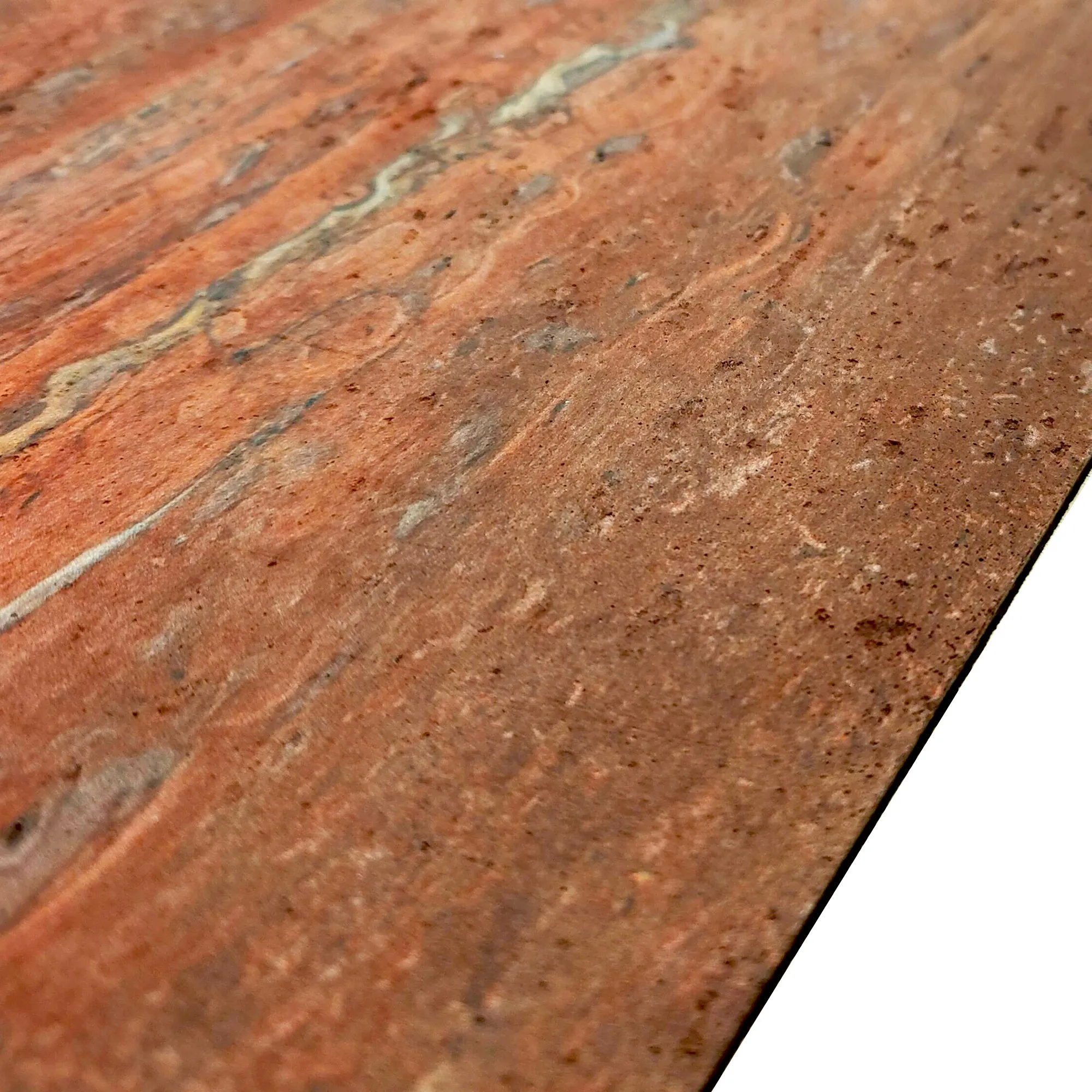
Curved walls, domed roofs, irregularly shaped facades—these are the design elements that make a building memorable, but they've long been a nightmare for cladding. Traditional rigid materials like natural stone or concrete panels simply can't conform to curved surfaces without expensive, time-consuming cutting and fitting. Enter MCM Flexible Stone , a game-changer for architects who refuse to be boxed in by straight lines. This series takes MCM's core benefits and adds a crucial twist: flexibility. These panels can bend, fold, and wrap around surfaces with radii as tight as 30cm, all while maintaining their structural integrity and visual appeal. A standout example? The bamboo mat board , a design that brings the warmth of natural wood to curved architecture.
Bamboo is a symbol of resilience and natural beauty, with its distinctive vertical grains and warm, golden tones. Bamboo mat board captures that essence but adds a level of adaptability bamboo itself never had. Imagine a panel that looks like it's woven from thin bamboo strips—complete with the slight variations in color and texture that make natural materials so charming— but can bend around a curved wall or archway without cracking. It's like bringing a piece of a bamboo forest into the city, softening the harsh lines of urban architecture.
Residential projects love bamboo mat board for its ability to create cozy, inviting exteriors. A recent housing development in Oman used it for the balconies and entryways, turning what could have been a generic apartment complex into a community that feels connected to nature. Tenants often remark that coming home feels like "stepping into a garden," even in the middle of the city. But it's not just for homes; commercial spaces like spas and wellness centers use it to create calming, organic environments that put visitors at ease.
What's remarkable about MCM Flexible Stone is that flexibility doesn't mean sacrificing durability. The panels are reinforced with a fiberglass mesh backing that gives them tensile strength, ensuring they can handle the stresses of bending and installation. They're also resistant to moisture and pests—unlike real bamboo, which can warp or rot in humid climates. So whether it's a tropical resort or a rainy city building, bamboo mat board keeps its beauty for years to come.
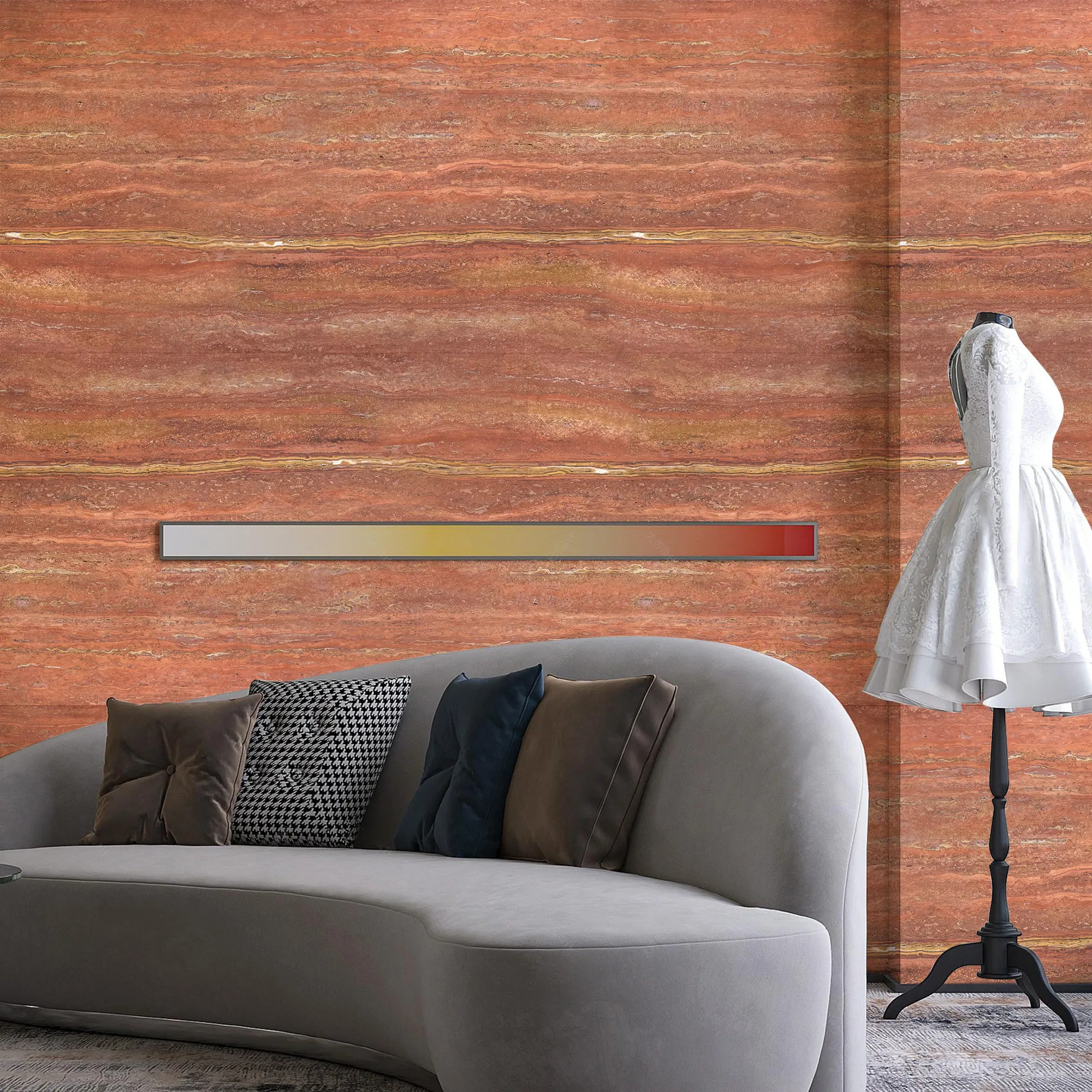
While some MCM series cater to creative design, the MCM Project Board Series is all about reliability and performance—without skimping on style. Large-scale projects like commercial malls, office towers, or government buildings have unique needs: they require materials that can cover vast surfaces quickly, stand up to heavy foot traffic (for interior applications), and meet strict safety codes. The Project Board Series is built for these challenges, offering panels that are durable, easy to install, and consistent in quality. A standout in this line is lunar peak golden , a material that brings warmth and elegance to high-traffic spaces.
Gold-toned materials can sometimes feel gaudy, but lunar peak golden is a masterclass in understated luxury. Think of a warm, honeyed gold with a subtle metallic sheen—not the brash glitter of cheap alloys, but the soft glow of aged brass. The texture is inspired by the moon's surface, with tiny, irregular indentations that catch the light and add depth. It's a material that feels both opulent and approachable, making it perfect for lobbies, retail spaces, or exterior facades of luxury hotels.
What makes lunar peak golden ideal for large projects is its consistency. When cladding a 50-story tower, the last thing you want is variation in color or texture between panels. COLORIA GROUP's manufacturing process ensures that every panel in a batch matches exactly, creating a uniform look across the entire building. Additionally, the panels are designed for fast installation. They feature a tongue-and-groove system that allows workers to fit them together quickly, reducing labor time and costs. For tight project deadlines, this can be a lifesaver.
A recent example is a luxury shopping mall in Doha, where the main atrium was clad in lunar peak golden panels. The warm gold tones reflect the natural light streaming in from the skylights, creating a bright, inviting space that draws shoppers in. Even in high-traffic areas, the panels have held up beautifully—no scratches, no fading, just the same rich glow they had on day one. It's a testament to the Project Board Series' focus on long-term performance.
At the end of the day, buildings are more than just structures—they're expressions of identity. They tell the world who we are, what we value, and how we imagine the future. COLORIA GROUP's MCM series understands this. It's not just about selling panels; it's about equipping architects, developers, and dreamers with the tools to build spaces that matter—spaces that inspire, connect, and endure.
Whether it's the celestial beauty of travertine (starry green) , the flowing curves of wave panel , the organic warmth of bamboo mat board , or the reliable elegance of lunar peak golden , every MCM product is designed to turn ordinary buildings into extraordinary landmarks. And with their commitment to sustainability, customization, and global support—including a dedicated presence in markets like Saudi Arabia—COLORIA GROUP isn't just a manufacturer; they're a partner in the journey from concept to completion.
So the next time you walk past a building that makes you stop and stare, take a closer look. Chances are, it's wrapped in MCM—a material that doesn't just cover walls, but gives them a voice. In a world of cookie-cutter architecture, that voice is more important than ever. And with COLORIA GROUP leading the way, the future of building design looks brighter, more creative, and more human than ever before.
Recommend Products











