
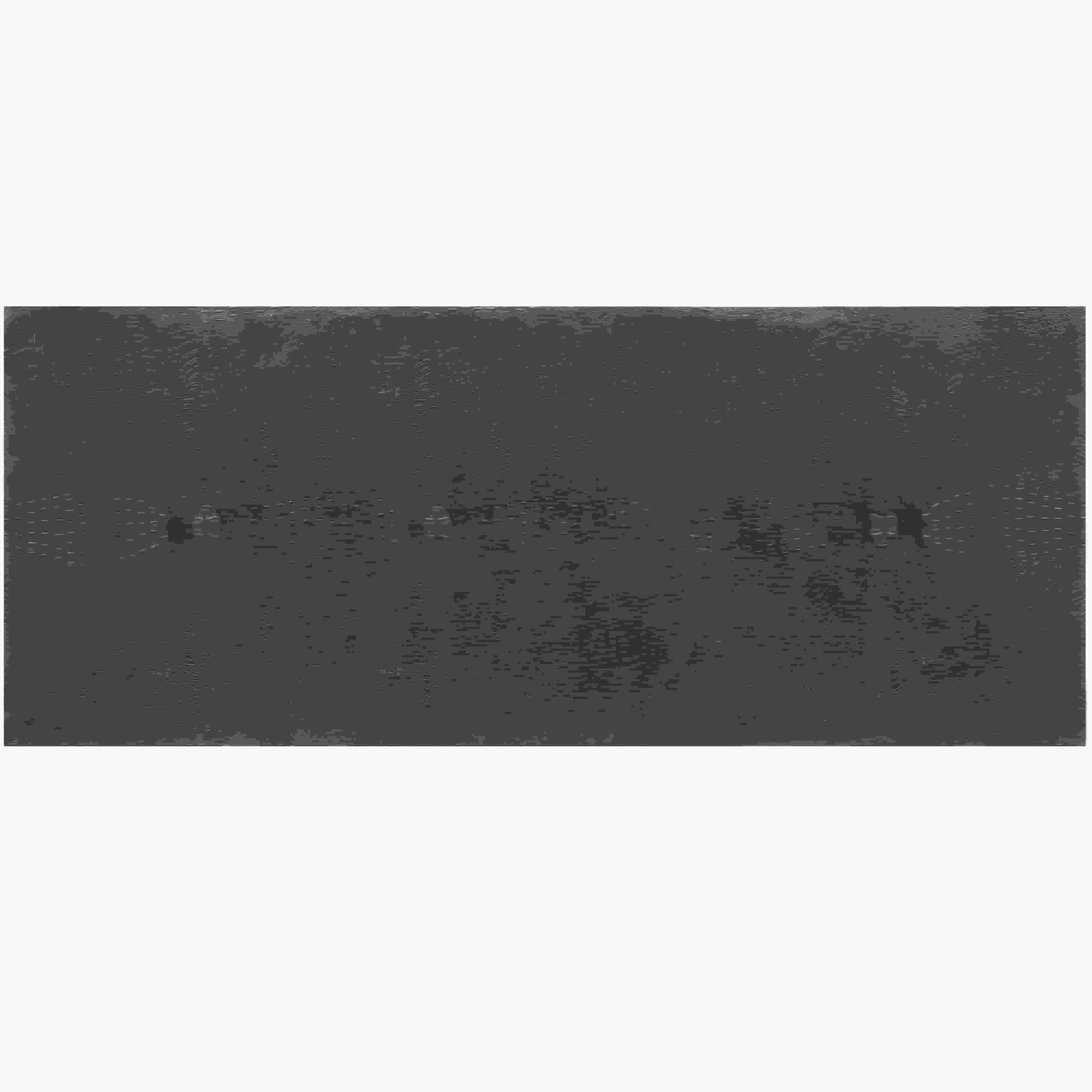
Exterior walls are more than just a barrier between the inside and outside—they're the first impression of a home, a commercial building, or a public space. They tell a story of style, durability, and care. In recent years, homeowners and architects alike have shifted from purely functional cladding to materials that blend performance with personality. Two names often rise to the top in this conversation: Croco MCM (part of the innovative MCM flexible stone family) and traditional vinyl siding. But while vinyl has long been a budget-friendly go-to, Croco MCM is redefining what exterior walls can be. Let's dive into why this modern composite material is quickly becoming the smarter, more heartfelt choice for anyone who wants their building to stand out—both in looks and longevity.
Before we jump into the benefits, let's get clear on what these materials are. Croco MCM isn't just another cladding option—it's a product of cutting-edge engineering in the modified composite material panels category, often grouped under the MCM project board series for its ease of integration into large-scale projects. Think of it as natural stone's more versatile cousin: it starts with real stone aggregates (like fragments of travertine or granite) mixed with high-performance polymers, bonded to a flexible backing. The result? A material that feels like authentic stone but bends, weighs less, and lasts longer than almost anything else on the market.
Vinyl siding, on the other hand, is the familiar plastic-based cladding you've seen on countless homes. Made from polyvinyl chloride (PVC) resin, it's been popular for decades thanks to its low upfront cost and simple installation. But as building standards and homeowner expectations rise, its limitations are becoming harder to ignore.
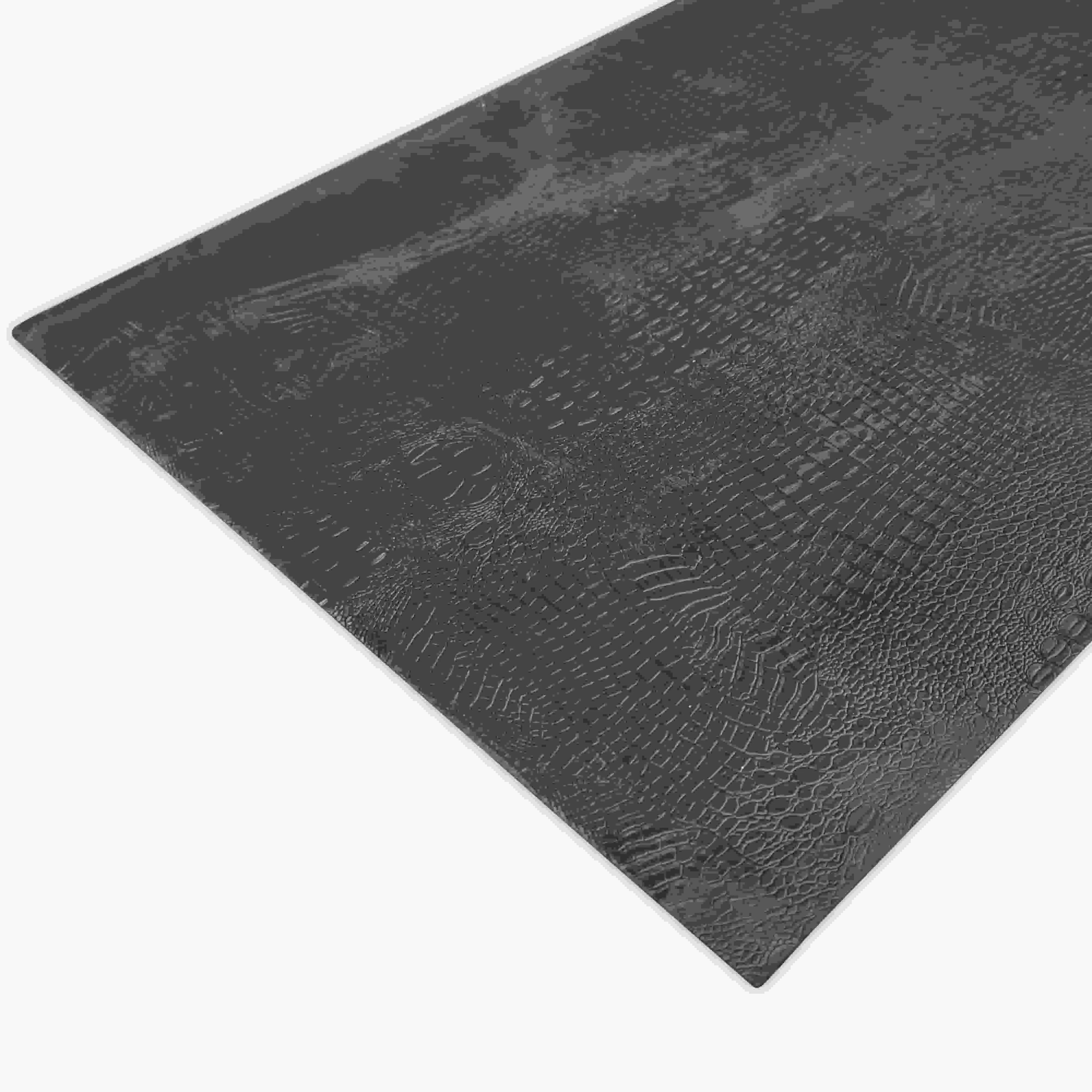
Let's talk about the big one: how these materials hold up over time. Your exterior walls face a daily beating—rain, snow, scorching sun, hailstorms, even accidental bumps from ladders or kids' bikes. MCM flexible stone (the technology behind Croco MCM) was built to thrive here. Its secret? Flexibility without fragility. Unlike rigid stone or brittle vinyl, Croco MCM can bend slightly under impact, so a stray baseball or heavy rain won't leave a crack. And when it comes to UV rays? Vinyl siding is notorious for fading to a chalky, washed-out version of its original color after a few summers. Croco MCM? Its color runs through the entire material, not just a surface layer, so it stays vibrant for decades—even in sun-drenched climates.
Extreme temperatures? No problem. In freezing winters, vinyl can become brittle and crack; in sweltering heat, it might warp or buckle. Croco MCM, though, handles temperature swings like a pro. I've seen it installed on homes in the desert, where summer temps hit 120°F, and in mountain cabins where snow piles high—still looking as sharp as the day it was put up. That's the power of MCM flexible stone engineering: it's tough, but not rigid.
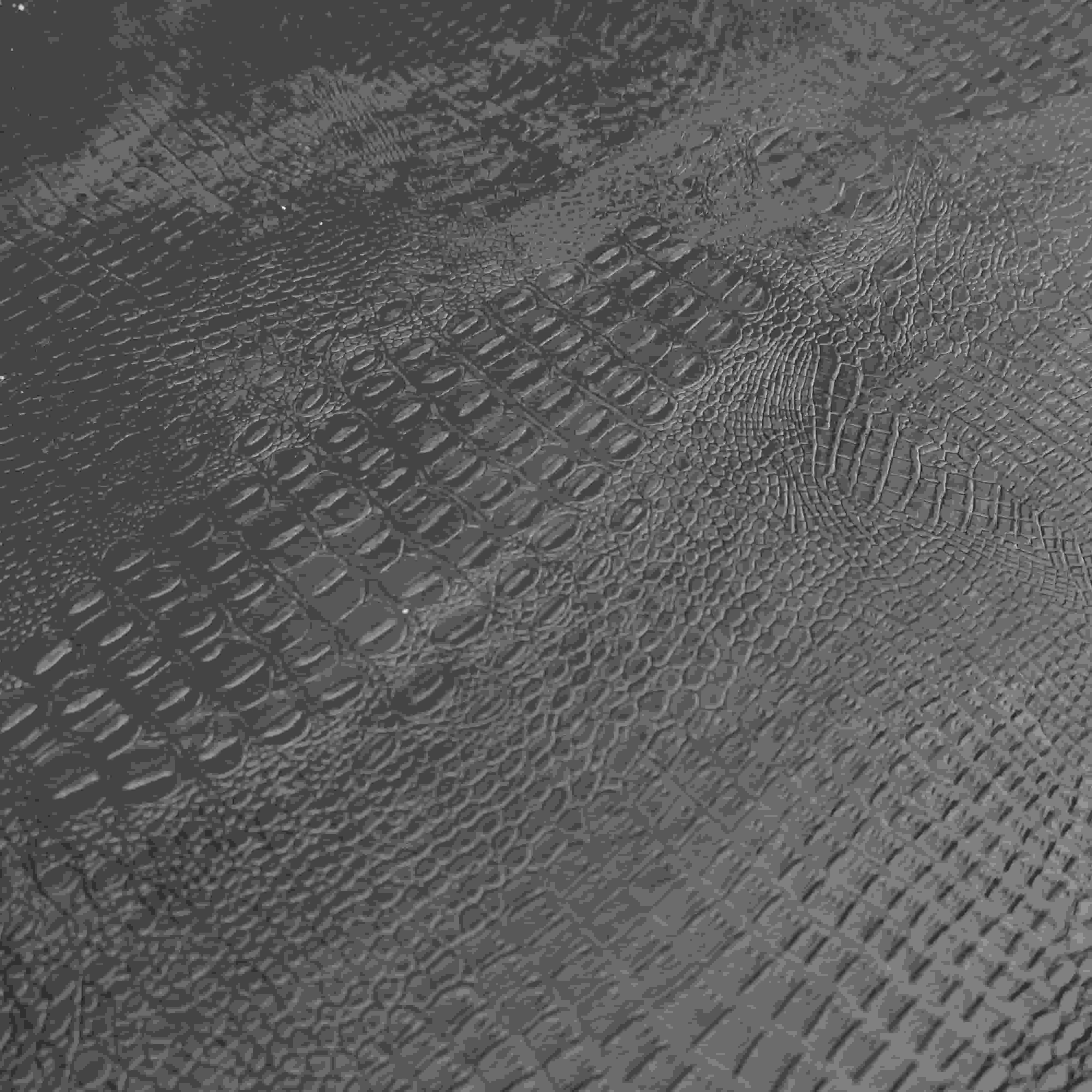
Here's where Croco MCM truly shines: it doesn't just cover walls—it transforms them into something you want to reach out and touch. Vinyl siding, let's be honest, often looks flat and artificial. Even "textured" vinyl tends to feel plasticky, with repeating patterns that scream "mass-produced." Croco MCM, though, draws from nature's palette and texture. Want the look of travertine (starry green) , with its subtle, star-like veining? Done. Dreaming of the sleek metallic sheen of lunar peak silvery ? It's there. Or maybe the organic waves of a wave panel to add movement to a modern facade? Croco MCM delivers—because it's designed to mimic the depth and uniqueness of natural materials, not just copy their appearance.
| Design Feature | Croco MCM | Vinyl Siding |
|---|---|---|
| Texture Variety | Over 50+ natural textures (e.g., rough-hewn stone, smooth marble, woven patterns) | Limited to 5-10 generic textures (mostly "wood-grain" or flat panels) |
| Color Range | Customizable hues, including rare options like travertine (starry orange) and lunar peak golden | Basic colors (white, beige, gray); dark shades prone to fading |
| Depth & Dimension | 3D effects possible with wave panel and thread designs | Flat, 2D appearance with minimal shadow or depth |
And it's not just about looks—it's about emotion. A wall clad in travertine (starry red) feels warm and inviting, like a sunset captured in stone. A lunar peak black facade exudes modern elegance. Vinyl, by contrast, rarely evokes feeling—it's more "practical" than "inspiring." When you invest in a building, shouldn't its exterior make you proud to come home, or make visitors stop and say, "Wow"? Croco MCM does that.
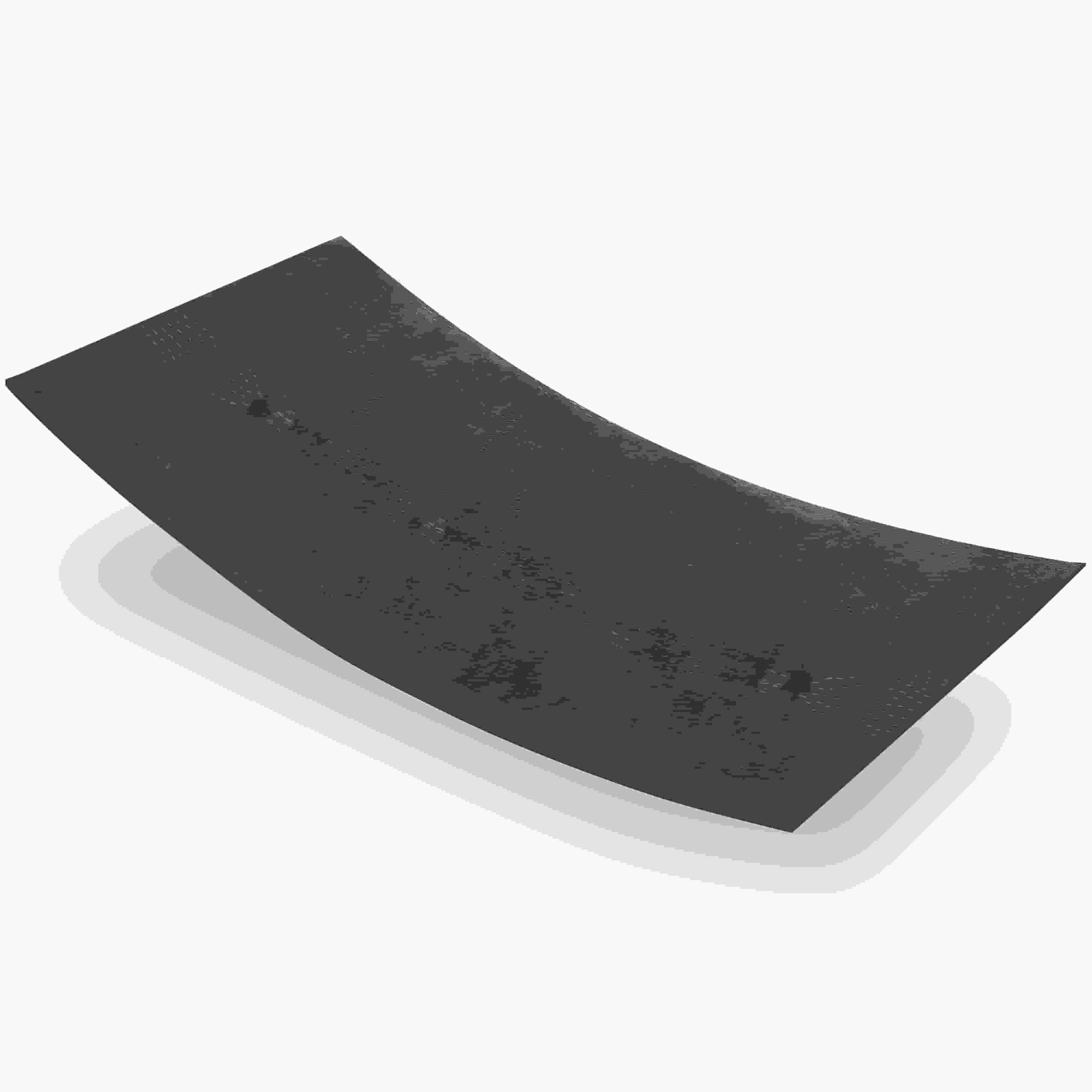
We all want to build in a way that's kind to the planet, right? Vinyl siding falls short here. It's made from PVC, a plastic that relies on fossil fuels and releases toxic chemicals during production. And when it eventually needs to be replaced (which it does, often within 15-20 years), it ends up in landfills, where it can take centuries to break down. Burn it, and you release dioxins—some of the most harmful pollutants around.
Croco MCM, though, is designed with sustainability in mind. Many of its formulations use recycled stone aggregates, cutting down on waste from quarrying. It's also low in VOCs (volatile organic compounds), so it doesn't off-gas harmful fumes into your home. And because it lasts 50+ years (compared to vinyl's 15-20), it reduces the need for frequent replacements—meaning less material ends up in landfills over time. It's a small choice, but when you multiply it across neighborhoods, it adds up. Choosing Croco MCM isn't just good for your building—it's good for the planet we all share.
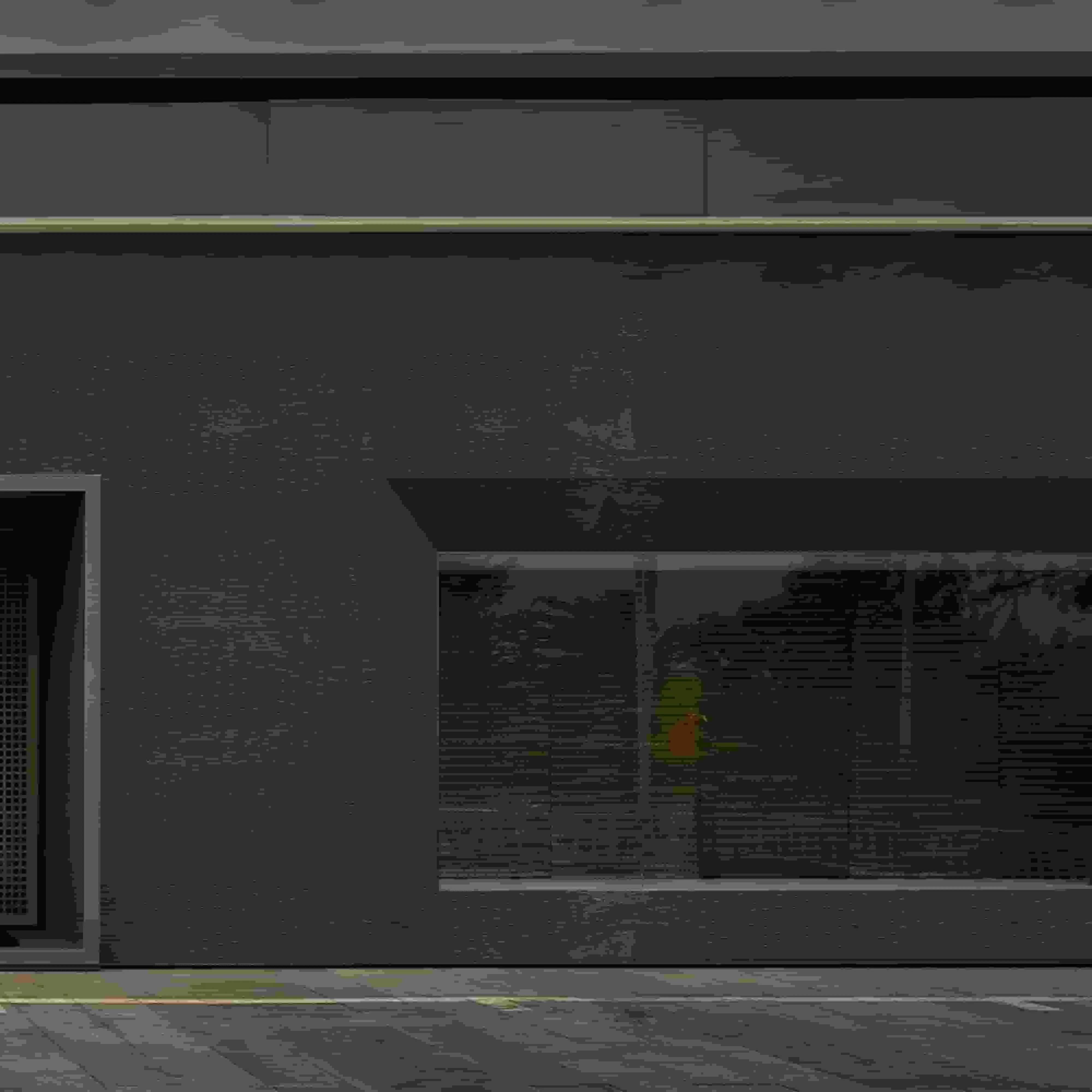
Let's talk about the nitty-gritty: putting it up and keeping it clean. Vinyl siding installation can be finicky. It expands and contracts a lot with temperature changes, so installers have to leave precise gaps—too little, and it buckles; too much, and it looks sloppy. And if a panel gets damaged? You might have to replace an entire section, since color matching faded vinyl is nearly impossible.
Croco MCM? Its lightweight, flexible design makes installation a breeze—even on uneven walls. Contractors love it because it cuts easily, bends around corners without cracking, and doesn't require special tools. And maintenance? Just hose it down with water every now and then. No repainting, no sealing, no worrying about mold or mildew (thanks to its moisture-resistant core). Vinyl, on the other hand, often needs power washing to remove grime, and if it gets a scratch or hole, you're stuck with a permanent eyesore unless you replace the panel. For busy homeowners or building managers, that peace of mind is priceless.
I get it: Vinyl siding is often cheaper upfront. But here's the thing: cheap now rarely means cheap later. Vinyl might cost less to install, but when you factor in repainting every 5-7 years, replacing faded or cracked panels every 10-15 years, and the hit to your home's resale value (buyers notice cheap, worn siding), it adds up fast. Croco MCM, with its 50+ year lifespan and minimal maintenance, ends up being the smarter investment. It's like buying a quality pair of boots versus a cheap pair—yes, you pay more upfront, but they last longer, look better, and save you money in the long run.
Exterior walls are about more than keeping the weather out. They're about pride—pride in your home, your business, or the space you've created. Vinyl siding does the bare minimum; Croco MCM does more. It's durable enough to stand up to time, beautiful enough to inspire, and sustainable enough to feel good about. Whether you're building a new home, renovating a storefront, or designing a public space, Croco MCM—with its MCM flexible stone core, stunning aesthetics, and long-lasting performance—isn't just a choice. It's the choice for anyone who believes their walls should tell a story worth remembering.
Recommend Products












