
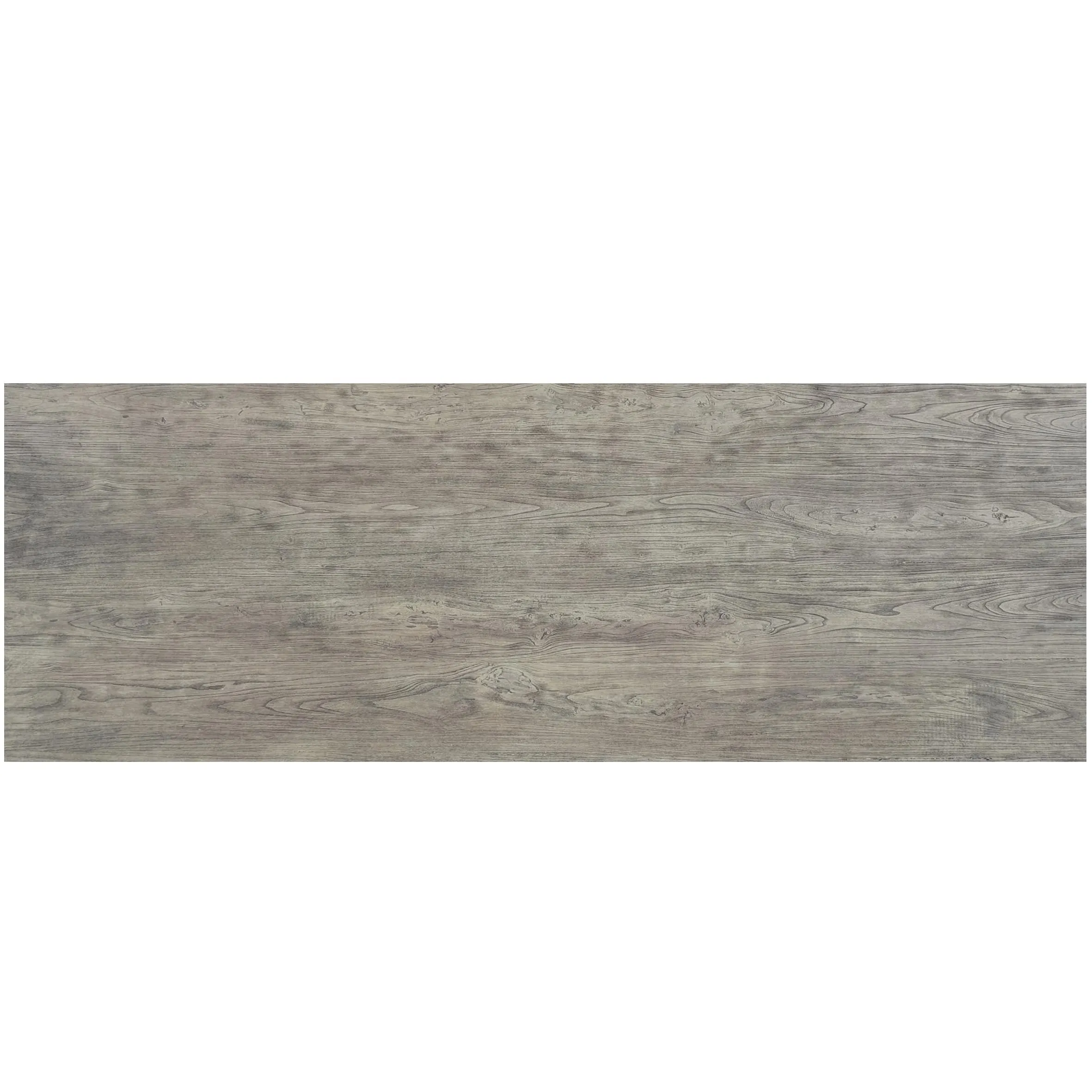
Walk through any modern city, and you'll notice a silent transformation happening on the skyline. High-rise buildings—once monolithic structures defined by cold steel and concrete—are evolving. Today's architects and developers aren't just building towers; they're crafting stories. They want exteriors that feel alive, that reflect nature's warmth, and that stand up to the harsh realities of urban life: wind, rain, UV rays, and the relentless passage of time. But here's the catch: traditional materials often fall short. Natural wood fades and warps. Heavy stone adds structural strain. Even fair-faced concrete, for all its industrial charm, can crack and feel sterile. Enter MCM Wood Grain Board—a material that's redefining what high-rise exteriors can be. It's not just a cladding option; it's a bridge between nature's beauty and engineering's precision. Let's dive into why this innovative material is becoming the go-to choice for forward-thinking projects.
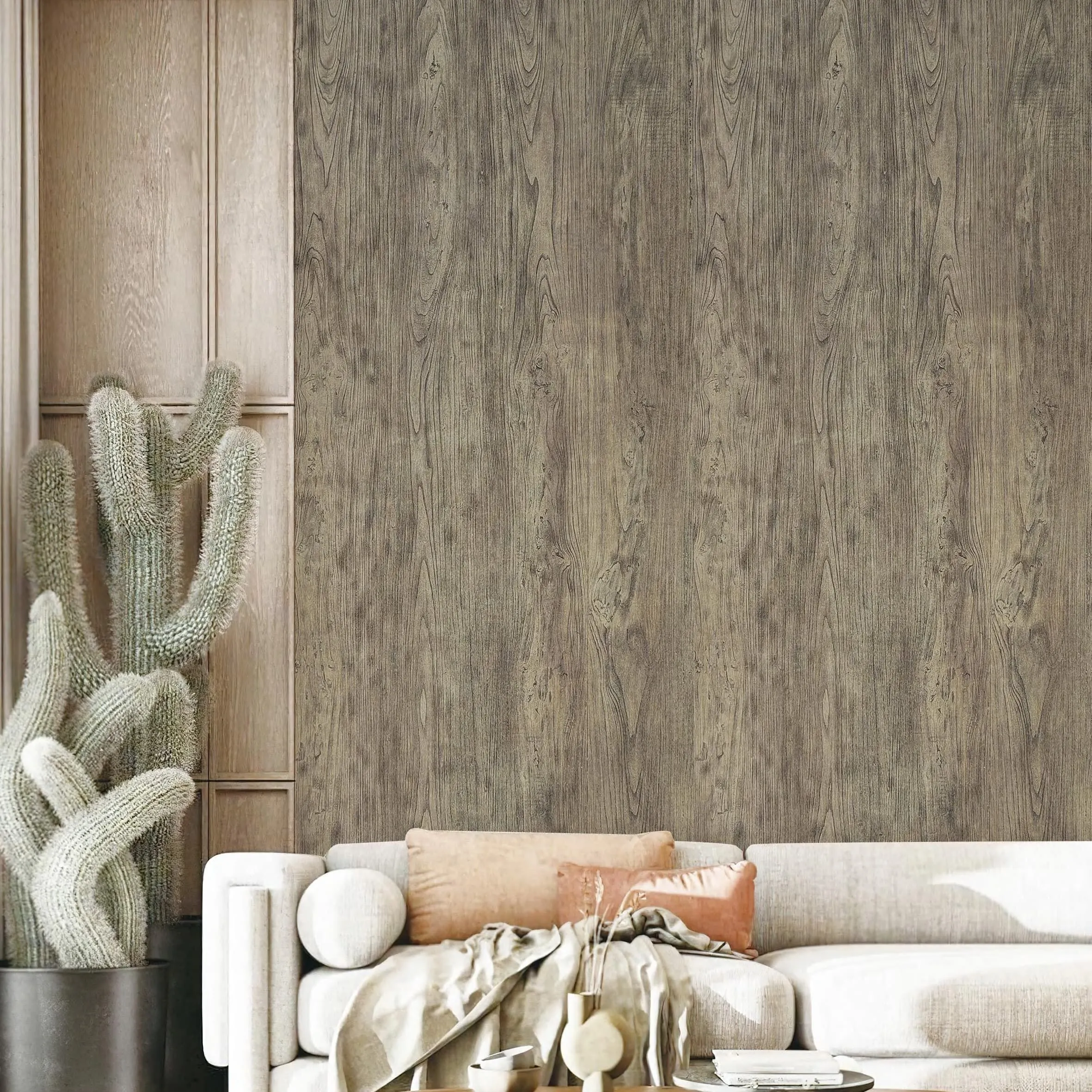
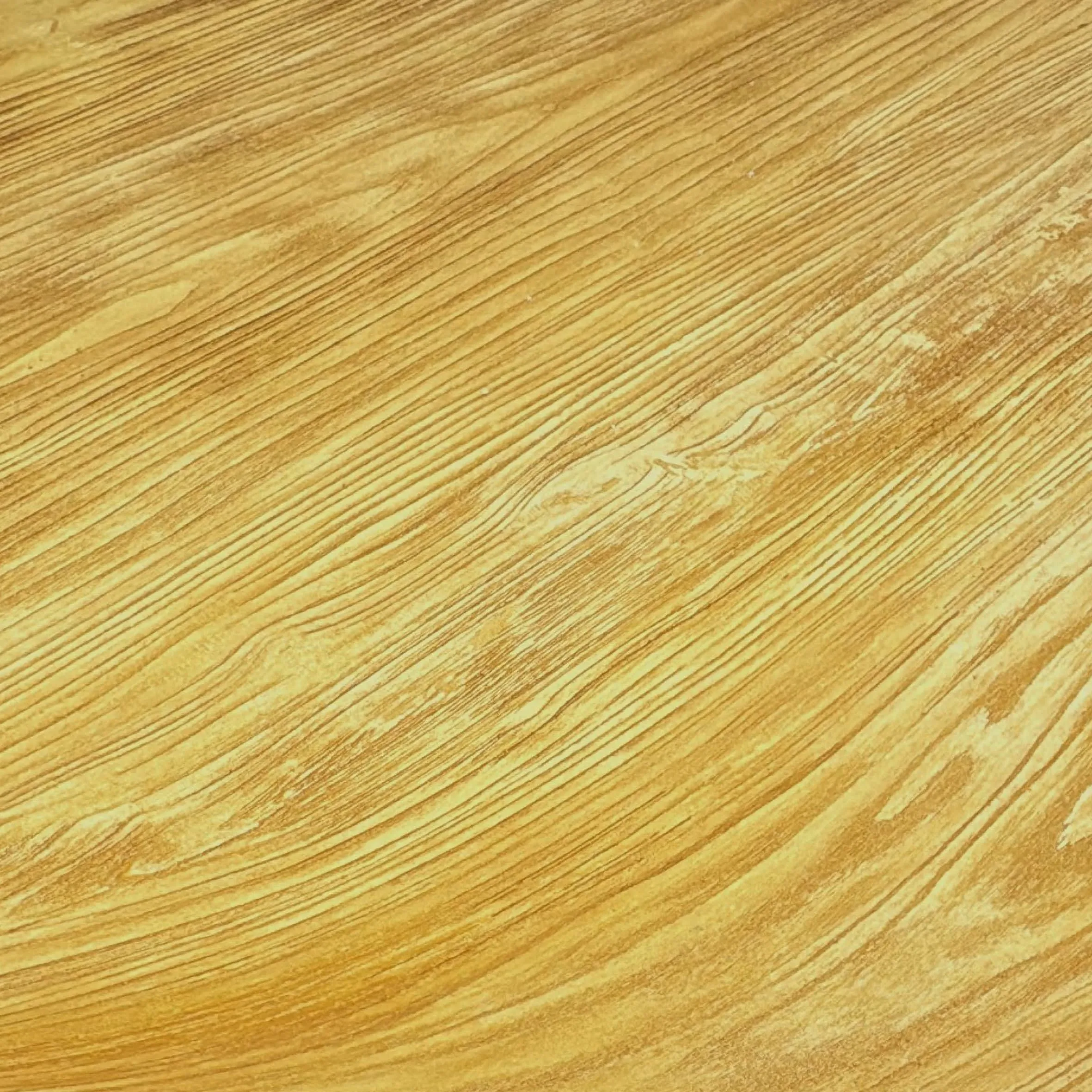
First things first: Let's demystify the term. MCM stands for Modified Composite Material, a category of building materials designed to combine the best of natural aesthetics with cutting-edge performance. At its core, MCM Wood Grain Board is a hybrid of natural minerals, high-grade polymers, and reinforced fibers, engineered to mimic the look and texture of real wood—down to the subtle grain patterns and knots—without the drawbacks of organic materials. Think of it as wood's smarter cousin: it looks like wood, feels like wood, but behaves like a superhero.
What sets it apart? For starters, it's part of a broader family of MCM products, including MCM flexible stone and MCM big slab board series, which share the same DNA of durability and versatility. But the wood grain variant takes things a step further by focusing on replicating the warmth of timber. Thanks to advancements in MCM 3D printing series technology, manufacturers can now create hyper-realistic wood textures, from the smoothness of sanded oak to the rugged charm of reclaimed barnwood. And unlike natural wood, it's flexible—able to bend slightly without cracking, making it ideal for curved or irregular high-rise facades that demand precision and adaptability.
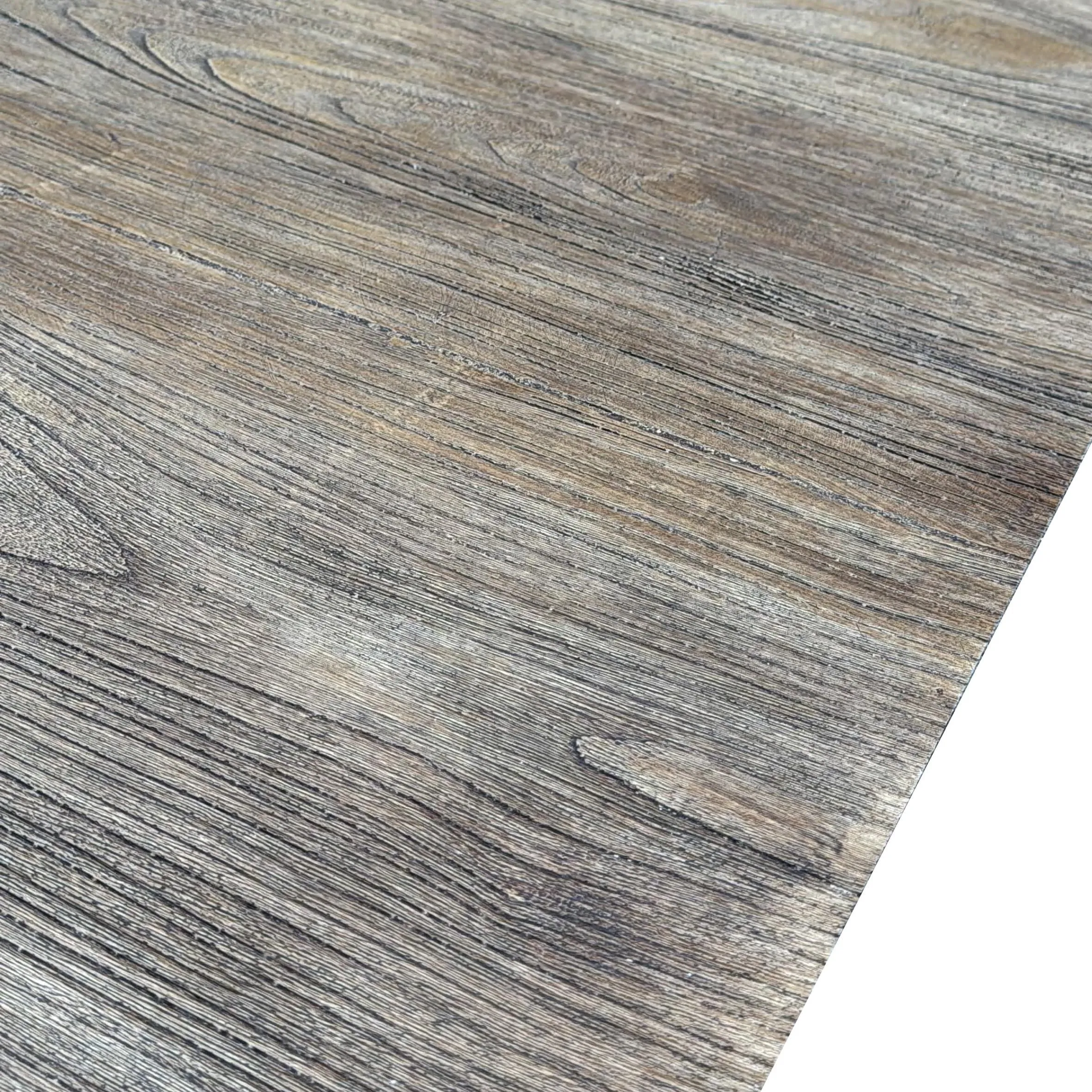
High-rise buildings face a unique challenge: every pound of exterior cladding adds up. The heavier the material, the more strain it puts on the building's frame, foundation, and overall structural integrity. Traditional options like natural stone or even thick concrete panels can weigh 30–50 kg per square meter, forcing engineers to overdesign support systems and increasing construction costs. MCM Wood Grain Board flips the script. Weighing in at just 4–6 kg per square meter, it's up to 90% lighter than natural stone and 70% lighter than standard concrete cladding. That's a game-changer for high-rises, where reducing dead load (the weight of the building itself) directly translates to safer, more efficient structures.
But don't let the lightweight fool you—this material is tough. Its composite structure, reinforced with fiberglass and polymer resins, gives it a tensile strength that rivals some metals. In lab tests, it withstands impacts from hail, high winds (up to 180 km/h), and even minor seismic activity without chipping or deforming. For developers, this means peace of mind: a cladding that won't compromise the building's structural health over time, even in regions prone to extreme weather. Imagine a 50-story tower clad in MCM Wood Grain Board—its exterior adds barely a fraction of the weight of traditional stone, yet stands just as tall against the elements. That's the power of smart engineering.
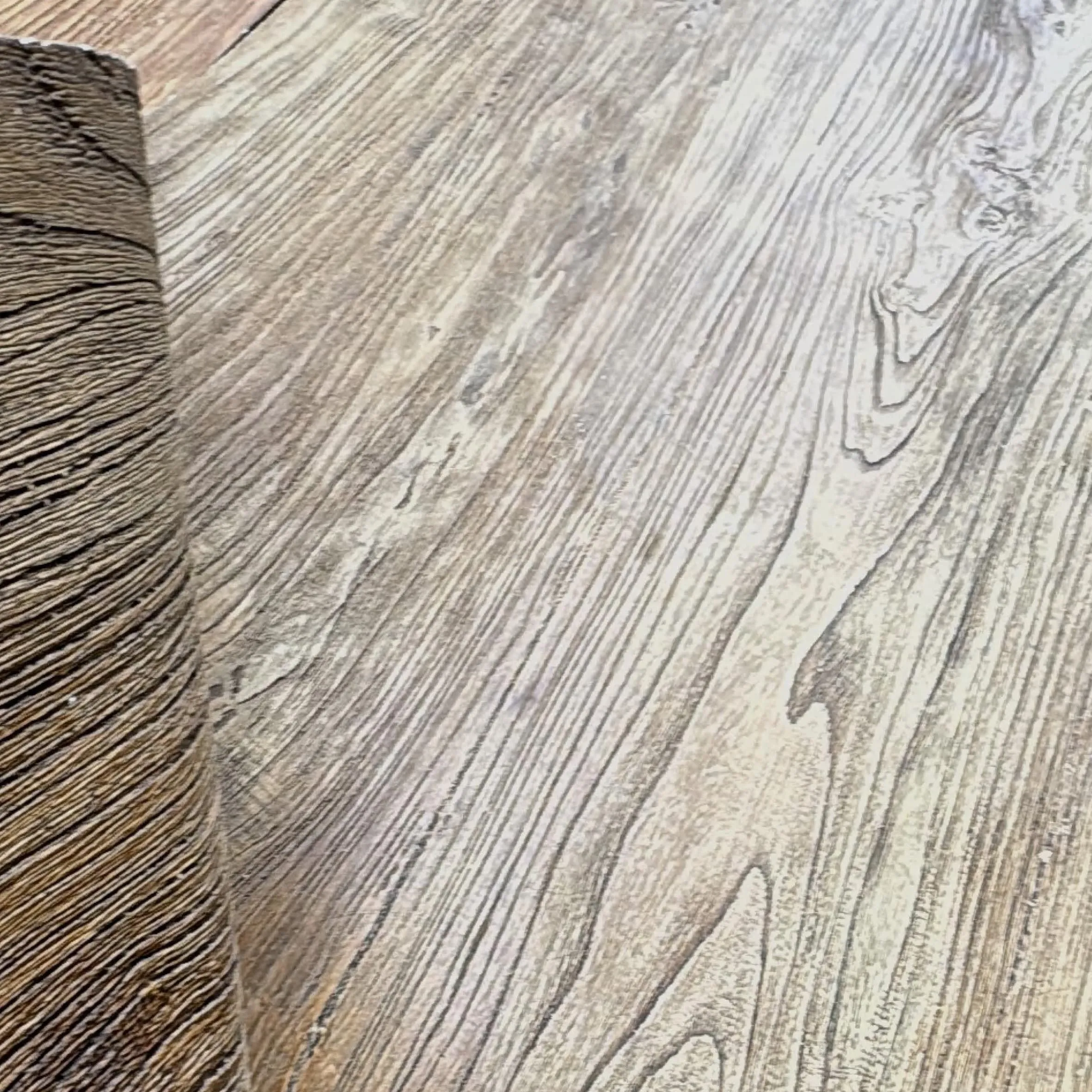
High-rise exteriors don't just face one enemy—they face a daily onslaught. UV rays fade colors. Rain and humidity breed mold. Freeze-thaw cycles crack stone. Salt air (in coastal cities) corrodes metal. Natural wood? It's a sitting duck. Even treated lumber fades in 5–7 years, warps with moisture, and needs repainting or sealing every few years. MCM Wood Grain Board, though? It's built to outlast these battles.
Let's break it down. The surface is treated with a UV-resistant coating that locks in color, so that rich oak or walnut hue you love today will still look vibrant in 20 years. Unlike wood, it doesn't absorb water, so mold and mildew have nowhere to grow. It's impervious to insects—termites and wood-boring beetles can't digest the composite blend. And because it's non-porous, it won't stain from rain, bird droppings, or pollution. Even in harsh environments, like the salty winds of a coastal high-rise or the extreme temperature swings of a desert city, it holds steady. Compare that to fair-faced concrete, which often develops hairline cracks over time, requiring costly repairs, or natural stone, which can etch from acid rain. MCM Wood Grain Board isn't just durable—it's low-maintenance durable. No annual sanding, no repainting, no replacing warped panels. Just a quick rinse with water now and then to keep it looking fresh.
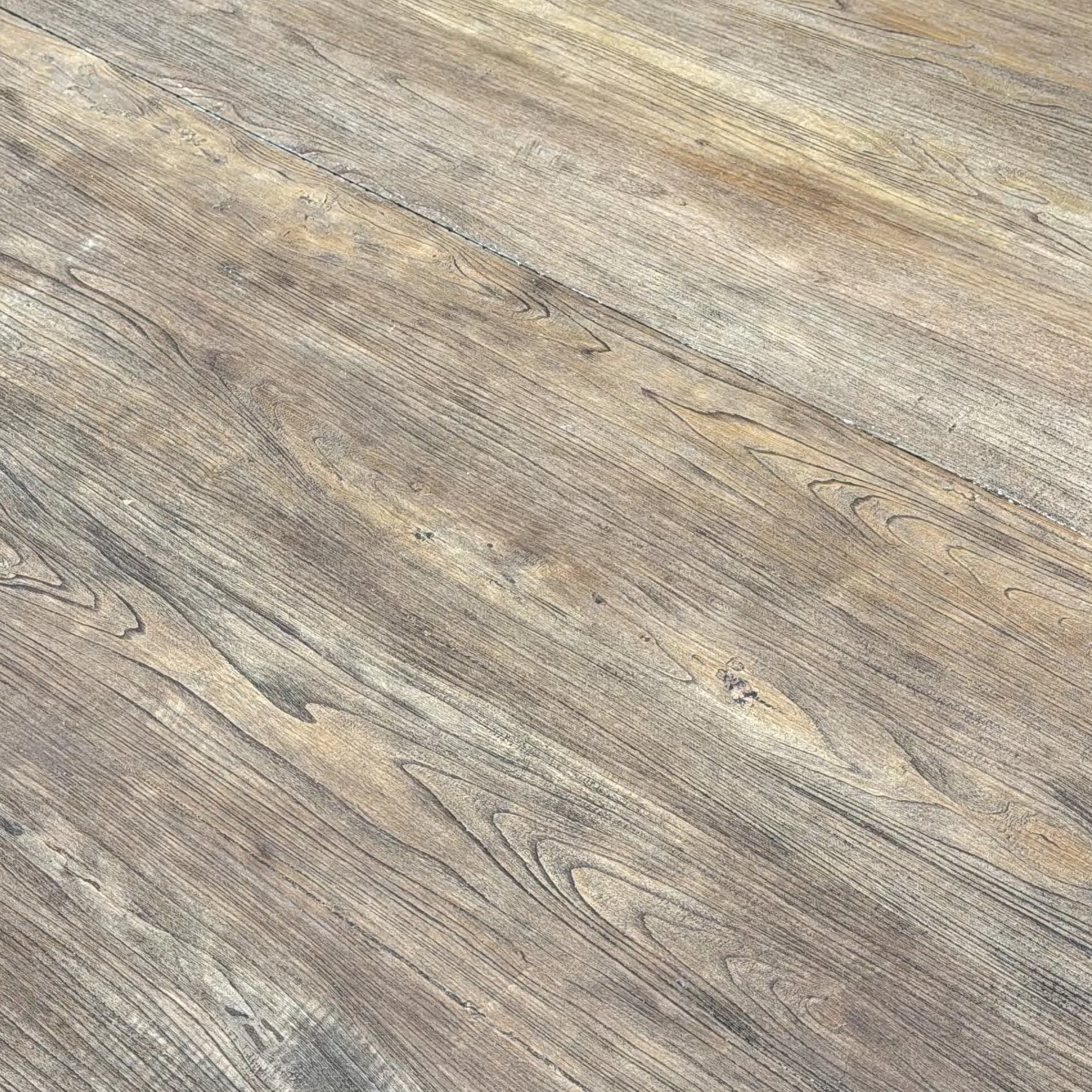
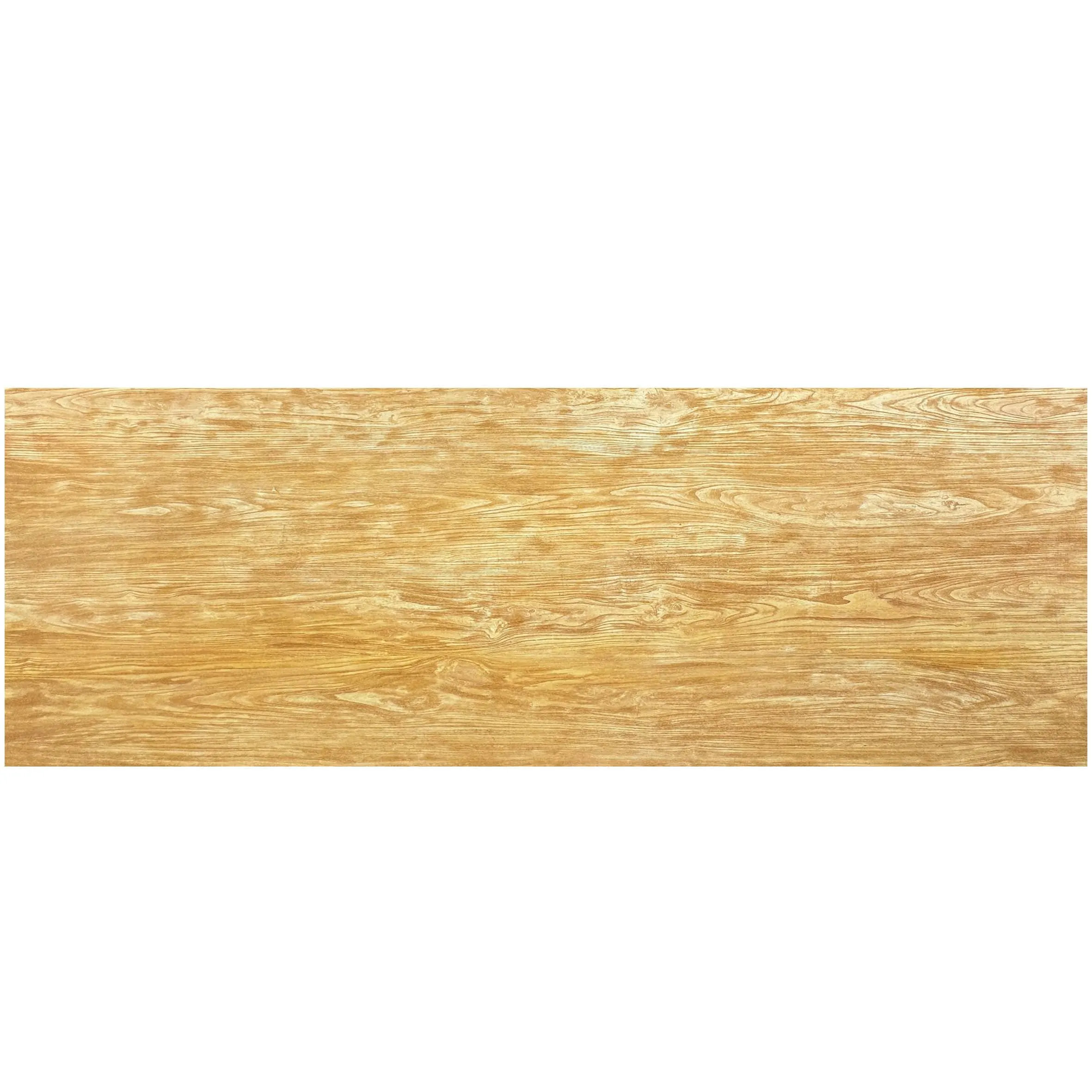
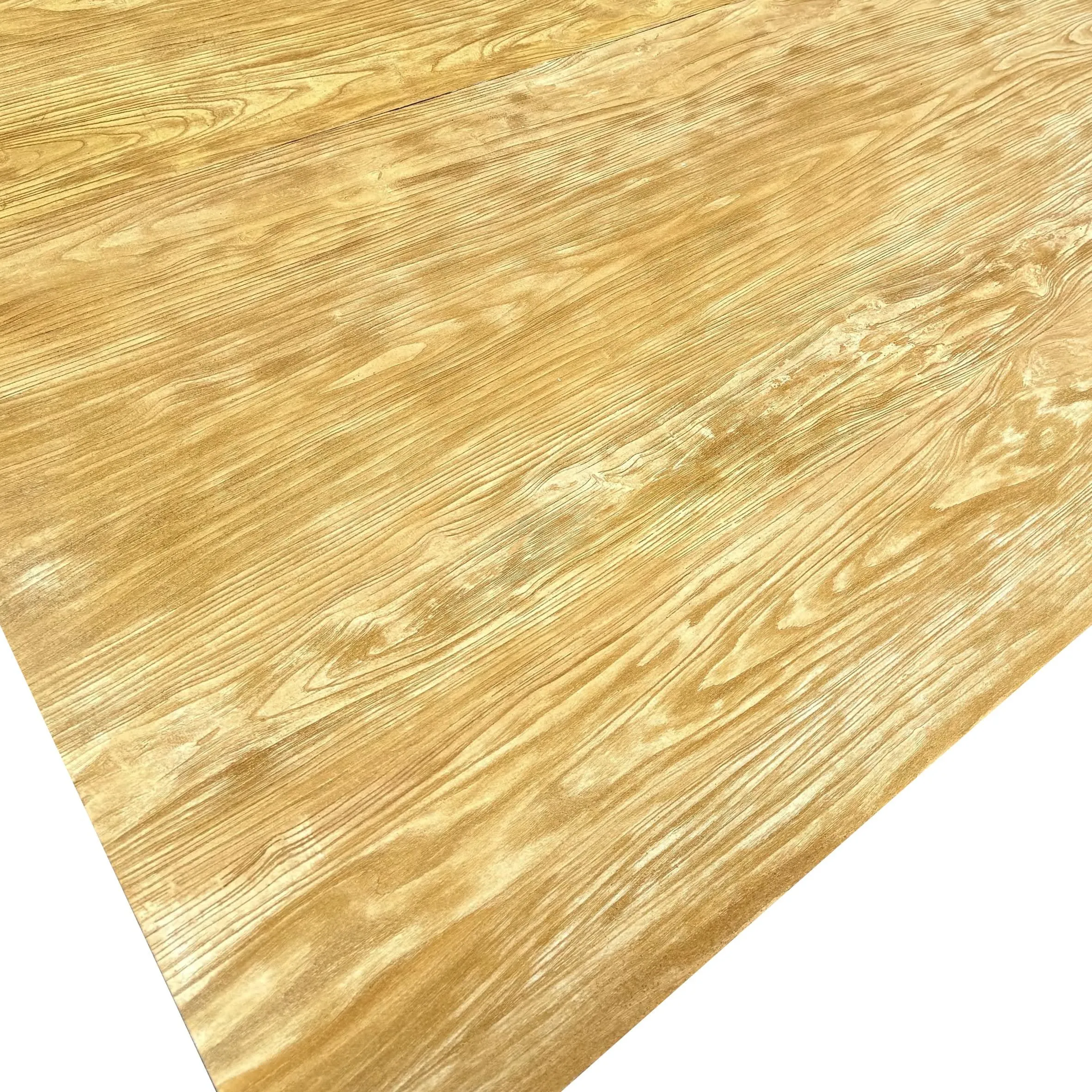
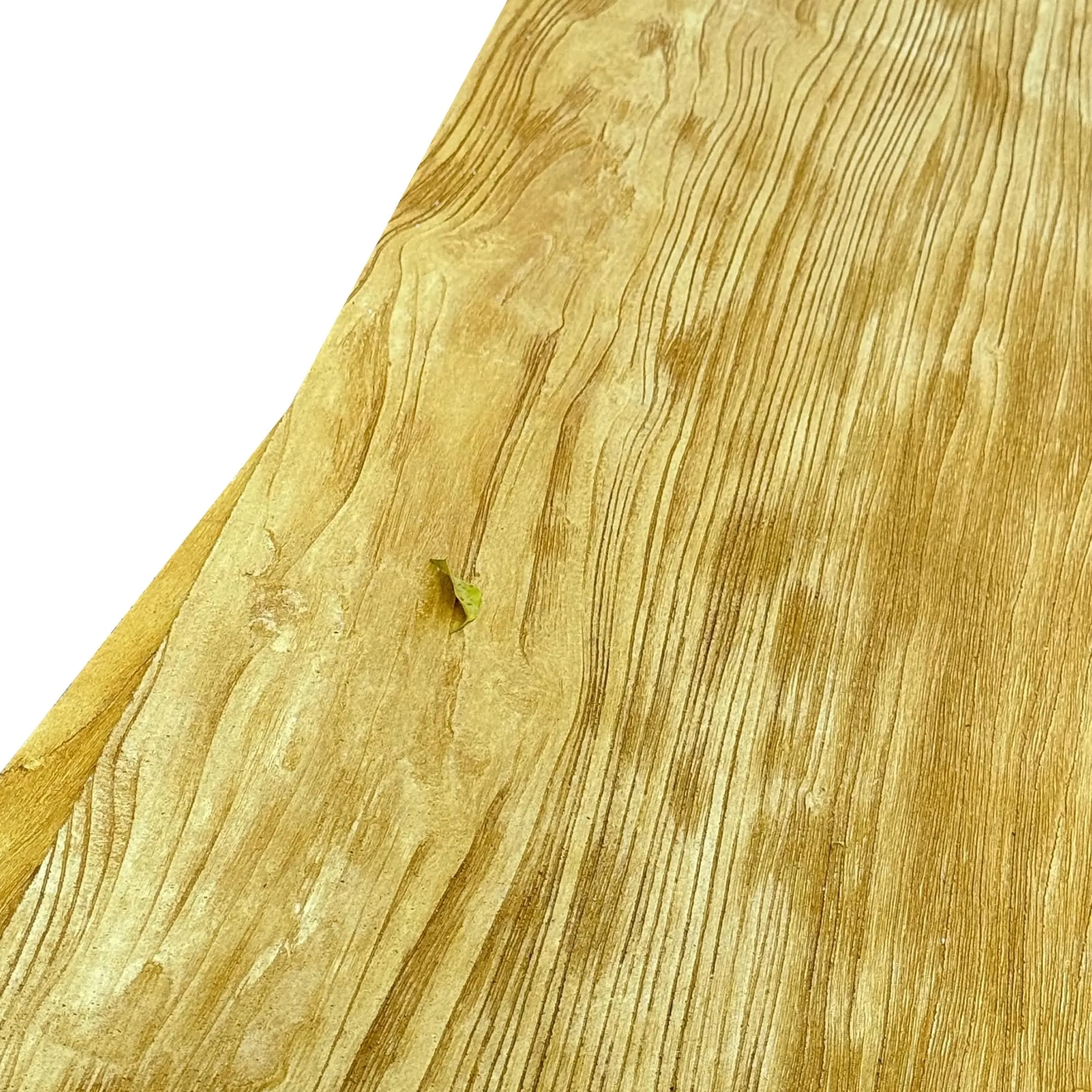
Here's the thing about high-rise exteriors: they're the "face" of a building. A dull, generic facade can make even the tallest tower fade into the background. MCM Wood Grain Board doesn't just solve functional problems—it elevates design. Let's start with the obvious: that wood grain texture. It's not a cheap print or a flat imitation. Thanks to MCM 3D printing series technology, the texture is deep and tactile. Run your hand over it, and you'll feel the rise and fall of the grain, just like real wood. But unlike natural wood, which is limited by tree species and geography, MCM Wood Grain Board offers endless possibilities.
Want a warm teak finish for a tropical-inspired high-rise? Done. Prefer the cool gray tones of reclaimed barnwood for an industrial-chic look? No problem. How about a custom blend—say, oak grain with subtle gold flecks—to match a building's brand identity? Consider it handled. And it's not just about color and grain. MCM Wood Grain Board pairs seamlessly with other MCM products, like MCM big slab board series for larger, smoother panels or MCM flexible stone for accent walls with a different texture. Imagine a high-rise where the lower floors feature bold, textured MCM flexible stone, transitioning to sleek MCM Wood Grain Board on the upper levels—creating a visual story that guides the eye upward. Or mixing wood grain panels with 3D-printed geometric patterns from the MCM 3D printing series for a facade that's part nature, part art. The result? A building that doesn't just exist in the city—it contributes to it.
And let's talk about light. Natural wood can look flat or washed out in direct sunlight, but MCM Wood Grain Board's surface is engineered to play with light. The subtle variations in its texture create depth, so the facade shifts appearance throughout the day—warmer in the morning, richer at dusk. It's the kind of detail that turns a building into a landmark.
Today's developers aren't just building structures—they're building legacies. And legacy means sustainability. MCM Wood Grain Board checks this box in spades, starting with its composition. Unlike natural wood, which requires felling trees (and often old-growth forests), MCM Wood Grain Board is made from a mix of recycled minerals (like stone dust from quarry waste) and plant-based polymers. That means less strain on natural resources and less waste going to landfills.
But it doesn't stop there. The manufacturing process is energy-efficient, too. Unlike firing bricks or cutting stone, which guzzles fossil fuels, producing MCM panels uses low-temperature curing, reducing carbon emissions by up to 40% compared to traditional cladding materials. And because MCM Wood Grain Board is lightweight, transporting it requires fewer trucks, cutting down on transportation-related emissions. Once installed, it contributes to a building's energy efficiency: its insulating properties help regulate interior temperatures, reducing the need for heating and cooling. Over time, that adds up to lower energy bills and a smaller carbon footprint.
Let's not forget longevity. A sustainable material isn't just about how it's made—it's about how long it lasts. MCM Wood Grain Board's 50+ year lifespan means fewer replacements, which translates to less waste over the building's lifetime. Compare that to vinyl siding (which lasts 20–30 years) or even natural wood (which may need replacing every 15–20 years). When the time does come to replace it, MCM panels are recyclable, closing the loop on sustainability.
For developers chasing green certifications like LEED or BREEAM, MCM Wood Grain Board is a no-brainer. It ticks boxes for recycled content, low-VOC emissions, and energy efficiency—all while delivering the aesthetic appeal that makes a project stand out.
Construction schedules are tight, budgets are tighter, and every delay costs money. MCM Wood Grain Board is a contractor's dream in this regard, starting with installation. Its lightweight design means it can be handled by two people instead of a crew with heavy machinery. No cranes needed for small panels; no specialized lifting equipment required. This cuts down on labor costs and speeds up the process. On average, MCM cladding can be installed 30% faster than natural stone or concrete panels, getting the building weather-tight sooner and reducing project timelines.
The installation system itself is intuitive, too. Most MCM Wood Grain Board panels use a tongue-and-groove or clip-on system, meaning they lock into place without messy adhesives or mortar. This not only speeds up installation but also allows for easy replacement if a panel is damaged—no need to tear out an entire section of the facade. For high-rises, where accessing upper floors is already a challenge, this modularity is a lifesaver.
Then there's maintenance. As we touched on earlier, MCM Wood Grain Board is low-maintenance by design. No sanding, no staining, no sealing. A yearly rinse with a garden hose is usually enough to keep it looking new. Even in areas with heavy pollution or salt air, a mild detergent and soft brush will remove grime without damaging the surface. Compare that to natural wood, which requires annual sealing and occasional repainting, or fair-faced concrete, which needs regular patching to fix cracks. Over the building's lifetime, the savings on maintenance labor and materials can run into the hundreds of thousands of dollars.
For property managers, this is a huge win. Less time spent on exterior upkeep means more time focusing on tenant satisfaction and other priorities. And for residents or occupants, it means living or working in a building that always looks its best—no unsightly repairs or faded facades.
| Feature | MCM Wood Grain Board | Natural Wood | Fair-Faced Concrete | Natural Stone |
|---|---|---|---|---|
| Weight (kg/m²) | 4–6 | 12–18 | 20–30 | 30–50 |
| Expected Lifespan | 50+ years | 15–20 years | 30–40 years | 50+ years |
| Weather Resistance | Excellent (UV, moisture, salt) | Poor (fades, warps, rots) | Good (prone to cracking) | Excellent (heavy, brittle) |
| Aesthetic Options | Unlimited (custom grains, colors) | Limited by tree species | Minimal (gray, industrial) | Limited by quarry availability |
| Installation Time | Fast (30% quicker than stone) | Moderate (needs sealing on-site) | Slow (heavy, requires curing) | Slow (heavy, requires specialized labor) |
| Annual Maintenance Cost | $5–$10/m² | $30–$50/m² (sealing, painting) | $15–$25/m² (patching, cleaning) | $20–$35/m² (sealing, repairs) |
| Sustainability | High (recycled materials, low emissions) | Low (requires deforestation) | Moderate (high embodied carbon) | Low (quarrying impacts ecosystems) |
*Cost estimates based on industry averages and may vary by location.
Numbers and specs tell part of the story, but real-world examples bring it to life. Take the "Ember Tower," a 42-story residential high-rise in downtown Seattle. When developers first planned the project, they wanted a warm, organic exterior to contrast with the city's glass-and-steel skyline. Their initial choice? Natural cedar cladding. But after crunching the numbers, they hit a wall: the weight of cedar would require reinforcing the building's frame, adding $2.4 million to construction costs. Maintenance estimates over 20 years? Another $1.8 million for sealing and replacement. That's when they turned to MCM Wood Grain Board.
The result? A facade that looks identical to cedar—warm, textured, and inviting—but weighs 70% less. The structural reinforcement budget was cut by $1.9 million. Installation took 6 weeks instead of 12, getting the building ready for tenants ahead of schedule. And the 20-year maintenance estimate? Just $300,000, thanks to MCM's durability. Today, Ember Tower is a local landmark, praised for its "natural" aesthetic and sustainability credentials. Tenants love the way the wood grain panels glow at sunset, and developers are already planning to use MCM Wood Grain Board for their next project.
Another example: the "Horizon Plaza" in Dubai, a 35-story commercial tower. Located on the coast, it needed a facade that could withstand salt air and intense UV rays. Traditional options like natural stone were too heavy, and fair-faced concrete would have looked sterile. MCM Wood Grain Board, paired with MCM flexible stone accents, delivered the solution. The wood grain panels (custom-matched to a local palm wood) add warmth, while the flexible stone adds texture. Three years later, the facade still looks brand-new, with zero signs of fading or corrosion. "It's like the building hasn't aged a day," says the property manager. "We've had tenants tell us they chose Horizon Plaza because of how it stands out—warm, modern, and unapologetically unique."
High-rise buildings are more than just structures—they're symbols of progress, innovation, and the human desire to reach new heights. To build them right, we need materials that can keep up: materials that are strong but not heavy, beautiful but not high-maintenance, sustainable but not sacrificing performance. MCM Wood Grain Board checks all these boxes and more.
It's lightweight enough to ease structural strain, durable enough to stand up to decades of urban life, and versatile enough to turn any design vision into reality. It saves time and money during construction, cuts long-term maintenance costs, and reduces environmental impact. And yes—it looks stunning, blending the best of nature and technology into a facade that tells a story.
As cities grow and architectural expectations rise, MCM Wood Grain Board isn't just an option—it's the future. It's proof that we don't have to choose between beauty and function, sustainability and durability. With MCM Wood Grain Board, high-rise exteriors can be all of these things: strong, smart, and soulful.
So the next time you look up at a high-rise and marvel at its exterior, take a closer look. Chances are, you're seeing MCM Wood Grain Board in action—quietly redefining what it means to build tall, build well, and build with purpose.
Recommend Products












