
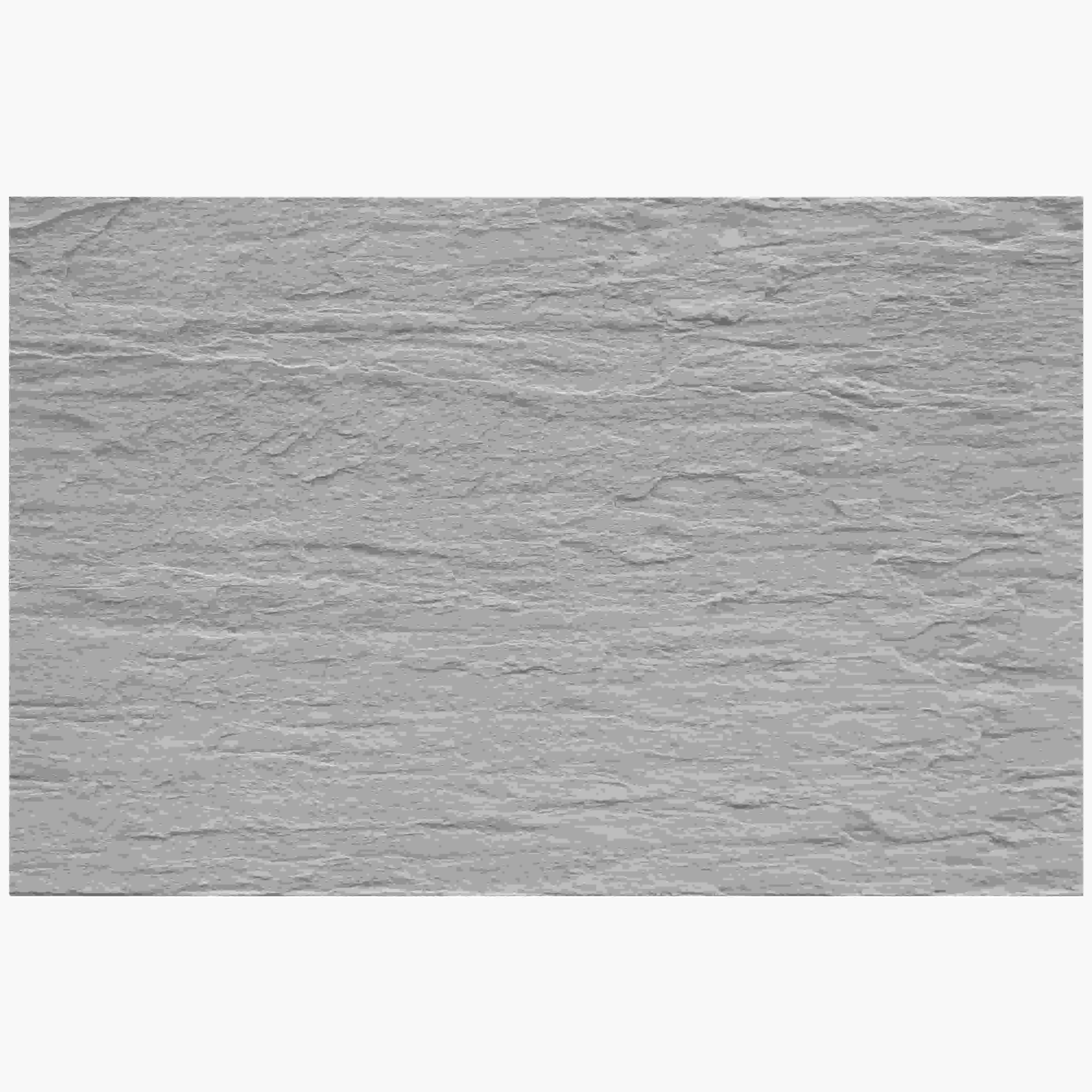
When winter arrives in regions like northern Canada, Scandinavia, or the Siberian plains, the world outside transforms into a frozen landscape. Snow blankets rooftops, ice coats sidewalks, and temperatures plunge to levels that test the limits of both people and the materials that build their homes and businesses. For builders, architects, and homeowners in these areas, choosing the right building materials isn't just about aesthetics—it's about survival. Cracking due to freeze-thaw cycles, skyrocketing heating bills from poor insulation, and mold growth from trapped moisture are constant headaches. Enter Oasis Stone Regular, a material that's quietly revolutionizing how we build in cold climates. In this article, we'll explore why this innovative product is becoming the go-to choice for those who refuse to let the cold compromise quality, durability, or comfort.
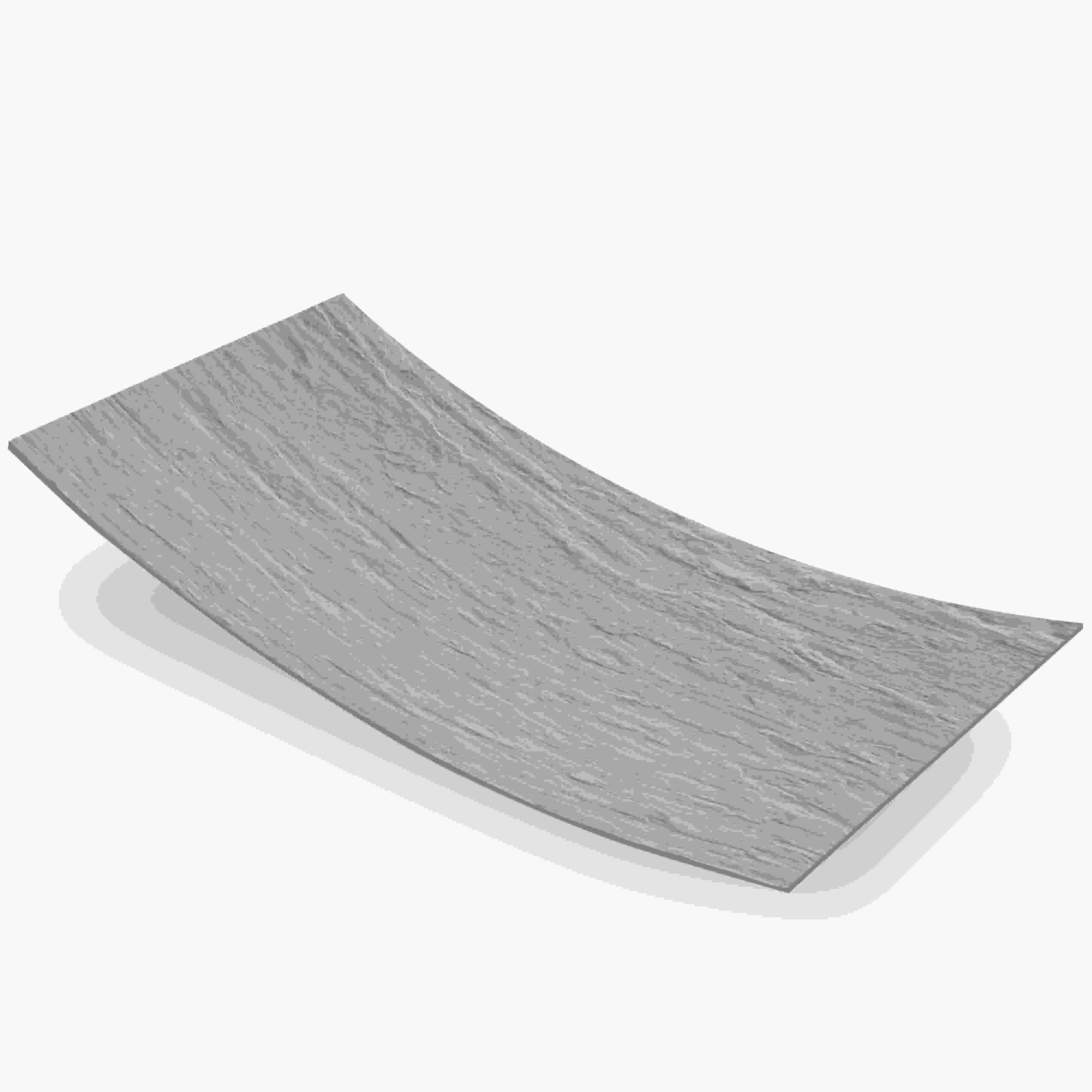
Before diving into its advantages, let's get to know Oasis Stone Regular. Part of the broader MCM (Modified Composite Material) family, it's a engineered stone panel designed to mimic the look and texture of natural stone while packing in performance features that natural stone can only dream of. At its core, it's a blend of high-strength polymers, mineral aggregates, and reinforcing fibers—think of it as natural stone's smarter, more resilient cousin. Unlike rigid, heavy stone slabs that are prone to cracking, Oasis Stone Regular's flexible stone composition allows it to adapt to temperature fluctuations, making it inherently suited for regions where the mercury swings between freezing and mild in a single day.
But what really sets it apart? It's not just a pretty face. Oasis Stone Regular is engineered with cold climates in mind, addressing the specific challenges that make building in these areas so (tricky). From thermal efficiency to resistance against ice and moisture, it's a material that works with the environment, not against it.

In cold climates, heating costs can account for up to 60% of a household's energy bill. The culprit? Poorly insulated walls that act like sieves, letting precious warmth escape and frigid air seep in. Oasis Stone Regular changes the game here with impressive thermal insulation properties. Its unique composition—dense yet lightweight—creates a natural barrier against heat transfer. To put it in perspective, traditional materials like fair-faced concrete have a thermal conductivity of around 1.5 W/m·K, meaning they conduct heat quickly. Oasis Stone Regular, on the other hand, boasts a thermal conductivity of just 0.18 W/m·K—nearly 8 times better at keeping heat inside where it belongs.
For a homeowner in Reykjavik, where winter temperatures hover around -5°C (23°F) and winds howl off the North Atlantic, this translates to tangible benefits. Imagine a living room with walls clad in Oasis Stone Regular: the furnace runs less frequently, the air feels consistently warm (no more cold spots near windows), and at the end of the month, the heating bill is noticeably lower. It's not just about saving money, though—it's about comfort. No more shivering while waiting for the thermostat to kick in; Oasis Stone Regular turns houses into havens, even when the world outside is frozen solid.
In cold climates, the most feared enemy of building materials isn't snow or ice—it's the freeze-thaw cycle. Here's how it works: water seeps into tiny cracks or pores in a material, freezes overnight (expanding by 9% in the process), and then thaws during the day. Repeat this cycle day after day, and even the toughest materials start to crumble. Natural stone, brick, and yes, even fair-faced concrete often fall victim to this, developing unsightly cracks that weaken the structure over time.
Oasis Stone Regular laughs in the face of freeze-thaw cycles. Thanks to its low porosity (moisture absorption is less than 2%), water simply can't penetrate its surface in large enough quantities to cause damage. In third-party lab tests, it withstood 500 freeze-thaw cycles (that's over 15 winters in most cold regions) with zero visible degradation. Compare that to traditional limestone (beige), which often starts showing cracks after just 100 cycles, or even some engineered stones that top out at 300 cycles. For a builder in Minnesota, where winters bring 40+ freeze-thaw events annually, this isn't just a selling point—it's a guarantee that the walls won't need costly repairs a decade down the line.
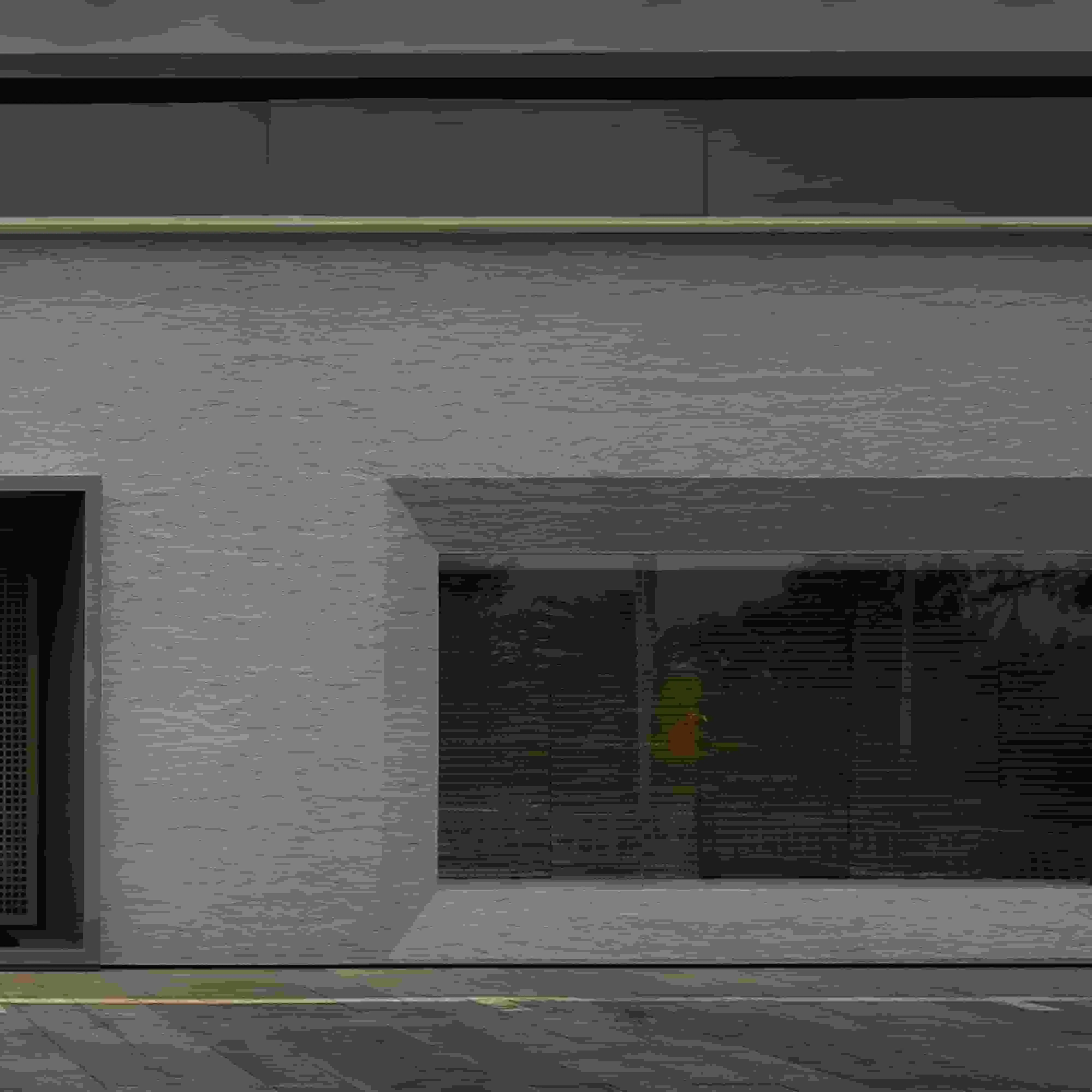
Cold climates aren't just dry, snowy wastelands—they're also prone to dampness. Melting snow, sleet, and freezing rain can leave walls saturated, creating the perfect breeding ground for mold, mildew, and rot. This isn't just a health hazard; it weakens structural integrity over time, turning small issues into big, expensive problems. Oasis Stone Regular's dense, non-porous surface acts as a shield against moisture. Unlike wood grain board or even some concrete panels that absorb water like a sponge, it repels liquid, ensuring that walls stay dry even during spring thaws or heavy snowmelt.
Take, for example, a restaurant in Stockholm with an exterior clad in Oasis Stone Regular. During a particularly harsh winter, snow piled up against the walls for weeks. When the snow finally melted, the owners braced for water damage—but there was none. The stone panels had kept the moisture out, and the interior walls remained dry and mold-free. For homeowners with basements or ground-floor rooms, this is a game-changer. No more worrying about musty smells or peeling paint; Oasis Stone Regular keeps the elements where they belong: outside.
In cold climates, it's easy to default to utilitarian, "bulletproof" materials that prioritize function over form. But why should beauty take a backseat to durability? Oasis Stone Regular proves you can have both. Available in a range of finishes and colors, it mimics everything from rough-hewn natural stone to sleek, modern textures, making it adaptable to any architectural style. Want a cozy cabin vibe? Opt for a finish that resembles historical pathfinders stone. Building a contemporary office in Oslo? Pair it with Lunar Peak Silvery accents for a futuristic look. The options are nearly endless, and unlike natural stone, which can vary wildly in color and texture, Oasis Stone Regular offers consistency—so every panel matches, ensuring a polished, professional finish.
This versatility extends to installation, too. Its lightweight design (around 12 kg/m²) means it can be installed on walls, facades, even ceilings without requiring heavy-duty structural support. Compare that to natural stone slabs, which can weigh 50 kg/m² or more, adding significant load to a building's frame. For a homeowner in a remote Alaskan town, where shipping heavy materials is costly and difficult, Oasis Stone Regular's light weight and easy installation translate to lower labor and transportation costs—without sacrificing the stone-like aesthetic they love.
Sustainability isn't just a buzzword; in cold climates, it's a practical necessity. With heating costs already high, reducing energy consumption isn't just eco-friendly—it's budget-friendly. Oasis Stone Regular checks both boxes. Its excellent thermal insulation means homes and buildings require less energy to heat, cutting down on carbon emissions and utility bills. But the sustainability story doesn't stop there. It's made with recycled materials (up to 30% of its composition is post-consumer recycled content), and its long lifespan (50+ years with minimal maintenance) means less waste from replacement panels. Unlike foamed aluminium alloy board (vintage silver), which often ends up in landfills once it's dented or damaged, Oasis Stone Regular is built to last, reducing its environmental footprint over time.
For developers aiming for green building certifications like LEED or BREEAM, Oasis Stone Regular is a valuable asset. Its low volatile organic compound (VOC) emissions, recycled content, and energy-saving properties contribute to points in multiple categories, making it easier to achieve those coveted certifications—and the tax incentives and marketability that come with them.
To truly appreciate Oasis Stone Regular's advantages, let's compare it to two common alternatives in cold climate construction: fair-faced concrete and foamed aluminium alloy board (vintage silver). The table below breaks down key performance metrics:
| Metric | Oasis Stone Regular | Fair-Faced Concrete | Foamed Aluminium Alloy Board (Vintage Silver) |
|---|---|---|---|
| Thermal Conductivity (W/m·K) | 0.18 (Excellent insulation) | 1.5 (Poor insulation) | 0.35 (Moderate insulation) |
| Freeze-Thaw Resistance (cycles) | 500+ (15+ winters) | 100-200 (3-6 winters) | 300-400 (10-13 winters) |
| Moisture Absorption (%) | <2% (Resistant to mold) | 8-12% (Prone to moisture damage) | 0.5% (Low, but poor insulation) |
| Weight (kg/m²) | 12 (Lightweight, easy installation) | 24 (Heavy, requires structural support) | 8 (Very light, but less durable) |
| Aesthetic Options | Wide range (stone, concrete, wood looks) | Limited (mostly gray, industrial) | Modern metallic finishes only |
As the table shows, Oasis Stone Regular outperforms fair-faced concrete in nearly every category, offering better insulation, durability, and moisture resistance. While foamed aluminium alloy board is lighter and has good moisture resistance, it lacks the thermal insulation of Oasis Stone Regular, often requiring additional insulation layers that drive up costs. For cold climate regions, where thermal efficiency and freeze-thaw resistance are non-negotiable, Oasis Stone Regular emerges as the clear winner.
Numbers and lab tests are one thing, but real-world results speak louder. Let's look at a few examples of Oasis Stone Regular in action:
A Residential Development in Edmonton, Canada: A developer built 50 townhomes using Oasis Stone Regular for exterior cladding. After two harsh winters (temperatures as low as -35°C), (residents) reported average heating bills 25% lower than similar homes in the area. Inspections showed zero cracking or moisture issues, even on units facing north, which bore the brunt of winter winds.
A Ski Lodge in the Swiss Alps: Located at 2,000 meters above sea level, this lodge is exposed to heavy snow, ice, and extreme temperature swings. Oasis Stone Regular was chosen for its durability and aesthetic appeal. Three years later, the facade still looks brand-new, with no signs of wear from snowplows, ice, or freeze-thaw cycles. Guests often comment on how warm and cozy the interior feels, even when blizzards rage outside.
A School in Helsinki, Finland: Tasked with building a school that could withstand Finland's long, cold winters, architects chose Oasis Stone Regular for its low maintenance and safety features. Its slip-resistant surface (even when icy) and resistance to graffiti have made it a hit with both staff and students. Plus, the school's energy bills are 30% lower than projected, freeing up funds for educational programs.
In cold climate regions, building materials don't just need to perform—they need to excel. Oasis Stone Regular does more than that; it redefines what's possible. From its superior thermal insulation that cuts energy costs to its unbeatable resistance to freeze-thaw cycles and moisture, it's a material that addresses the unique challenges of cold weather head-on. Add in its aesthetic versatility, sustainability, and ease of installation, and it's clear why more and more builders, architects, and homeowners are making the switch.
So, if you're building in a region where winter is more than just a season—it's a way of life—don't settle for materials that merely "get by." Choose Oasis Stone Regular, and build with confidence, knowing your structure will stand strong against the cold for decades to come. After all, in the battle against winter, why not have the best ally on your side?
Recommend Products












