
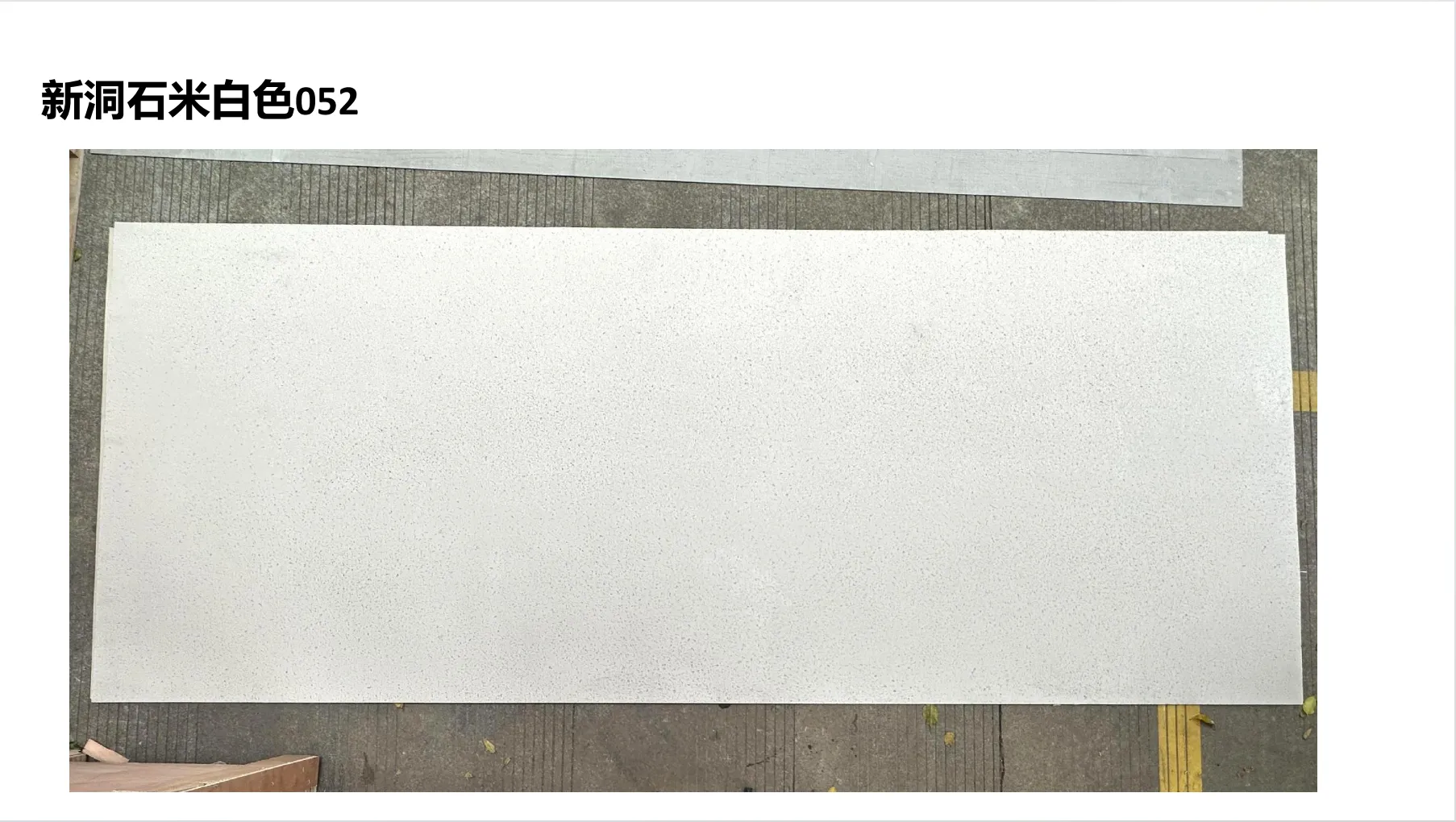
Saudi Arabia's desert landscapes are breathtaking—endless horizons, golden dunes, and skies that shift from soft pastels at dawn to fiery oranges at sunset. But for architects and builders, this beauty comes with a unique set of challenges. The climate here is unforgiving: summer temperatures soar above 50°C (122°F), UV radiation beats down relentlessly, and sandstorms whip abrasive particles across surfaces. Traditional building materials often struggle to keep up, fading, cracking, or losing their luster within years. Enter MCM flexible stone, a game-changer in the world of construction materials. Among its impressive lineup, White Travertino stands out as a particularly compelling choice for Saudi Arabia's harsh desert environments. Let's explore why this material isn't just a trend, but a practical, sustainable, and stunning solution for the region.
To appreciate why MCM flexible stone—and White Travertino in particular—thrives here, it helps to first grasp the extremes it must endure. In cities like Riyadh, Jeddah, or Dammam, buildings face a daily onslaught: intense heat that causes materials to expand and contract, leading to cracks; UV rays that bleach colors and degrade surfaces; and sandstorms that act like sandpaper, wearing down exteriors. Traditional materials like natural travertine or fair-faced concrete often fall short. Natural travertine, while beautiful, is porous and prone to water absorption (a problem even in deserts, where occasional rains or high humidity can seep in), and it's heavy, adding strain to building structures. Fair-faced concrete, though durable, absorbs heat, turning buildings into ovens and driving up cooling costs. MCM flexible stone, however, was engineered to address these very issues—and White Travertino is a prime example of this innovation.
At the heart of MCM flexible stone's appeal is its unmatched resilience, and White Travertino embodies this. Let's start with the heat. Saudi summers aren't just hot—they're extreme. Daytime temperatures regularly hit 45°C (113°F), and surfaces like roofs or walls can reach 70°C (158°F) under direct sunlight. Traditional stone or concrete expands under this heat, then contracts at night, leading to cracks over time. MCM flexible stone, however, is made from a modified composite material that's designed to minimize thermal expansion. Think of it as a material that "breathes" with temperature changes, rather than fighting against them. This means less cracking, fewer repairs, and a longer lifespan for buildings.
Then there's UV radiation. The desert sun doesn't just warm things up—it fades colors, turning vibrant facades into dull shadows of their former selves. White Travertino, though light in color, resists this fading thanks to specialized pigments and a protective top layer that locks in its hue. Unlike natural travertine, which can yellow or gray over time, MCM's White Travertino maintains its crisp, clean appearance for decades. This is a huge plus for commercial buildings, hotels, or residential complexes where curb appeal directly impacts value.
Sandstorms are another enemy. When winds hit 60 km/h (37 mph), they hurl sand grains at buildings with enough force to scratch glass and erode soft materials. MCM flexible stone's surface is tough—abrasion-resistant and scratch-proof. Imagine running a handful of sand over a piece of White Travertino; unlike painted concrete or even some natural stones, it won't leave visible marks. This durability ensures that buildings stay looking new, even after years of desert storms.
In a world increasingly focused on sustainability, MCM flexible stone checks all the boxes—and White Travertino is no exception. Let's start with production. Traditional stone quarrying is resource-intensive, stripping landscapes and generating significant waste. MCM, however, uses a blend of recycled materials and natural minerals, reducing its environmental footprint. The 3D printing series, a subset of MCM products, takes this further by using precise additive manufacturing to minimize waste. Instead of cutting large blocks of stone and discarding the excess, 3D printing builds materials layer by layer, using only what's needed. This not only reduces waste but also allows for intricate designs that would be impossible with traditional methods—though White Travertino itself leans into natural simplicity, the 3D printing series highlights MCM's commitment to eco-friendly innovation.
But sustainability in the desert isn't just about production—it's about performance. Buildings here rely heavily on air conditioning to stay livable, and cooling costs can account for up to 60% of a commercial building's energy use. MCM White Travertino helps reduce this burden. Its composite structure has natural insulating properties, acting as a barrier between the scorching outside and the cool inside. Think of it as a thermal blanket for your building: it keeps heat out during the day and retains cool air at night. Compare this to fair-faced concrete, which absorbs heat like a sponge and radiates it back into the building long after the sun sets. With MCM White Travertino, HVAC systems work less, energy bills drop, and carbon footprints shrink. That's a win for both the planet and the bottom line.
Resilience and sustainability are critical, but buildings in Saudi Arabia also need to inspire. Architecture here is a mix of tradition and modernity—from historic mud-brick forts to sleek, futuristic skyscrapers in Riyadh and Dubai. White Travertino fits seamlessly into both worlds, thanks to its timeless aesthetic and subtle texture. Unlike some synthetic materials that look "plastic" or overly uniform, MCM White Travertino mimics the natural beauty of travertine: soft, matte finishes, delicate veining, and a warm, organic feel. It's the kind of material that catches the light differently throughout the day—glowing softly at dawn, cooling the eye under the midday sun, and taking on a golden hue at sunset, mirroring the desert's own color shifts.
And it's versatile. Want to design a contemporary villa with clean lines? White Travertino's crisp finish complements modern architecture, creating a sense of calm and spaciousness. Restoring a heritage property? Its earthy texture pairs beautifully with traditional Saudi design elements like wooden latticework or hand-carved stone. For projects that need a pop of contrast, MCM's Lunar Peak series—think Lunar Peak silvery for a cool, metallic accent or Lunar Peak golden for warmth—works harmoniously with White Travertino, adding depth without overwhelming the design. Imagine a hotel facade in Al Ula, where White Travertino forms the main canvas, accented with Lunar Peak golden strips that catch the sun, echoing the region's ancient rock formations. It's beauty that tells a story, rooted in the desert's landscape.
The flexibility of MCM materials also opens up design possibilities. Unlike rigid natural stone, MCM flexible stone can bend slightly, making it ideal for curved surfaces—think rounded building corners, arched doorways, or even sculptural facades. This adaptability means architects aren't limited by the material; they can let their creativity flow, knowing the material will keep up. Whether it's cladding a high-rise, tiling a courtyard, or accenting an interior wall, White Travertino adds a touch of elegance that feels both luxurious and grounded.
For architects and builders, resilience and beauty are only part of the equation—materials also need to be practical. MCM White Travertino delivers here, too. Let's start with weight. Traditional travertine slabs can weigh 20-30 kg per square meter, adding significant load to building structures. This often requires reinforced foundations and more labor to install. MCM flexible stone, by contrast, is lightweight—typically around 5-8 kg per square meter. That's less strain on the building, simpler foundations, and easier handling on site. Imagine a construction crew installing cladding: with lighter panels, they can work faster, reduce fatigue, and minimize the risk of injuries. It's a small detail that adds up to big savings in time and labor costs.
Installation is also a breeze. MCM panels come in large sizes (thanks in part to the precision of the 3D printing series), which means fewer seams and faster installation. They can be cut on site with standard tools, and they attach easily to various substrates—concrete, metal, wood—without the need for heavy adhesives or complex fixing systems. This is a game-changer for tight construction schedules, especially in Saudi Arabia where projects often aim to beat the summer heat by finishing before temperatures peak.
Then there's maintenance. Natural travertine is porous, so it needs regular sealing to prevent stains from dust, rain, or spills. Miss a sealing, and you could end up with permanent discoloration. MCM White Travertino, though, is non-porous and stain-resistant. A quick hose-down with water is usually enough to keep it clean—no expensive sealants, no specialized cleaners, just simple upkeep. For busy property managers or homeowners, this means less time and money spent on maintenance, and more time enjoying the building.
| Feature | Traditional Travertine | Fair-Faced Concrete | MCM White Travertino |
|---|---|---|---|
| Weight (kg/m²) | 20-30 | 25-35 | 5-8 |
| Thermal Expansion Resistance | Low (prone to cracking) | Moderate (some cracking over time) | High (minimal expansion/contraction) |
| UV Fading Resistance | Low (fades in 5-7 years) | Moderate (fades in 10-15 years) | High (resists fading for 20+ years) |
| Maintenance Needs | High (seal every 1-2 years) | Moderate (occasional cleaning) | Low (hose down as needed) |
| Installation Time | Long (heavy, requires precision) | Moderate (requires formwork) | Short (lightweight, easy to cut/attach) |
Saudi Arabia's desert climate is a force to be reckoned with, but it's also a source of inspiration. Buildings here don't just need to survive—they need to thrive, blending durability with beauty, sustainability with practicality. MCM flexible stone, and White Travertino in particular, rises to this challenge. It's a material that understands the desert: it resists its harshness, respects its beauty, and works with its rhythms. Whether you're designing a residential complex in Dammam, a hotel in Makkah, or a commercial tower in Riyadh, White Travertino offers the best of both worlds—resilience that lasts decades and elegance that turns heads.
And with MCM's broader range—from the 3D printing series that pushes design boundaries to the Lunar Peak collection that adds metallic flair—builders and architects have a toolkit to create spaces that are not just built for the desert, but born from it. In a region where the future of architecture is as bright as its sun, MCM White Travertino isn't just a material—it's a partner in building something extraordinary.
Recommend Products












