

Walk into any thoughtfully designed space—a boutique hotel lobby, a sunlit residential living room, or a sleek corporate office—and you'll notice something subtle but powerful: the materials tell a story. They shape how we feel, how light moves, and how the space evolves throughout the day. For architects, choosing the right material isn't just about function; it's about crafting an experience. And in recent years, one material has been quietly stealing the spotlight for its ability to blend artistry with practicality: COLORIA's Fine Line Stone (White). Let's dive into why this unassuming yet striking material has become a go-to for architects aiming to create spaces that feel both timeless and alive.
At first glance, Fine Line Stone (White) might seem like a simple material—but that's part of its charm. It doesn't shout; it whispers, drawing the eye with delicate, naturally inspired lines that mimic the gentle erosion of stone over centuries. Unlike bold marbles or industrial concretes, it carries a softness that feels both organic and refined. Imagine a wall clad in it: sunlight filters through floor-to-ceiling windows, catching the subtle ridges and valleys of its surface. The light doesn't bounce harshly; it diffuses, casting warm, dappled shadows that shift as the day turns to evening. It's the kind of material that makes a space feel "lived-in" yet elevated, like a well-loved book with pages that still glow.
What sets Fine Line Stone (White) apart is its texture. Run a hand over it, and you'll feel a tactile quality that's neither too rough nor too smooth—just enough to invite touch. The lines, thin and irregular, aren't machine-perfect; they meander like streams or the veins in a leaf, giving the material a sense of movement. This isn't a static surface; it's dynamic, changing with the light and the angle from which you view it. In a world of cookie-cutter finishes, this uniqueness is gold for architects who want spaces to feel one-of-a-kind.
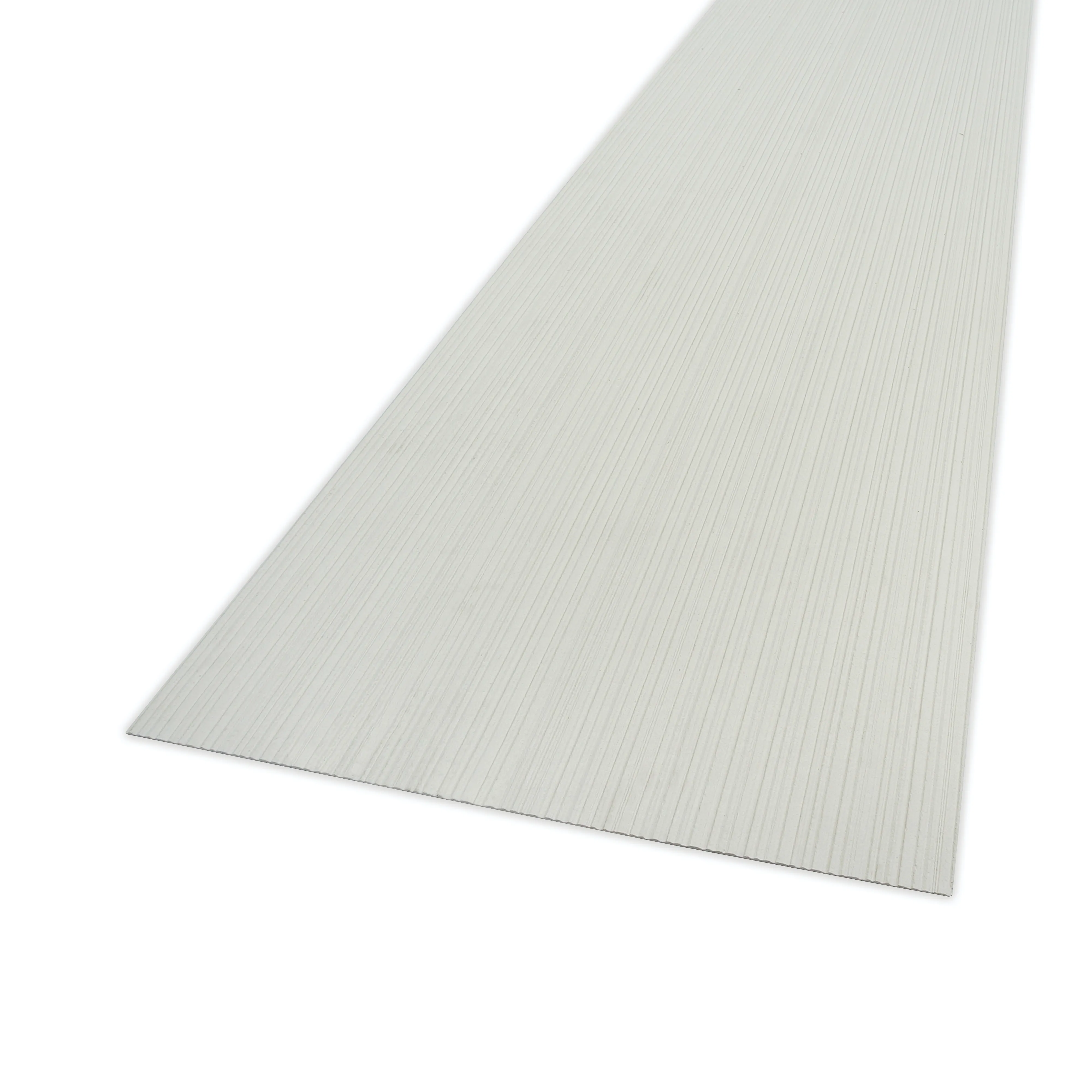
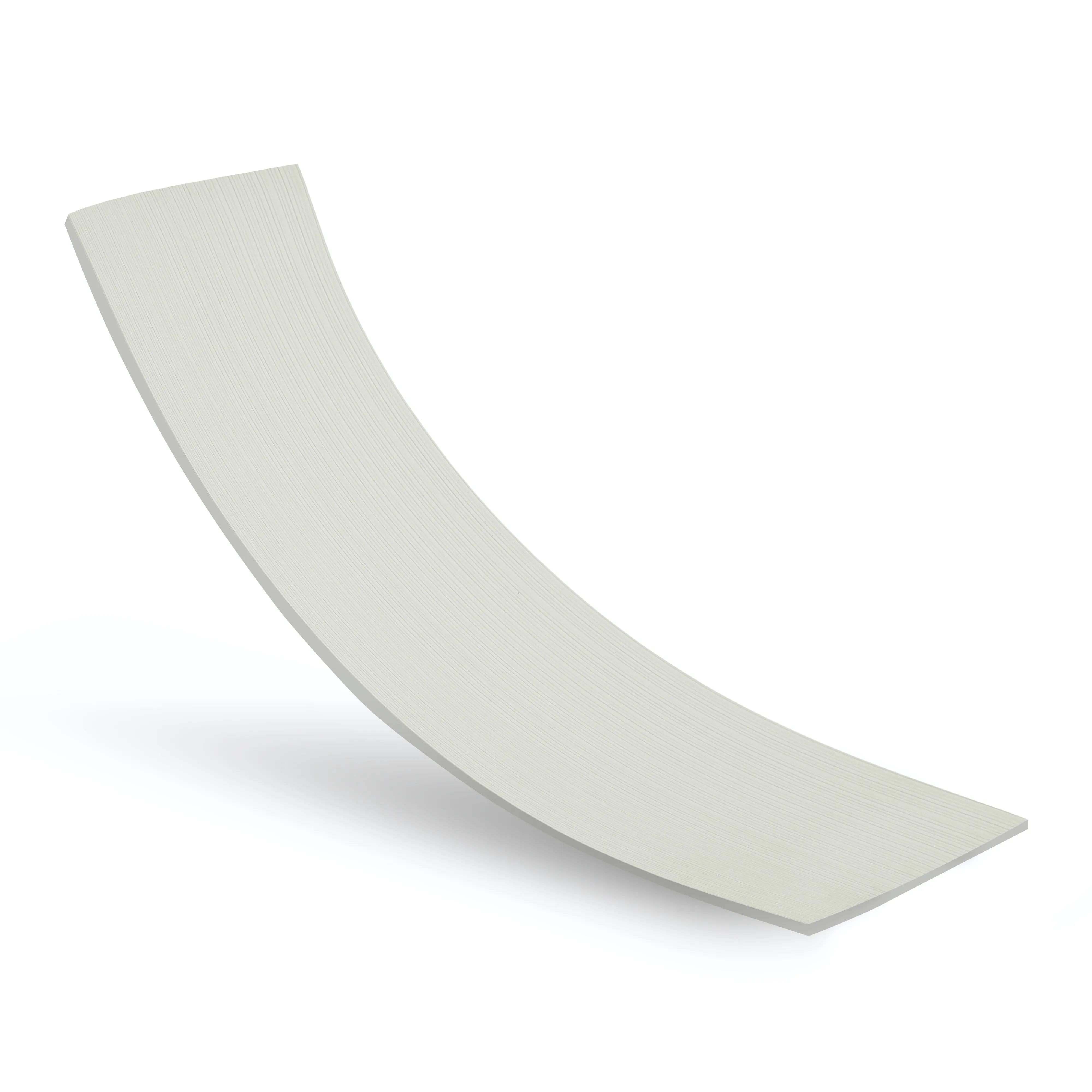
Of course, beauty alone won't win over architects—they need materials that perform. That's where COLORIA's MCM flexible stone technology comes in. Fine Line Stone (White) is part of the MCM (Modified Composite Material) family, a innovation that marries the look and feel of natural stone with the practicality of modern engineering. MCM flexible stone is lightweight—up to 80% lighter than traditional stone slabs—making it easier to transport, install, and adapt to curved or unconventional surfaces. For architects working on projects with weight restrictions or unique designs (think a sweeping, curved feature wall in a museum), this flexibility is a game-changer.
But don't let "flexible" fool you—this material is tough. MCM is resistant to scratches, moisture, and UV rays, meaning it holds up in high-traffic areas like hotel lobbies or outdoor patios. It's also fire-retardant, a critical safety feature for commercial spaces. Architects love it because it checks all the boxes: beautiful, durable, and easy to work with. No more compromising between "what looks good" and "what works"—Fine Line Stone (White) delivers both.

To truly appreciate Fine Line Stone (White), it helps to see how it compares to other popular materials architects often consider. Let's break it down:
| Material | Aesthetic Vibe | Durability | Installation Ease | Best For |
|---|---|---|---|---|
| Fine Line Stone (White) | Soft, organic lines; diffused light; warm minimalism | High (scratch, moisture, UV-resistant) | Easy (lightweight, flexible for curves) | Residential interiors, boutique hotels, lobbies |
| Fair-Faced Concrete | Industrial, stark, bold texture | Very high (but prone to staining) | Heavy, rigid (needs structural support) | Warehouse conversions, modernist exteriors |
| Wood Grain Board | Warm, cozy, natural grain patterns | Medium (vulnerable to water, scratches) | Moderate (needs sealing, not ideal for wet areas) | Cottages, cafes, rustic-inspired spaces |
Fair-faced concrete, for example, is beloved for its raw, industrial edge—but it can feel cold and uninviting in intimate spaces. Wood grain board brings warmth, but it's not always practical for high-moisture areas like bathrooms or outdoor spaces. Fine Line Stone (White) hits the sweet spot: it has the organic warmth of wood, the durability of concrete, and a softness all its own. It's versatile, too—use it on walls, ceilings, even furniture accents—and it plays well with other materials. Pair it with warm woods or matte blacks, and it elevates both without competing.
Architects aren't just spec'ing Fine Line Stone (White) for its looks—they're using it to solve design challenges. Take the case of a recent boutique hotel in downtown Portland. The architect wanted the lobby to feel "calm yet memorable," a space where guests would pause and breathe after a long day of travel. They considered marble (too flashy), concrete (too harsh), and finally landed on Fine Line Stone (White). Clad on the main feature wall behind the reception desk, it serves as a neutral backdrop that lets the hotel's art and soft lighting take center stage. "It's not about the stone itself," the architect noted, "it's about how it makes the space feel. Guests walk in and sigh—you can't put a price on that."
In residential projects, it's become a favorite for accent walls in bedrooms and living rooms. One homeowner in Seattle described it as "the perfect balance between modern and cozy." They used it in their primary bedroom, pairing it with a wooden platform bed and soft linen curtains. "At night, with the bedside lamps on, the stone glows like it's lit from within," they said. "It's become the room's focal point without being overwhelming."
Even commercial spaces are embracing it. A tech startup in San Francisco chose Fine Line Stone (White) for their open-concept office, using it to divide work zones without closing off the space. "We wanted something that felt collaborative but not chaotic," the company's facilities manager explained. "The stone's soft lines create 'zones' without walls, and it's tough enough to handle employees leaning against it or moving furniture around. Plus, it doesn't show smudges—huge win for a busy office!"
These days, architects don't just care about how a material looks or works—they care about its impact on the planet. Fine Line Stone (White) checks this box, too. As part of COLORIA's MCM line, it's made with eco-friendly materials and processes. Unlike natural stone, which requires heavy mining and transportation, MCM flexible stone uses recycled content and produces minimal waste during manufacturing. It's also energy-efficient to install, thanks to its lightweight design, reducing carbon emissions from transportation and construction.
For architects aiming for LEED certification or sustainable building goals, this is a big plus. "Sustainability isn't a trend anymore; it's a requirement," says a green-building consultant in Chicago. "Materials like Fine Line Stone (White) let us meet those goals without sacrificing design. Clients want spaces that are beautiful and responsible—and this material delivers both."
At the end of the day, architects choose materials that help them tell a story. Fine Line Stone (White) isn't just a surface—it's a narrative tool. It speaks to a desire for spaces that are authentic, timeless, and human-centered. It's for the architect who wants to create a lobby that feels like a hug, a bedroom that feels like a sanctuary, or an office that feels like a creative hub.
It's the little things, too: the way it ages gracefully, developing a subtle patina over time that makes it feel more personal. The way it works with any design style, from Scandinavian minimalism to coastal chic. The way it solves practical problems—weight, durability, installation—without ever feeling like a "compromise."
So the next time you step into a space that feels uniquely "right," take a closer look at the walls. Chances are, you might be standing in front of Fine Line Stone (White)—a material that proves beauty and function don't have to be enemies. For architects, it's more than a choice; it's a partner in crafting spaces that matter.
Recommend Products












