
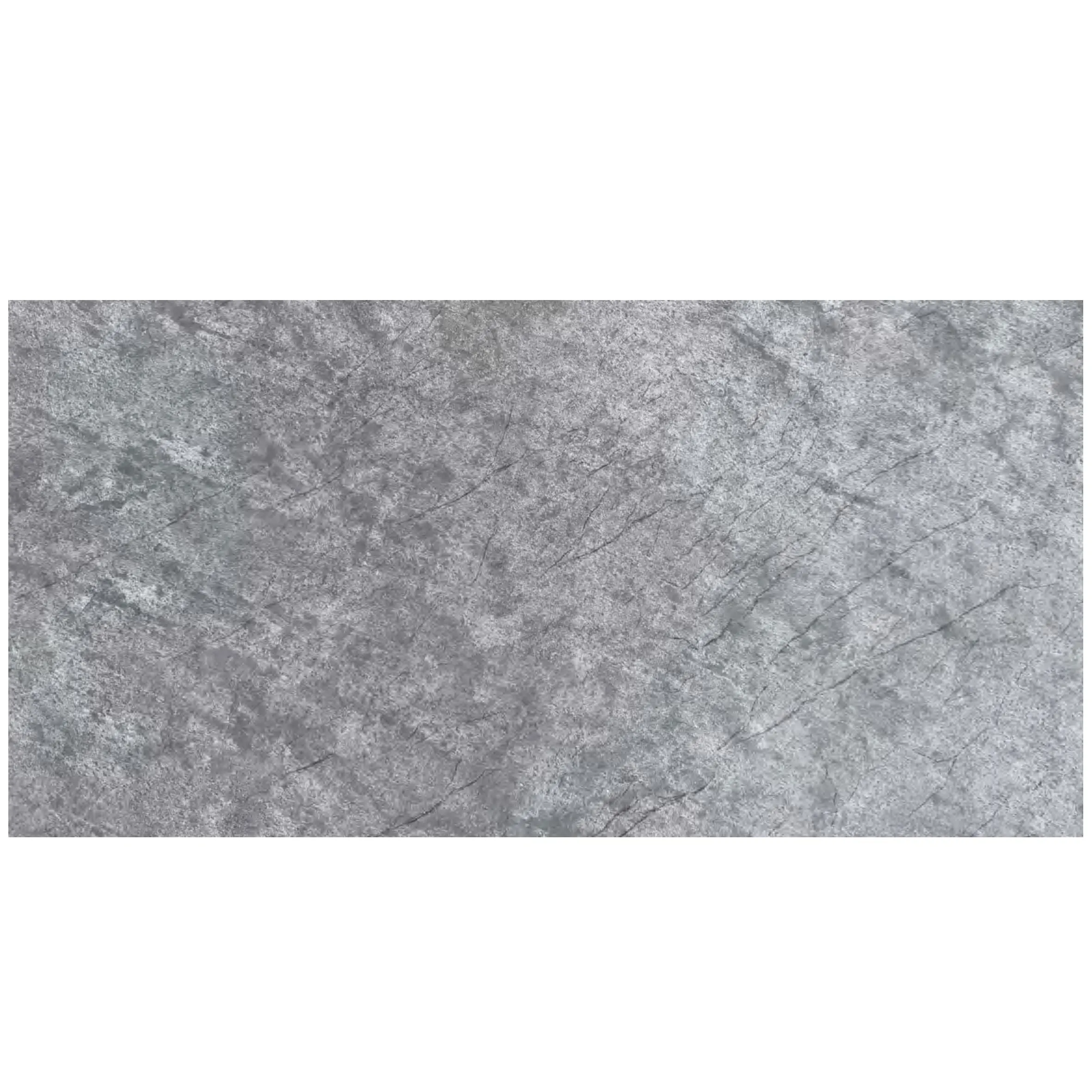
Where every surface tells a story, and every texture whispers of design possibility
Architecture is more than steel beams and concrete—it's a language. It speaks to the way we feel in a space, the memories we associate with a facade, the quiet moments we spend surrounded by walls that feel less like barriers and more like companions. For modern architects, finding materials that don't just perform but resonate is the ultimate challenge. Enter COLORIA's MCM (Modified Composite Material) series, a collection where innovation meets artistry. And at the heart of this lineup? Glacial Slate—a material that doesn't just cover surfaces, but carries the weight of mountains, the chill of ancient ice, and the warmth of human creativity.
In this article, we'll explore why Glacial Slate has become a favorite among architects, how COLORIA's MCM technology elevates its potential, and why materials like MCM flexible stone, the MCM big slab board series, and even complementary hues like Lunar Peak Silvery and Travertine (Starry Blue) are redefining what's possible in architectural design.
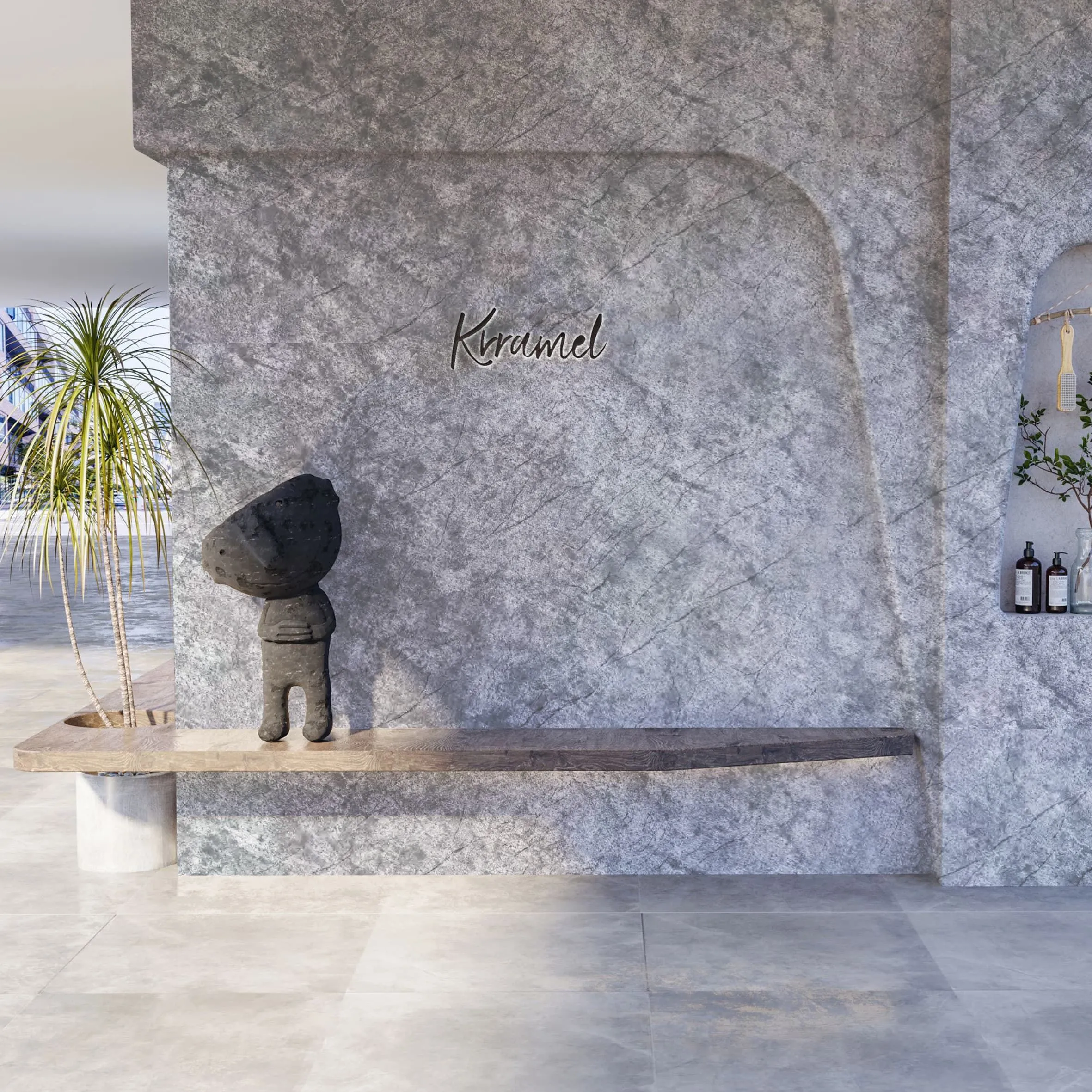
Close your eyes for a moment (don't worry, we won't say "imagine") and picture a mountain range at dawn. The peaks are dusted with snow, their edges sharp against the sky, but as the sun rises, the light catches layers of rock—gray, blue, silver—each striation a record of time. That's the essence of Glacial Slate. It's not just a "finish"; it's a narrative.
COLORIA's Glacial Slate captures this raw, organic beauty through MCM technology, which blends natural minerals with advanced polymers to create a material that's lightweight, durable, and infinitely customizable. Unlike traditional stone, which can be heavy and brittle, Glacial Slate bends (literally and figuratively) to the architect's vision. Whether it's cladding a skyscraper's facade, lining a boutique hotel lobby, or adding depth to a residential accent wall, it brings a sense of timelessness that feels both ancient and utterly modern.
Take, for example, the Horizon Hotel in Vancouver, where architect Maria Gonzalez used Glacial Slate for the exterior. "I wanted the building to feel like it was emerging from the landscape," she says. "Glacial Slate's cool grays and subtle blue undertones mirror the Pacific Northwest's mountains and mist. When the rain hits it, the texture comes alive—it's like the building is breathing." That's the magic of a material that doesn't just sit there; it interacts with its environment.
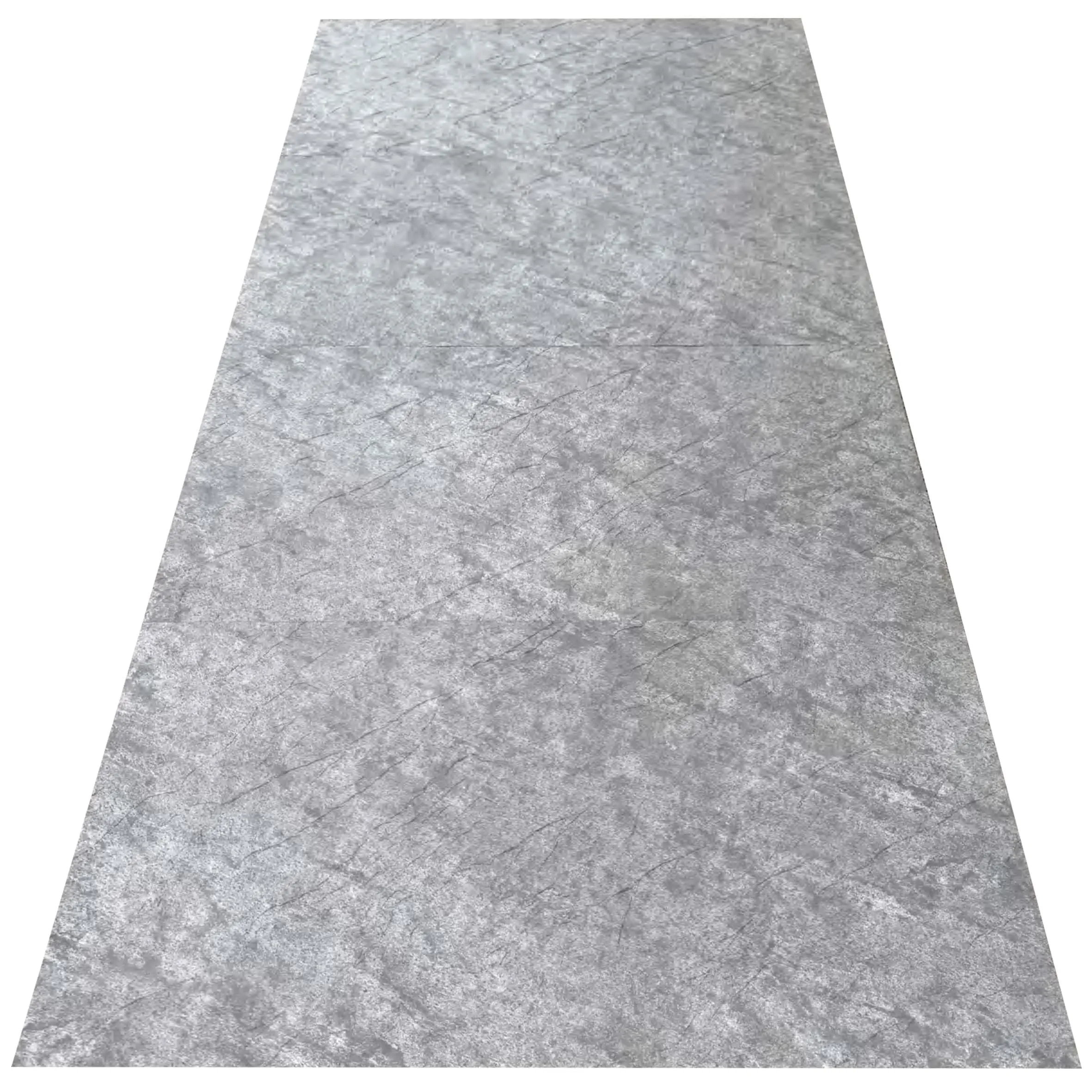
At the core of COLORIA's success is its MCM flexible stone technology—a game-changer for architects tired of choosing between beauty and practicality. Traditional natural stone is stunning, but it's heavy (requiring reinforced structures), prone to cracking, and limited in how it can be shaped. MCM flexible stone flips that script.
"Flexibility" here isn't just a buzzword. These panels are thin (as little as 4mm), lightweight (6-8 kg/m²), and can be curved, folded, or cut into intricate shapes without losing structural integrity. Imagine cladding a circular auditorium in Glacial Slate, or creating a wave-like feature wall in a museum—all without the logistical headaches of traditional stone. For architect Raj Patel, who used MCM flexible stone in a recent cultural center project, the appeal was clear: "We wanted a spiral staircase with a stone finish, but traditional stone would have been too heavy. COLORIA's flexible panels wrapped around the curves perfectly. The result? A staircase that looks like it's carved from a single block of ice—light, fluid, and impossible to ignore."
But flexibility doesn't mean sacrificing durability. MCM panels are water-resistant, fire-retardant, and resistant to UV rays and temperature fluctuations—making them ideal for both indoor and outdoor use. In coastal areas, where saltwater and humidity can degrade traditional materials, MCM flexible stone holds its own, retaining its color and texture for decades. It's a material built for the real world, not just renderings.
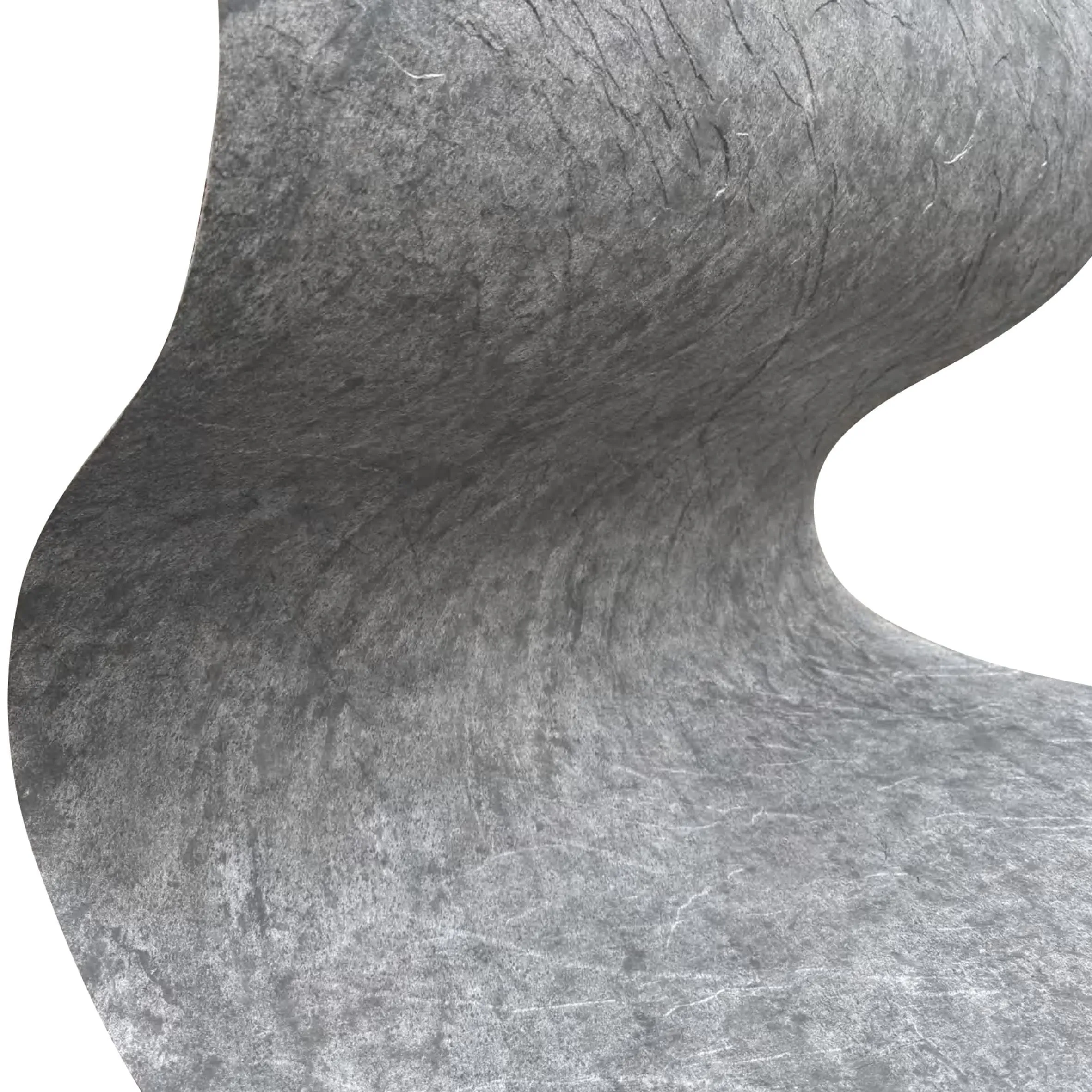
If MCM flexible stone is about adaptability, the MCM big slab board series is about grandeur. These large-format panels (available in sizes up to 1200x2400mm) minimize grout lines, creating a seamless, monolithic look that's perfect for spaces where "impact" is the goal. Think hotel lobbies with floor-to-ceiling walls of Glacial Slate, or corporate headquarters where a single slab of Lunar Peak Silvery stretches across a reception desk, unbroken by seams.
"Big slabs transform how a space feels," says interior designer Sofia Chen, who used the MCM big slab board series in a luxury retail store in Tokyo. "When you walk into a room and see a wall that's one continuous piece of stone-like material, it's overwhelming—in the best way. It feels intentional, luxurious, and a little bit rebellious. Clients often tell me, 'I didn't know stone could look this… modern .'"
And it's not just about aesthetics. Fewer seams mean easier installation (saving time and labor costs) and easier maintenance (no grout lines to clean or repair). For high-traffic areas like airports or shopping malls, that's a practical win. But for architects, the real joy is in the design freedom: a big slab of Travertine (Starry Blue) can mimic a night sky, with subtle star-like flecks that catch the light; a Glacial Slate big slab can evoke a vast, unbroken glacier. These aren't just surfaces—they're experiences .
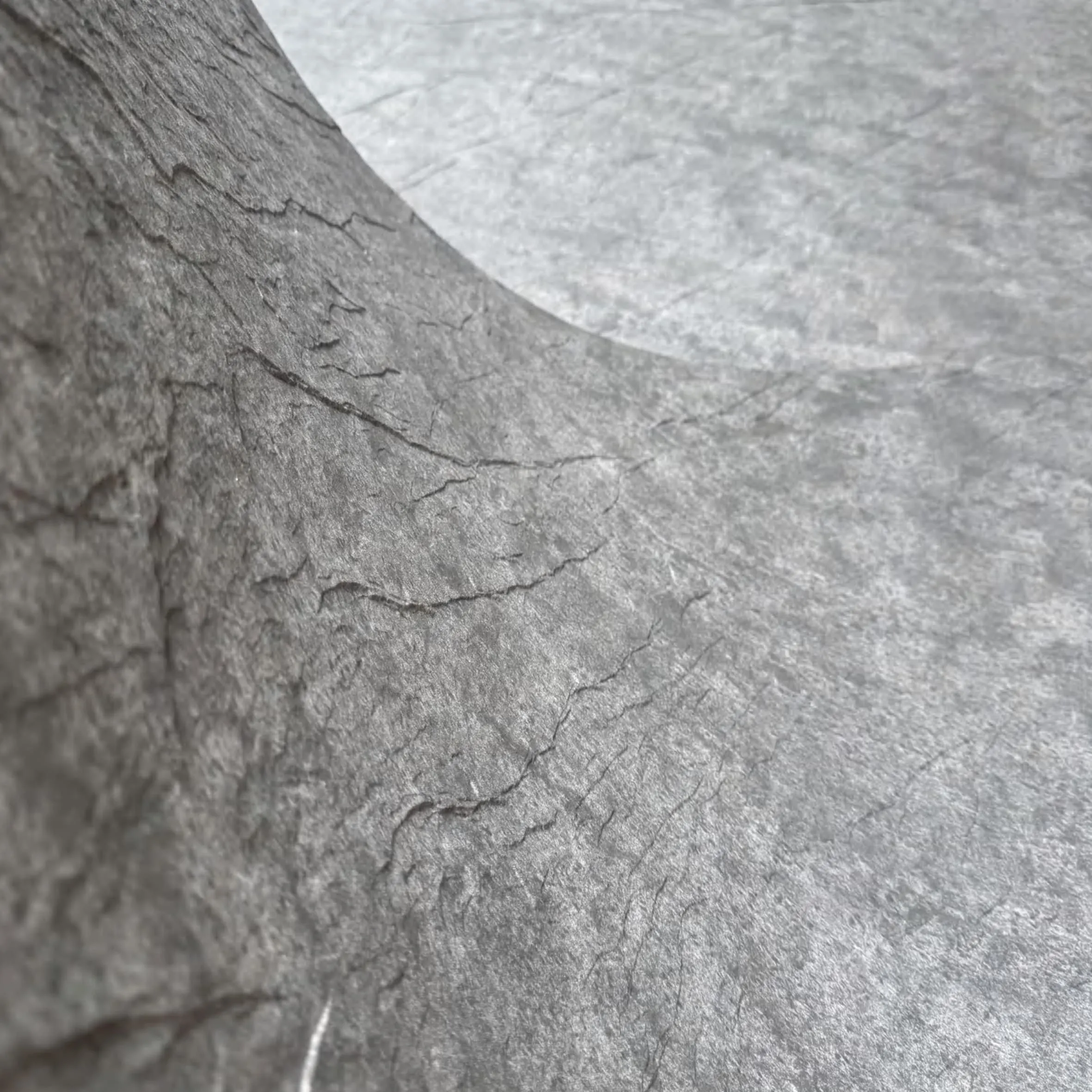
A material's texture and flexibility matter, but color is what first draws the eye—and COLORIA's palette is a love letter to nature's most dramatic moments. While Glacial Slate is a neutral powerhouse (think soft grays with icy blue undertones), the brand's range includes hues that cater to every mood and theme. Let's shine a light on two standouts: Lunar Peak Silvery and Travertine (Starry Blue).
If Glacial Slate is the mountains, Lunar Peak Silvery is the moon rising over them. This finish has a soft, metallic sheen—like moonlight reflecting off snow—with subtle grain patterns that mimic the moon's craters. It's versatile: pair it with warm woods for a cozy residential space, or with black accents for a sleek, futuristic office. Architect Ana Lopez used Lunar Peak Silvery in a rooftop bar in Madrid: "We wanted the space to feel like you're drinking under the stars. The silvery panels catch the city lights at night, and during the day, they soften the harsh Spanish sun. It's not just a wall—it's a mood."
Travertine is a classic, but COLORIA's Starry Blue variant is anything but ordinary. Imagine a deep, midnight blue base with tiny, iridescent flecks that shimmer like distant stars—hence the "Starry" name. It's bold, but not overwhelming, making it perfect for accent walls, restaurant facades, or even pool surrounds (thanks to its water-resistant properties). "I used Starry Blue in a beachfront hotel's lobby," says architect James Wilson. "The walls face east, so at sunrise, the blue shifts to a soft teal, and at sunset, it glows purple. Guests stop and stare—they think it's magic. It's not. It's just really good design."
| Product Name | Core Material | Aesthetic Vibe | Best For |
|---|---|---|---|
| Glacial Slate | MCM Flexible Stone | Cool grays, icy blue undertones, layered texture | Exteriors, feature walls, luxury hotels |
| Lunar Peak Silvery | MCM Composite | Metallic sheen, crater-like grain, soft silver | Rooftop spaces, residential facades, lobbies |
| Travertine (Starry Blue) | MCM Big Slab | Deep blue base, iridescent star flecks | Accent walls, pool surrounds, beachfront properties |
At the end of the day, materials are tools—but great tools inspire great art. Architects don't just choose COLORIA for its MCM technology or its stunning finishes; they choose it because these materials help them tell the stories their clients crave. A boutique hotel wants to feel like a mountain retreat? Glacial Slate. A tech startup wants to project innovation and calm? Lunar Peak Silvery. A family home wants to feel connected to the night sky? Travertine (Starry Blue).
"Architecture is about emotion," says award-winning architect Zaha Lin. "You walk into a space, and before you know why, you feel something. COLORIA's materials amplify that. Glacial Slate doesn't just look like stone—it feels like you're standing in a mountain valley. It's tactile, it's immersive, and it makes my job easier. When a material can evoke that kind of emotion, you don't just use it—you champion it."
And it's not just about the end result. COLORIA's commitment to sustainability (MCM panels use 70% recycled materials and require less energy to produce than traditional stone) and its collaborative approach (working with architects to customize colors and textures) make it a partner, not just a supplier. For busy firms, that peace of mind is priceless.
Glacial Slate, MCM flexible stone, the big slab series, Lunar Peak, Travertine (Starry Blue)—these aren't just keywords on a spec sheet. They're the building blocks of spaces that matter. Spaces that make us pause, that make us feel small in the best way (staring up at a Glacial Slate facade), or connected to something bigger (gazing at a Starry Blue wall and thinking of the night sky).
In a world of generic buildings and cookie-cutter designs, COLORIA's MCM series is a reminder that architecture can be both innovative and human. It's about creating walls that don't just enclose us, but embrace us. And for architects, that's the greatest gift of all: the chance to build not just structures, but legacies—one beautiful, flexible, starry panel at a time.
Recommend Products












