
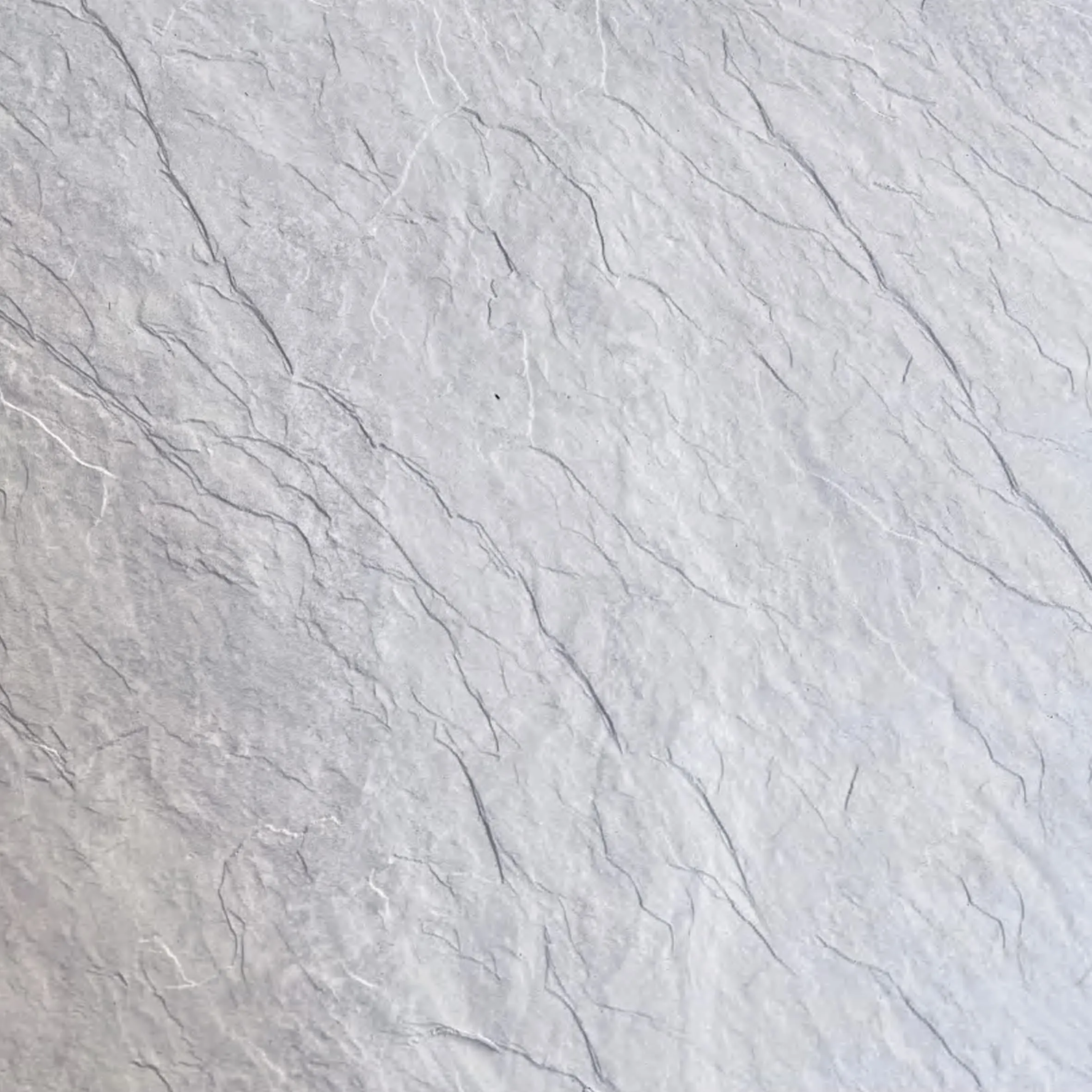
Architecture is more than just walls and roofs—it's the language of spaces, speaking to how we feel when we step into a room, walk down a corridor, or pause in a courtyard. The materials we choose for these spaces aren't just building blocks; they're storytellers. They set the mood, shape the light, and leave a quiet impression that lingers long after we've left. In the world of modern building materials, few have quite the narrative power of MCM (Modified Composite Material), and within that family, Slate Veil White stands out as a master of understated elegance. It's a material that doesn't shout, but whispers—inviting us to slow down, notice the details, and find beauty in the balance between simplicity and depth.
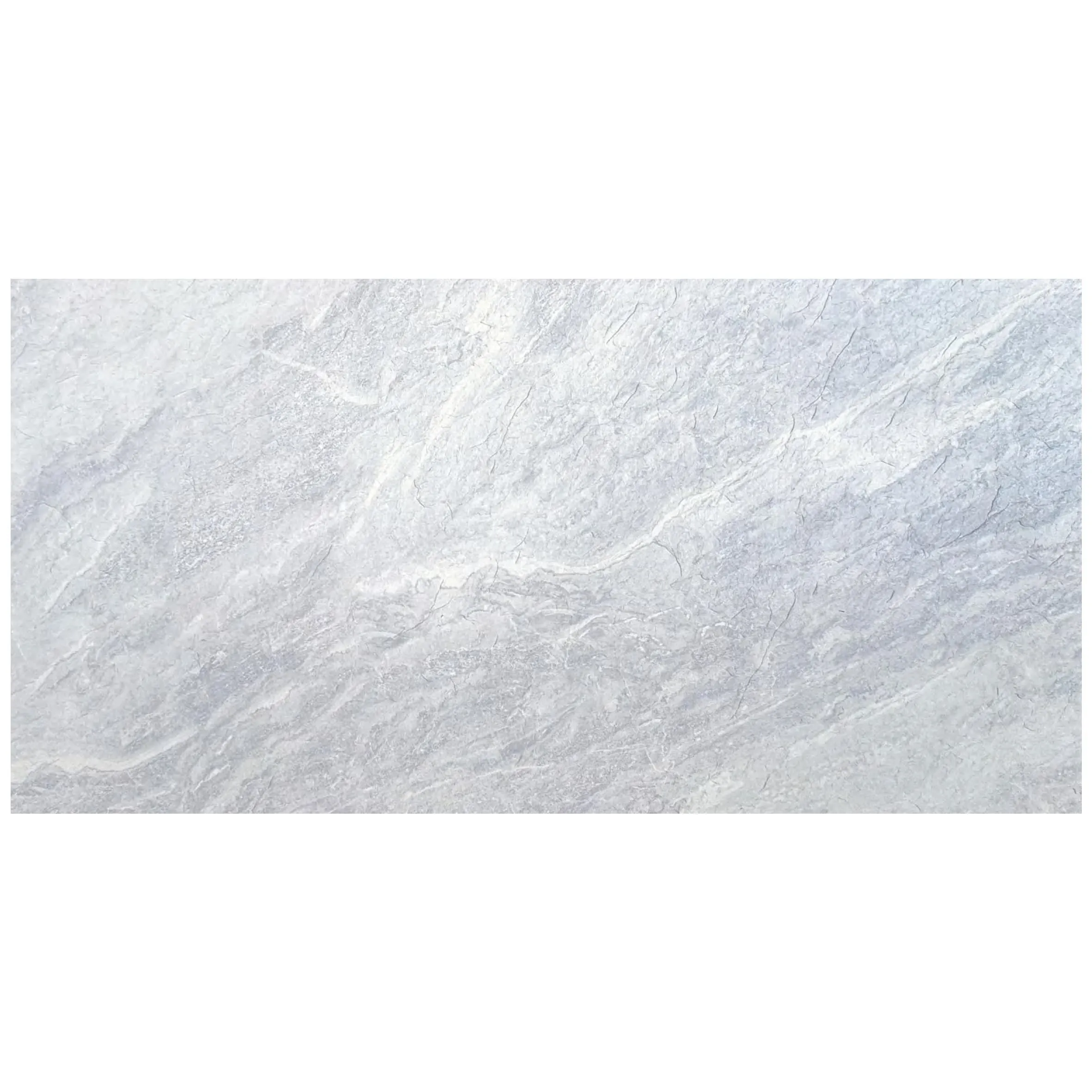
Let's start with the obvious: that color. Slate Veil White isn't a stark, clinical white. It's a soft, lived-in white, like the color of old linen sheets or the first light of dawn breaking over a snow-dusted mountain. What truly sets it apart, though, is the veining. Delicate, almost translucent streaks of light gray and pale blue meander across its surface, mimicking the natural veils of mist that cling to slate cliffs at dawn. Run your hand over it, and you'll feel a texture that's smooth but not flat—there's a subtle grain, a quiet roughness that hints at the stone it emulates, without the weight or fragility of natural slate.
Part of the magic lies in its roots as MCM flexible stone —a technology that marries the look and feel of natural stone with the practicality modern architecture demands. Unlike solid stone slabs, which are heavy and prone to cracking, Slate Veil White MCM is lightweight, flexible, and surprisingly durable. It bends without breaking, installs with ease, and stands up to the elements, whether it's the humidity of a bathroom or the harsh sun of an outdoor patio. But technical specs aside, what makes it special is how it feels in a space. It's warm, not cold; inviting, not intimidating. It's the kind of material that makes a room feel "finished," like the final brushstroke on a painting.
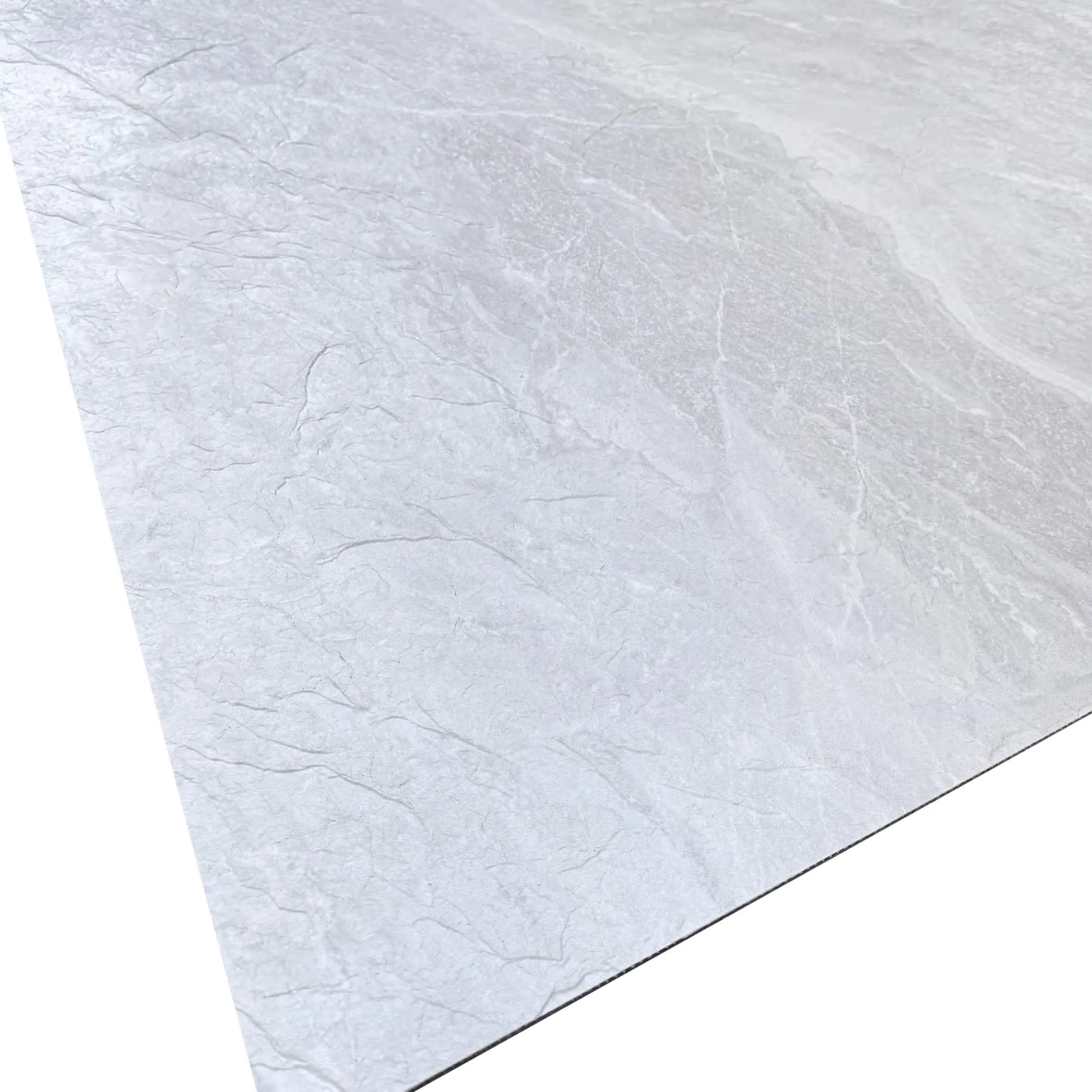
White has always been a staple in design for its ability to make spaces feel larger, brighter, and more open. But trends come and go—think of the stark "all-white everything" phase that dominated minimalism a decade ago, or the cool grays that followed. Slate Veil White avoids the trap of feeling trendy because it's rooted in nature. Its veining isn't a manufactured pattern; it's a nod to the organic chaos of natural stone, which has been captivating humans for centuries. That's why it works in both a 1920s bungalow renovation and a sleek, glass-walled penthouse—it bridges eras without feeling out of place.
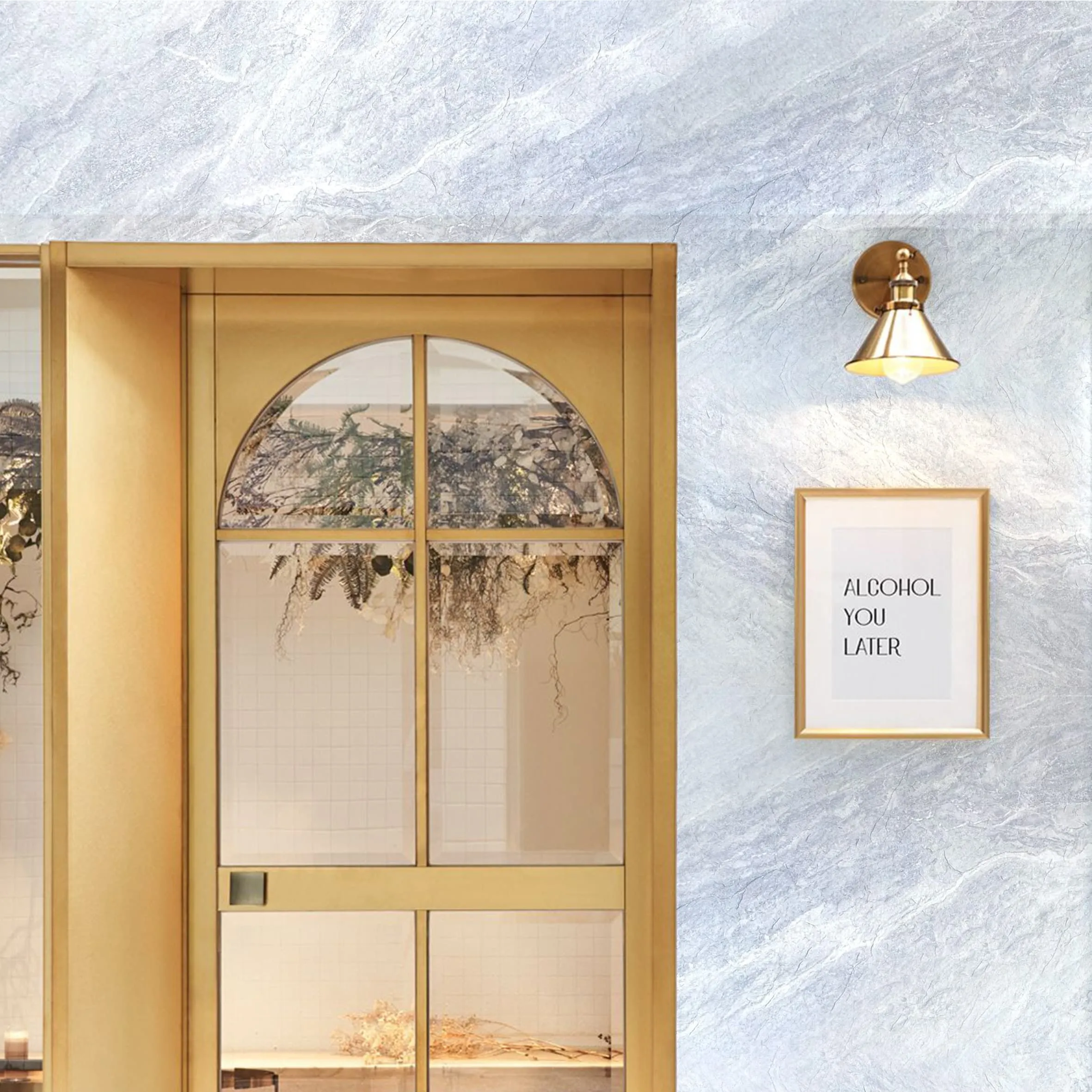
Take, for example, a living room where Slate Veil White clads one wall. Pair it with wood grain board on the adjacent wall, and suddenly you've got a dialogue between warmth and coolness, between the organic (wood) and the ethereal (stone). The white acts as a neutral canvas, letting the wood's rich tones take center stage, while the veining adds just enough visual interest to keep the space from feeling flat. Or imagine it paired with fair-faced concrete in a commercial lobby: the concrete's raw, industrial texture contrasts beautifully with Slate Veil White's softness, creating a space that feels both grounded and elevated.
Light plays a huge role here, too. In the morning, when sunlight streams through a window, Slate Veil White glows, the veining softening into a hazy blur. In the evening, under warm artificial light, those same veins deepen, adding depth and shadow. It's a material that changes with the day, keeping the space feeling dynamic without ever feeling busy. Unlike solid white surfaces, which can feel harsh under bright light, Slate Veil White has a chameleon-like quality—it adapts, it breathes, it feels alive.
Of course, Slate Veil White isn't the only player in the MCM lineup. Let's take a closer look at how it compares to other popular materials, from bold statement pieces to subtle complements:
| Material | Color & Texture | Vibe | Best For |
|---|---|---|---|
| Slate Veil White MCM | Soft white with gray-blue veining; smooth with subtle grain | Ethereal, timeless, calm | Accent walls, kitchen backsplashes, bedroom feature walls |
| Travertine (starry blue) | Deep blue base with iridescent "star" flecks; porous, matte finish | Dramatic, cosmic, bold | Home theaters, accent niches, restaurant bars |
| Boulder Slab | Earth tones (vintage silver, gold, black); rough, chiseled texture | Rugged, industrial, grounded | Outdoor fireplaces, entryway floors, commercial facades |
| Wood Grain Board | Warm browns, tans; smooth with realistic wood grain | Cozy, rustic, inviting | Living room walls, ceiling panels, bookshelves |
| Fair-Faced Concrete | Gray (light to dark); raw, porous, industrial texture | Minimalist, edgy, modern | Kitchen countertops, exterior cladding, office lobbies |
What stands out here is Slate Veil White's versatility. It plays well with others, whether you're going for a bold contrast (like pairing it with travertine (starry blue) in a bathroom) or a harmonious blend (with wood grain board in a bedroom). It doesn't compete; it complements. That's the mark of a truly timeless material—one that enhances the other elements in a space rather than overshadowing them.
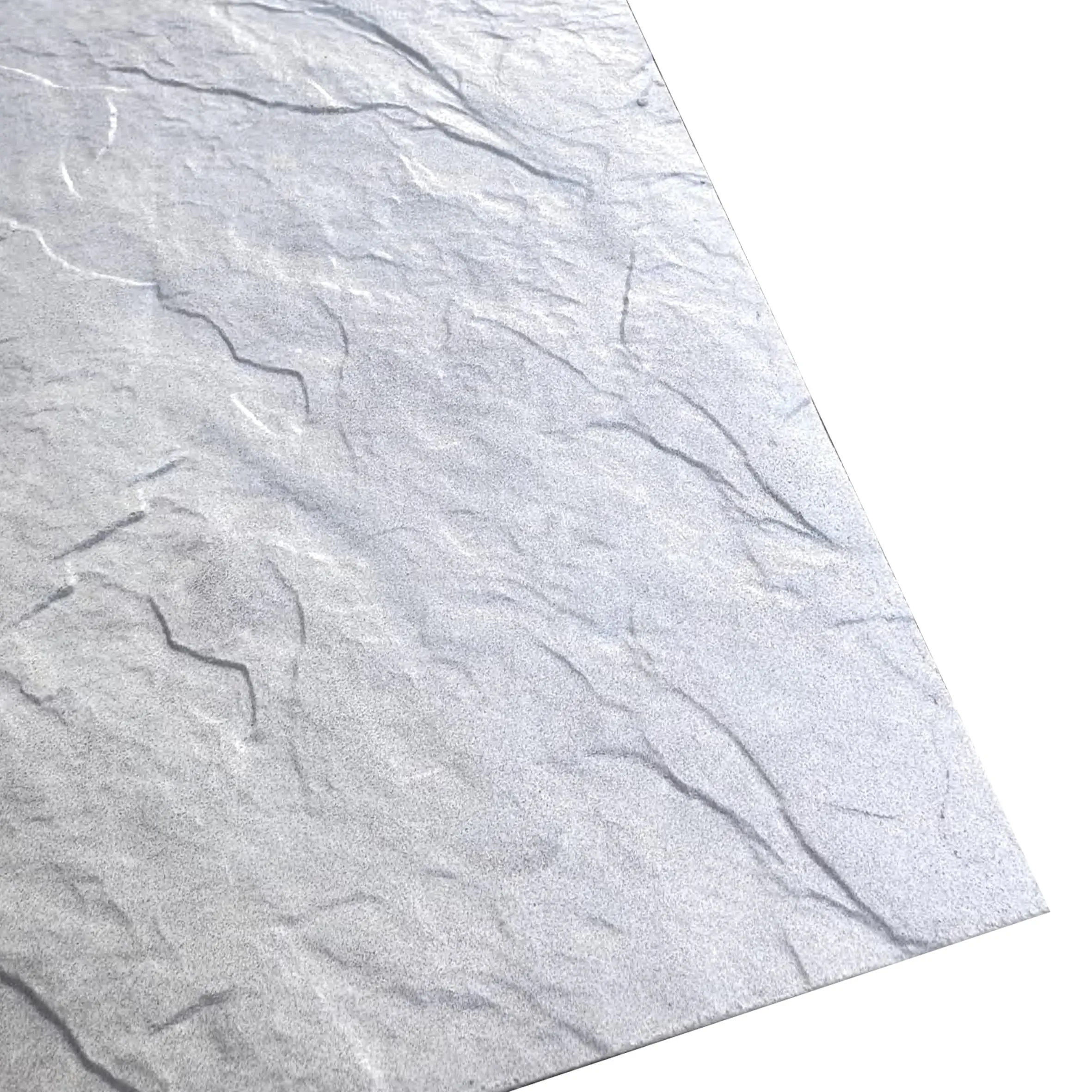
Let's talk about how this material translates into real spaces. It's not just for "high-end" projects, either—Slate Veil White has a way of making even small, simple rooms feel special. Here are a few scenarios where it truly shines:
Picture a small urban kitchen with limited natural light. The walls are painted a generic off-white, the cabinets are oak, and the space feels cramped. Now, replace one wall with Slate Veil White MCM. Suddenly, the room transforms. The soft white reflects what little light there is, making the space feel larger. The veining adds visual interest without cluttering the eye, and when the morning sun hits it, those pale blue streaks glow like bits of sky. Pair it with a fair-faced concrete countertop, and you've got a space that feels modern but not cold—perfect for sipping coffee and planning the day.
Bedrooms should feel like sanctuaries, and Slate Veil White excels here. Imagine a master bedroom with a feature wall behind the bed, clad in Slate Veil White. The bed is dressed in soft linens, the floors are warm hardwood, and there's a wood grain board accent on the ceiling. The white wall acts as a backdrop, letting the textures of the bedding and wood take center stage, while the veining adds a subtle rhythm to the space. At night, with the bedside lamps on, the veining casts soft shadows, making the room feel intimate and calm—exactly what you want when you're winding down.
Commercial spaces need to make a statement, but they also need to feel welcoming. A downtown office building with a lobby clad in Slate Veil White MCM and boulder slab accents strikes that balance. The white walls brighten the space, making it feel open and airy, while the rough texture of the boulder slab adds industrial edge. Employees rushing in for meetings pause for a moment to take in the light filtering through the windows, catching on the veining—and suddenly, the lobby doesn't feel like just a passageway; it feels like a place worth lingering.
At the end of the day, what makes Slate Veil White MCM more than just a pretty face is its reliability. As part of the MCM family, it's designed to last. It resists stains, doesn't fade in sunlight, and holds up to the wear and tear of daily life—no need to tiptoe around it or worry about scratches from furniture. That peace of mind matters. A material that looks beautiful but falls apart after a year isn't worth the investment. Slate Veil White delivers both beauty and brawn, which is why architects and designers keep coming back to it.
It's also a nod to sustainability—a growing priority in modern design. MCM flexible stone uses fewer natural resources than quarried stone, and its lightweight nature reduces transportation costs and energy use during installation. Choosing it isn't just a design decision; it's a choice to build smarter, not just better.
Slate Veil White MCM isn't just a building material. It's a reminder that the best design isn't about following trends—it's about creating spaces that feel timeless, authentic, and human. It's in the way it softens a room, the way it makes light feel warmer, and the way it invites us to notice the little things: the curve of a vein, the play of shadow, the quiet confidence of a material that knows its place.
In a world that's always chasing the next big thing, there's something comforting about a material that doesn't need to shout to be seen. Slate Veil White whispers, and in that whisper, it says something powerful: beauty, when done right, is forever.
Recommend Products












