

Bridging Nature's Artistry and Architectural Innovation
Modern architecture often walks a fine line between minimalism and character. While clean lines and sleek surfaces dominate the genre, there's a growing hunger for materials that infuse spaces with warmth, story, and a touch of the unexpected. Enter Starry Red Travertine MCM—a material that doesn't just cover walls or floors, but transforms them into canvases where nature's artistry meets cutting-edge technology. In a world of generic building materials, this stone stands out not just for its vibrant hue, but for the way it captures light, shifts mood, and turns ordinary structures into memorable experiences.
But what makes Starry Red Travertine MCM so special? To understand, we need to look beyond its surface—quite literally. This isn't just another stone cladding; it's a product of MCM flexible stone technology, a innovation that reimagines how natural materials can be used in construction. Lightweight, durable, and surprisingly versatile, it's changing the game for architects who refuse to choose between aesthetics and functionality. Let's dive into the world of this remarkable material, exploring its origins, its unique beauty, and why it's becoming a staple in modern design.
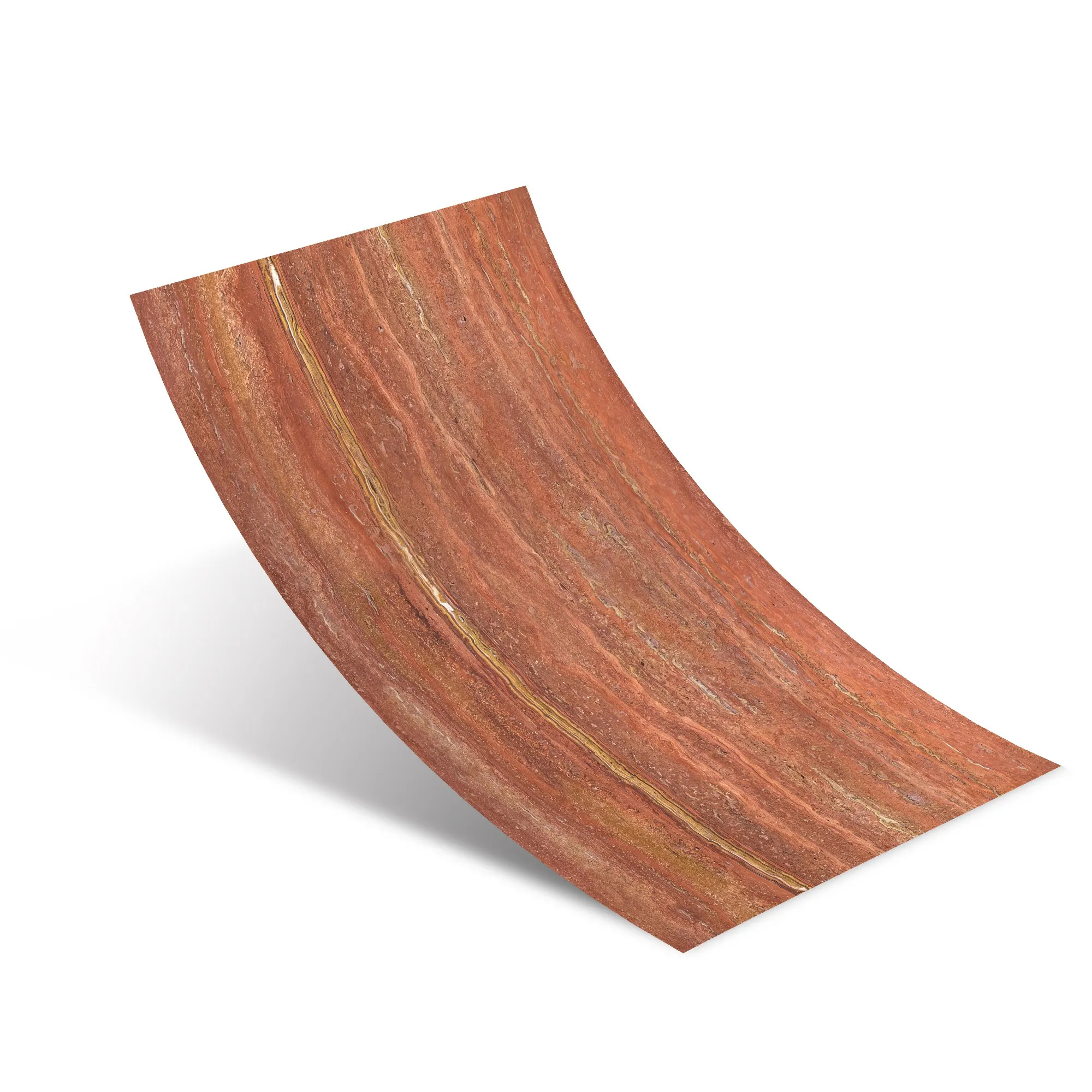
First, let's talk about the star of the show: the "starry red" effect. Run your hand over a slab of Starry Red Travertine, and you'll feel the subtle, organic texture of travertine—a natural stone formed by mineral deposits in hot springs—with a twist. Embedded within its warm, terracotta base are tiny, iridescent flecks that catch the light like scattered embers or distant stars. In soft morning light, they glow gently, adding depth to the stone's surface; under harsh afternoon sun, they sparkle, turning a static wall into a dynamic display. It's a texture that invites touch and rewards observation—no two angles reveal the same pattern, making every installation feel one-of-a-kind.
The color itself is a study in balance. "Red" here isn't the harsh, primary red of a stop sign, but a rich, earthy tone—think the warm glow of a desert sunset or the rusted patina of an ancient iron gate. It's a hue that feels both timeless and contemporary, able to complement cool grays and whites (staples of modern design) while adding a pop of color that doesn't overwhelm. This versatility is key: whether used as an accent wall in a minimalist living room or as the primary facade of a commercial building, Starry Red Travertine MCM doesn't just fit in—it elevates.
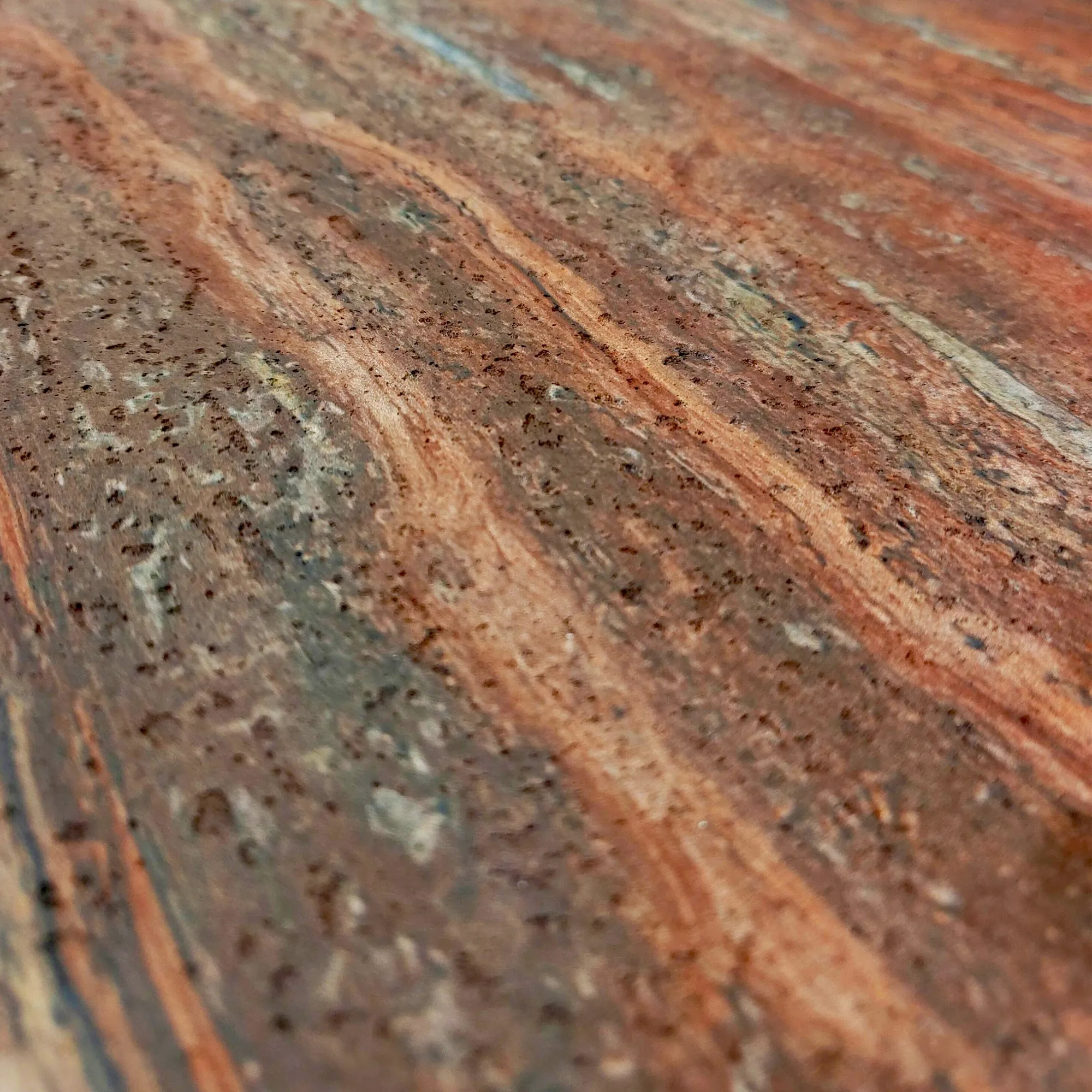
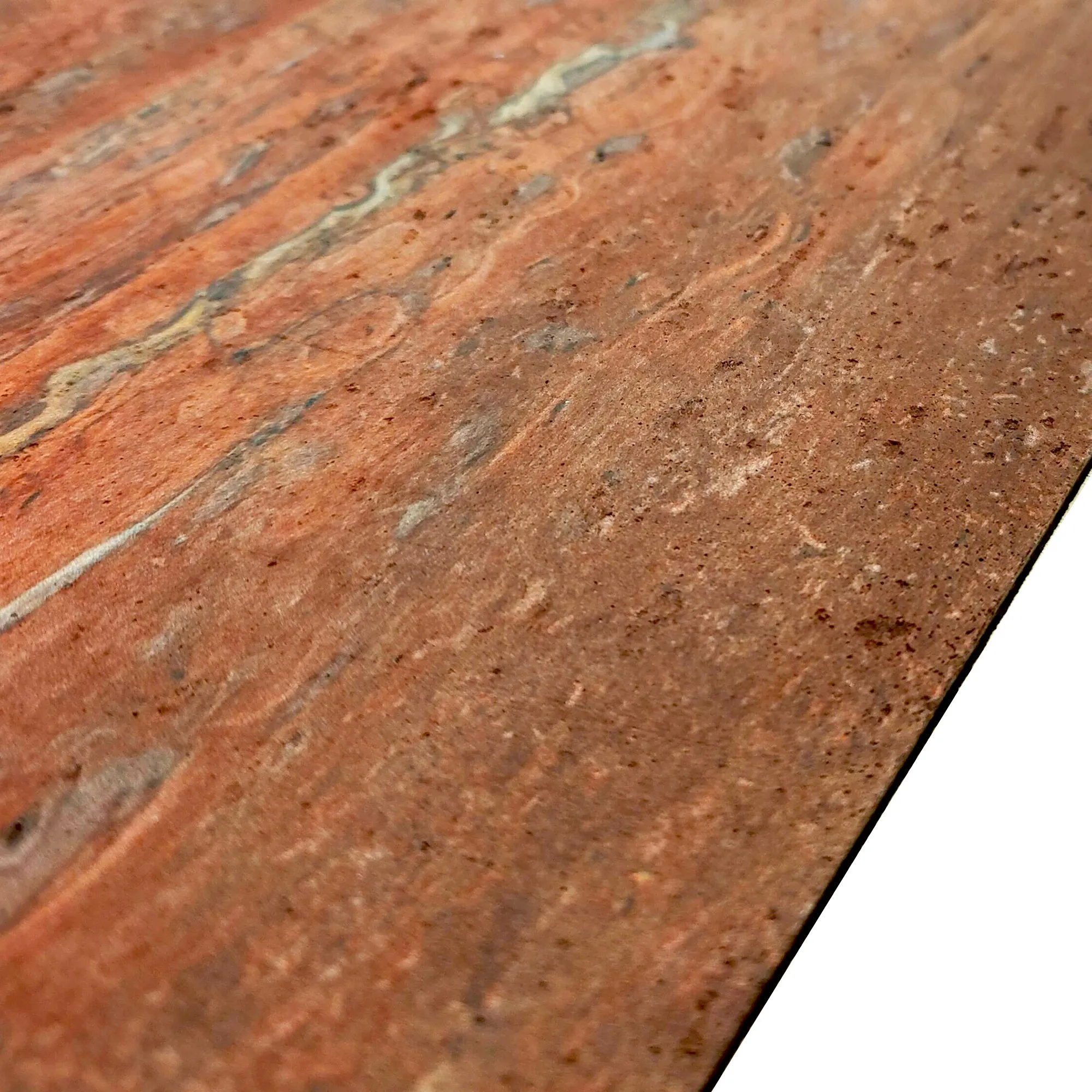
Of course, even the most stunning natural stone would be limited in modern architecture without the right technology. That's where MCM flexible stone comes in. Traditional travertine is heavy, brittle, and challenging to install on curved or irregular surfaces—limitations that have kept it sidelined in many contemporary projects. MCM (Modified Composite Material) technology changes all that. By bonding natural stone particles with a flexible, lightweight backing, manufacturers have created a material that retains the look and feel of real travertine but adds a host of practical benefits.
Imagine a stone that weighs up to 80% less than traditional travertine, yet is just as durable. A material that can bend slightly to follow the contours of a rounded wall or a vaulted ceiling without cracking. A cladding solution that resists moisture, UV rays, and temperature fluctuations—making it suitable for both interior and exterior use, from humid bathrooms to sun-baked building facades. That's MCM flexible stone in action. For architects, this means freedom: the ability to use Starry Red Travertine in ways that were once impossible, from wrapping entire building exteriors to creating custom, sculptural features that blur the line between art and architecture.
To truly appreciate Starry Red Travertine MCM, it helps to see how it stacks up against other popular materials in modern architecture. Let's compare it to a few contemporaries—each with its own strengths, but none quite capturing the same blend of warmth and innovation.
| Material | Aesthetic Vibe | Typical Applications | Key Differentiator |
|---|---|---|---|
| Starry Red Travertine MCM | Organic, vibrant, and dynamic—with a "living" texture that shifts with light. | Facades, accent walls, fireplace surrounds, restaurant interiors. | The "starry" flecks create visual interest; MCM flexibility allows for creative installations. |
| Lunar Peak Black | Sleek, monochromatic, and futuristic—ideal for high-tech, minimalist designs. | Office lobbies, tech company headquarters, modern home exteriors. | Matte black finish exudes sophistication but lacks the warmth of natural stone. |
| Fair-faced Concrete | Raw, industrial, and utilitarian—celebrates the beauty of "honest" construction. | Warehouse conversions, brutalist-inspired buildings, outdoor patios. | Cost-effective and durable, but can feel cold without intentional styling. |
| 3D Art Concrete Board | Textural and sculptural—adds depth through geometric patterns or organic reliefs. | Feature walls, ceiling panels, artistic installations. | Customizable 3D patterns, but lacks the natural variation of stone. |
What stands out here is Starry Red Travertine's ability to balance contrast and harmony. Unlike Lunar Peak Black, which leans into cool minimalism, or Fair-faced Concrete, whichs industrial chic, Starry Red Travertine brings a piece of the natural world indoors (or outdoors) without feeling rustic or outdated. It's a material that says, "I'm modern, but I remember where I came from."
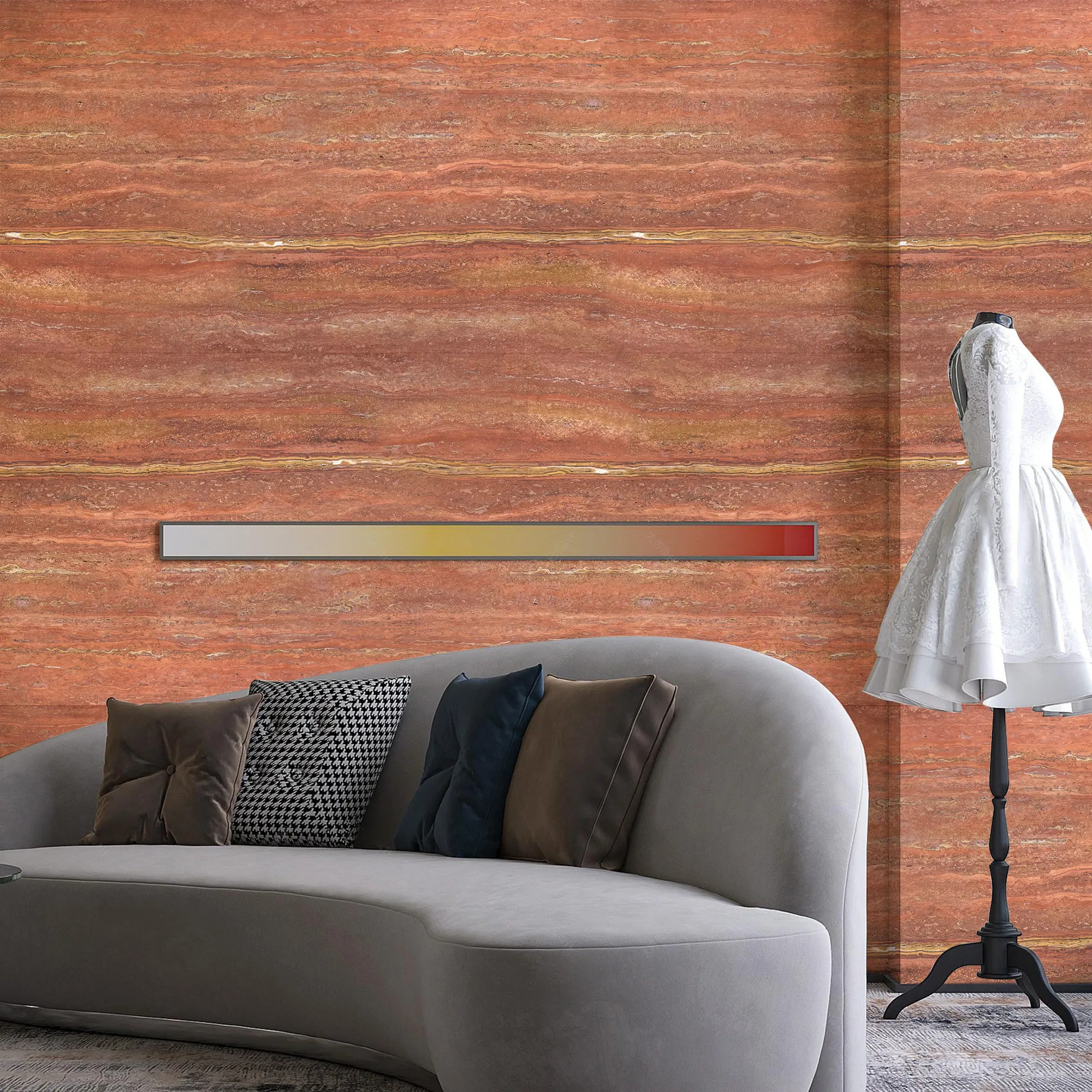
So, where does Starry Red Travertine MCM make the biggest impact? Let's explore a few real-world scenarios where this material transforms spaces from ordinary to extraordinary.
Commercial Facades: Picture a boutique hotel in a bustling city center. Its exterior, clad in Starry Red Travertine MCM, stands out among a sea of glass and steel. As the sun rises, the stone's red base warms up, while the starry flecks catch the light, creating a facade that seems to glow. Passersby stop to take photos; guests feel a sense of arrival before they even step through the door. This isn't just a building—it's a landmark.
Residential Interiors: Now, step inside a modern home. The living room features a floor-to-ceiling fireplace wall wrapped in Starry Red Travertine. The stone's texture contrasts beautifully with the smooth, white walls and the sleek, black leather sofa. On a rainy afternoon, the fire crackles, and the stone reflects the flames, turning the space into a cozy retreat. In the morning, sunlight streams through a nearby window, making the starry flecks dance—a daily reminder of nature's beauty, even in the heart of the city.
Hospitality Spaces: Finally, imagine a high-end restaurant with an open kitchen and a focal wall of Starry Red Travertine MCM behind the bar. The stone's warm red tones complement the amber glow of wine bottles and the soft lighting above. Patrons sit at the bar, running their fingers over the stone's surface, commenting on its uniqueness. It's not just a wall—it's a conversation starter, a backdrop that makes the dining experience feel special, memorable, and deeply human.
At the end of the day, architecture is about more than just buildings—it's about how spaces make us feel. Starry Red Travertine MCM excels here because it taps into something primal: our connection to nature. In a world increasingly dominated by synthetic materials and digital screens, there's a deep-seated comfort in textures that feel "real"—stones that bear the marks of time, colors that evoke the earth. Starry Red Travertine doesn't just look natural; it feels natural, and that matters.
It also adds a layer of storytelling. Every "star" in the stone, every variation in color, is a reminder of the geological processes that formed travertine over millennia—compressed mineral deposits, flowing water, time itself. When we walk through a space clad in this material, we're not just moving through a room; we're engaging with a piece of the planet's history. That's powerful. It turns buildings into more than functional structures—they become vessels for meaning, places that resonate on an emotional level.
Starry Red Travertine MCM isn't just a material—it's a statement. It says that modern architecture doesn't have to be cold or impersonal. That innovation and tradition can coexist, with technology enhancing nature rather than replacing it. That beauty and functionality aren't opposing forces, but partners in creating spaces that inspire, comfort, and delight.
As architects continue to push the boundaries of what's possible, materials like Starry Red Travertine will play a crucial role. They remind us that the best buildings are those that speak to both our minds and our hearts—structures that are as pleasing to look at as they are to live and work in. So the next time you pass a building with a facade that seems to glow, or step into a room that feels instantly welcoming, take a closer look. It might just be Starry Red Travertine MCM—quietly revolutionizing modern architecture, one "starry" stone at a time.
Recommend Products











