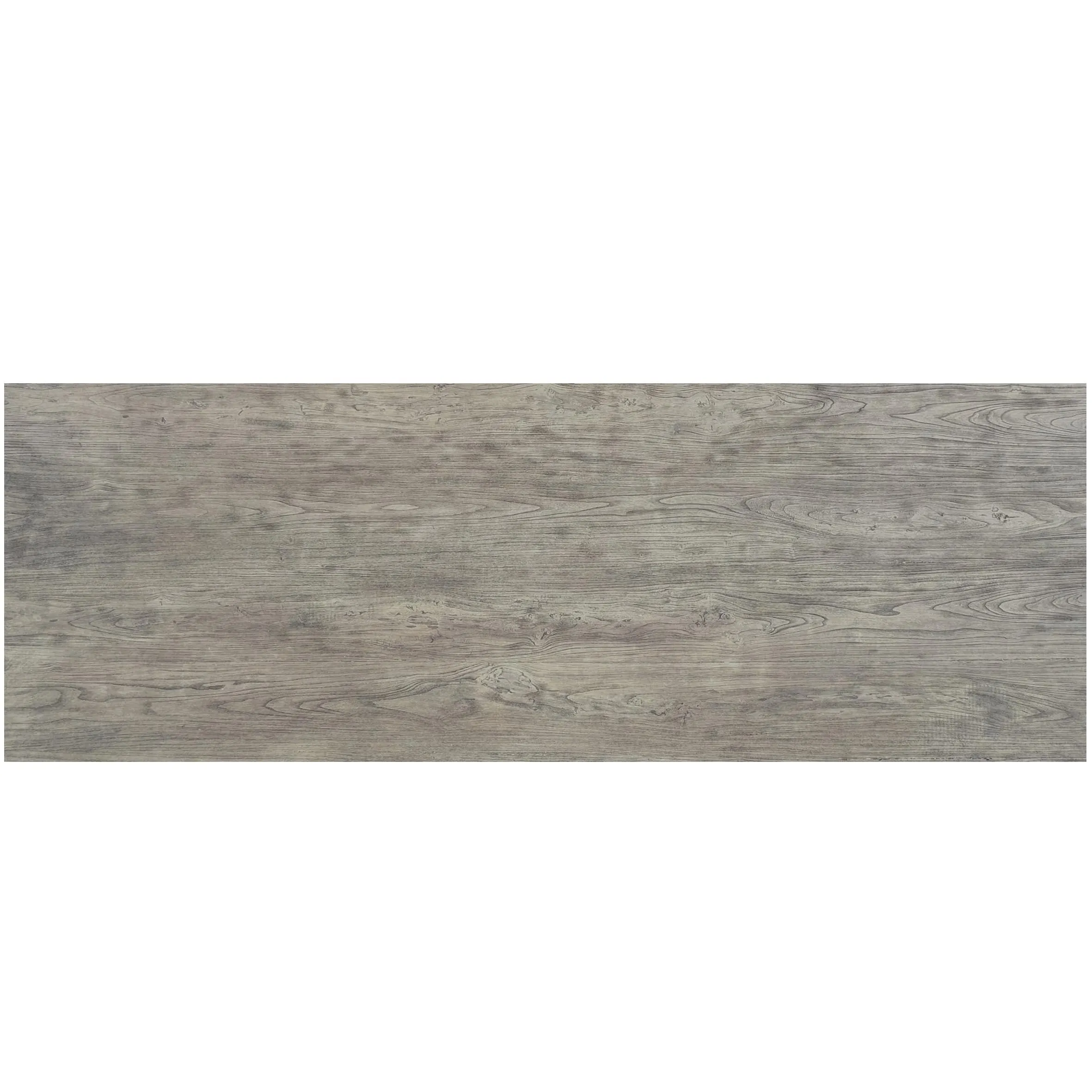
In a world that often feels dominated by cold screens and sterile concrete, there's a quiet longing we all share: the desire to reconnect with nature. We crave the warmth of sunlight filtering through leaves, the earthy scent of rain-soaked soil, and the tactile comfort of natural textures under our fingertips. This yearning isn't just about aesthetics—it's about creating spaces that feel alive, that ground us, and that remind us of the beauty outside our windows. Enter
wood grain board: a material that doesn't just mimic the look of wood, but captures its soul, making it easier than ever to weave nature into the fabric of our daily lives.
Let's start with the basics.
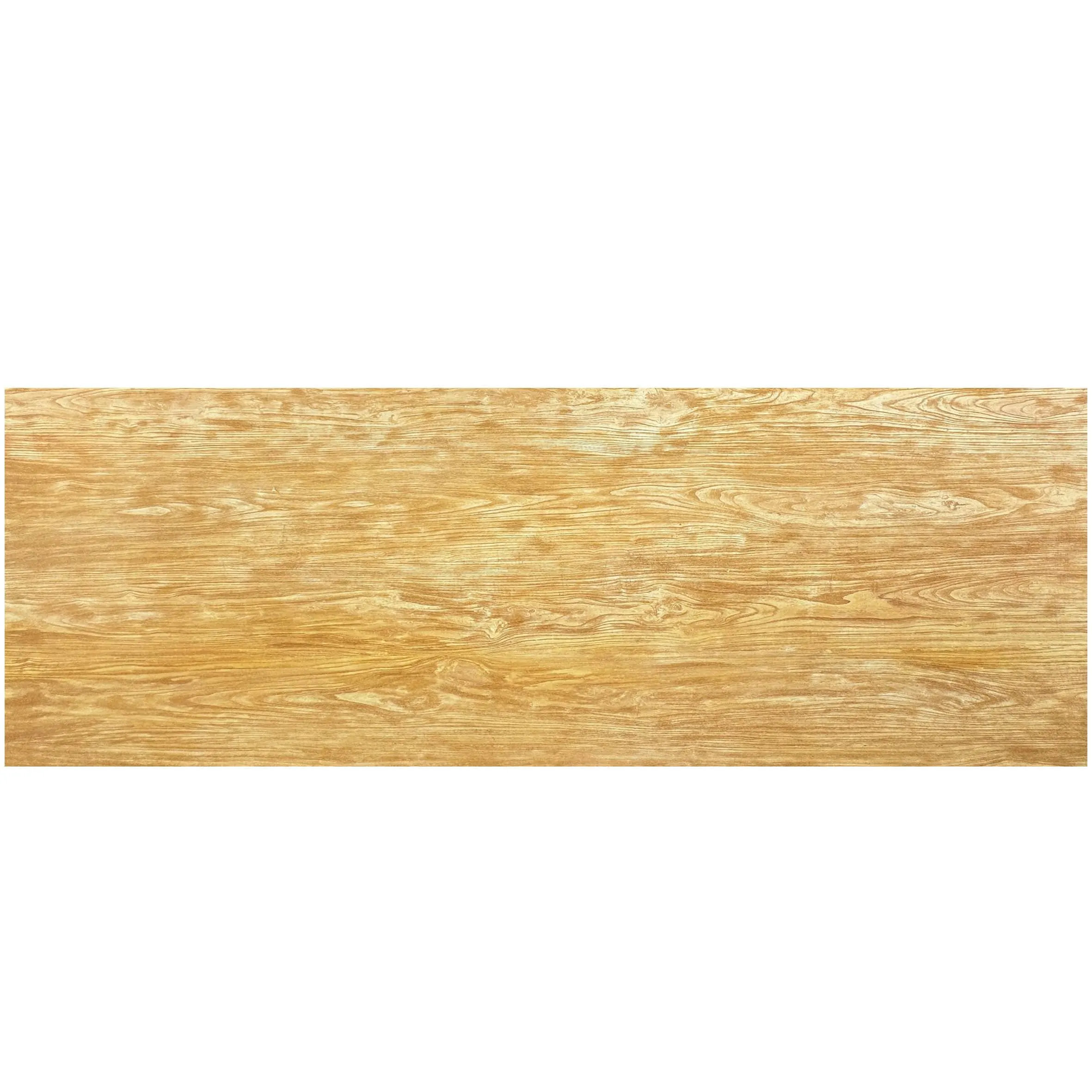
Wood grain board is more than just a "fake wood" panel you might remember from decades past. Today's versions are feats of engineering and design, crafted to replicate the intricate details of real wood with stunning accuracy. Think of it as nature's blueprint, reimagined for modern living. It's made by layering or pressing materials—often recycled wood fibers, resins, or composite blends—into sheets that mimic the knots, grains, and color variations of oak, walnut, pine, or even exotic woods like teak. The result? A surface that looks so authentic, you might find yourself double-checking if it's real.
But here's the kicker: unlike solid wood,
wood grain board skips the downsides. It won't warp in humid bathrooms, crack in dry winters, or require the constant maintenance of sealing and polishing. It's durable, versatile, and surprisingly affordable, making it a practical choice for anyone who wants the beauty of wood without the hassle. And while it's engineered, it never feels "fake." That's because modern manufacturing techniques focus on texture as much as appearance—run your hand over a high-quality
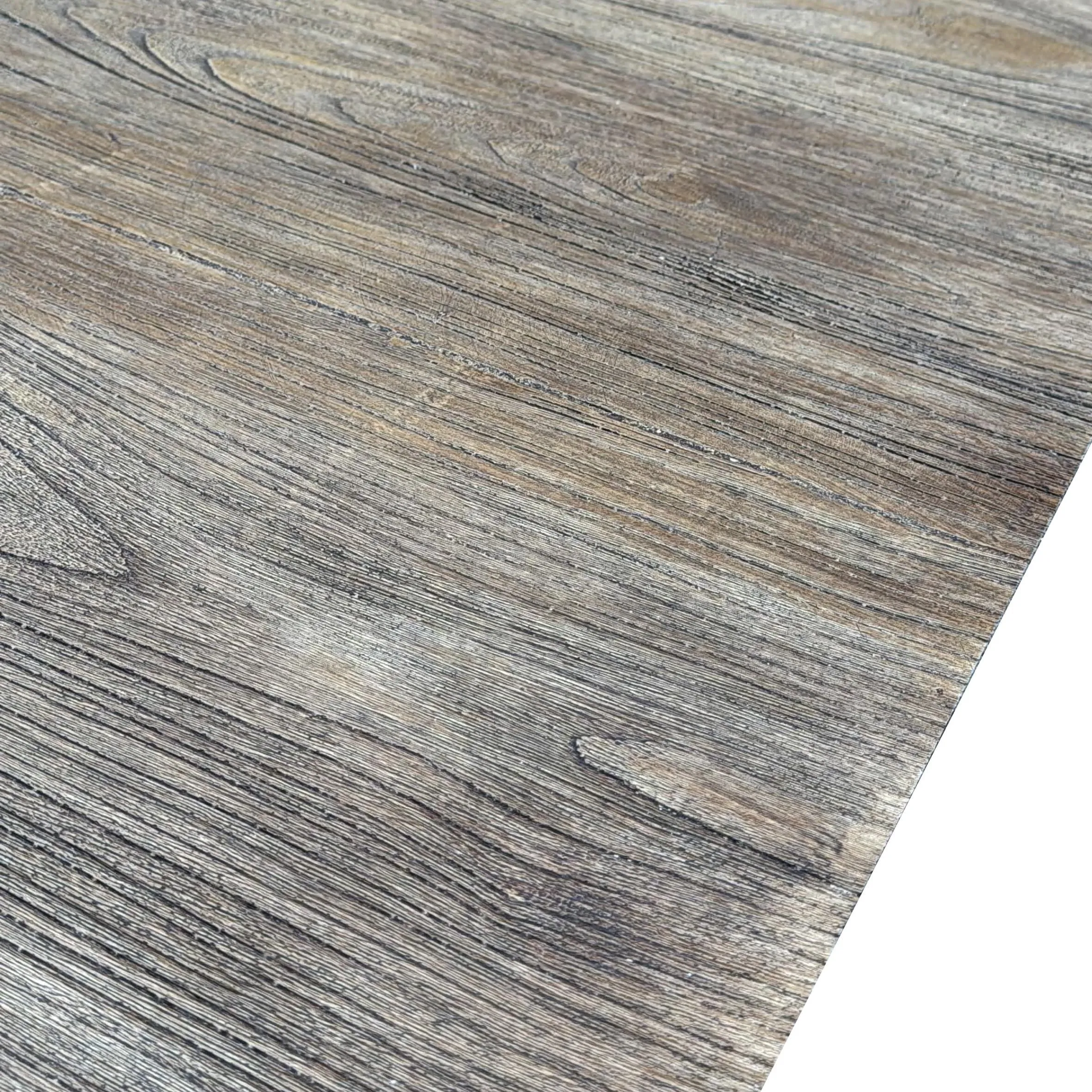
wood grain board, and you'll feel the subtle ridges of the grain, the slight indentations of a knot, the same way you would with real wood. It's this attention to tactile detail that turns a functional material into something deeply comforting.
Texture That Tells a Story
Texture is where
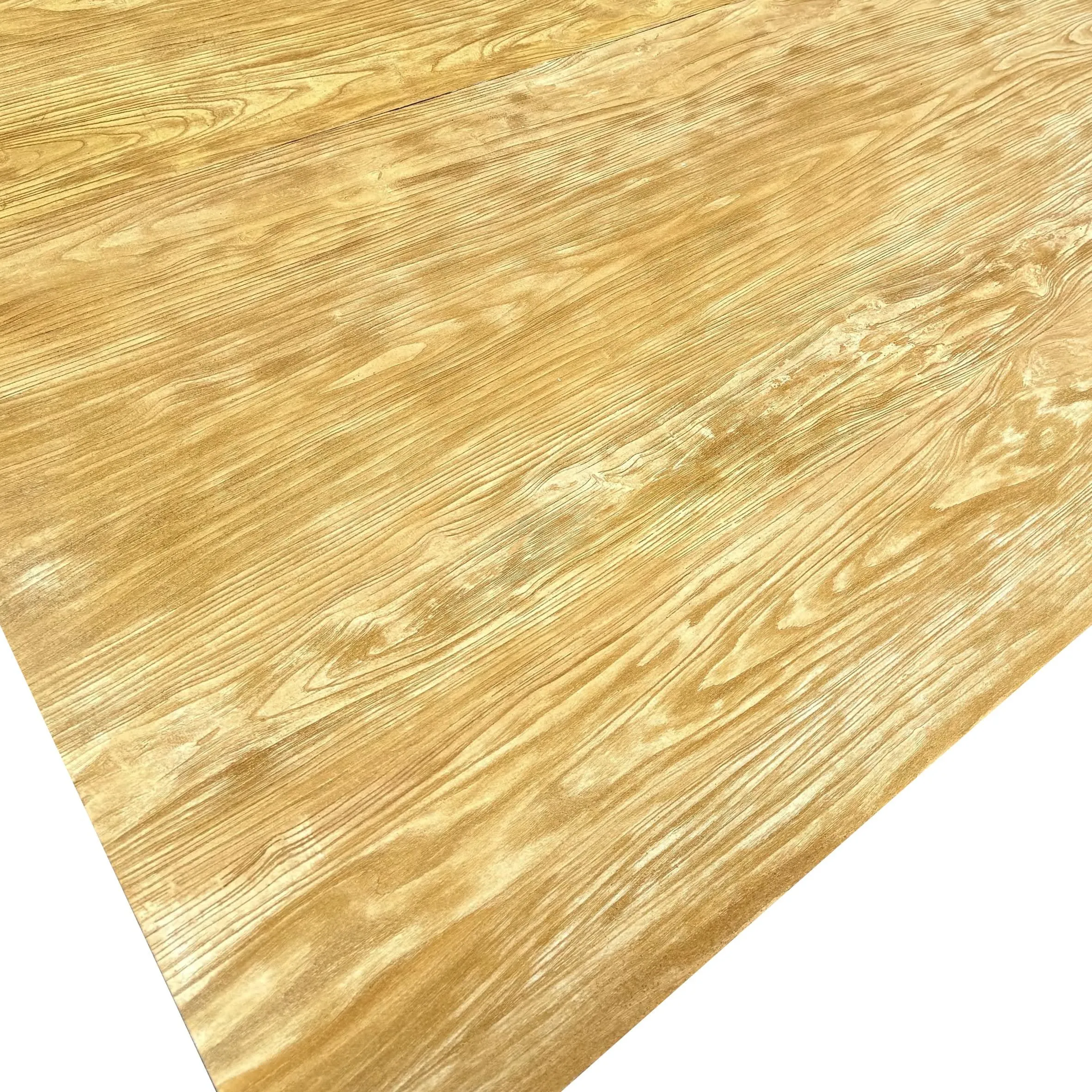
wood grain board truly shines. Let's talk about that feeling—the way your fingers trace a knot, the way light catches the grain and casts soft shadows across the surface. Real wood's beauty lies in its imperfections: a slightly uneven edge, a darker streak where the tree once healed a wound, a lighter patch where the sun hit more directly.
Wood grain board doesn't shy away from these details; it embraces them. Some boards even include subtle variations in thickness, mimicking the natural swell of a tree's growth rings.
I recently visited a friend's home where she'd used light oak
wood grain board for her kitchen cabinets. From across the room, I assumed they were solid oak—warm, honey-toned, and full of character. It wasn't until she mentioned it that I realized it was engineered. "I wanted the look of wood, but I cook a lot," she said, running a cloth over the surface. "With real wood, I'd be stressing about water rings or oil stains. This? I wipe it down, and it looks brand new. And honestly? I love that it still feels like wood. When I lean against the counter to chat while cooking, it's not cold or plastic-y. It's… cozy." That's the magic of texture: it's not just something you see—it's something you experience.
Design Flexibility: From Rustic Cabins to Sleek Lofts
One of the best things about
wood grain board is how it plays well with almost any design style. Whether your taste leans toward Scandinavian minimalism, industrial chic, or cozy rustic, there's a
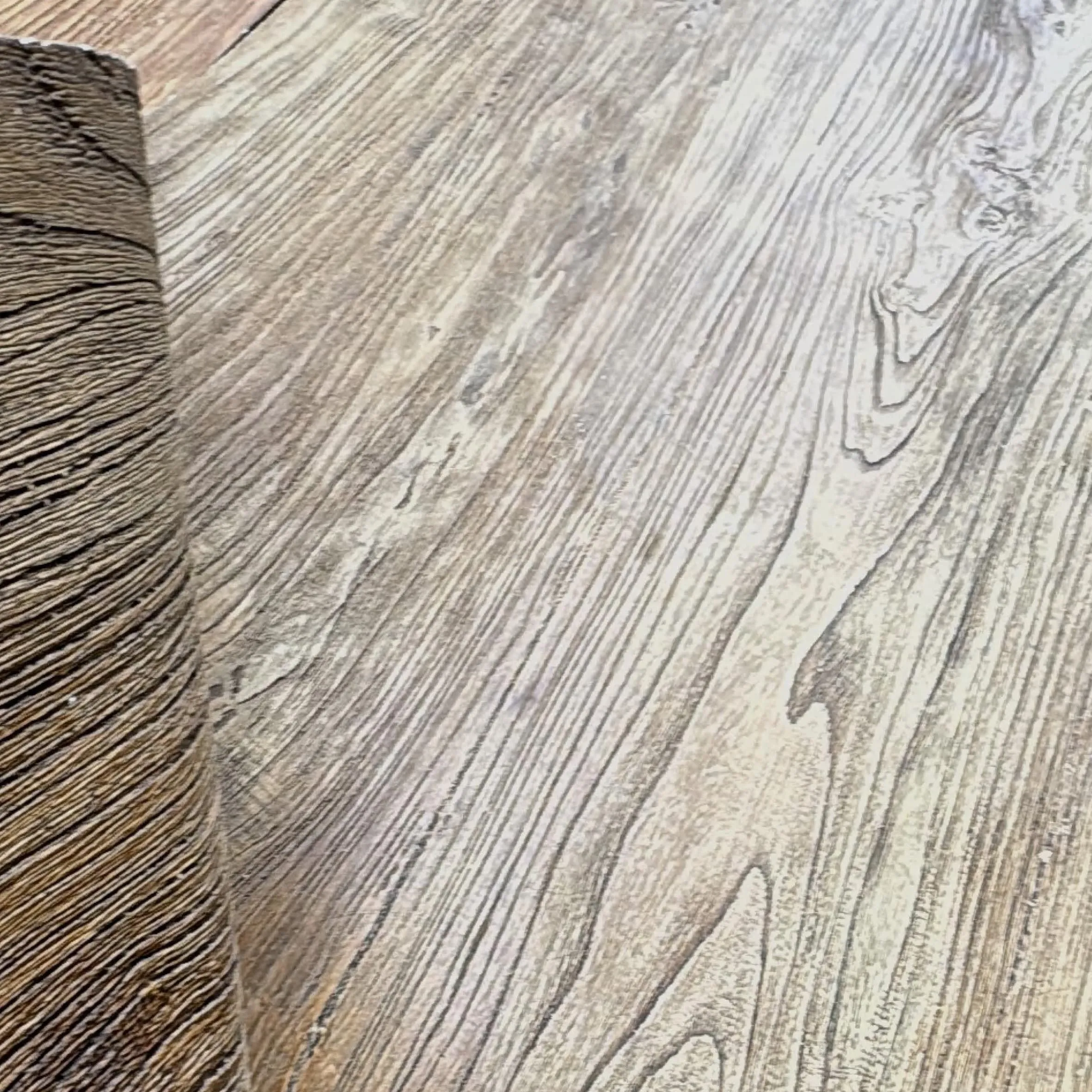
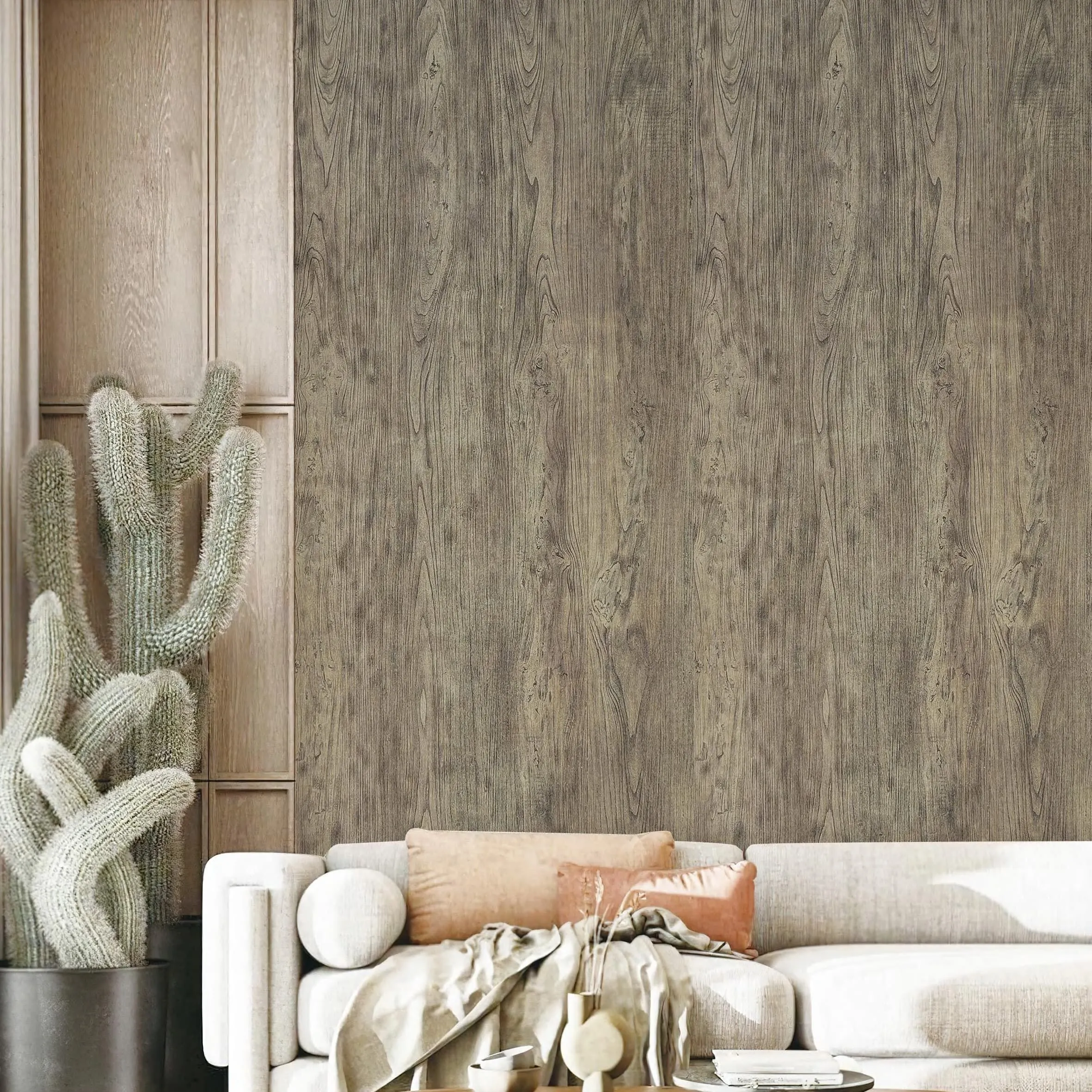
wood grain board to match. Light-toned options like ash or birch grain bring airiness to small spaces, making them feel larger and brighter. Darker hues like walnut or mahogany add depth and drama, perfect for creating a focal wall in a modern living room. And for those who love the "worn-in" look, distressed wood grain boards—with intentional scrapes, faded patches, or "weathered" edges—channel the charm of a century-old barn, even in a brand-new apartment.
Take, for example, a Scandinavian-inspired bedroom. Pair pale
wood grain board walls with white linen bedding, a jute rug, and potted fiddle-leaf fig, and you've got a space that feels light, calm, and effortlessly natural. Or imagine an industrial loft: dark
wood grain board floors, exposed brick, and metal accents—suddenly, the harshness of steel softens, balanced by the warmth of the wood. It's this chameleon-like quality that makes
wood grain board a favorite among designers. It doesn't overpower a room; it complements it, adapting to the mood you want to create.
Pairing Wood Grain Board with Other Natural Materials
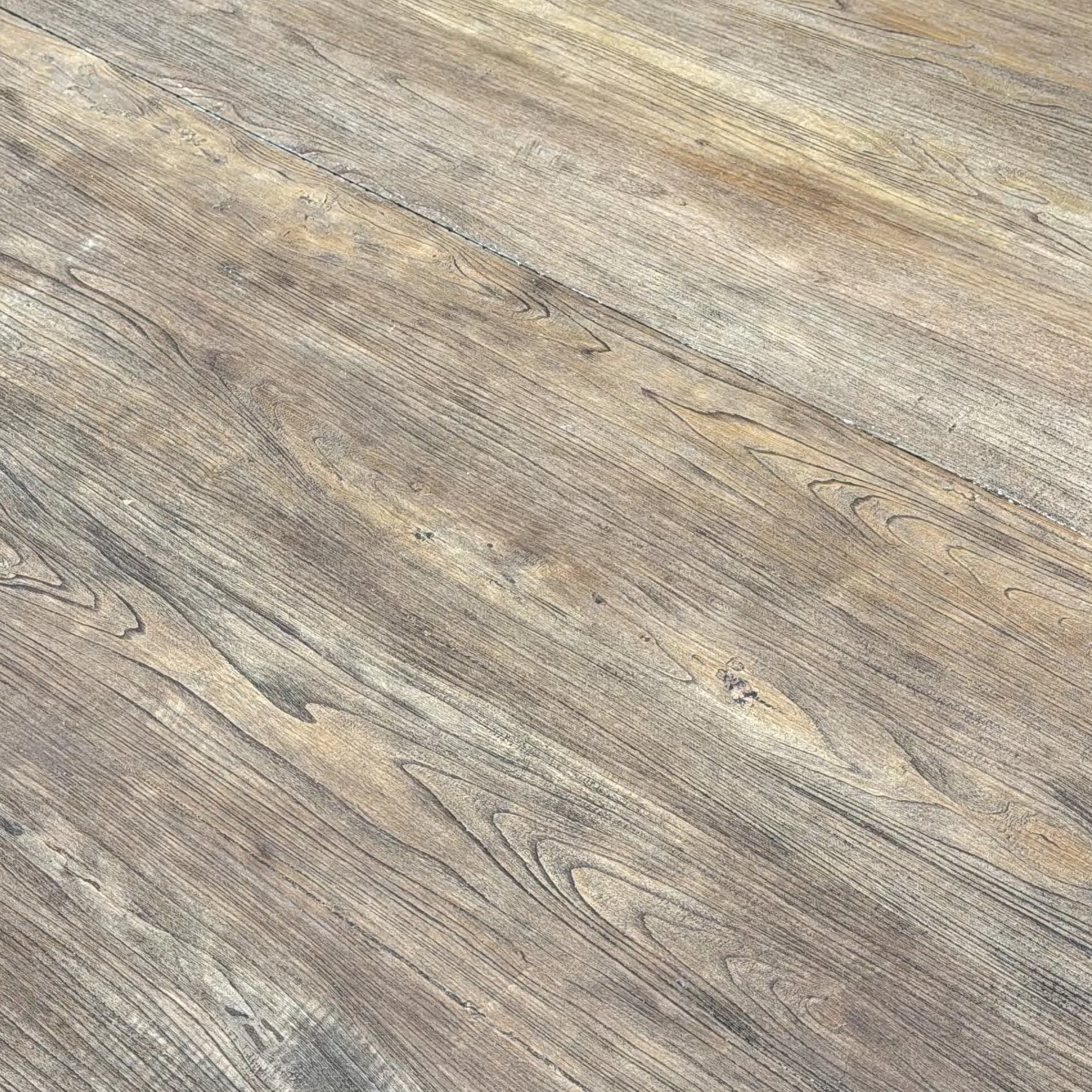
Wood grain board is a team player, and some of its most stunning moments come when paired with other natural materials. Let's explore how it harmonizes with a few standouts, turning ordinary spaces into something extraordinary.
|
Material Pairing
|
Aesthetic Vibe
|
Best For
|
Why It Works
|
|
Wood Grain Board + Travertine (Beige)
|
Earthy, Mediterranean-inspired warmth
|
Kitchen backsplashes, bathroom walls
|
Travertine's porous, fossil-like texture contrasts beautifully with wood grain's smoothness. Beige travertine adds a sun-baked, coastal feel, while the wood keeps it grounded.
|
|
Wood Grain Board + Fair-Faced Concrete
|
Industrial meets organic
|
Living room accent walls, home offices
|
Concrete's cool, raw finish balances wood's warmth. It's a mix of hard and soft, modern and timeless—perfect for spaces that feel both edgy and inviting.
|
|
Wood Grain Board + Weaving (Khaki)
|
Bohemian coziness
|
Bedroom headboards, reading nooks
|
Khaki weaving (think jute, rattan, or woven cotton) adds softness and texture, while the wood provides structure. Together, they feel like a hug—warm, tactile, and full of personality.
|
|
Wood Grain Board + Rough Granite Stone (Beige)
|
Rustic elegance
|
Dining room tables, fireplace surrounds
|
Rough granite's rugged, stone-like surface (in a warm beige tone) pairs with wood grain to evoke a mountain lodge vibe. It's durable enough for daily use but feels special, like a gathering spot for stories and meals.
|
Let's dive deeper into one of these pairings:
wood grain board and
travertine (beige). I recently saw this combo in a kitchen designed by a friend, and it stuck with me. The lower cabinets were clad in warm oak
wood grain board, their soft finish catching the light, while the backsplash was made of large, rectangular
travertine tiles in a creamy beige. The
travertine had those classic, naturally occurring holes (filled with a matching grout, for practicality), which added visual interest without overwhelming the space. Every time the sun hit the backsplash, the
travertine glowed, and the wood grain seemed to warm up in response. It was like bringing a piece of the Mediterranean countryside into the heart of the home—calm, inviting, and utterly timeless.
Where to Use Wood Grain Board: Spaces That Come Alive
Wood grain board isn't limited to walls or floors—its versatility means it can shine in just about any room. Let's break down a few of our favorite applications:
Living Rooms:
A
wood grain board accent wall behind a sofa instantly becomes the room's focal point. Paint the other walls a soft white or light gray, add a leather couch and a wool rug, and you've got a space that feels both sophisticated and lived-in. Or use it for built-in shelves—display books, plants, and family photos against the wood, and suddenly, even your knickknacks look curated.
Kitchens:
Cabinets, islands, or even ceiling beams—
wood grain board brings warmth to a space that's often dominated by stainless steel and tile. Pair light wood grain cabinets with marble countertops and brass hardware for a modern classic look, or go bold with dark wood grain and matte black fixtures for something more dramatic.
Bathrooms:
Thanks to its moisture resistance,
wood grain board works beautifully in bathrooms. Use it for vanity fronts, shower walls (paired with waterproof sealant), or even a full accent wall. Imagine stepping into a bathroom with wood grain walls, a stone vessel sink, and rainfall showerhead—suddenly, getting ready in the morning feels like a spa retreat.
Offices:
Home offices can feel sterile, but
wood grain board changes that. Line your desk with it, or use it for a wall-mounted shelf where you keep your laptop and notebooks. It adds a touch of nature to your workspace, making long hours feel less like work and more like a quiet afternoon in a cabin.
The Emotional Impact: More Than Just a Pretty Surface
Here's the thing about natural materials: they don't just look good—they make us feel good. Studies have shown that spaces with wood elements can reduce stress, lower blood pressure, and even improve focus. There's something primal about it; wood has been a part of human shelter for millennia, so our brains associate it with safety and comfort.
Wood grain board taps into that instinct, creating spaces that feel nurturing, not just nice to look at.
Think about coming home after a long day. You walk through the door, kick off your shoes, and your eyes land on the
wood grain board wall in your living room. Maybe the light is fading, and the wood takes on a golden hue, like sunlight through autumn leaves. In that moment, the stress of the day starts to melt. It's not just a wall—it's a reminder of simpler things: campfires, treehouses, lazy afternoons in a wooden rocking chair. That's the emotional power of
wood grain board. It doesn't just decorate a space; it transforms how you feel in it.
Sustainability: Nature-Friendly, Too
Let's talk about the elephant in the room: sustainability. We all want to make choices that are good for the planet, and
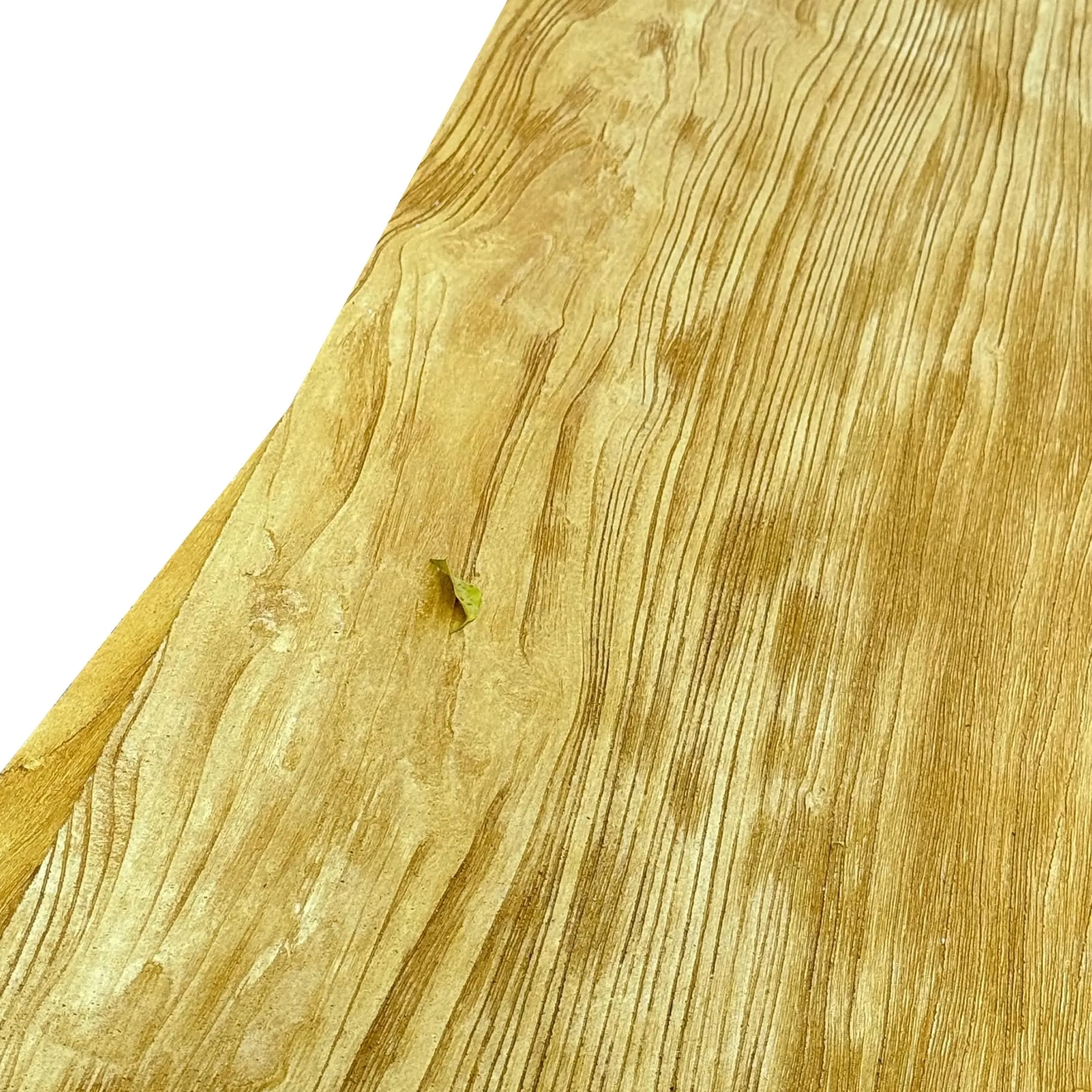
wood grain board often checks that box. Many manufacturers use recycled wood fibers or fast-growing, renewable materials in their production, reducing the need to harvest old-growth forests. Plus, since it's durable, it lasts longer than some other materials, meaning less waste over time. And because it's resistant to moisture and pests, it doesn't require harsh chemicals to maintain—just a little soap and water.
Of course, not all wood grain boards are created equal, so it's worth looking for certifications like FSC (Forest Stewardship Council) or GREENGUARD to ensure you're choosing an eco-friendly option. But even without certifications, the fact that it offers a low-maintenance alternative to solid wood (which often requires more resources to produce and maintain) makes it a step in the right direction for anyone trying to live more sustainably.
Bringing It All Together: Nature, Beauty, and Practicality
At the end of the day,
wood grain board is more than a building material. It's a bridge between the natural world and the modern home—a way to infuse our spaces with the warmth, texture, and beauty of wood, without the drawbacks. It's for the renter who can't install solid wood floors, the busy parent who wants a beautiful kitchen without the stress, and the design lover who craves a space that feels both curated and authentic.
So the next time you're dreaming of a home that feels more connected to nature, remember: you don't need a forest in your backyard. Sometimes, all it takes is a well-chosen
wood grain board—one that captures the look, the feel, and the heart of wood—to turn a house into a home. After all, nature isn't just outside. It's in the textures we touch, the warmth we feel, and the stories we create in the spaces we love. And
wood grain board? It's nature's way of saying, "Come on in—I'm right here."