
Where threads of tradition and innovation stitch architecture into emotion
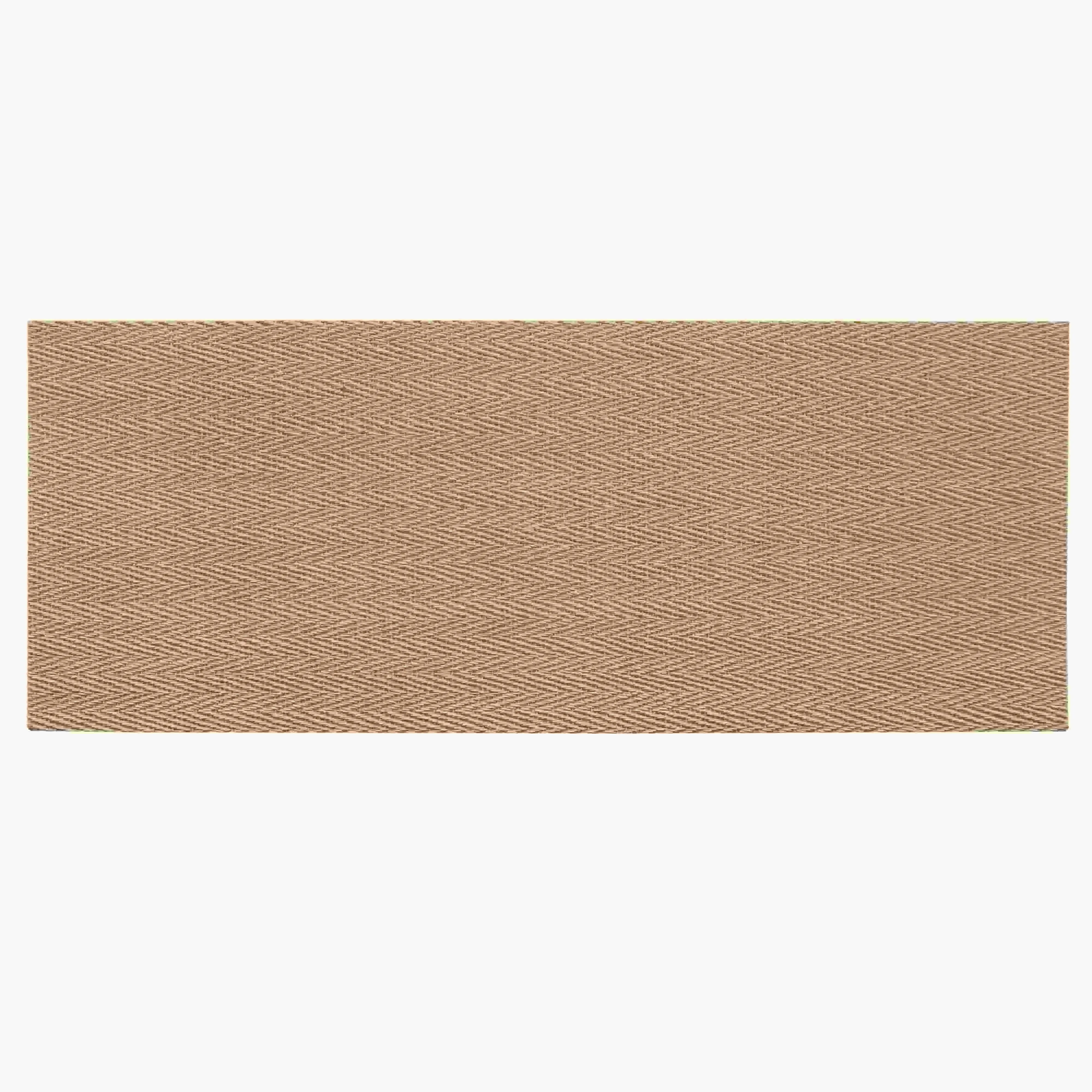
Last autumn, I stepped into a boutique hotel lobby in Kyoto and froze. The wall behind the reception wasn't just a wall—it was a tapestry of texture. Khaki threads woven into a pattern that looked both ancient and alive, catching the afternoon light to cast shadows like ripples on a pond. My hand reached out; the surface was cool but had a subtle give, like touching a well-loved textile. That was my first encounter with MCM's Weaving (Khaki) texture, and it sparked a question: How do you turn the softness of fabric into something sturdy enough to clothe buildings? The answer lies in the delicate dance between craftsmanship and technology—a dance that defines modern architectural materials.
Texture is the silent storyteller of spaces. It doesn't just look a certain way; it feels like a memory, a mood, a whisper of history. Weaving (Khaki) texture, in particular, is a master of this narrative. Its earthy hue evokes warmth—think sun-baked fields at dusk—while the woven pattern adds movement, as if the wall itself is breathing. But what makes this texture more than just a pretty face? Let's unravel the threads of its creation.
Craftsmanship is the soul of Weaving (Khaki) texture. Before any machine hums to life, there are hands—skilled hands that carry generations of textile wisdom. In a small workshop outside Bologna, Italy, I met Maria, a third-generation weaver who consults with MCM on texture design. "Weaving for walls isn't like weaving a scarf," she told me, her fingers brushing a sample of Khaki thread. "You need tension, but also flexibility. The pattern must hold when the material is cast, but still feel like it was woven by human hands."
The process starts with selecting the base material: MCM flexible stone, a marvel in itself. Unlike rigid natural stone, MCM flexible stone bends without breaking, making it the perfect canvas for texture. Maria and her team then design the weaving pattern, drawing inspiration from traditional Mediterranean textiles—think Provençal tapestries and Moroccan kilims—before adapting it for architectural use. "Khaki is tricky," she laughed. "Too light, and it fades; too dark, and it feels heavy. We tested 17 shades before landing on this one—it's like the color of aged linen, with depth."
Once the pattern is finalized, artisans create a master mold. This isn't done with lasers (not yet, anyway); it's done by hand, using clay to sculpt the woven grooves and ridges. "A machine can't replicate the slight irregularities that make the texture feel real," Maria explained, pressing her thumb into a clay mold to create a tiny indentation. "That imperfection? It's what makes someone stop and think, 'Did a person make this?'"
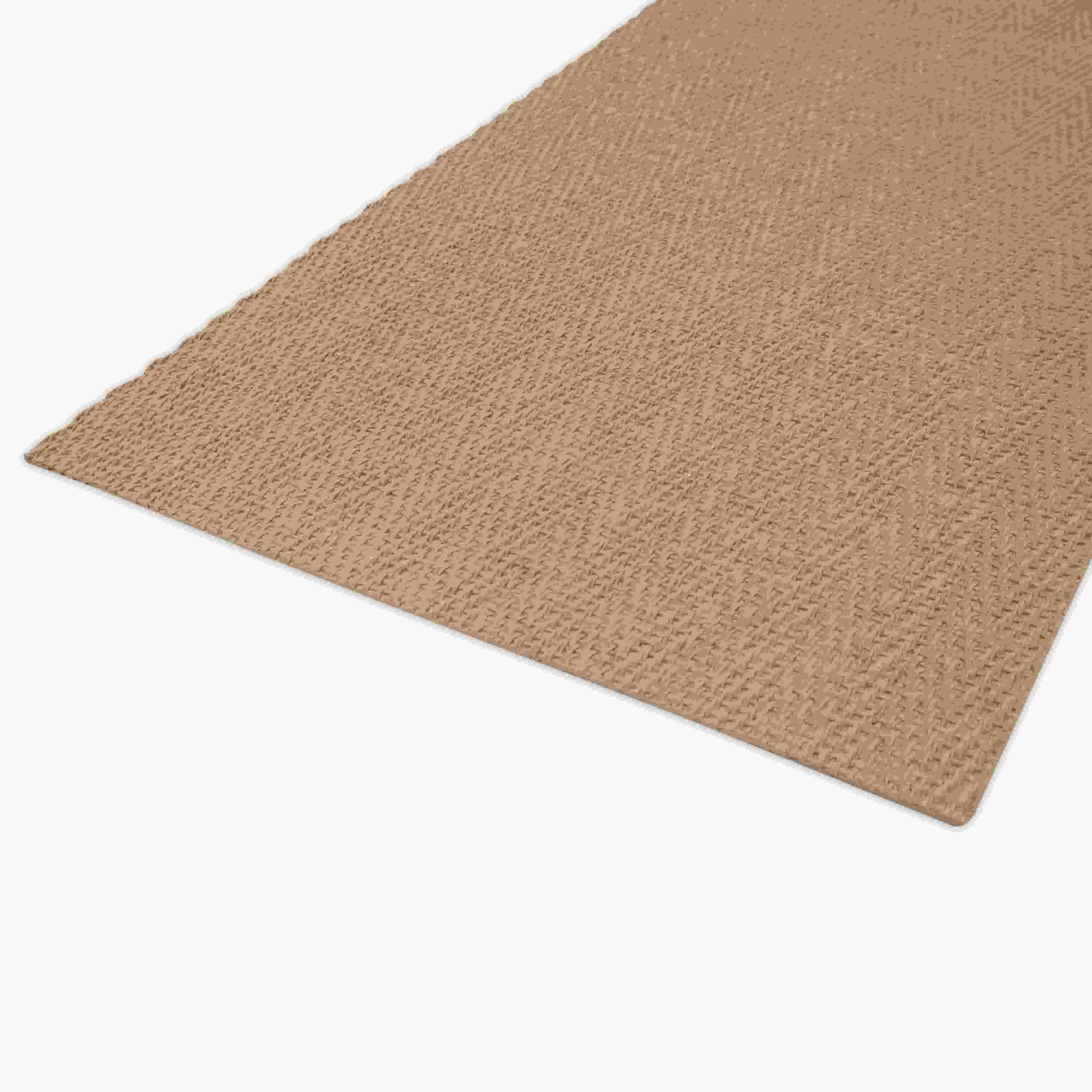
If craftsmanship is the soul, technology is the backbone. MCM's Weaving (Khaki) texture wouldn't exist without modern material science and engineering. Let's start with the elephant in the room: How does a woven pattern stay intact on a building facade, facing rain, wind, and UV rays? The answer lies in a secret blend of polymers and natural minerals.
Dr. Elena Torres, a materials scientist at MCM's R&D lab in Berlin, walked me through the process. "We start with MCM flexible stone's core: a mix of marble powder, fiberglass, and a polymer binder. For Weaving (Khaki), we add microscopic ceramic particles to the surface layer. These particles mimic the texture of natural fiber while making the surface scratch-resistant." She held up a sample, running a key across it—no mark. "Traditional textiles fade and fray, but this? It'll look the same in 20 years."
Then there's 3D modeling. After Maria's team creates the hand-sculpted mold, engineers scan it into a computer, digitizing every ridge and thread. This digital model is then used to create production molds, ensuring consistency across large projects. "We balance handcraft and precision," Dr. Torres said. "A building might need 500 panels—we can't have each one looking different. But we also don't want them to look identical. The 3D model lets us introduce controlled 'imperfections'—slight variations in thread thickness, tiny shifts in pattern—so the wall feels organic."
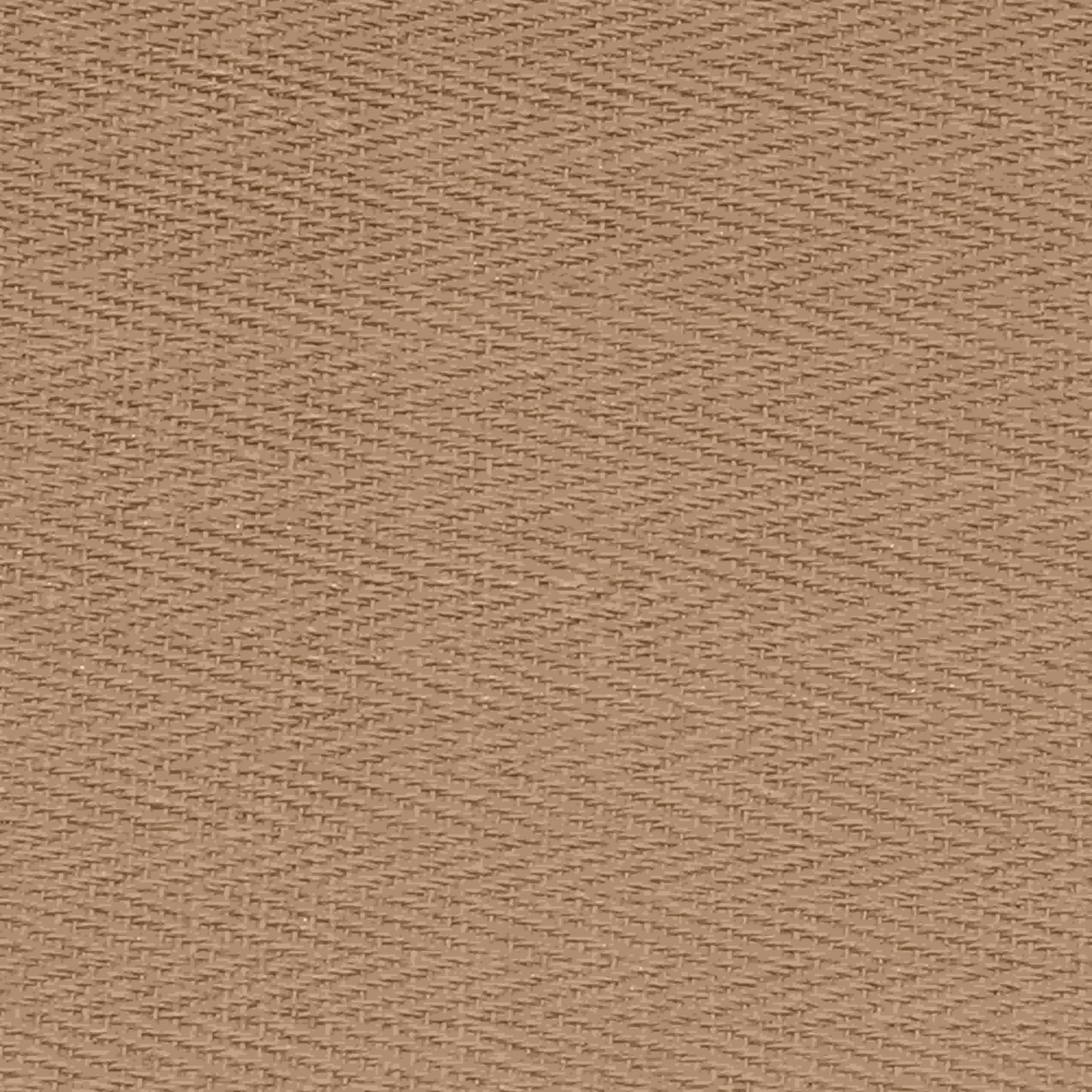
To truly appreciate Weaving (Khaki), it helps to see how it compares to other MCM textures. Let's take a closer look at three counterparts: Foamed Aluminium Alloy Board (Vintage Silver), Travertine (Starry Green), and Rammed Earth Board (Gradient).
| Texture | Material Story | Tactile Feel | Best For |
|---|---|---|---|
| Weaving (Khaki) | MCM flexible stone with ceramic-reinforced surface; inspired by textile weaving. | Softly ridged, with a subtle give; cool to the touch but warm in tone. | Cozy interiors (hotels, homes), spaces needing warmth and movement. |
| Foamed Aluminium (Vintage Silver) | Lightweight aluminium alloy with a frothy, porous structure; industrial-chic. | Metallic and smooth, with tiny bubbles; reflects light sharply. | Modern exteriors, high-tech offices, spaces aiming for sleekness. |
| Travertine (Starry Green) | Natural travertine with synthetic star-like inclusions; earthy and celestial. | Rough-hewn with pitted holes; cool and mineral-rich, like river stone. | Cultural centers, gardens, spaces evoking nature and wonder. |
| Rammed Earth (Gradient) | Layers of colored earth compressed into panels; shifts from terracotta to sand. | Dense and matte, with visible layer lines; warm and grounded. | Eco-friendly homes, desert-inspired resorts, spaces needing earthiness. |
Weaving (Khaki) stands out for its duality: it's soft yet strong, traditional yet modern. Unlike the cold sleekness of foamed aluminium or the ruggedness of travertine, it invites touch. "I've seen people stroke Weaving (Khaki) walls like they're petting a cat," Maria joked. "You don't get that with concrete."
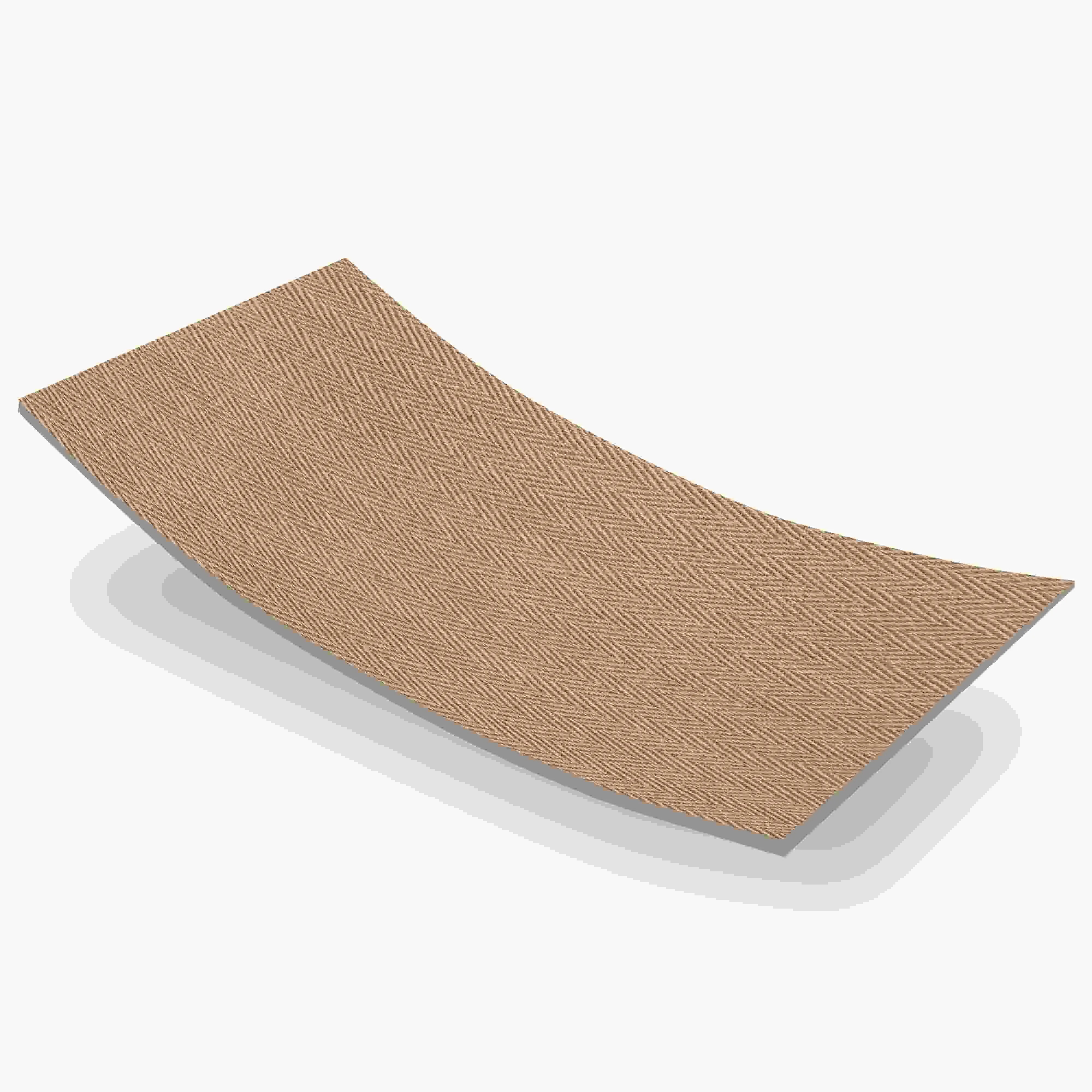
Texture isn't just about aesthetics—it shapes how we experience space. Let's visit three projects where Weaving (Khaki) takes center stage.
In Istanbul's historic Sultanahmet district, a café attached to the Textile Museum uses Weaving (Khaki) panels on its interior walls. The space is small, but the texture makes it feel expansive. "We wanted to echo the museum's collection without being literal," said architect Leyla Demir. "The weaving pattern nods to Ottoman textiles, while the khaki color keeps the room from feeling cluttered. Customers stay longer here—they say the walls 'feel calm.'"
In a minimalist Lisbon home, Weaving (Khaki) covers the living room fireplace wall. "I wanted something that would warm up the white space without adding color," homeowner Sofia Mendes told me. "The texture catches the firelight at night, making the room glow. My daughter loves tracing the patterns with her finger—it's become our 'wall game.'"
This co-working space uses Weaving (Khaki) in its breakout areas. "Tech offices can feel sterile," said designer Jan Richter. "We added the texture to create 'soft zones' where people can relax. It works—meetings here are more creative, less tense. The texture absorbs sound, too—no more echoing conference rooms."
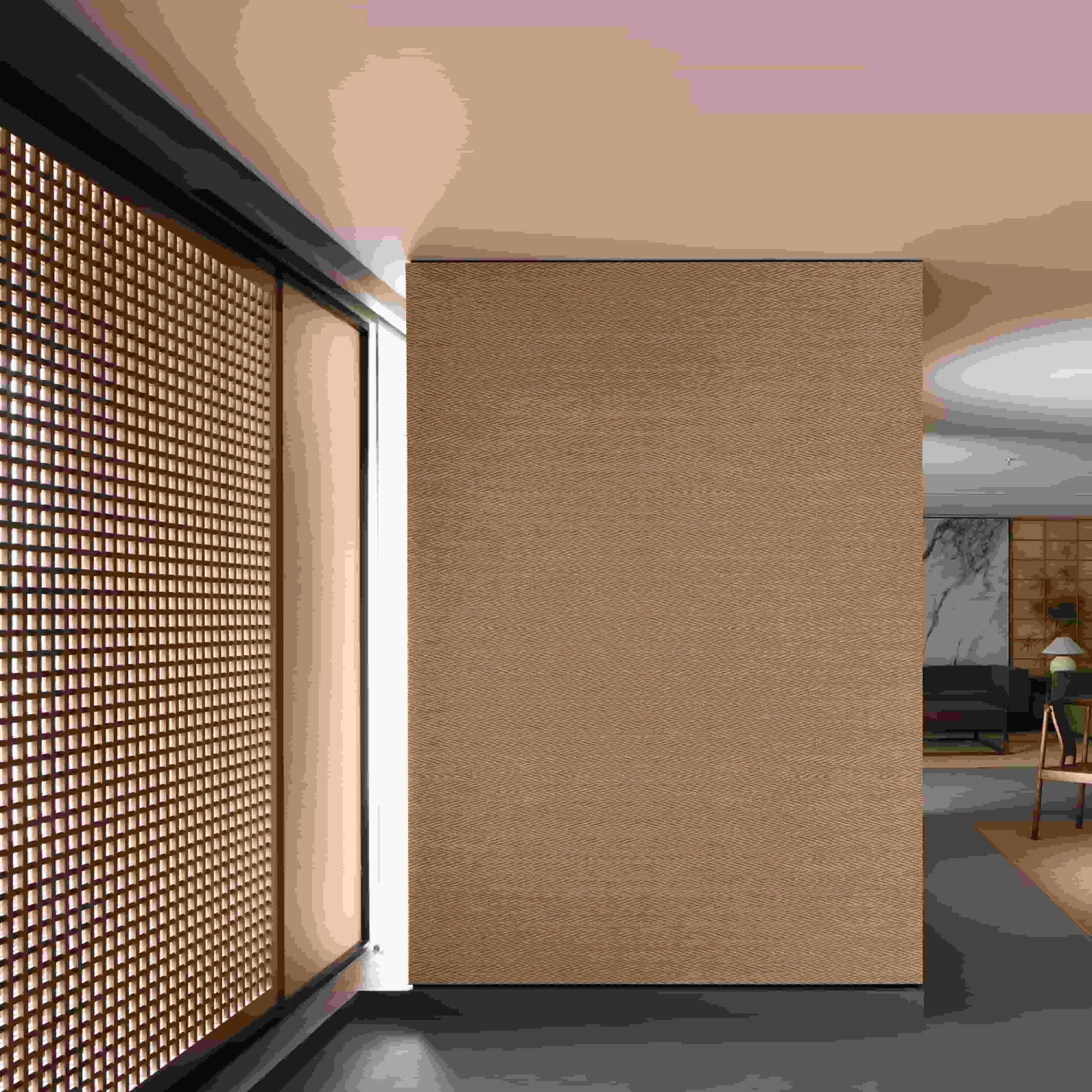
Weaving (Khaki) texture is more than a building material. It's a bridge between past and future—between Maria's clay molds and Dr. Torres's 3D models, between the softness of a textile and the strength of stone. It reminds us that in a world of sleek glass and cold steel, there's still room for warmth, for imperfection, for the human touch.
As I left that Kyoto hotel lobby, I turned back for one last look. The Weaving (Khaki) wall was now in shadow, but the pattern still hummed with life. It occurred to me: great architecture isn't just about function. It's about feeling. And in that moment, I felt something profound—a connection to the hands that wove the pattern, the minds that engineered its strength, and the spaces that would be shaped by it for years to come.
Texture, after all, is where stories live.
Recommend Products












