

In the world of architecture and construction, tradition often holds a powerful sway. For centuries, when we thought of grand, durable, and beautiful building facades, our minds immediately went to solid materials like natural stone, brick, and dense concrete. These materials are undeniably impressive, evoking a sense of permanence and strength. But what if that sense of permanence could be achieved without the immense weight, logistical nightmares, and environmental toll that often come with it? This is the question that modern material science is answering, and the solution is as elegant as it is revolutionary: lightweight masonry stone.
Imagine a material that possesses the aesthetic majesty of quarried marble or granite but weighs a mere fraction of it. A material that is flexible enough to wrap around curves, yet strong enough to withstand the harshest weather. This is no longer a futuristic dream. It's the reality offered by products like the MCM Big Slab Board series from COLORIA GROUP. As a forward-thinking one-stop solution provider in the building materials sector, we've seen firsthand how this technology is reshaping possibilities for architects, developers, and homeowners alike. This article will take a deep dive into the tangible benefits of lightweight masonry stone, focusing specifically on the groundbreaking advantages of the MCM Big Slab Board.
Before we can fully appreciate its benefits, it's essential to understand what we're talking about. The acronym MCM stands for "Modified Cementitious Material." It sounds technical, but the concept is beautifully simple. It starts with natural, earthen materials – think mineral powders, sand, and other recycled components. These base materials are then mixed with a special polymer and put through a low-temperature molding and curing process.
This "modification" is the key. Unlike traditional ceramics, which are fired at extreme temperatures (consuming massive amounts of energy), or natural stone, which is blasted out of mountainsides (a highly disruptive process), MCM is created through a much gentler, eco-conscious method. The process results in a material that is not only incredibly lightweight but also inherently flexible and durable.
Now, let's add the "Big Slab Board" part to the equation. Traditional tiles and panels are limited in size due to weight and brittleness. COLORIA GROUP's MCM Big Slab Board series pushes these boundaries. We're talking about large-format panels that can cover significant surface area with minimal seams. This is an aesthetic game-changer. A wall clad in these large slabs presents a clean, monolithic, and luxurious appearance that is simply unattainable with smaller, grid-like tiles. It creates an uninterrupted canvas, allowing the texture and pattern of the material to be the star of the show.
In essence, the MCM Big Slab Board represents the perfect synergy of nature and technology. It harnesses the beauty of natural elements and enhances them through scientific innovation to create a building material that overcomes the limitations of its traditional counterparts. It's a testament to a new way of thinking about construction—one that is smarter, more efficient, and more sustainable.
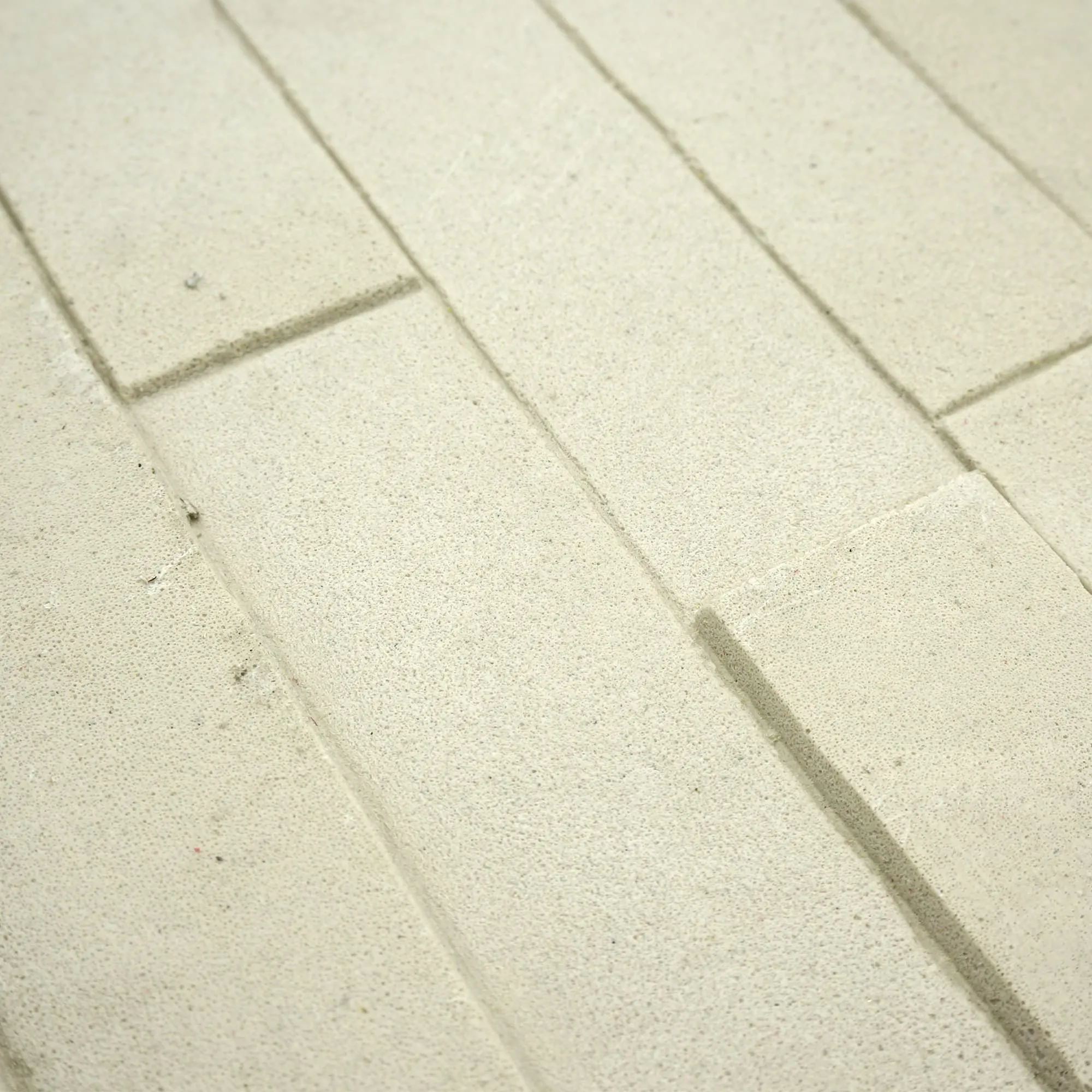
The single most transformative characteristic of MCM Big Slab Boards is their incredibly low weight. This might seem like a simple feature, but its ripple effects are felt throughout the entire lifecycle of a building project, from initial design to long-term maintenance.
Every building has to support its own weight, known as the "dead load." Traditional masonry like thick stone panels or precast concrete is incredibly heavy, contributing a massive amount to this dead load. To compensate, architects and engineers must design more robust (and more expensive) structural skeletons and foundations. Think thicker steel beams, more reinforced concrete, and deeper footings.
Now, consider using MCM Big Slab Boards, which can be up to 80% lighter than traditional stone of the same thickness and appearance. The reduction in dead load is dramatic. For a new high-rise building, this can mean a significant reduction in the amount of steel and concrete required for the entire structure, leading to colossal cost savings. In renovation projects, especially on older buildings, this is even more critical. An old structure might not be able to support the weight of a new, heavy stone facade. Lightweight MCM, however, can often be applied directly over existing surfaces without needing costly and invasive structural reinforcement. It's like giving a building a beautiful new coat without weighing it down.
The logistical chain of heavy materials is fraught with expense and complexity. Transporting tons of stone or concrete from a quarry or factory to a construction site requires heavy-duty trucks, consumes vast amounts of fuel, and contributes significantly to a project's carbon footprint. Once on-site, that weight continues to be a problem. Heavy-lift cranes, specialized moving equipment, and larger installation crews are all required to maneuver and place each panel. This not only inflates the budget but also slows down the project timeline and increases the risk of on-site accidents.
MCM boards turn this entire process on its head. Being so light, they can be transported more efficiently, with more square footage fitting onto a single truck, reducing fuel consumption and transportation costs. On-site, the difference is night and day. Panels can often be carried and positioned by just one or two workers, without the need for heavy cranes. This dramatically speeds up the installation process, reduces labor costs, and creates a safer working environment. The time saved on installation alone can shave weeks or even months off a large project's schedule, a factor that is invaluable to developers and contractors.
Think about it this way: cladding a 20-story building with traditional granite is a slow, methodical, and machinery-intensive operation. Cladding the same building with MCM Big Slab Boards is more akin to a skilled tailoring process—faster, more precise, and far less disruptive.
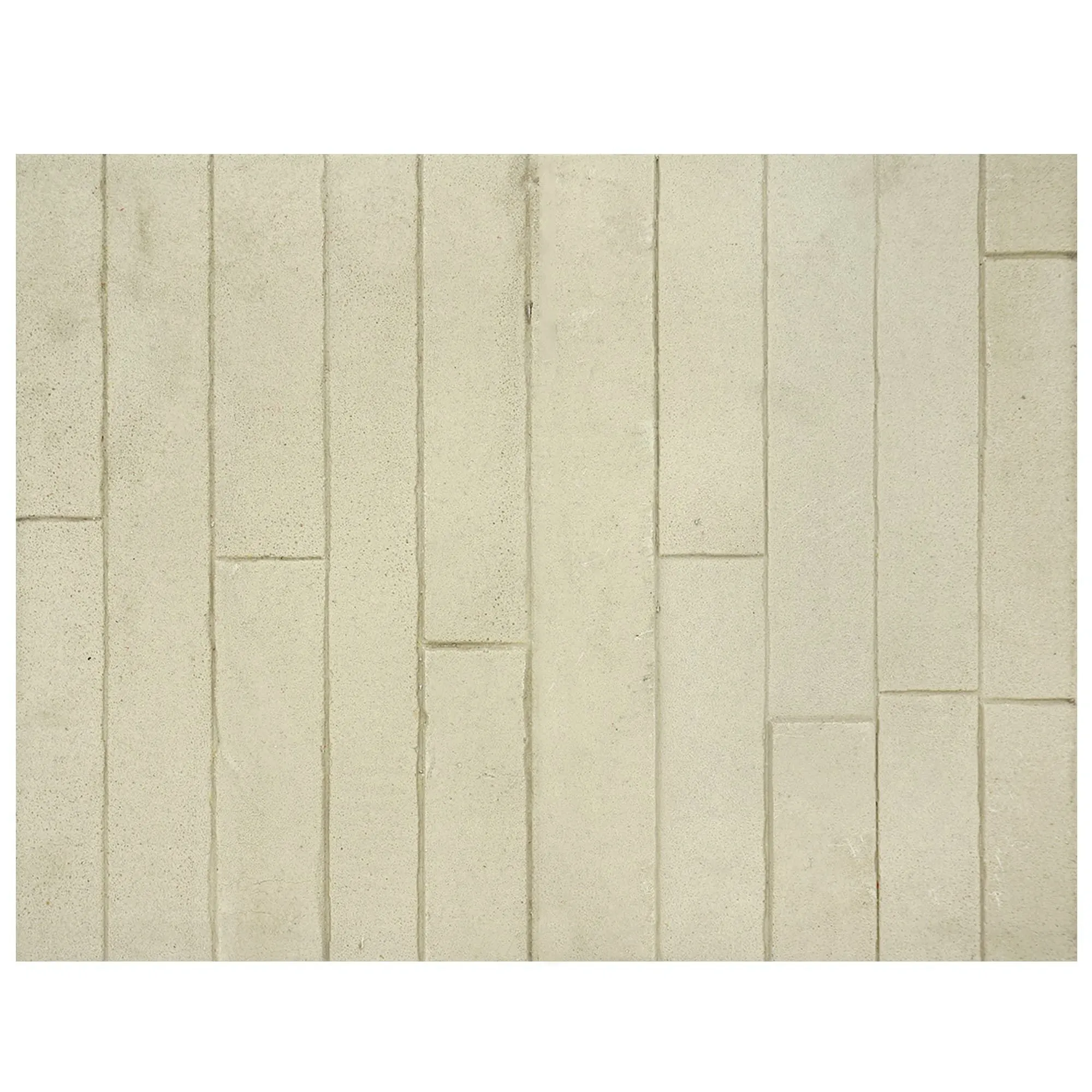
While the practical benefits of lightweight construction are compelling, a building material must also inspire. It must be beautiful. This is where MCM technology truly shines, offering a level of design flexibility that traditional materials can only dream of.
One of the first questions people ask about a material like this is, "Does it look real?" The answer is an emphatic yes. Through advanced molding and coloring techniques, MCM Big Slab Boards can replicate the intricate veining of marble, the subtle grain of travertine, the rugged texture of slate, and the clean lines of sandstone with breathtaking accuracy. The surfaces aren't just printed on; the texture is part of the material itself, giving it a tactile quality that engages the senses. You can achieve the multi-million-dollar look of a rare Italian marble facade for a fraction of the cost and weight.
This is where MCM technology moves from being a great alternative to a superior choice. Unlike natural stone, which is limited by what the earth provides, MCM is a canvas. Do you need a specific shade of grey to match a corporate color? No problem. Do you want to create a unique pattern that blends wood grain with a concrete texture? It's possible. The potential for custom looks is nearly infinite, even extending to bespoke three-dimensional patterns, a technology showcased in the innovative `MCM 3D Printing Series`, which demonstrates just how far this material can be pushed to create truly unique, architectural art pieces. This level of customization empowers architects to realize their exact vision without compromise, creating buildings that are genuinely one-of-a-kind.
We return to the "Big Slab" advantage because it's so crucial to the final aesthetic. In modern design, there's a strong movement toward minimalism, clean lines, and expansive surfaces. Grout lines and seams disrupt this flow, breaking up a surface and making it look busy. The large format of the `MCM Big Slab Board Series` minimizes these interruptions. A grand hotel lobby wall, an exterior facade, or a luxurious shower enclosure can be rendered as a single, sweeping, monolithic surface. This creates an unparalleled sense of scale, elegance, and modernity.
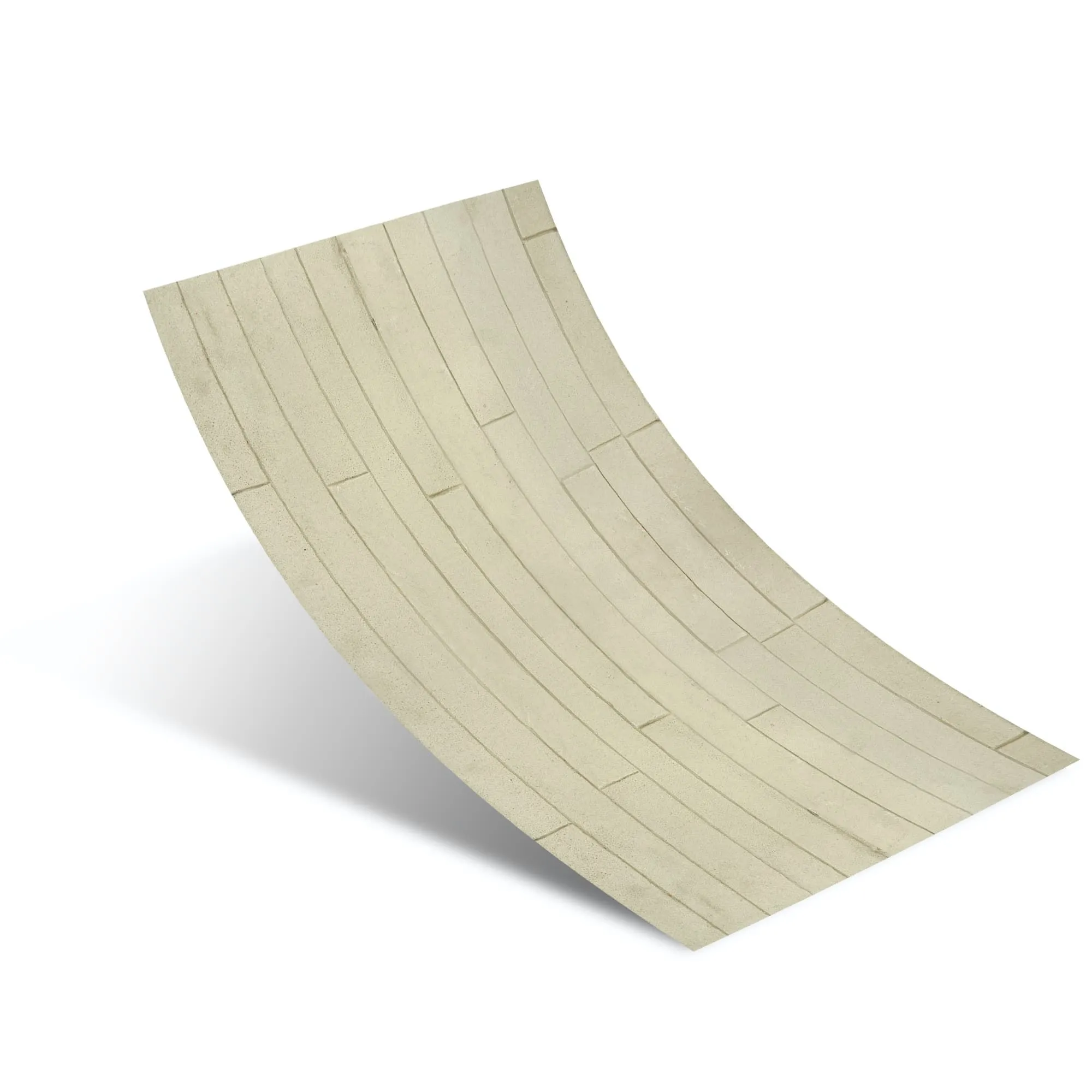
Furthermore, the inherent flexibility of the material means it can be applied to curved walls, columns, and arches seamlessly. Try doing that with a thick slab of granite! This attribute, which is a hallmark of the entire MCM product family—from large boards to the incredibly versatile `MCM Flexible Stone` used for more intricate applications—opens up a whole new world of fluid and organic architectural forms.
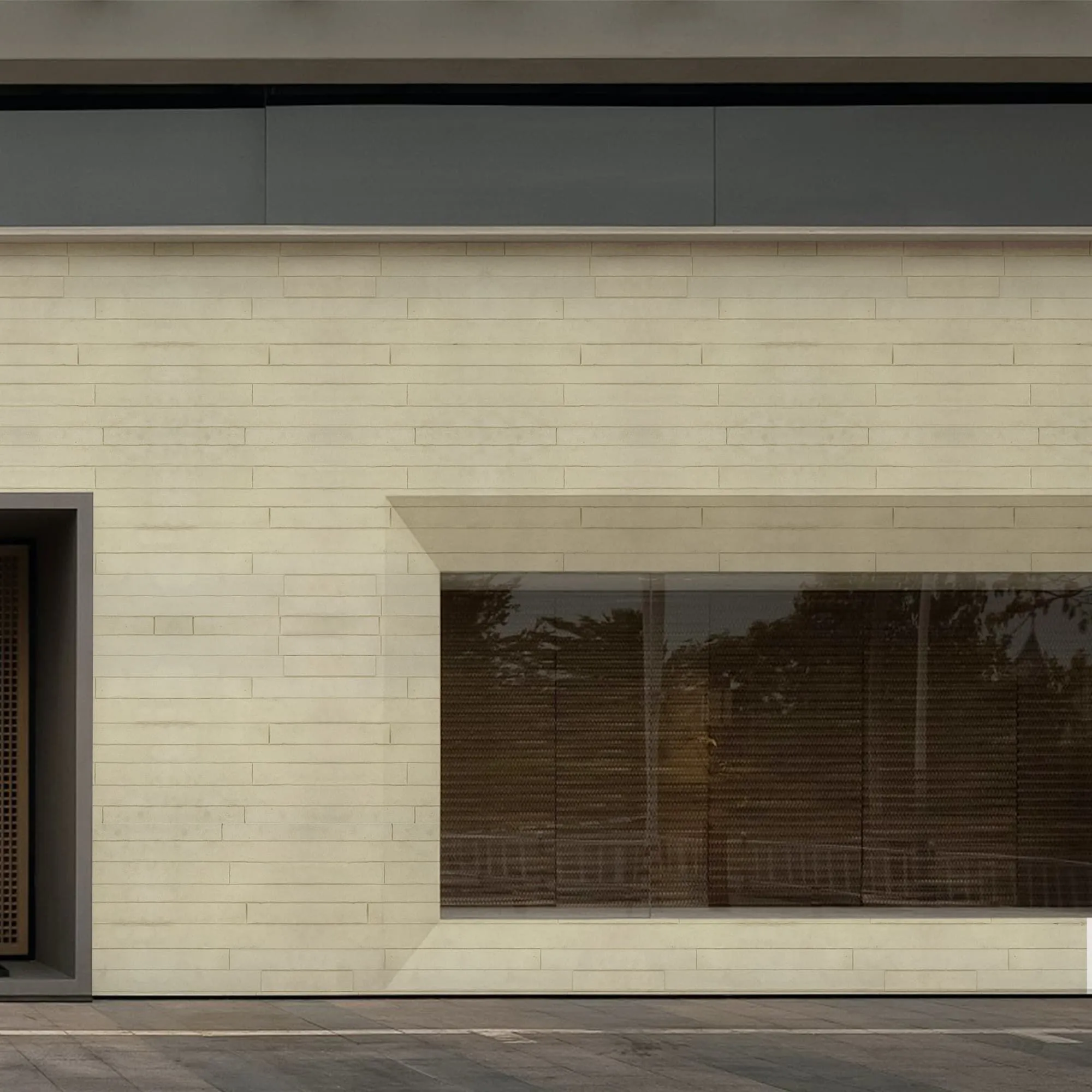
A beautiful facade is worthless if it can't stand up to the test of time and the elements. MCM Big Slab Boards are engineered for exceptional performance and longevity, often outperforming their heavier, more brittle counterparts in key areas.
As an exterior cladding material, MCM has to endure sun, rain, wind, and extreme temperatures. And it does, with remarkable resilience.
This is a crucial point of differentiation. Traditional stone and ceramic are rigid and brittle. A minor building settlement or a physical impact can cause them to crack or shatter. MCM, on the other hand, possesses a degree of flexibility. It can absorb minor impacts and tolerate slight movements in a building's substrate without cracking. This makes it far more durable in real-world conditions, especially in earthquake-prone regions or on structures that may experience vibration, like buildings near railways or highways. This flexibility also contributes to its ease of installation around columns and curved surfaces, as mentioned earlier.
For property owners and facility managers, long-term maintenance costs are a significant concern. The non-porous and durable nature of MCM makes it incredibly easy to maintain. Its surface resists staining from pollution and grime. In most cases, cleaning is as simple as washing it down with water. There's no need for expensive, specialized chemical treatments or resealing that some natural stones require. This low-maintenance profile translates into significant operational savings over the life of the building.
In today's world, construction is not just about building structures; it's about building a better, more sustainable future. The choice of materials plays a pivotal role in a project's environmental impact. MCM technology is fundamentally a green innovation, addressing sustainability at every stage.
For projects aiming for green building certifications like LEED or BREEAM, specifying materials like COLORIA GROUP's MCM series can be a strategic move. It helps earn points in categories such as Materials and Resources, Energy and Atmosphere, and Indoor Environmental Quality, making it easier to achieve a higher certification level.
To truly crystallize the advantages, let's put the MCM Big Slab Board head-to-head with its traditional competitors in a simple, clear format. The table below summarizes the key differences that architects, builders, and clients need to consider.
| Feature | MCM Big Slab Board | Natural Stone (e.g., Granite) | Traditional Ceramic/Porcelain Tile |
|---|---|---|---|
| Weight | Extremely light (approx. 4-8 kg/m²) | Very heavy (approx. 50-80 kg/m²) | Moderately heavy (approx. 15-25 kg/m²) |
| Installation | Fast, easy, low labor cost, no heavy machinery | Slow, complex, high labor cost, requires cranes | Moderately slow, requires precision, many grout lines |
| Structural Requirements | Minimal; can be used on light frames/renovations | Requires significant structural reinforcement | Requires a solid, stable substrate |
| Design & Customization | Virtually unlimited colors, textures, patterns, and sizes | Limited to what is quarried; customization is costly | Limited to standard production runs and sizes |
| Flexibility & Form | Flexible; can conform to curved surfaces easily | Rigid and brittle; cannot be bent | Rigid and brittle; cannot be bent |
| Durability | High impact resistance, freeze-thaw proof, Class A fire rated | Durable but brittle; can crack on impact or settlement | Durable surface but brittle body; can chip or crack |
| Environmental Impact | Low energy production, recycled content, low transport emissions | High-impact quarrying, high transport emissions | High-energy firing process, resource extraction |
| Maintenance | Very low; easy to clean, non-porous | Can be porous; may require sealing to prevent stains | Grout lines can stain and require regular cleaning/sealing |
The era of "bigger and heavier is better" in construction is drawing to a close. The future belongs to materials that are smarter, more efficient, more sustainable, and aesthetically versatile. Lightweight masonry stone, perfectly embodied by the `MCM Big Slab Board Series`, is at the very forefront of this movement.
The benefits are clear and compelling. From massive cost savings in structure and logistics to unprecedented design freedom and superior long-term performance, it addresses the core challenges faced by the construction industry today. It proves that we don't have to choose between beauty, durability, and responsibility.
As a dedicated `one-stop solution provider`, COLORIA GROUP is proud to champion this transformative technology. We believe that innovative materials like MCM are not just products; they are tools that empower architects and builders to create the next generation of stunning, high-performance, and sustainable architecture. The shift has begun, and the future of building looks brighter—and significantly lighter—than ever before.
Recommend Products











