

In the ever-evolving world of architecture and construction, the quest for materials that are both aesthetically pleasing and structurally efficient is a constant driving force. Architects, designers, and builders are always on the lookout for the next innovation that can push creative boundaries without compromising on safety, sustainability, or budget. This is where lightweight panels, particularly those with dynamic, three-dimensional designs like wave panels, have started to make a significant impact. Gone are the days when creating a textured, flowing facade meant using heavy, cumbersome materials like carved stone or thick concrete. Today, advanced materials are changing the game, and at the forefront of this revolution is COLORIA GROUP with its groundbreaking MCM (Modified Cementitious Material) technology.
Imagine a building exterior that mimics the gentle, undulating rhythm of ocean waves, catching the light in a thousand different ways throughout the day. This is the visual magic of wave panels. But their appeal goes far beyond the surface. The real innovation lies in their composition. COLORIA's MCM wave panels deliver this stunning visual effect in a format that is incredibly lightweight, flexible, and sustainable. This article will take a deep dive into the world of these remarkable panels, exploring why their lightweight nature is a game-changer for structural efficiency and how COLORIA's unique MCM solution is empowering architects to build the future, one beautiful, efficient wave at a time.
Before we unpack the benefits, let's get a clear picture of what we're talking about. The term "Wave Panel" describes a type of decorative panel characterized by a continuous, three-dimensional wavy or corrugated surface. This design isn't just for looks; it adds depth, texture, and a dynamic play of light and shadow to any flat surface, transforming a simple wall into a captivating feature.
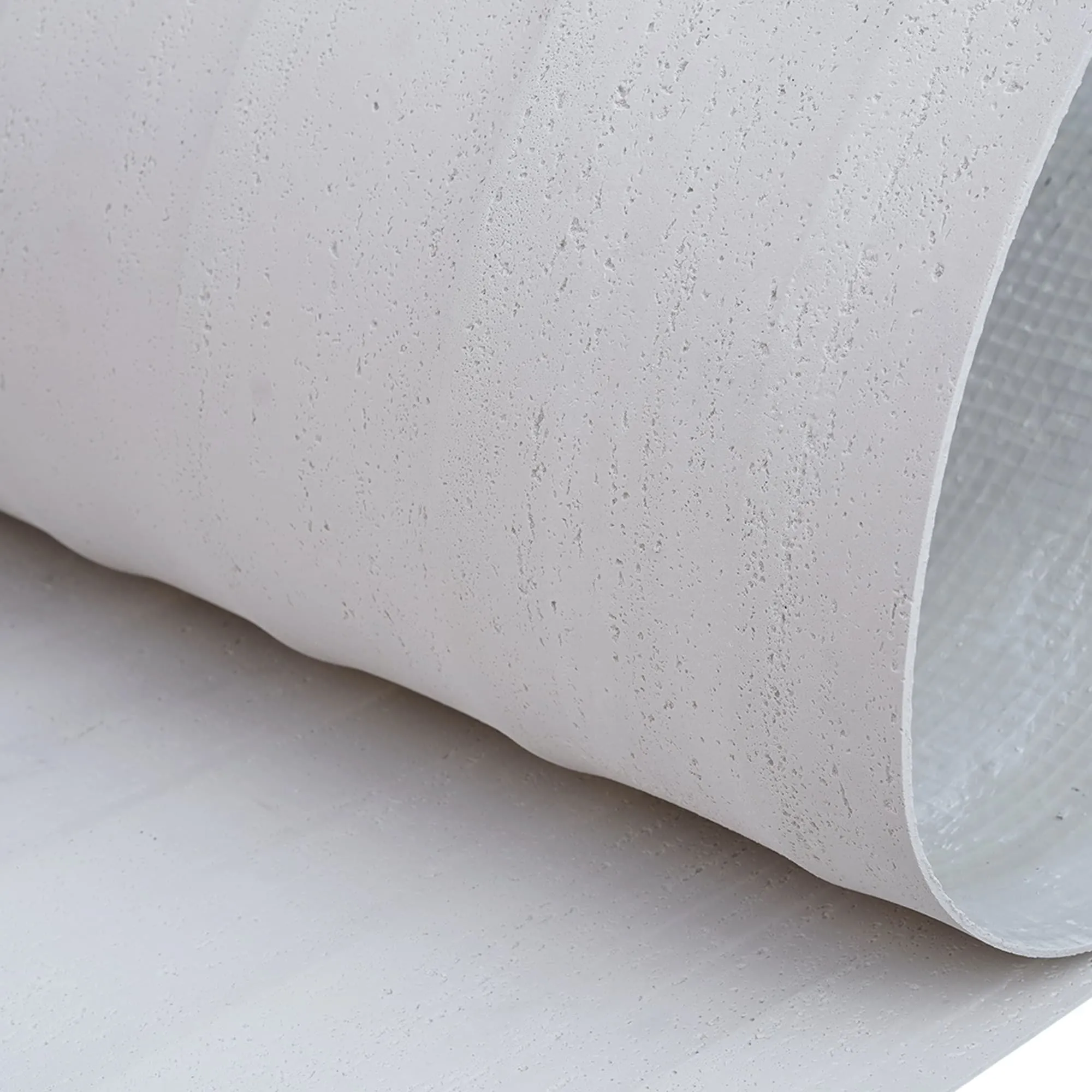
The "MCM" part is where the science comes in. MCM stands for Modified Cementitious Material, a proprietary technology perfected by COLORIA GROUP. It's a composite material made from a base of natural inorganic materials like soil, sand, and stone powder, which are modified with a special blend of water-soluble polymers. Through a unique process of low-temperature curing, these raw materials are transformed into a material that possesses the best qualities of both stone and clay, yet remains incredibly thin, lightweight, and flexible. When this technology is applied to create wave panels, the result is a product that has the visual gravity of sculpted stone but the physical properties of a modern, high-tech composite.
Think of it this way: traditional methods would require either carving heavy blocks of material or casting thick, brittle concrete forms to achieve a wave effect. COLORIA's MCM approach essentially "prints" or molds this complex texture onto a thin, pliable sheet, offering a far more intelligent and efficient solution.
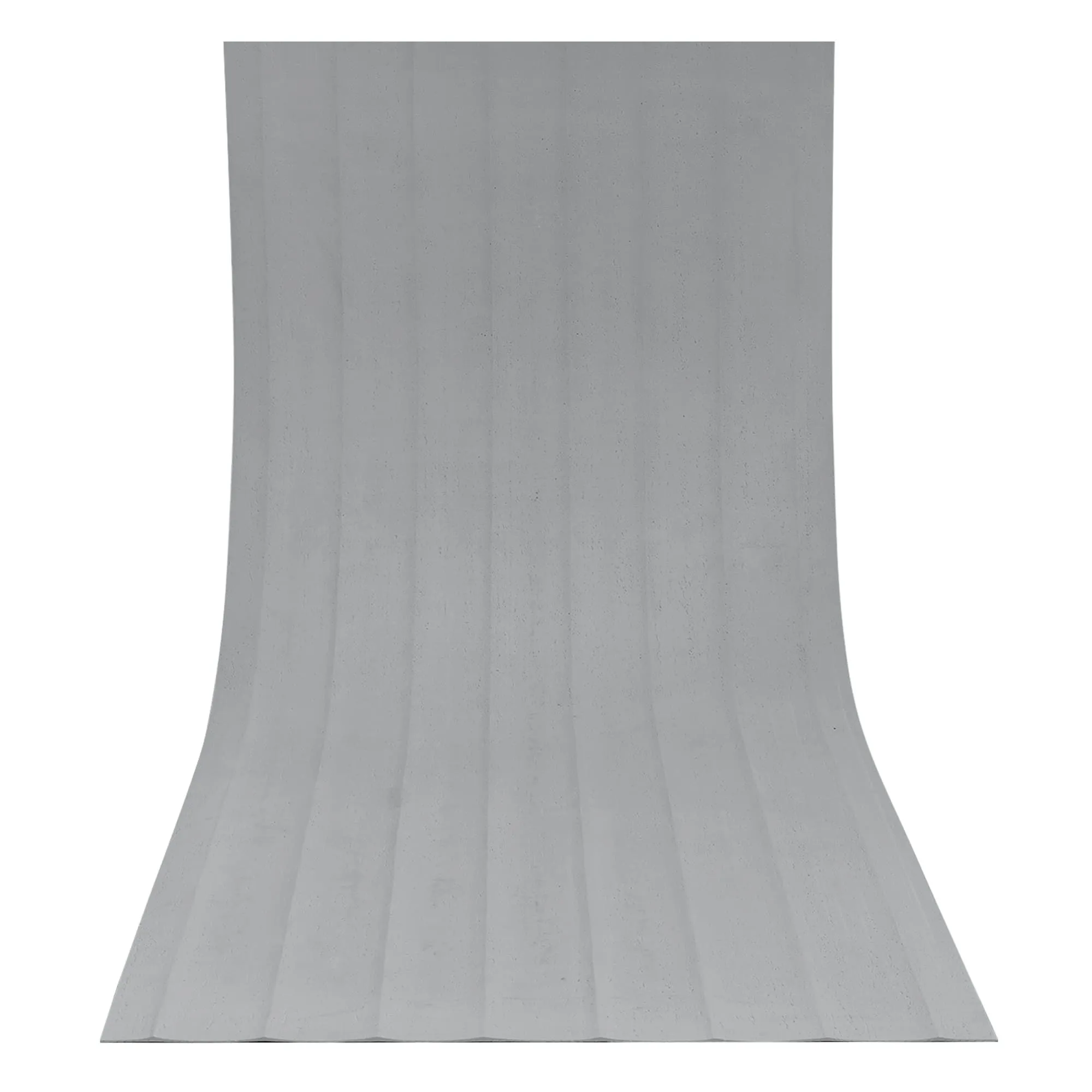
To truly appreciate the advantage of lightweight panels, we must first understand the "weight problem" inherent in conventional building materials. For centuries, the most common choices for creating durable and impressive facades have been materials like natural stone (granite, marble), precast concrete panels, and solid brickwork. While undeniably robust, these materials share a significant drawback: they are incredibly heavy.
The weight of a building's exterior cladding isn't just a simple number on a spec sheet. It sets off a chain reaction of structural and logistical challenges that impact the entire project from conception to completion and even throughout the building's lifespan.
This cumulative burden of weight impacts timelines, budgets, safety protocols, and creative freedom. It's a fundamental challenge that the construction industry has grappled with for decades, and it's precisely this challenge that lightweight solutions like COLORIA's MCM wave panels are designed to solve.
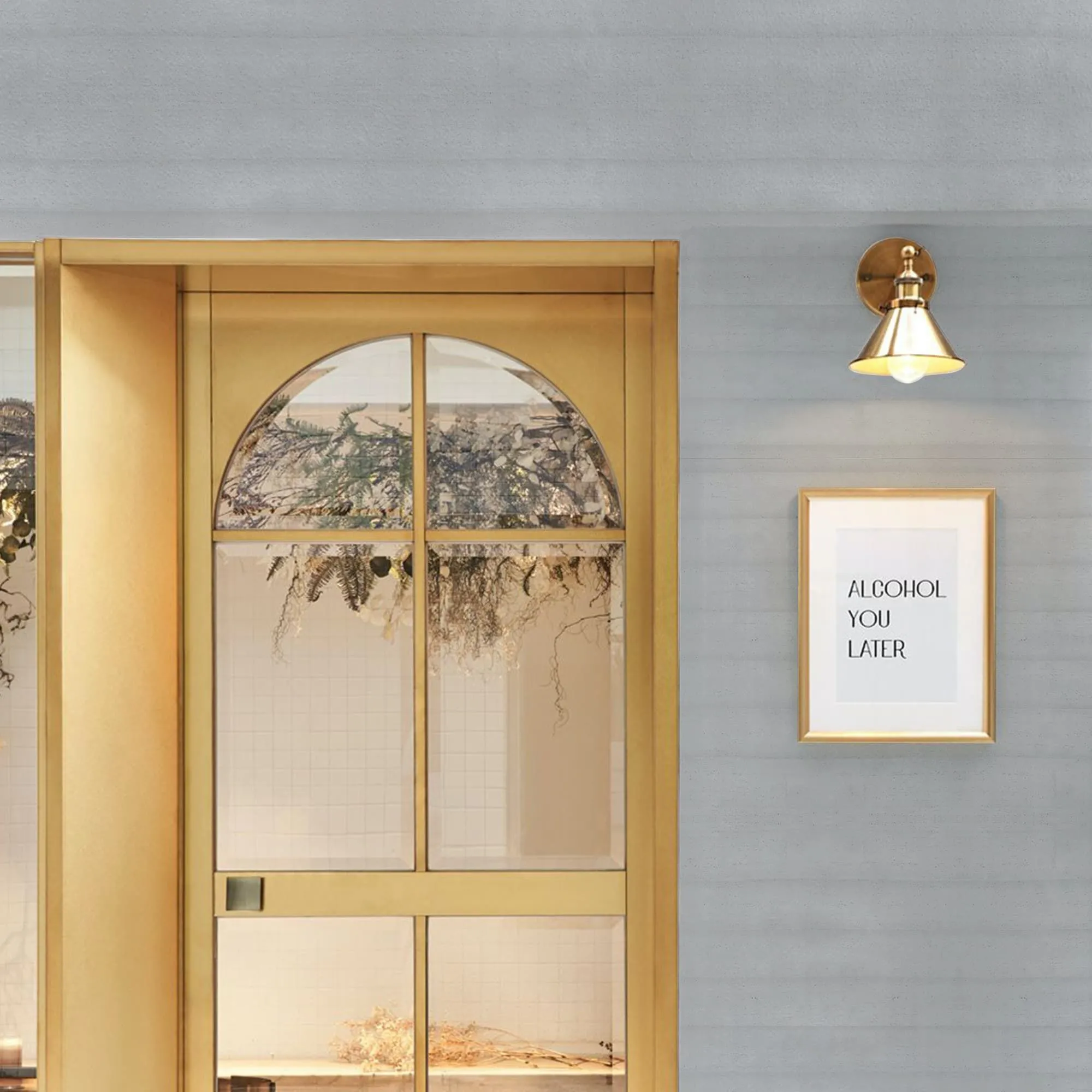
By fundamentally changing the weight equation, COLORIA's MCM panels offer a cascade of benefits that ripple through every phase of a building project. Weighing only a fraction of traditional stone or concrete—typically around 4-8 kg per square meter—they offer a paradigm shift in how we approach building design and construction.
This is the cornerstone benefit. By using a cladding material that is up to 80-90% lighter than traditional 2-3 cm thick stone, the demands on the building's skeleton are massively reduced. For new constructions, this means architects and engineers can design more slender and efficient structural frames and foundations. This reduction in concrete and steel usage not only saves a significant amount of money but also drastically cuts down the project's embodied carbon—the total greenhouse gas emissions generated from manufacturing and transporting building materials. For renovation projects, it's a game-changer. Older buildings can be given a modern, textured facade without requiring expensive and invasive structural reinforcement.
Imagine installing a facade panel with the ease of tiling a wall. That's the reality with lightweight MCM panels. They can be easily carried by one or two workers without the need for heavy cranes. They can be cut, drilled, and shaped on-site using simple hand tools, allowing for precise adjustments and perfect fits around windows, doors, and complex architectural features. This flexibility speeds up the installation process immensely, reducing labor costs and shortening project timelines. Furthermore, the risk of accidents associated with lifting heavy objects is virtually eliminated, creating a much safer work environment.
The cost benefits of lightweight MCM panels are multifaceted:
Perhaps the most exciting advantage for designers is the newfound creative freedom. The inherent flexibility of MCM material before curing, combined with its lightweight nature, means that complex curves, dramatic textures, and intricate patterns are no longer the stuff of dreams. Wave panels are just one example. With COLORIA's technology, custom 3D designs can be created to fit a specific architectural vision. The panels can be wrapped around curved walls, columns, and arches with a seamless finish that is impossible to achieve with rigid, heavy materials. This capability is particularly evident in the MCM 3D Printing Series , which allows for almost unlimited customization in texture and form, empowering architects to create truly unique and iconic buildings.
| Feature | COLORIA MCM Wave Panels | Traditional Stone/Concrete Panels |
|---|---|---|
| Average Weight | 4-8 kg/m² | 50-120 kg/m² |
| Structural Load Impact | Minimal. Allows for lighter building frames and foundations. | Significant. Requires heavy-duty structural support. |
| Installation Method | Manual lifting, simple adhesive application. Cut on-site with hand tools. | Requires cranes and heavy machinery. Complex anchoring systems. |
| Installation Speed | Fast. Reduces labor hours significantly. | Slow and methodical. Weather-dependent. |
| Transportation Cost | Low. More material per shipment, lower fuel consumption. | High. Weight-intensive and costly. |
| Design Flexibility | Excellent. Can be applied to curved and complex surfaces. High customization. | Limited. Restricted to flat surfaces and simple cuts. Curving is extremely expensive. |
| Suitability for Retrofitting | Ideal. Adds minimal weight to existing structures. | Often unfeasible without major structural reinforcement. |
Lightweight doesn't mean fragile. In fact, COLORIA's MCM material is engineered for exceptional performance. Its composition makes it resistant to fire (Class A fire rating), water, freezing and thawing cycles, and UV radiation. Unlike some materials that can become brittle over time, MCM maintains a degree of flexibility, which allows it to absorb minor impacts and building movements without cracking. This resilience ensures a long-lasting, low-maintenance facade that retains its beauty for decades. This blend of flexibility and strength makes it an ideal choice, often surpassing the practical durability of thicker, more rigid materials.
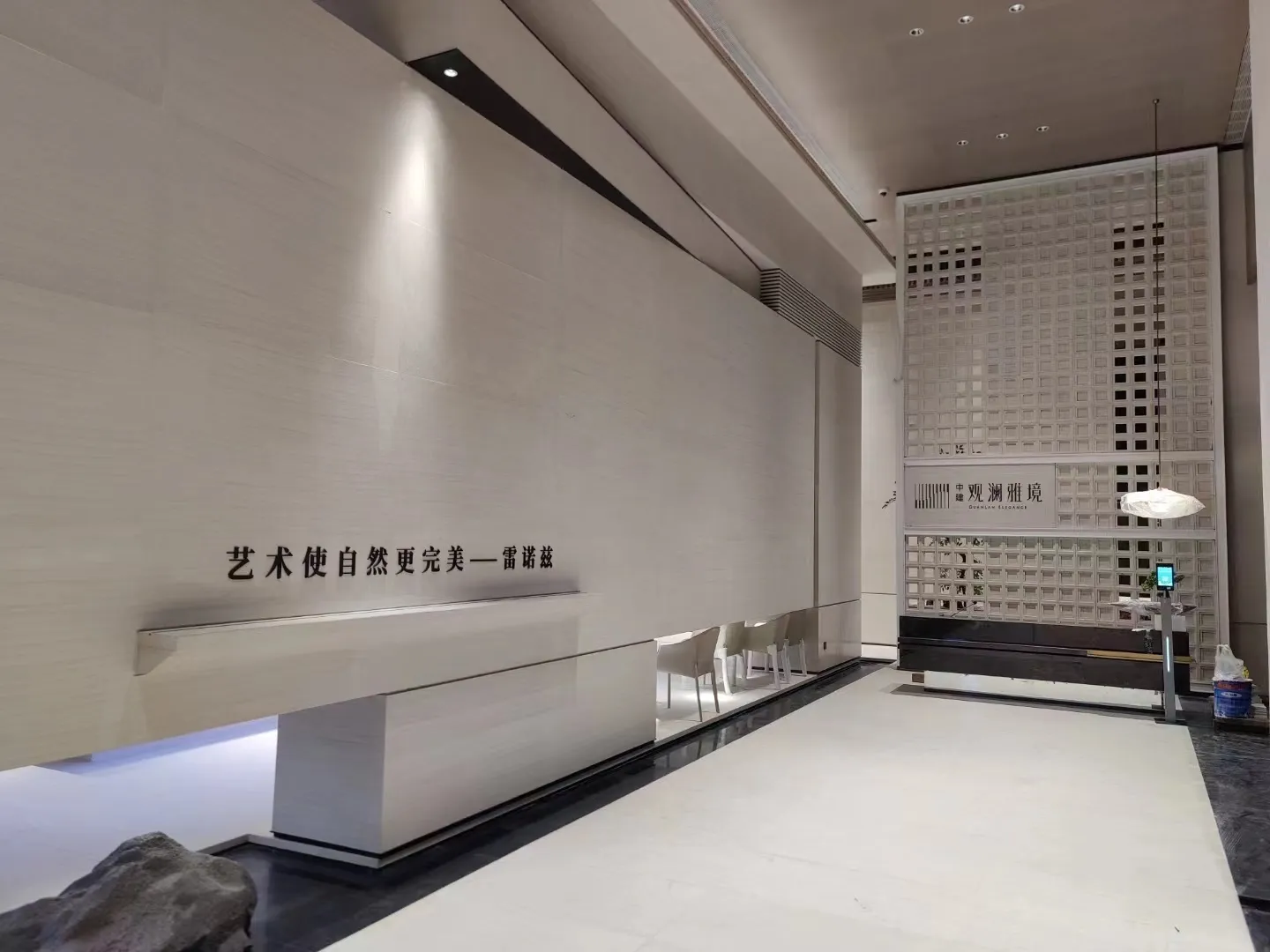
While the wave panel is a perfect illustration of the benefits of lightweight 3D design, it's just one part of the comprehensive solution offered by COLORIA GROUP. As a one-stop provider, COLORIA has developed an entire ecosystem of MCM products designed to work together, providing a consistent, high-quality finish for any project, inside and out.
For projects that require the classic, timeless look of natural stone but with the modern benefits of MCM, the MCM Flexible Stone series is the perfect solution. This product line meticulously replicates the texture, color, and veining of various natural stones like travertine, slate, and sandstone. However, it does so in a thin, flexible, and lightweight format. It can be wrapped around columns, used on curved interior feature walls, or applied as an exterior cladding, providing the authentic aesthetic of stone without any of the associated weight, cost, or installation difficulties. It's the ideal choice for achieving a high-end look in both commercial and residential projects.
Modern architectural trends are leaning towards large, seamless surfaces with minimal joint lines. The MCM Big Slab Board Series caters directly to this demand. These large-format panels provide a sleek, monolithic appearance that is perfect for contemporary facades, lobby walls, and spacious interiors. Because they are still based on the lightweight MCM technology, these large slabs are far easier to handle and install than comparable large-format porcelain or stone slabs, once again streamlining the construction process and reducing structural load. They offer the grand scale of a slab with the practical advantages of a lightweight panel.
The MCM Project Board Series is the workhorse of the COLORIA lineup, designed for large-scale commercial, residential, and public projects. This series offers a wide array of standard textures and finishes, from brick and wood patterns to simple, elegant plaster-like surfaces. It provides a cost-effective, durable, and attractive solution for covering large surface areas quickly and efficiently. Its balance of aesthetic variety, performance, and value makes it a go-to choice for developers and contractors working on extensive projects where budget and timelines are critical.
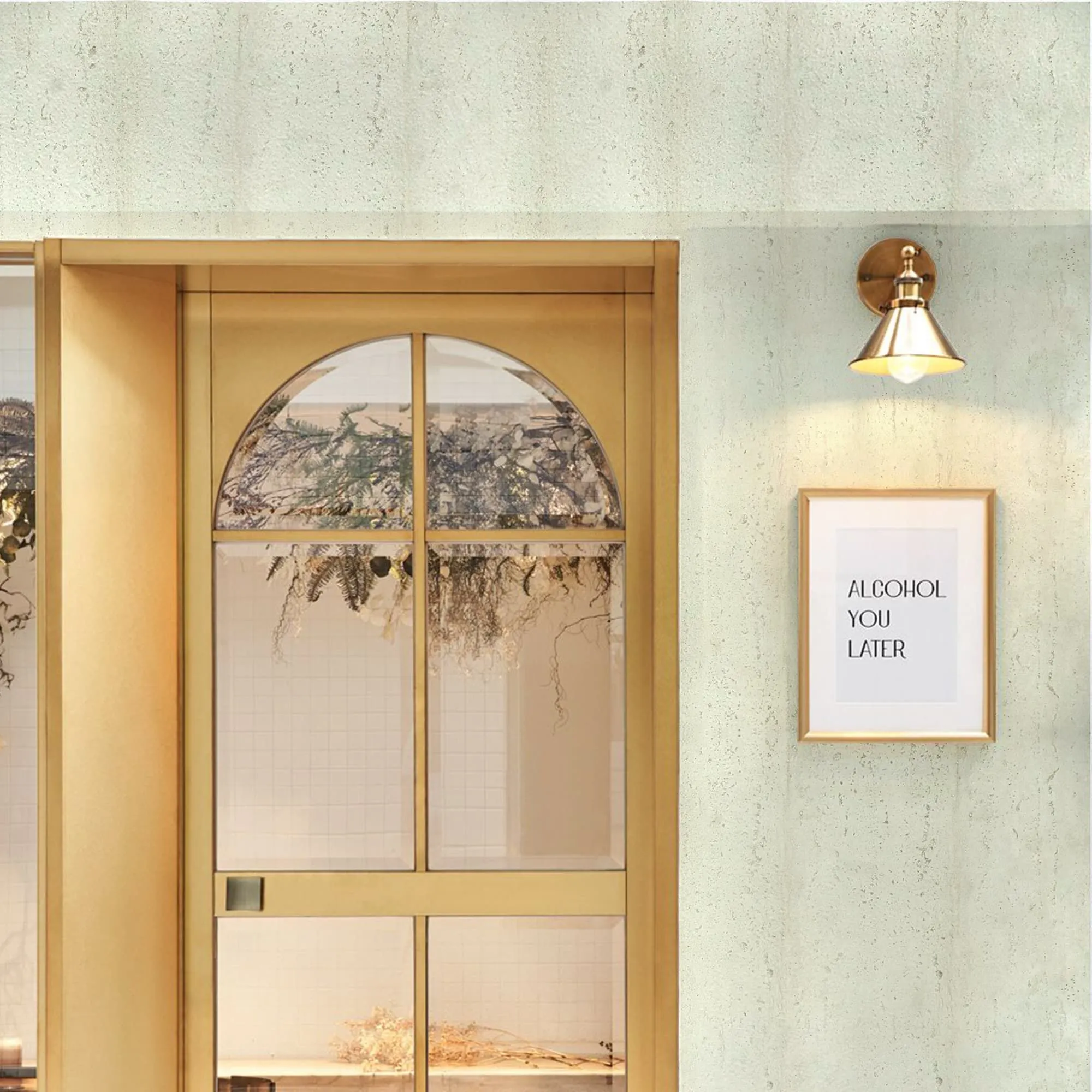
In today's environmentally conscious world, the sustainability of a building material is as important as its performance. COLORIA's MCM technology is inherently green, making it a responsible choice for modern construction.
Choosing COLORIA's MCM panels is not just an investment in aesthetics and efficiency; it's a commitment to building a more sustainable future.
The architectural landscape is being reshaped by materials that do more with less—more beauty, more performance, more creative freedom, with less weight, less cost, and less environmental impact. Lightweight wave panels crafted from COLORIA's advanced MCM material are a perfect embodiment of this new paradigm. They solve the age-old problem of weight in construction, liberating architects and builders from the constraints of traditional heavy materials.
From the dramatic, flowing lines of a 3D facade to the timeless elegance of flexible stone and the sleek modernism of big slab boards, COLORIA GROUP offers a complete, integrated system. As a dedicated one-stop solution provider with decades of experience and a global footprint, COLORIA is not just selling a product; it is offering a smarter, more efficient, and more sustainable way to build. The benefits are clear: enhanced structural efficiency, massive cost savings, unparalleled design flexibility, and a greener final product. For anyone looking to push the boundaries of design while maintaining practical efficiency, the answer is clear. It's time to move beyond the heavy, rigid constraints of the past and embrace the lightweight, flexible, and beautiful future of construction with COLORIA's MCM solutions.
Recommend Products











