
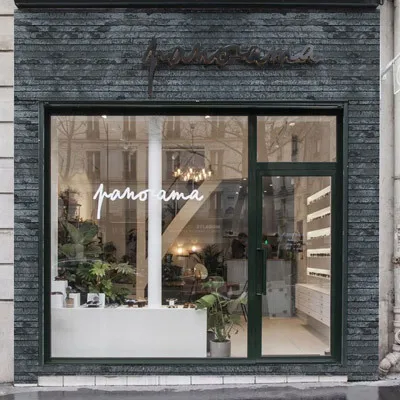
In the world of modern construction, where every decision shapes the spaces we live, work, and gather in, the search for the perfect building material is never-ending. Architects and designers aren't just looking for something that looks good—they need materials that stand the test of time, adapt to diverse environments, and align with the growing demand for sustainability. Enter Muretto Stone, a material that's quietly revolutionizing how we think about cladding, facades, and interior design. Part of the innovative MCM flexible stone family, Muretto Stone isn't just a product; it's a solution that bridges the gap between old-world charm and cutting-edge functionality. Let's dive into why this material is becoming a go-to choice for forward-thinking construction projects.
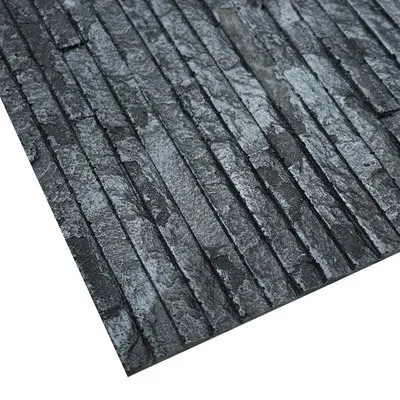
Before we jump into its benefits, let's get to know Muretto Stone a little better. Unlike traditional stone that's quarried from the earth in heavy slabs, Muretto Stone is a engineered composite material designed for modern needs. Think of it as nature's resilience meets human ingenuity. Crafted through advanced manufacturing processes, it retains the authentic texture and appearance of natural stone—those subtle variations, the depth of color, the tactile quality that makes stone feel "alive"—but with a twist: it's lighter, more durable, and far more versatile. Available in three core shades—light grey, dark grey, and beige—Muretto Stone isn't just a single look; it's a palette that adapts to the unique personality of every project.
You might be wondering, "How does it fit into the bigger picture of construction materials?" Well, Muretto Stone is part of the broader MCM (Modified Composite Material) flexible stone series, a category known for pushing the boundaries of what building materials can do. This connection means it inherits the best traits of MCM technology: flexibility that resists cracking, a lightweight profile that eases installation, and a commitment to sustainability that modern projects demand. But what truly sets Muretto Stone apart is how it balances these technical perks with an undeniable aesthetic appeal—making it a favorite among architects who refuse to compromise on beauty or performance.
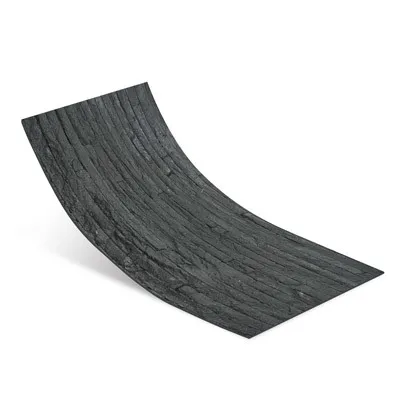
Let's break down the reasons why Muretto Stone is quickly becoming a staple in modern construction. From durability that outlasts harsh weather to design flexibility that sparks creativity, each benefit tells a story of how this material enhances not just buildings, but the experiences of the people who use them.
Imagine investing in a building facade that starts to fade, crack, or chip after just a few years. Not only is it an eyesore, but the cost of repairs can add up fast. Muretto Stone was engineered to eliminate that worry. Thanks to its composite structure, it's resistant to the kinds of wear and tear that plague traditional stone and even some modern alternatives. Rain, snow, intense sunlight, salt spray—Muretto Stone takes it all in stride. Unlike natural travertine, which can be porous and prone to staining, or fair-faced concrete, which may develop hairline cracks over time due to thermal expansion, Muretto Stone maintains its integrity year after year.
Take, for example, a coastal hotel in Miami that chose Muretto Stone in dark grey for its exterior. Facing constant humidity and occasional hurricane-force winds, the material has held up beautifully for over a decade, requiring minimal maintenance beyond the occasional wash. "We were worried about how the salt air would affect the facade," says the hotel's facilities manager. "But Muretto Stone has been a workhorse. No fading, no peeling—just that same rich, deep grey that made our guests fall in love with the building from day one." That's the kind of durability that doesn't just save money; it preserves the vision of the architects and the value of the property.
One of the biggest frustrations in construction is when a material limits creativity. You have a vision for a light, airy lobby with soft beige tones, but the stone you love only comes in dark hues. Or you want a bold, industrial exterior in dark grey, but the material is too heavy to install on your building's structure. Muretto Stone solves this problem by putting the power of design back in your hands.
Let's start with color. The three core shades—light grey, dark grey, and beige—might seem simple, but within those, there's a world of nuance. The light grey has subtle warm undertones that shift with the light of day, making it perfect for spaces that need to feel open and inviting. Dark grey leans into modern minimalism, with a depth that adds drama without overwhelming. Beige, on the other hand, brings a timeless warmth, evoking the comfort of natural stone without the maintenance headaches. And because Muretto Stone is engineered, these colors are consistent across batches, so you won't end up with mismatched panels that throw off your design.
But it's not just about color—it's about texture, too. Muretto Stone retains the authentic, slightly rough texture of natural stone, giving walls and facades a tactile quality that draws people in. Run your hand over it, and you'll feel the same character as you would with quarried stone, but without the unevenness that can make installation a nightmare. This texture plays with light beautifully, creating shadows and highlights that add depth to even the simplest surfaces. Whether you're designing a sleek corporate headquarters in dark grey Muretto Stone or a cozy residential exterior in beige, the material doesn't just cover a surface—it elevates it.
Let's talk about the practical side of construction: time and money. Traditional stone is heavy—we're talking hundreds of kilograms per square meter. That weight means you need reinforced structures to support it, specialized equipment to transport and lift it, and a team of experienced installers to place it without damaging the building or the stone itself. It's a process that drags out timelines and inflates budgets. Muretto Stone flips that script.
Weighing in at a fraction of the weight of natural stone (typically around 8-12 kg per square meter, compared to 50-100 kg for traditional stone), Muretto Stone is a game-changer for installation. Imagine a construction crew that can carry panels by hand instead of relying on cranes. Imagine walls that don't require extra steel beams to support them. Imagine a project that finishes weeks—or even months—ahead of schedule because installation is faster and simpler. That's the reality with Muretto Stone.
Take the example of a recent mixed-use development in Chicago. The architects wanted the exterior to have the look of traditional stone but were constrained by the building's structure, which couldn't support the weight of quarried stone. Muretto Stone in light grey was the solution. The installation team reported that they were able to cover twice the area per day compared to traditional stone, and the project came in 15% under budget thanks to reduced labor and equipment costs. "It was like night and day," said the site foreman. "We didn't need the big cranes, and the panels were so easy to handle that we could adjust them on the fly to get the perfect fit." For busy construction schedules and tight budgets, this lightweight advantage isn't just a perk—it's a necessity.
In 2025, sustainability isn't just a buzzword—it's a requirement. Clients, regulators, and even the public demand that buildings are constructed with materials that minimize environmental impact. Muretto Stone steps up to this challenge, aligning with the goals of green building initiatives around the world.
First, let's talk about resource use. Traditional stone quarrying is resource-intensive, often involving large-scale mining that disrupts ecosystems and depletes natural reserves. Muretto Stone, as an engineered composite, uses a fraction of the natural resources, relying instead on recycled and sustainable materials in its composition. This reduces the strain on the planet's finite stone reserves and minimizes the carbon footprint of extraction.
Then there's energy efficiency. Muretto Stone's lightweight nature means less fuel is used during transportation—trucks can carry more panels per trip, reducing emissions. Its installation process also requires less energy, as there's no need for heavy machinery or excessive lighting for extended work hours. And because it's so durable, buildings clad in Muretto Stone require less frequent replacement or repair, which means fewer resources spent on maintenance over the building's lifetime.
But sustainability isn't just about the environment—it's about the people who use the buildings, too. Muretto Stone is free from harmful chemicals and volatile organic compounds (VOCs), ensuring that indoor air quality remains high. This is a big deal for projects like schools, hospitals, and offices, where the health of occupants is a top priority. When you choose Muretto Stone, you're not just building a structure—you're building a space that's kind to the planet and the people in it.
Great design is rarely about a single material. It's about how materials interact—how stone plays with wood, how concrete complements metal, how textures and colors contrast and harmonize. Muretto Stone isn't a lone star; it's a team player, blending seamlessly with other popular construction materials to create dynamic, layered designs.
Take fair-faced concrete, for example. Known for its raw, industrial look, fair-faced concrete can feel cold on its own. Pair it with Muretto Stone in light grey, and suddenly you have a balance of rough and refined, industrial and organic. The warm undertones of the Muretto Stone soften the concrete's starkness, creating a facade that feels both modern and inviting. Architects in Berlin recently used this combination for a tech startup's office, and the result? A building that stands out in the cityscape for its bold yet approachable aesthetic.
Then there's travertine, a classic natural stone beloved for its porous, honeycomb texture. Travertine is stunning but can be high-maintenance. By using Muretto Stone in beige alongside travertine accents, designers get the best of both worlds: the timeless beauty of travertine in focal points, and the durability of Muretto Stone across larger surfaces. A boutique hotel in Tuscany did just this, using Muretto Stone for the main facade and travertine for decorative elements like window sills and entryways. The result is a building that honors the region's architectural heritage while ensuring long-term performance.
Even with materials like wood or metal, Muretto Stone holds its own. Imagine a residential interior with dark grey Muretto Stone accent walls paired with warm wooden floors—the contrast creates a cozy yet contemporary vibe. Or a commercial space where beige Muretto Stone is used alongside brushed metal fixtures, blending earthiness with modernity. The possibilities are endless because Muretto Stone doesn't compete with other materials; it enhances them.
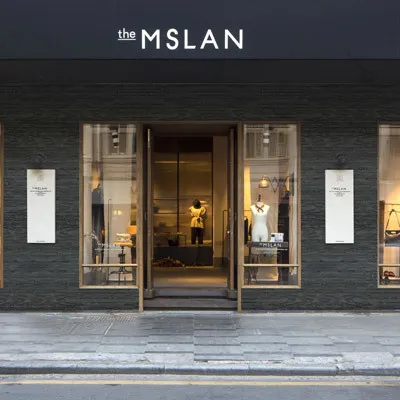
Still curious how Muretto Stone measures up against other popular construction materials? Let's take a look at how it compares to two common alternatives: fair-faced concrete and travertine. This table breaks down key factors that matter most to architects, builders, and clients.
| Material | Weight (kg/m²) | Expected Durability (Years) | Color Options | Installation Complexity | Sustainability Rating* |
|---|---|---|---|---|---|
| Muretto Stone | 8-12 | 50+ | Light Grey, Dark Grey, Beige (consistent batches) | Low (lightweight, easy to handle) | High (recycled materials, low carbon footprint) |
| Fair-Faced Concrete | 200-240 | 40-50 | Limited (typically grey, can be dyed but with color variation) | High (requires formwork, skilled labor) | Medium (high cement use, but durable) |
| Travertine (Natural Stone) | 60-80 | 30-40 (with regular sealing) | Varied (beige, cream, rust; natural variation between slabs) | High (heavy, requires precise cutting and sealing) | Low (quarrying impact, high transportation emissions) |
*Sustainability rating based on resource use, carbon footprint, and recyclability.
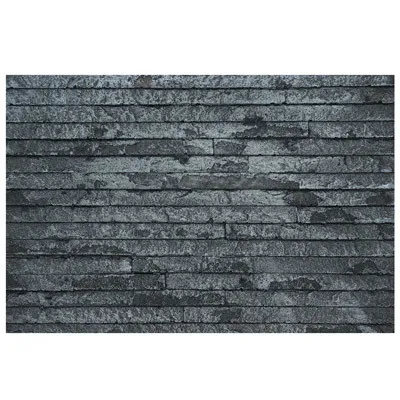
Enough talk about benefits—let's look at how Muretto Stone is being used in real projects today. From bustling city centers to quiet suburban neighborhoods, this material is leaving its mark on spaces that matter.
Commercial Spaces: In downtown Seattle, a new tech hub chose dark grey Muretto Stone for its facade. The lightweight panels allowed the building to feature a striking, cantilevered design that would have been impossible with traditional stone. Employees and visitors alike praise the building's modern, sleek look, and the developer reports that the material has already withstood heavy rain and wind storms without a scratch.
Residential Projects: A boutique housing development in Portland opted for beige Muretto Stone to create a warm, welcoming exterior. The consistent color across all units ensures a cohesive look, while the material's durability means homeowners won't have to worry about repainting or repairing their facades for decades. "We wanted something that felt like home, not just a building," says the project's architect. "Muretto Stone gave us that warmth without the upkeep."
Public Spaces: A community center in Denver used light grey Muretto Stone for its exterior and interior accent walls. The material's sustainability credentials aligned with the center's mission to be eco-friendly, and its durability ensures it can handle heavy foot traffic and the city's harsh winters. "Kids run their hands over the walls, and it still looks brand new," notes the center's director. "That's the kind of material we need for a space that's all about community."
At the end of the day, construction materials are about more than just building walls. They're about creating spaces that inspire, protect, and endure. Muretto Stone excels in all these areas, offering a rare combination of durability, beauty, practicality, and sustainability that's hard to find in today's market.
Whether you're an architect aiming to push the boundaries of design, a builder looking to streamline projects, or a client wanting a space that looks great and lasts long, Muretto Stone delivers. Its lightweight nature saves time and money, its design versatility sparks creativity, its durability ensures peace of mind, and its sustainability aligns with the values of our time. And when paired with other materials like fair-faced concrete or travertine, it opens up a world of design possibilities that honor both tradition and innovation.
In a construction landscape that's always evolving, Muretto Stone isn't just keeping up—it's leading the way. It's a material that understands the needs of modern projects, the vision of designers, and the hopes of the people who will ultimately live, work, and gather in the spaces it helps create. So the next time you're planning a project, ask yourself: What kind of legacy do you want to build? With Muretto Stone, the answer is clear: one that's beautiful, lasting, and kind to the planet.
Recommend Products












