
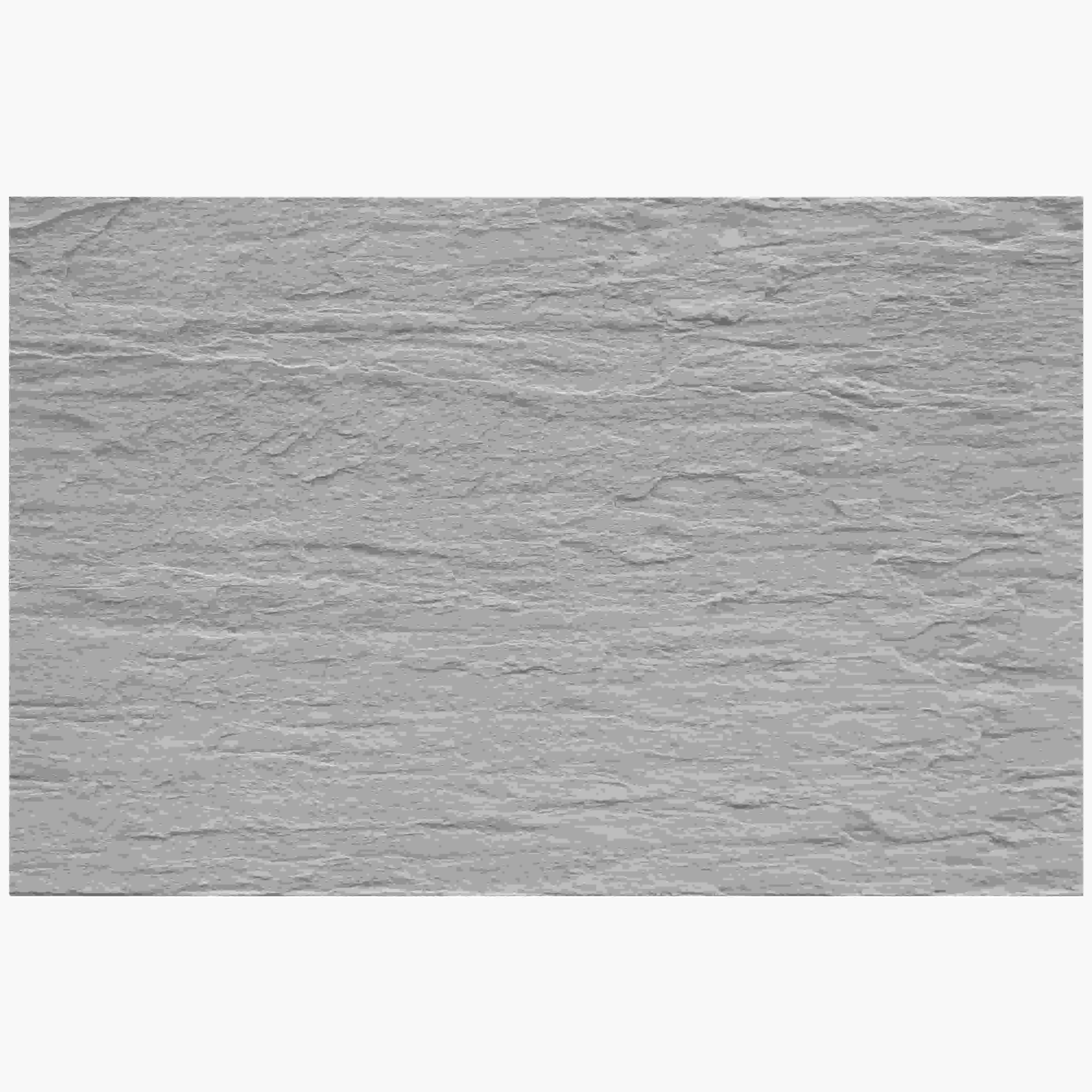
Coastal construction is a dance with nature—one where the beauty of the ocean meets the unforgiving reality of salt spray, relentless humidity, and shifting tides. Builders and designers have long grappled with materials that can stand up to these elements without sacrificing aesthetics. From crumbling concrete to fading wood, the list of underperforming options is all too familiar. But what if there was a material that could laugh in the face of saltwater, blend seamlessly with the coastal landscape, and even do right by the planet? Enter Oasis Stone Regular—a game-changer in the world of coastal building materials. Let's dive into why this innovative material is quickly becoming the go-to choice for architects and homeowners alike.
Before we jump into the benefits, let's get to know the star of the show. Oasis Stone Regular is part of the broader family of MCM flexible stone products—a line of engineered materials that marry the timeless appeal of natural stone with the durability and adaptability of modern technology. Unlike traditional stone slabs that are heavy, brittle, and prone to cracking under coastal stress, Oasis Stone Regular is crafted using a proprietary process that layers natural stone aggregates with reinforced polymers. The result? A material that's lightweight, flexible, and built to withstand the harshest coastal conditions—all while looking like it was plucked straight from a sunlit cliffside.
You might be thinking, "But there are so many stone-look materials out there—what makes this one different?" It's simple: Oasis Stone Regular isn't just imitating natural stone; it's reimagining it. While materials like historical pathfinders stone evoke the charm of old-world construction, they often come with the downsides of high maintenance and limited resistance to salt and moisture. Oasis, on the other hand, takes the best of that natural aesthetic and pairs it with 21st-century engineering to create something truly coastal-ready.
Any coastal homeowner knows the enemy: saltwater spray that eats away at metal, moisture that seeps into cracks and causes mold, and UV rays that fade even the boldest colors. Traditional materials like fair-faced concrete might hold up for a few years, but over time, they start to show signs of wear—stains, cracks, discoloration. Oasis Stone Regular, though? It's built to battle these foes head-on.
The secret lies in its composition. Thanks to the MCM flexible stone technology, the material is non-porous, meaning saltwater and moisture can't penetrate its surface. No pores = no hiding spots for mold or mildew. And unlike some metal-based options (looking at you, foamed aluminium alloy board—even the vintage silver finish can tarnish over time), Oasis is UV-resistant, so its color stays vibrant year after year, even under the harsh coastal sun. Imagine a beach house facade that still looks fresh after a decade of salty breezes and summer storms—that's the promise of Oasis Stone Regular.
Coastal design is all about balance—between rugged natural beauty and intentional human creation. You don't want a material that clashes with the waves and sand, but you also don't want something so generic it fades into the background. Oasis Stone Regular hits that sweet spot with a range of textures and finishes that mimic everything from weathered beach stone to smooth river rock.
Want a facade that looks like it's been part of the coastline for centuries? Opt for a finish that echoes historical pathfinders stone, with subtle variations in color and texture that tell a story. Prefer something more modern? Go for a sleek, uniform look that pairs beautifully with glass and metal accents—think of it as the calm, sophisticated cousin to the bold foamed aluminium alloy board. And because it's flexible, it can be shaped to fit curved walls, archways, or custom designs, giving architects and designers the freedom to get creative without being limited by rigid material constraints.
One of the most popular choices among coastal builders is the "stream limestone (claybank)" finish, which mimics the warm, earthy tones of sand and driftwood, or the "slate veil white" for a crisp, clean look that reflects sunlight and keeps buildings cool. No matter the style, Oasis Stone Regular doesn't just cover a building—it enhances it, turning walls into works of art that complement the coastal landscape.
Let's talk logistics. Traditional stone slabs are heavy—like, "need a crane and a team of" heavy. That adds up to higher labor costs, longer installation times, and even the need for reinforced structural support. For coastal areas, where construction schedules can be derailed by storms or high tides, time is money. Oasis Stone Regular, though, is surprisingly lightweight—up to 70% lighter than natural stone. That means fewer workers, no need for specialized lifting equipment, and installation that can be done in a fraction of the time.
Imagine building a coastal restaurant with a stone facade. With traditional stone, you might spend weeks just on installation. With Oasis? The same job could be done in days. And because it's flexible, it conforms to uneven surfaces, which is a common issue in coastal areas where ground shifting is par for the course. No more chipping away at stone to fit a wonky wall—Oasis bends (just a little) to accommodate the landscape, reducing waste and frustration.
In an era where "green building" isn't just a trend but a necessity, sustainability matters. Oasis Stone Regular checks this box, too. First, it's made with a high percentage of recycled materials, reducing the need for quarrying new stone (which can disrupt local ecosystems). Second, its durability means less frequent replacement—unlike some cheaper materials that need to be torn down and replaced every 5-10 years, Oasis can last decades, cutting down on waste.
And because it's lightweight, transporting it generates less carbon emissions than hauling heavy stone. Compare that to historical pathfinders stone, which often requires shipping from far-flung quarries, or foamed aluminium alloy board, which has a higher carbon footprint in production. Oasis isn't just good for your building—it's good for the planet, too.

To really see why Oasis Stone Regular is a standout, let's put it side by side with some common coastal building materials. We'll look at key factors like salt resistance, weight, installation time, and aesthetic range.
| Material | Salt Resistance | Weight (per sq. ft) | Installation Time | Aesthetic Range | Sustainability |
|---|---|---|---|---|---|
| Oasis Stone Regular | Excellent (non-porous, no salt penetration) | 2-3 lbs | Fast (days for most projects) | Wide—mimics natural stone, modern finishes | High (recycled materials, long lifespan) |
| Historical Pathfinders Stone | Moderate (porous, may stain over time) | 10-15 lbs | Slow (weeks, requires heavy equipment) | Narrow (traditional, rustic look only) | Low (quarrying required, short lifespan) |
| Fair-Faced Concrete | Fair (porous, prone to salt staining) | 8-10 lbs | Moderate (needs curing time) | Limited (industrial, uniform look) | Moderate (high carbon footprint in production) |
| Foamed Aluminium Alloy Board (Vintage Silver) | Good (resistant, but may tarnish over time) | 4-5 lbs | Moderate (requires precise cutting) | Modern, metallic—limited to industrial/aesthetic | Moderate (recyclable but energy-intensive to produce) |
As you can see, Oasis Stone Regular outperforms the competition in nearly every category—especially when it comes to the unique demands of coastal living.
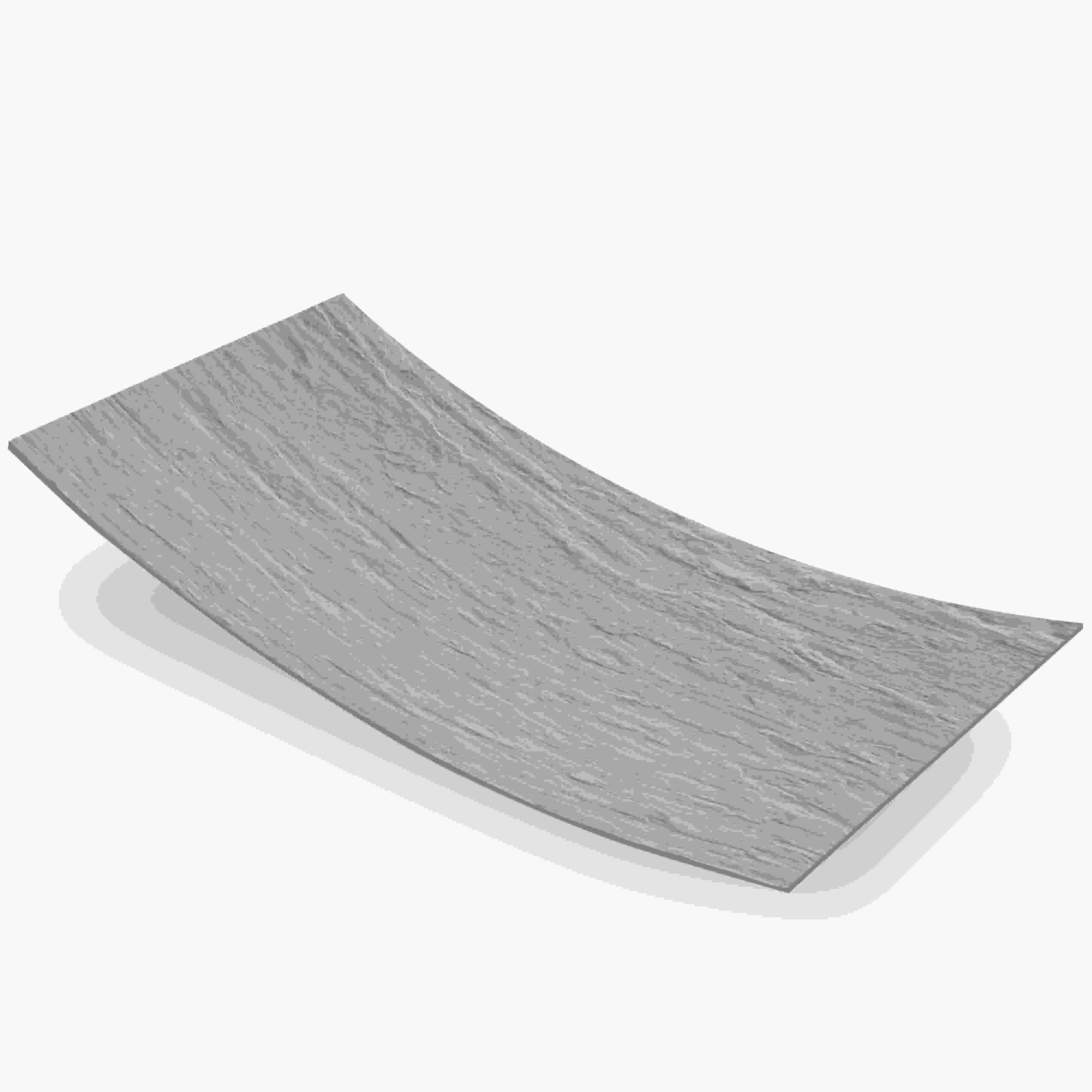
Let's talk about a real example. Last year, a boutique hotel in coastal Maine was undergoing a renovation. The owners wanted a facade that felt "of the sea"—natural, weathered, but also durable enough to stand up to the harsh New England winters and salt spray. They considered historical pathfinders stone for its rustic charm but worried about maintenance. Fair-faced concrete was too industrial, and the foamed aluminium alloy board (vintage gold, in this case) felt too flashy for the area's laid-back vibe.
Enter Oasis Stone Regular. The designers went with a "stream limestone (claybank)" finish, which mimics the look of weathered sandstone, with soft beige and taupe tones that blend with the beach. Installation took just five days (compared to the estimated two weeks for natural stone), and the lightweight material meant they didn't need to reinforce the hotel's aging structure. A year later, the facade still looks brand-new—no stains, no cracks, no fading. Guests often comment on how "authentic" the stone looks, not realizing it's an engineered material. The owners? They're thrilled. Less maintenance, lower costs, and a building that feels like it belongs by the water.
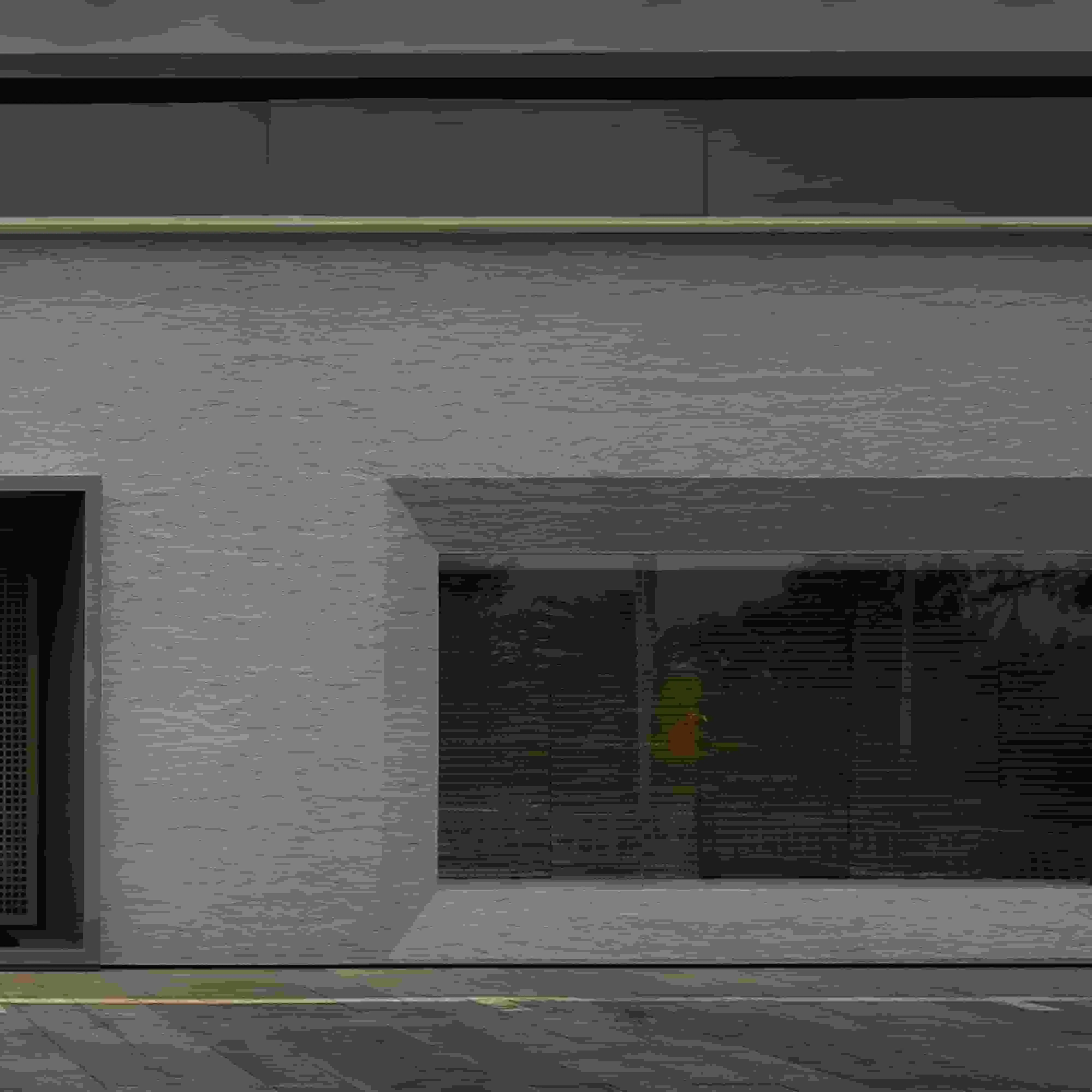
Coastal construction isn't getting easier. Climate change means more intense storms, higher tides, and harsher conditions. That's why materials like Oasis Stone Regular—born from MCM flexible stone technology—are more important than ever. They're not just building materials; they're problem-solvers. They let us create spaces that are both beautiful and resilient, that honor the coast's natural beauty without sacrificing longevity.
Whether you're building a beach house, a restaurant, or a public boardwalk, the message is clear: your material choice defines your project's success. Why settle for something that will fade, crack, or require constant upkeep when you can have Oasis Stone Regular—something that works with the coast, not against it?
At the end of the day, building by the coast is about balance—between nature and design, durability and beauty, tradition and innovation. Oasis Stone Regular hits all those notes. It's tough enough to stand up to salt, moisture, and sun; beautiful enough to complement the coastal landscape; and smart enough to make construction easier and more sustainable.
So if you're dreaming of a coastal project that will stand the test of time—one that looks as good in 20 years as it does on day one—don't sleep on Oasis Stone Regular. It's not just a material; it's a promise: that your building can be both a part of the coast and a testament to how far we've come in creating materials that respect and enhance the world around us.
Recommend Products












