
Modern construction isn't just about putting up walls anymore. It's a balancing act—between durability that stands the test of time, sustainability that honors our planet, and aesthetics that make spaces feel alive. In this quest, one material has quietly emerged as a game-changer: poly wood board . Far more than a simple alternative to natural wood, it's a bridge between the warmth of traditional design and the innovation of forward-thinking building practices. Let's dive into why this material is becoming a staple for architects, designers, and homeowners alike.
First things first: Let's demystify it. Poly wood board (sometimes called "composite wood") is a blend of recycled plastic fibers and wood particles—think sawdust or wood chips from furniture manufacturing. These ingredients are pressed and heated into boards that look, feel, and even smell like real wood, but with a superpower: they ditch the weaknesses of natural lumber. No splinters, no warping, and none of the harsh chemicals like formaldehyde that sometimes hide in cheap wood products. It's wood, but better—engineered to work harder, last longer, and leave a lighter footprint.
Picture this: You build a beautiful wooden deck with your own two hands. It looks stunning… for the first year. Then the rain comes, and the wood swells. The sun beats down, and it cracks. A termite colony moves in, and suddenly you're staring at a repair bill. Natural wood, for all its charm, is a magnet for trouble—rot, pests, moisture, and UV damage all take their toll.
Poly wood board laughs in the face of that chaos. Thanks to its plastic-wood blend, it doesn't absorb water, so it won't rot or warp. Termites? They can't digest the plastic fibers, so they'll skip your deck for easier meals. And UV-resistant additives mean it won't fade to a dull gray after a few summers. We're talking decades of use here—contractors often cite 25- to 30-year lifespans for poly wood installations, compared to 10-15 years for untreated natural wood.
Sustainability in construction can feel like a buzzword, but poly wood board puts action behind the label. Let's break it down: Every board keeps plastic out of landfills—think of all those water bottles and packaging that get a second life as part of your deck. It also cuts down on deforestation: for every 100 square feet of poly wood used, roughly 10 trees stay standing. Compare that to natural wood, which often comes from old-growth forests or unsustainable logging practices.
And it's not just about the materials. Poly wood board is often made in low-energy facilities, and because it lasts so long, it reduces the need for frequent replacements—meaning fewer trucks on the road hauling new materials, and less waste piling up in dumps. Even compared to other eco-friendly options like bamboo mat board (which is fast-growing but can require harsh pesticides), poly wood holds its own as a truly circular choice.
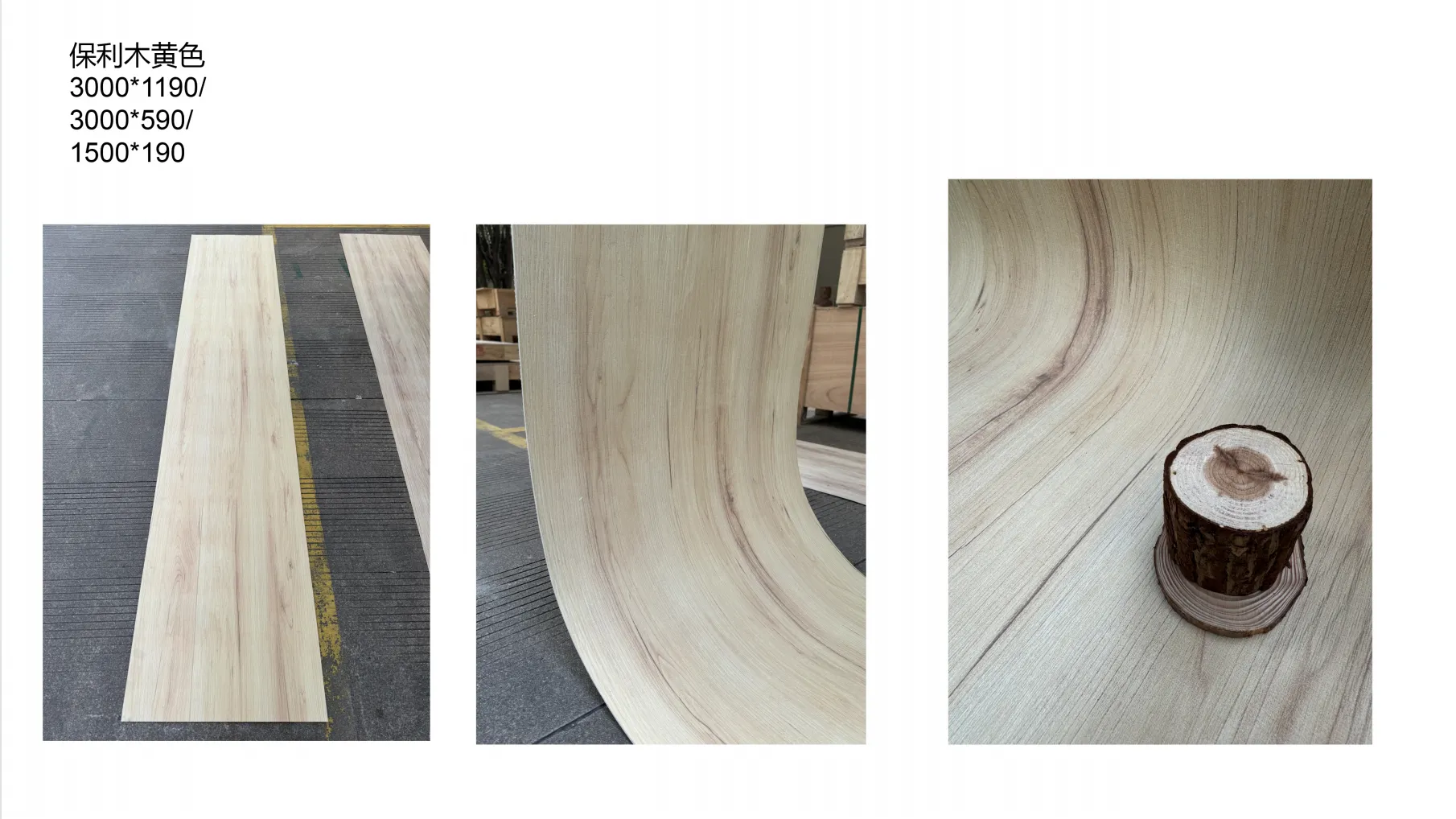
Here's the secret weapon: poly wood board doesn't just perform better—it looks incredible. Early composite woods had a reputation for looking… well, fake. Think plastic-y "wood grain" that screamed "cheap." But today's poly wood? It's a different story. Manufacturers have nailed the art of mimicking natural wood patterns—oak, teak, pine, you name it—with depth and texture that's hard to distinguish from the real thing.
And it's customizable. Want a weathered gray finish for a coastal cottage? Done. A rich mahogany tone for a modern dining room? Easy. Some brands even offer "live edge" styles or rough-hewn textures that blend seamlessly with rustic decor. It's also surprisingly versatile in pairings: Imagine a feature wall where poly wood board panels meet sleek 3D art concrete board —warmth meets edge, tradition meets innovation. Architects love it because it doesn't limit creativity; it expands it.
Let's be real: No one wants to spend weekends sanding, staining, or sealing their deck or patio. Natural wood demands constant care—skip a year of sealing, and you'll pay for it with cracks or discoloration. Poly wood board? It's the low-maintenance friend we all need. Hose it down with water to clean off dirt or pollen. Wipe up spills with a damp cloth. No sanding, no painting, no expensive treatments. Even in harsh climates—think snowy winters or humid summers—it stays looking fresh with zero effort. For busy homeowners or commercial spaces (like restaurants with outdoor seating), that's a game-changer.
Let's talk numbers. Yes, poly wood board has a higher upfront cost than budget-friendly natural wood—sometimes 20-30% more. But here's the kicker: natural wood isn't as "cheap" as it seems. Let's say you build a 200-square-foot deck with pressure-treated pine (the most common budget wood). You'll pay around $1,500 upfront, but then you'll need to stain or seal it every year ($150-$300 per treatment) and replace rotting boards every 5-7 years ($500-$1,000 per repair). Over 10 years, that's $1,500 + ($200/year x 10) + $750 (repairs) = $4,250 .
Now, a poly wood deck of the same size might cost $2,000 upfront, but with zero annual maintenance and no repairs needed for 25+ years. Over 10 years, that's just $2,000. The math speaks for itself: poly wood isn't an expense—it's an investment that pays off, big time.
Curious how poly wood board compares to other popular options? Let's break it down:
| Material | Durability | Sustainability | Aesthetic Warmth | Maintenance Needs | 10-Year Cost (Est.) |
|---|---|---|---|---|---|
| Poly Wood Board | 25-30 years (weather, pest, rot-resistant) | High (recycled materials, low waste) | High (mimics natural wood grain) | Low (hose off, occasional wipe-down) | $2,000 (200 sq. ft. deck) |
| Natural Wood (Pine) | 10-15 years (prone to rot, warping) | Low (requires deforestation, chemical treatments) | Very High (authentic wood character) | High (annual staining/sealing, repairs) | $4,250 (200 sq. ft. deck) |
| Wood Grain Board | 15-20 years (better than pine, less than poly wood) | Medium (some recycled content, still uses wood) | High (natural wood look) | Medium (seal every 2-3 years) | $3,100 (200 sq. ft. deck) |
| Fair-Faced Concrete | 50+ years (ultra-durable) | Low (high carbon footprint, non-recyclable) | Low (industrial, cold aesthetic) | Low (seal every 5 years) | $3,500 (200 sq. ft. patio) |
Still on the fence? Let's look at real projects where poly wood board has stolen the show. Take the outdoor dining area of a trendy café in Portland: They opted for poly wood board tables and benches, and three years later, they still look brand-new—no splinters, no fading, even after endless rain and foot traffic. Or the beach house in Florida with a poly wood deck: Hurricane season comes and goes, and the boards never warp or lift, unlike the neighbor's natural wood deck that needs rebuilding every few years.
It's not just residential, either. Commercial spaces are catching on: airports using poly wood for seating areas (no splinters for tired travelers!), retail stores using it for display shelves (custom stained to match brand colors), and even schools using it for outdoor playground equipment (safe, durable, and easy to clean). The possibilities are endless—and growing.
At the end of the day, choosing poly wood board isn't just about picking a better building material. It's about choosing progress. It's saying, "I want my space to be beautiful, but I also want it to be kind to the planet. I want it to last, but I don't want to spend my life maintaining it." In a world where construction often feels stuck between "fast, cheap, or good," poly wood board proves you can have all three.
So whether you're building a backyard deck, designing a commercial space, or just dreaming of your next home project, consider poly wood board. It's more than a trend—it's the future of construction, one board at a time.
Recommend Products












