
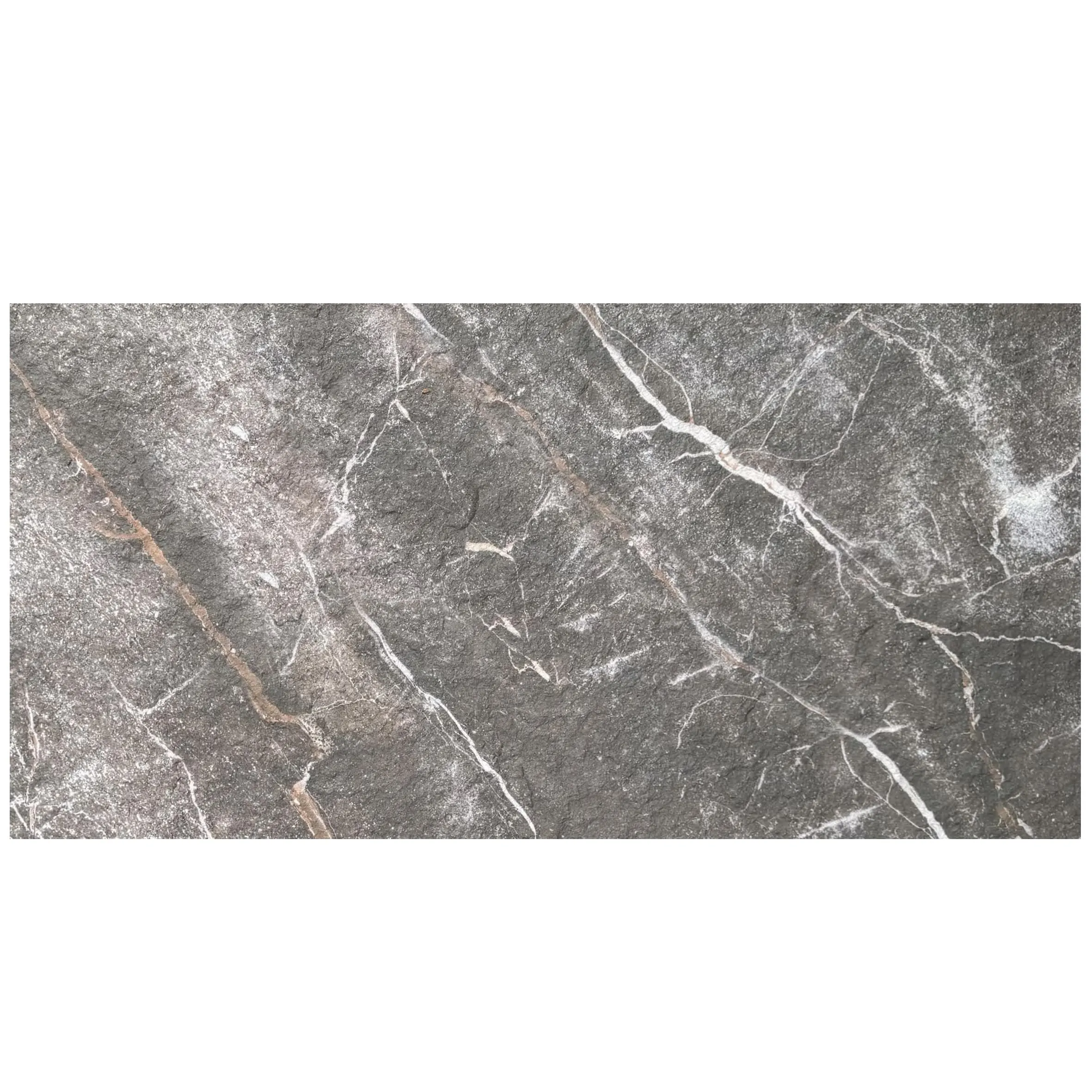
In an era where every industry is under the microscope to shrink its environmental footprint, the building and construction sector stands out as a major player. From skyscrapers to cozy homes, the materials we choose shape not just our spaces, but the health of our planet. Today, we're diving into a head-to-head comparison that matters for architects, builders, and anyone who cares about sustainable design: the carbon footprint of a classic luxury stone, Granite Portoro, versus the innovative low-impact production of Modified Composite Material (MCM) products like MCM flexible stone and foamed aluminium alloy boards. Let's break down why this matters, how these materials stack up, and what it means for the future of green building.
First, let's talk about Granite Portoro. If you've ever stepped into a high-end hotel lobby or a luxury residential project, you've probably admired its rich, dark background swirled with gold veins. It's a stone that screams "opulence," and for decades, it's been a go-to for designers aiming to make a statement. But here's the thing about natural stones like Granite Portoro: their journey from quarry to wall is far from gentle on the planet.
Granite Portoro starts its life deep in the earth, typically mined from quarries in regions like Italy or Brazil. Quarrying granite isn't a subtle process. Massive machines—drills, bulldozers, and explosives—are used to blast rock faces, dislodging chunks of stone that can weigh tons. This step alone is energy-intensive: the machinery runs on diesel or electricity, and the blasting releases not just rock, but dust and greenhouse gases. What's more, quarries carve scars into landscapes, disrupting ecosystems, soil stability, and local water tables. In some cases, quarrying can even lead to deforestation, as trees are cleared to make way for heavy equipment.
Once extracted, the raw Granite Portoro blocks are transported to processing facilities, often hundreds of miles from the quarry. There, they're cut into slabs using diamond-tipped saws—another energy-heavy step. Then comes polishing: to achieve that signature glossy finish, the stone is ground with abrasive pads, a process that uses copious amounts of water to cool the machinery and wash away debris. The result? Tons of "slurry," a muddy waste byproduct made of water, stone dust, and abrasives. While some quarries recycle this water, many still send slurry to landfills, where it can leach harmful particles into soil and water sources.
Granite Portoro is heavy—really heavy. A single slab can weigh over 500 pounds, and a truckload might carry just a few dozen. This means transporting it from, say, a quarry in Italy to a construction site in the U.S. or Asia requires massive trucks, cargo ships, and trains, all burning fossil fuels. The carbon emissions from this "cradle-to-site" transportation add up fast. According to industry estimates, shipping stone internationally can account for up to 20% of its total carbon footprint—before it even arrives at the job site.
Let's put this in concrete terms (pun intended). Studies suggest that extracting and processing one ton of granite emits roughly 200–300 kg of CO2 equivalent. When you add transportation—say, shipping from Europe to North America—that number jumps to 350–450 kg per ton. For context, that's about the same as driving a gasoline-powered car from New York to Boston and back. Multiply that by the thousands of tons used in a large project, and the footprint becomes staggering. And that's not even counting the water: granite processing can guzzle up to 20,000 liters of water per ton of stone, a critical concern in water-scarce regions.
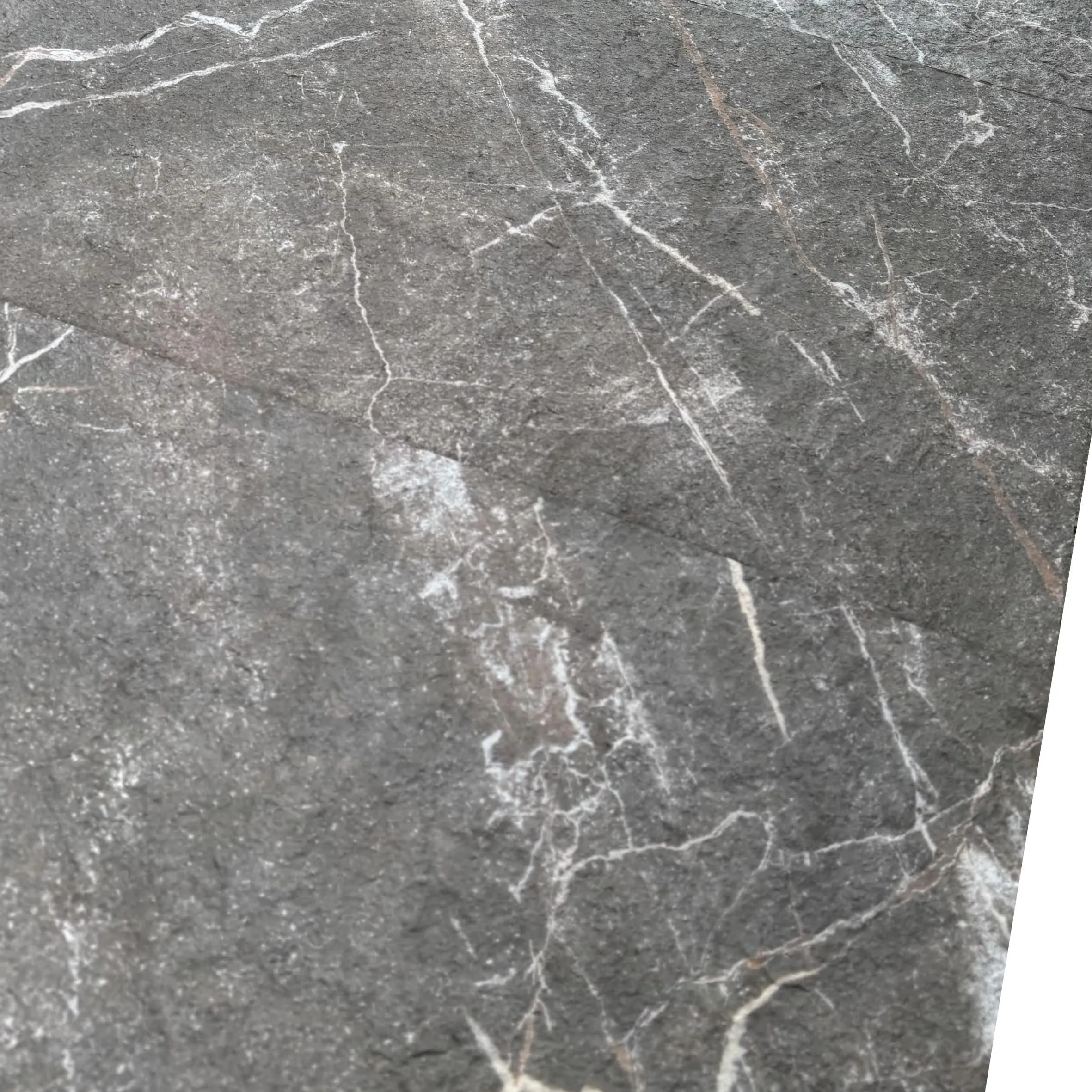
Now, let's shift gears to MCM—Modified Composite Material—a category of building cladding that's gaining traction not just for its versatility, but for its commitment to sustainability. Unlike natural stone, MCM is engineered to mimic the look of materials like granite, travertine, or wood, but with a fraction of the environmental impact. Two standout products in this space are MCM flexible stone and foamed aluminium alloy boards (think vintage silver or gold finishes)—innovative options that prove you don't have to sacrifice style for sustainability.
At its core, MCM is a composite material made by bonding a thin layer of decorative surface material (like stone, metal, or resin) to a lightweight backing, often aluminum or fiberglass. This design makes it flexible, durable, and—crucially—lightweight. For example, MCM flexible stone uses a thin slice of real stone (or a high-fidelity stone-like resin) bonded to a flexible substrate, allowing it to bend around curves or adhere to uneven surfaces without cracking. Foamed aluminium alloy boards, on the other hand, use a foam core aluminum that's both strong and ultra-light, with finishes like vintage silver that add a modern, industrial edge.
The magic of MCM lies in its production process. Let's take MCM flexible stone first. Instead of quarrying massive blocks of stone, manufacturers use leftover stone scraps from natural stone processing (yes, they're recycling waste!) or create synthetic stone-like surfaces using recycled resins. This alone cuts down on extraction-related emissions. The thin stone layer is then bonded to a backing using low-VOC adhesives, a process that requires far less energy than cutting and polishing full stone slabs. Even better, MCM production lines are designed to minimize waste: excess material is often recycled back into the manufacturing process, and water usage is drastically lower—some facilities report using 90% less water than traditional stone processing.
Foamed aluminium alloy boards take this a step further. The "foamed" part refers to a manufacturing technique where aluminum is infused with gas to create a lightweight, porous core. This not only reduces the amount of raw aluminum needed (by up to 70% compared to solid aluminum panels) but also lowers energy use during production. For example, foamed aluminium alloy board (vintage silver) achieves its sleek finish through anodization, a process that uses electricity but emits far less CO2 than the high-heat treatments required for solid metal cladding. And since the final product is so light—often 1/5 the weight of natural stone—transportation becomes a breeze, slashing those shipping emissions we talked about earlier.
Here's a key point: sustainability isn't just about production—it's about longevity. MCM products are built to last. MCM flexible stone resists cracking, fading, and moisture, meaning it won't need frequent replacement. Foamed aluminium alloy boards are corrosion-resistant and fire-retardant, making them ideal for harsh climates. Even better, their lightweight nature reduces stress on building structures, which can extend the lifespan of the entire building. When a material lasts longer, you avoid the carbon cost of manufacturing and installing replacements—another win for the planet.
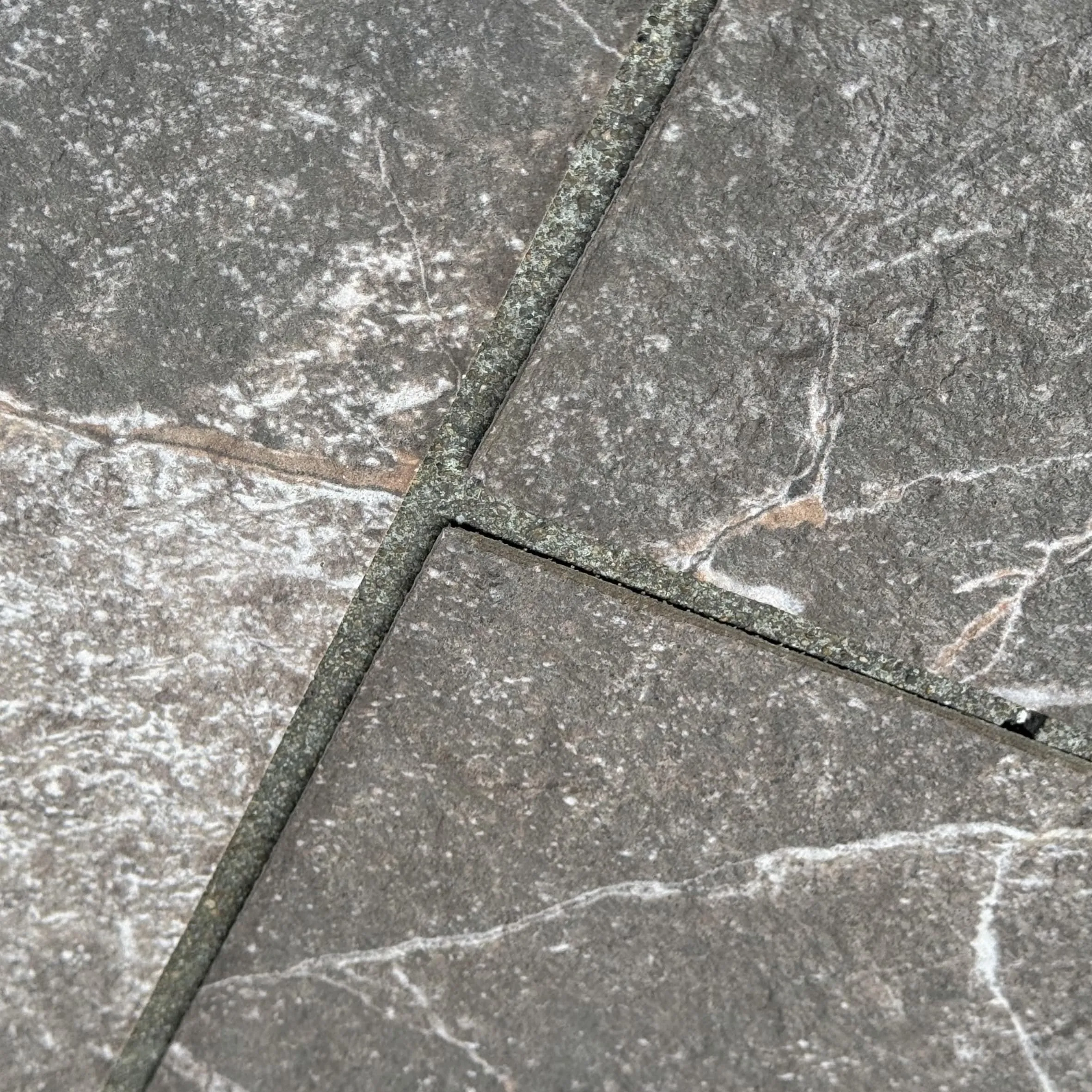
To really see the difference, let's put Granite Portoro and MCM side by side. The table below breaks down their carbon footprint and environmental impact across key stages of their lifecycle. (Note: Numbers are estimates based on industry data and lifecycle assessments.)
| Stage of Lifecycle | Granite Portoro | MCM (Flexible Stone + Foamed Aluminium Alloy) |
|---|---|---|
| Extraction/ Raw Material Sourcing | High: Quarrying requires heavy machinery, land disruption, and deforestation. Emits ~80–120 kg CO2/ton. | Low: Uses recycled stone scraps or synthetic resins; foamed aluminium uses 70% less raw material. Emits ~10–30 kg CO2/ton. |
| Manufacturing/ Processing | High: Energy-intensive cutting, polishing, and water use. Emits ~120–180 kg CO2/ton; uses 20,000+ liters water/ton. | Low: Low-heat bonding, minimal water, and waste recycling. Emits ~40–60 kg CO2/ton; uses <2,000 liters water/ton. |
| Transportation (per ton, 5,000 km shipping) | High: Heavy weight (2–3 tons/m³) leads to high fuel use. Emits ~150–200 kg CO2/ton. | Low: Lightweight (0.3–0.5 tons/m³) reduces fuel needs. Emits ~30–50 kg CO2/ton. |
| Total Carbon Footprint (cradle-to-site) | ~350–450 kg CO2/ton | ~80–140 kg CO2/ton |
| Waste Generation | High: Stone slurry, unused blocks, and transportation packaging. ~15–20% of extracted stone becomes waste. | Low: <5% waste during production; excess material is often recycled. |
| End-of-Life | Limited: Most stone ends up in landfills; recycling is rare due to weight and processing costs. | Recyclable: Aluminium components are 100% recyclable; composite layers can sometimes be repurposed or incinerated for energy. |
*Estimates based on industry averages and lifecycle assessments from the International Council for Research and Innovation in Building and Construction (CIB) and MCM manufacturers.
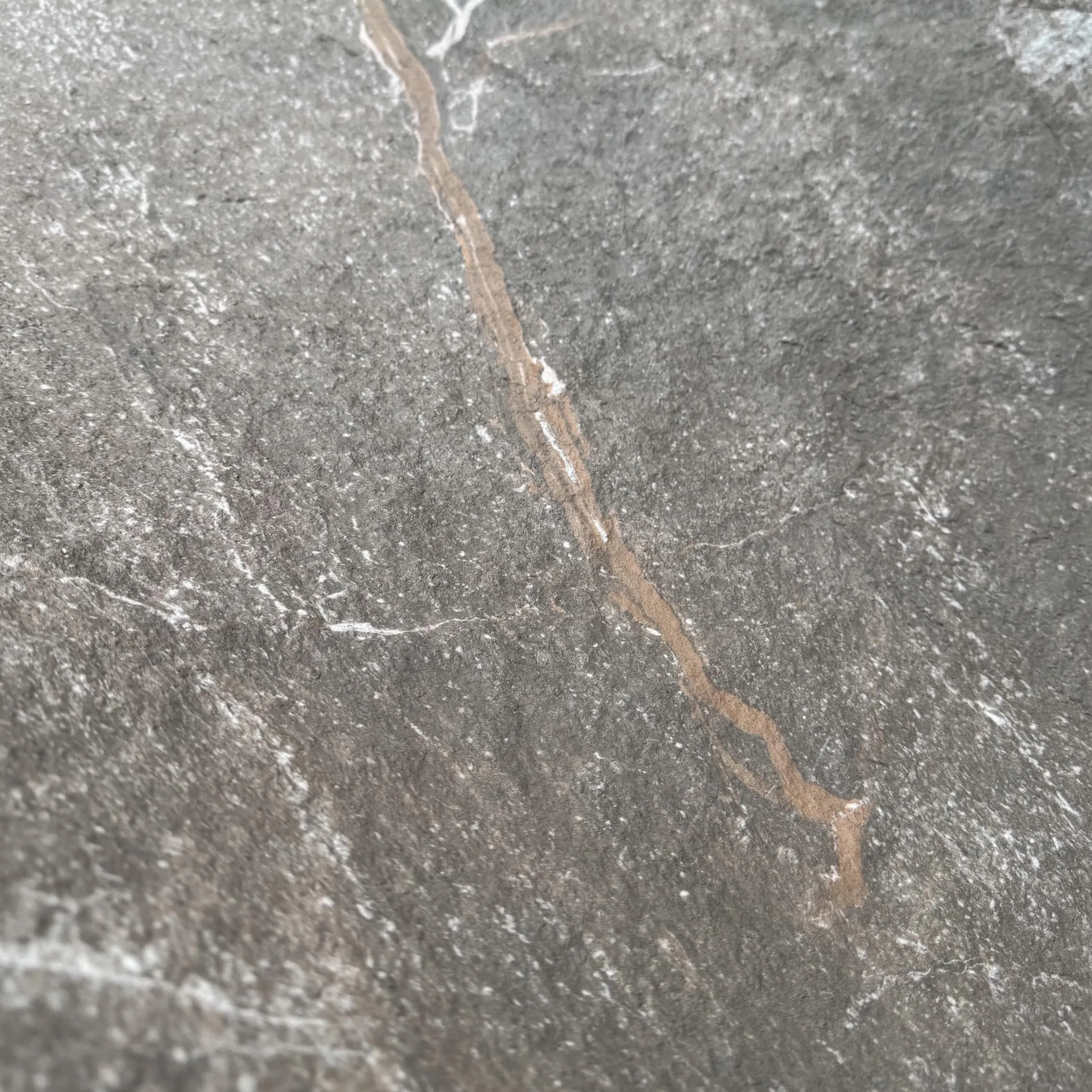
Numbers tell part of the story, but let's ground this in real projects. Take the renovation of a 10-story commercial building in downtown Seattle, completed in 2023. The original design called for Granite Portoro cladding on the facade—roughly 200 tons of stone. After crunching the carbon numbers, the architects switched to MCM flexible stone in a "Portoro-inspired" finish and foamed aluminium alloy board (vintage silver) for accent panels. The result? A carbon footprint reduction of over 60% for the cladding alone. The building now meets LEED Platinum standards, and the client saved on shipping costs thanks to the lighter materials. Plus, the vintage silver aluminium panels added a modern twist that Granite Portoro couldn't match—proving sustainability and style can coexist.
Another example: a boutique hotel in Bali, where developers wanted a "natural stone" look without depleting local quarries. They opted for MCM Bali stone (a flexible stone variant) and bamboo mat board, both of which mimicked the island's iconic stone and wood textures. Not only did this cut transportation emissions (the MCM was manufactured regionally), but it also supported local craftsmanship—since MCM installation requires less heavy machinery, local workers could handle the project, boosting the community economy.
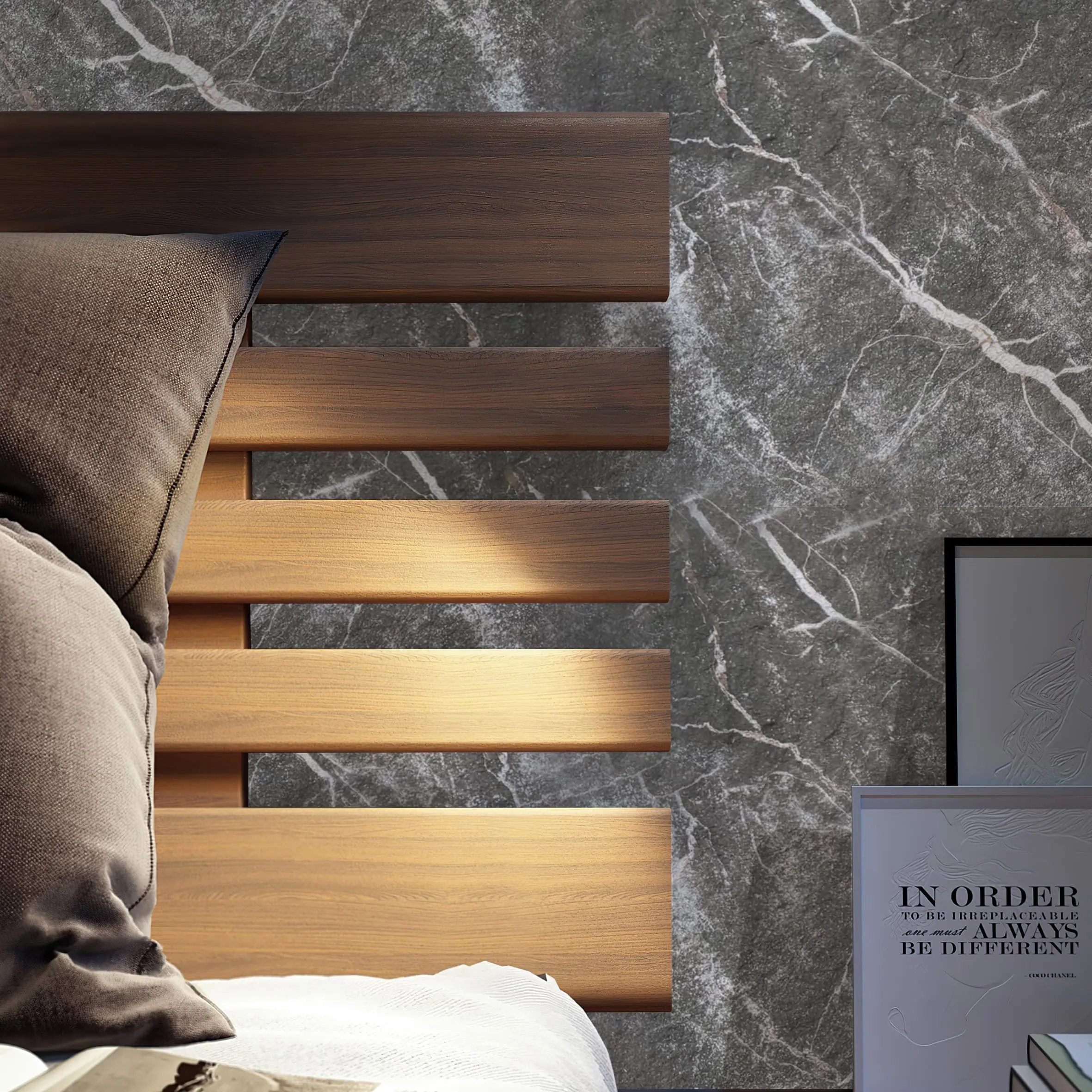
Granite Portoro has earned its place as a symbol of luxury, but in a world grappling with climate change, we need to ask: at what cost? Its beauty comes with a heavy carbon price tag—from quarrying to shipping to waste. MCM, on the other hand, shows us that innovation can redefine what "high-end" looks like. Products like MCM flexible stone and foamed aluminium alloy boards (vintage silver, gold, or otherwise) offer the aesthetic appeal of natural materials with a fraction of the environmental impact. They're lighter, more durable, and designed with the planet in mind.
This isn't just about choosing one material over another—it's about reimagining how we build. Every decision, from the cladding on a skyscraper to the facade of a home, ripples outward. By leaning into low-impact options like MCM, we're not just reducing carbon footprints; we're building spaces that honor both human creativity and the health of our planet. And that, perhaps, is the most luxurious choice of all.
Recommend Products












